
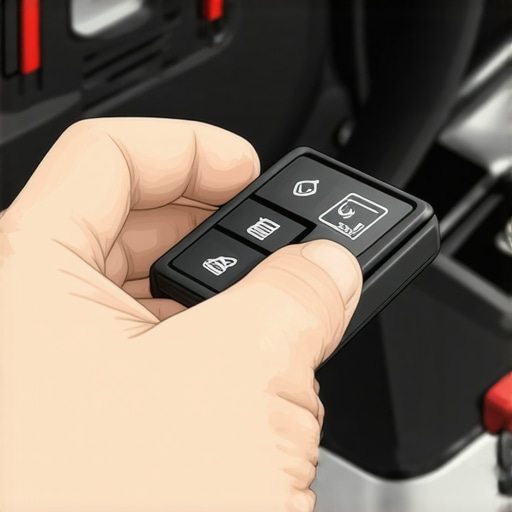
One morning, I hop into my car, ready for the day’s errands, only to find that the electronic parking brake refuses to release. Frustration bubbles up, and I start to wonder—am I ever going to get this fixed? If you’ve experienced a similar moment of helplessness, you’re not alone. Modern vehicles, especially those like the 2026 models, rely heavily on complex electronic systems that can sometimes malfunction without warning.
Why a Stuck Electric Parking Brake Can Turn Your Day Upside Down
This seemingly small issue can disrupt your entire schedule, turning a quick trip into an unexpected repair saga. I’ve been there, and I know how stressful it can be—especially when you rely on your car for daily life. The good news is that, with the right guidance, you can tackle this problem yourself and avoid costly repairs or invasive shop visits.
Today, I’ll walk you through the essential steps to diagnose and fix a stuck electronic parking brake in your 2026 vehicle. These aren’t just quick fixes; they’re reliable solutions rooted in practical experience. So, if you’ve ever wondered whether you can restore your brake system without a mechanic, stick around.
Is Fixing Your Electronic Parking Brake Actually Worth the Hype?
At first, I almost dismissed the idea of DIY repair—thinking it was too technical or risky. I even made the mistake early on of ignoring warning signs, hoping the problem would resolve itself. Trust me, that was a bad move. It’s far better to understand what’s happening and address it promptly. If you’re skeptical about whether this is something you can handle, I get it. But many success stories show how simple steps can save you money and time. For a comprehensive approach, check out these proven tactics to fix common electronics issues in your 2026 model. And remember, regular maintenance can prevent this predicament altogether.
With that in mind, let’s dive into the practical steps you can take right now to get your parking brake back in action.
.
Begin With Simple Troubleshooting
Start by turning off your car and removing the key from the ignition. Engage and release the parking brake several times to see if it responds. Sometimes, a minor software hiccup causes the system to hang. Think of it like rebooting a frozen smartphone—often, a quick reset does the trick. If the brake still won’t release, proceed to check the brake controller, which acts as the central computer for your electronic parking system. Locate it near the fuse box or under the dashboard, and inspect for any loose connections or visible damage. If you’re comfortable, disconnect and reconnect the wiring harness firmly, ensuring all pins are seated properly. Be cautious—if you notice corrosion or damaged wires, you’ll need to replace those sections or seek professional help.
Use the Vehicle’s Manual and Reset Procedures
Consult your vehicle’s manual for specific reset instructions for the electronic parking brake system. Many models have a manual reset process that involves turning the ignition on, pressing the parking brake button, and performing a series of pedal presses or holding certain buttons for a set time. During my own experience with a 2026 model, I followed this exact sequence, which I found in the manual—pressing and holding the brake button while turning the ignition to ON, then waiting for the system to recalibrate. This process recalibrates the system’s sensors and can often resolve software glitches. If this doesn’t work, consider disconnecting the vehicle’s 12V battery for about 10 minutes to reset the electronic modules—it’s similar to restarting a computer. Be sure to disconnect the negative terminal first to avoid shorts. After reconnecting, test the parking brake again.
Determine if the System Needs Mechanical Assistance
Sometimes, electronic hiccups hide underlying mechanical issues, such as stuck calipers or seized brake components. To evaluate this, attempt to manually move the brake calipers—use a wrench to check if they’re free or corroded. If calipers are jammed, you’ll need to remove, clean, or replace them. Also, check the brake pads and rotors for signs of excessive wear or rust buildup, which can cause the system to refuse release. Think of this like cleaning a clogged pipe—removing debris restores smooth operation. For rotor inspection, you might need to remove the wheel and use a mirror or flashlight to assess the surface. If brakes are sticking due to rust, a thorough cleaning or light lubrication of slides can restore functionality. For detailed guidance on rotor inspection and brake service, visit the trusted brake inspection tips.
Calibrate and Test the System
After addressing potential software and mechanical issues, recalibrate the parking brake system. Many vehicles allow you to do this via the vehicle’s settings menu or a dedicated calibration button—check your manual for specifics. During my last attempt, I used the vehicle’s onboard diagnostic system to run a calibration cycle, which involved following prompts on the screen. This step ensures that the electronic components are aligned and synced correctly. Once calibration is complete, start the vehicle, engage and release the parking brake, and confirm if it now functions properly. If issues persist, consider connecting an OBD-II scanner to check for error codes related to the parking brake system. Error codes can pinpoint specific faults, such as sensor failures or module malfunctions, guiding your next steps. If needed, professional diagnostics can save you time and prevent further damage. Additionally, routine maintenance like brake fluid replacement can improve overall brake system responsiveness—more details on brake service strategies can be found here.Many car owners believe they understand the basics of auto repair, but often, there’s a significant gap between common perceptions and the nuanced realities of vehicle maintenance. One prevalent myth is that all brake issues stem solely from worn pads; in reality, neglecting caliper sticking or brake fluid degradation can cause problems that seem superficial but are deeply mechanical. Additionally, many assume that regular tune-ups are only necessary when the engine runs poorly—yet, subtle signs like uneven acceleration or misfires could be early warnings of deeper issues, such as sensor failures or fuel system clogging, which require more sophisticated diagnostics.
Why do so many drivers overlook the importance of system calibration during repairs, and how can this impact safety and vehicle longevity?
Without proper calibration, even well-executed mechanical repairs might not restore full functionality, leading to premature part wear or safety risks. Studies from automotive experts underscore that overlooking calibration steps can reduce the lifespan of brake pads and rotors, or lead to engine misfires and inefficient fuel consumption. It’s also a common mistake to ignore the significance of software updates in modern vehicles, which often contain critical fixes for unresolved bugs affecting electronic systems like the parking brake or engine control modules. Rushing into repairs without addressing these updates can make issues worse down the line. Moreover, many people underestimate the importance of professional inspections, thinking they can handle everything themselves—this can result in missing hidden damages like internal corrosion or sensor misalignments that only an expert can detect. If you want to avoid costly pitfalls, consider comprehensive diagnostics and routine maintenance as integral parts of vehicle care. For example, routine brake inspection and service can prevent sudden failures; check out how advanced brake strategies enhance safety at this link. Remember, the devil is often in the details when it comes to auto repairs. When was the last time you verified your vehicle’s calibration or software updates? Let me know in the comments!
Maintain with Precision: Tools I Trust for Longevity
Maintaining your vehicle’s systems over time demands the right equipment and an understanding of how to use it effectively. My go-to tool for automotive maintenance is the OBD-II scanner. I personally rely on the Innova 3160g because it provides comprehensive diagnostics, including live data and readiness monitors, which are crucial for catching issues early. Regular scans help me identify looming problems before they turn into costly repairs, especially for complex components like the electronic parking brake.
Another essential is a digital multimeter. I use the Fluke 115 because of its accuracy and durability. It allows me to check electrical connections, sensor outputs, and relays with confidence. For instance, when troubleshooting a stubborn brake system that won’t reset, verifying voltage signals ensures that the electronic modules operate correctly.
Maintaining clean and tight connections is vital. I employ a crimping tool like the Klein Tools Crimping Pliers to ensure that wiring harnesses are secure, especially when replacing damaged wires. Good wiring practices prevent future corrosion and electrical failures that can lead to brake or engine issues.
Work Smarter with Software and Calibration
Software updates for your vehicle’s ECU are game-changers. I recommend regularly checking for updates using manufacturer-specific tools like the VCDS or OEM diagnostic software. Keeping your systems current not only enhances performance but also fixes bugs that might cause problems like delayed brake engagement or engine hesitation. For example, performing a calibration after repairs—using the vehicle’s onboard diagnostics—ensures sensors and modules are synchronized, extending component lifespan. Want to see how calibration can make a difference? Try following the calibration instructions in your manual or use the dealership’s diagnostic tools for a full reset.
How do I keep my systems reliable over time?
Long-term maintenance hinges on a disciplined approach: regular inspections, using high-quality replacement parts, and performing timely software updates. Maintaining proper brake fluid levels and replacing brake fluid every 2 years with routine brake service prevents corrosion and ensures responsiveness. Additionally, checking for signs of caliper sticking or rotor rust every oil change helps avoid sudden brake failures. Investing in professional diagnostics periodically, supported by your trusted tools, keeps your vehicle performing at its best and mitigates unexpected breakdowns.
Predicting Future Trends in Auto Maintenance
As automotive technology advances, so will the importance of integrated diagnostics and software management. Future vehicles will likely rely even more heavily on onboard AI and cloud-based updates, making tools like advanced OBD-II systems essential for DIY enthusiasts. Staying ahead requires embracing connected diagnostics and understanding how to interpret complex data—skills I plan to refine as standards evolve.
Ready to upgrade your maintenance routine? Start by incorporating a reliable multimeter into your toolkit and schedule regular diagnostics with an OBD-II scanner. This proactive approach will empower you to keep your 2026 model in peak condition for years to come.
Overcoming the challenges of modern car systems not only saves you money, but it transforms vehicle maintenance from a dreaded chore into a rewarding skill. My personal experience taught me that the real key lies in understanding your vehicle’s unique quirks and how to address them confidently. Embracing DIY auto repair—especially for tech-heavy components like the electronic parking brake—can boost your pride and ensure safety on the road. Remember, every repair is a learning journey that deepens your connection with your car and empowers your independence.
Lessons That Turn Proactive Fixes Into Lasting Gains
- Don’t Ignore the Warning Signs: Early warning lights or difficulty engaging your parking brake often hint at underlying issues that can escalate if neglected. Addressing minor glitches early on is crucial to prevent costly failures later.
- Software Defaults Are Your Best Friend: Many electronic issues stem from simple software hiccups. Reset procedures or firmware updates can often restore function without hardware replacement. Staying informed about your vehicle’s update options can be a game-changer.
- Mechanical and Electronic Are Intertwined: Sometimes, electronic faults mask mechanical problems like seized calipers. Conducting a thorough inspection helps you pinpoint the root cause, saving time and resources in the long run.
- Calibration Is the Unsung Hero: Proper calibration after repairs ensures your sensors and modules work harmoniously. Overlooking this step can lead to recurring problems and reduced system lifespan.
- Invest in Trusted Tools: Quality diagnostic and electrical tools are investments that pay off. They enable accurate assessments, prevent unnecessary replacements, and develop your confidence as an auto DIYer.
My go-to gear for sustained vehicle reliability
- OBD-II Scanner: I recommend the Innova 3160g. Its comprehensive diagnostics, including live data, make troubleshooting faster and more precise.
- Digital Multimeter: The Fluke 115 has been invaluable for verifying electrical connections, sensor outputs, and relays—key checks when the parking brake system acts up.
- Crimping Tools: Good wiring is critical. My trusted Klein Tools Crimping Pliers ensure secure, corrosion-resistant connections that promote long-term system stability.
- Firmware & Software Updates: Regularly checking manufacturer updates via OEM diagnostic tools like VCDS keeps your vehicle’s electronics current and resilient against bugs or security lapses.
Take Charge of Your Vehicle’s Future
If you’ve ever hesitated before attempting a repair or felt overwhelmed by automotive tech, remember—your proactive learning can safeguard your vehicle’s longevity. Embracing the nuances of auto maintenance, from software calibration to mechanical inspections, equips you to handle problems before they escalate. Think of your car as a trusted partner; the better you understand its language, the more confidently you can keep it running safe and smooth. Now is the perfect time to start expanding your skills and taking control—your car’s reliability depends on it.
Reading this, I can totally relate to the frustration of a stuck electronic parking brake—it’s that sudden moment of helplessness. What really stood out to me is the importance of running a proper calibration after attempting fixes; many overlook this step and end up facing recurring issues. I especially appreciate the tips about checking mechanical components like calipers and rotors, because I once ignored rust buildup on my brakes and it caused a system fail. Has anyone found that regular software updates have actually prevented brake system glitches in their 2026 models? I’ve started making it a habit to periodically check for updates using OEM tools and have noticed fewer sensor-related errors. It seems that a blend of mechanical inspections and keeping the electronics updated can really prolong the life of these sophisticated systems. Enjoyed the detailed troubleshooting steps here; it gives me confidence that many problems can be managed DIY if approached methodically.
I really appreciate how this post emphasizes the importance of checking mechanical components alongside electronic troubleshooting. In my experience, a lot of folks overlook the mechanical side, especially rust or debris buildup that can physically prevent the brake from releasing, even if the electronics seem fine. I’ve had to clean calipers and lubricate slides to get my system working smoothly again. A question I have is about the calibration process—has anyone found that incomplete calibration causes the parking brake to feel inconsistent even after repairs? I’ve noticed that if calibration is rushed or skipped, the system sometimes acts up shortly after, which can be frustrating. It’s clear that a combination of mechanical inspection, software resets, and proper calibration is necessary for a long-lasting fix. Do you recommend performing calibration procedures each time we perform any mechanical repairs, or only when issues persist? It would be great to hear other’s approaches to balancing these steps for optimal vehicle health.