
Ever had that sinking feeling when you press the brake pedal and it almost feels like my car’s braking system has gone soft, especially when I needed to stop suddenly? It’s frustrating, nerve-wracking even. One day, during a routine drive, I hit the brakes—and instead of the confident stop I expected, my pedal sank closer to the floor. That moment was a real eye-opener for me, revealing just how crucial a reliable braking system truly is for safety and peace of mind.
Why Soft Brake Pedal Will Give You a Heart Attack
If you’re like me, the last thing you want is to be caught off guard by your car’s braking troubles. A soft or spongy brake pedal doesn’t just feel weird—it’s a serious warning sign that something isn’t right. In 2026, with more cars showing advanced braking technology, ignoring these signs can put you at risk. The good news? Many soft pedal issues are repairable with simple fixes, and catching the problem early can save you money and stress down the road.
Is Fixing a Soft Brake Pedal Really Worth It?
It’s natural to wonder if that soft, unresponsive pedal is worth the hassle and expense. I’ll admit, I initially thought I could just ignore it or try a quick fix myself. Boy, was I wrong. Early on, I made the mistake of delaying proper diagnosis, which only worsened the problem. According to trusted experts in auto repair, addressing brake issues promptly not only restores your car’s stopping power but also ensures your safety and that of your loved ones. For comprehensive guidance, check out this article on trusted brake service. Now, I want to share what I learned so you can avoid my pitfalls and get your brakes back in shape faster.
Assess Your Brake System Thoroughly
Start by inspecting the brake fluid level and condition, as contaminated or low fluid can cause a spongy pedal. To do this, locate the brake fluid reservoir under your hood, remove the cap, and observe the fluid’s clarity and level against the maximum mark. I once found my brake fluid dark and low, which immediately pointed me to a leak and saved me from a potential accident. If the fluid is dirty or low, plan to flush and replace it, or look for leaks in the lines or the master cylinder.
Check for Leaks and Master Cylinder Issues
Look for wet spots along brake lines, calipers, and the master cylinder. Use a flashlight if necessary. Leaks are a common cause of soft pedals, and identifying them early means you can order the right parts for replacement. I once discovered a tiny leak at the master cylinder seal; addressing it promptly restored firm pedal feel and prevented further damage. For detailed leak diagnosis, consider consulting trusted resources like trusted brake service.
Bleed the Brake System to Remove Air
Air trapped in the lines compresses under pressure, making the pedal feel soft. To bleed the brakes, you’ll need a helper, brake fluid, and a wrench. Start at the wheel farthest from the master cylinder—usually the passenger rear—attach a transparent hose to the bleed valve, and have your helper press the brake pedal slowly. Loosen the valve to let air and fluid escape, then tighten it before releasing the pedal. Repeat until the fluid flows clear, and no air bubbles appear. I performed this process after a brake fluid flush, leading to a noticeably firmer pedal and improved stopping power.
< >
>
Replace or Repair Faulty Components
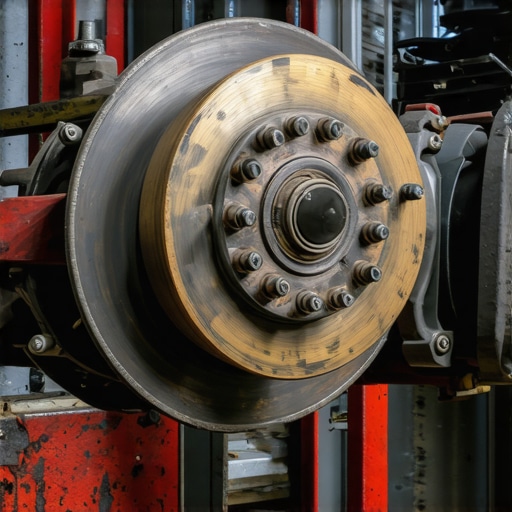
If bleeding doesn’t resolve the soft pedal issue, inspect and replace worn parts like brake pads, calipers, or the master cylinder itself. For instance, I replaced worn-out calipers that had seized, which instantly made the brake pedal feel more responsive. Refer to comprehensive guides on auto repair strategies to select the right parts and ensure proper installation. Remember, proper tightening and bleeding after component replacement are crucial for safety and performance.
Perform a Road Test Carefully
Once repairs are complete, test your brakes in a safe, open area. Apply gentle pressure and gradually increase to full braking force, noting the pedal’s feel and responsiveness. If the pedal remains soft or the brakes feel spongy, revisit the bleeding step or inspect for leaks. A hands-on approach helped me avoid unnecessary trips to the shop and gave me confidence in my repair skills. For more tips on maintaining your brake system, explore trusted repair tips to keep your vehicle safe and reliable.Many car owners believe that regular maintenance is a simple checklist, but in reality, there are nuanced pitfalls that even seasoned drivers tend to overlook. For instance, a prevalent myth is that changing oil and replacing brake pads once a year suffices, regardless of driving habits. In my experience, advanced diagnostics reveal that factors like driving style, urban versus highway use, and environmental conditions significantly influence optimal service intervals. According to automotive experts cited in trusted sources, neglecting these nuances can lead to premature wear and unexpected failures, especially in critical systems like brakes and transmissions.
One trap I often see people fall into is relying solely on dashboard warning lights, assuming that if there’s no alert, everything is fine. However, many issues, such as brake fluid contamination or minor leaks, develop silently, leading to bigger problems down the line. Regular comprehensive checks by a professional can identify these hidden faults early, preventing costly repairs and ensuring safety. For advanced drivers aiming for peak reliability, understanding that auto repair isn’t just a reactive process but a proactive strategy is vital.
Have you ever fallen into this trap? Let me know in the comments.
Why does ignoring advanced diagnostics in brake service reduce your safety? This question is crucial because superficial inspections might miss subtle signs of system degradation. Experts highlight that modern braking systems, especially those with electronic stability controls and ABS, require specialized testing beyond visual inspection. These components depend on sensors and hydraulics that can fail silently. Ignoring early signs detected through sophisticated diagnostics can result in brake failure under critical conditions. For authoritative insights, consider reviewing trusted auto repair strategies that detail the importance of proactive monitoring. By integrating these advanced checks into your maintenance routine, you significantly diminish the risk of unexpected breakdowns and ensure your vehicle remains dependable on every trip.
Maintaining your vehicle’s performance requires more than just basic inspections; it demands the right tools and a systematic approach. Over the years, I’ve discovered that investing in precise equipment can dramatically extend the lifespan of critical components like brakes and engine parts, ensuring safety and trustworthiness on the road.
Invest in Quality Diagnostics Software
Modern vehicles come equipped with advanced electronic systems, making traditional check-ups insufficient. I personally rely on **OBD-II diagnostic scanners** such as the **Autel MaxiScan MS300** because it provides detailed error codes and live data, enabling me to pinpoint issues like sensor failures or hydraulic inconsistencies before they escalate. These scanners are affordable and compatible with most vehicles, making them a must-have in long-term maintenance.
Use Certified Hand Tools for Precision
When performing tasks like changing brake pads or adjusting tuning components, I only trust **certified torque wrenches** from brands like **TEKTON**. Proper tightening is crucial; under-tightening can lead to leaks, while over-tightening risks damaging parts. A high-quality torque wrench ensures that bolts are secured to manufacturer specifications, aligning with standards outlined in trusted guides like auto repair strategies.
Maintain a Well-Organized Tool Set
Organization saves time and reduces errors. I keep a dedicated toolbox filled with essential items: screwdrivers, pliers, wire brushes, brake bleeding kits, and replacement parts. A magnetic parts tray helps me keep track of small components during complex repairs. This approach not only streamlines work but also minimizes the risk of overlooking critical steps, especially in tasks like bleeding brakes or replacing sensors.
Implement Data Logging for Consistent Performance Tracking
To monitor long-term results, I employ data logging devices such as **BlueDriver Bluetooth Scan Tool**, which connects to my smartphone. By tracking parameters over time—like fuel efficiency and sensor readings—I can anticipate upcoming maintenance needs, schedule proactive repairs, and avoid unexpected breakdowns. Over time, this practice reduces costly emergency fixes and ensures my vehicle remains reliable.
How do I maintain tools and diagnostics to maximize their lifespan?
Regularly cleaning tools after use, storing them in dry, organized racks, and calibrating electronic devices annually helps maintain their accuracy and longevity. Investing in quality tools might seem costly initially, but it pays off by providing precise diagnostics and safe repairs, ultimately saving money and boosting confidence.
Looking ahead, the trend points towards even smarter diagnostics integrated with AI that can predict issues even before sensors detect anomalies. Embracing such innovations will make vehicle maintenance more proactive and reliable.
Try implementing a comprehensive diagnostic routine with a trusted device, and you’ll notice improvements in your car’s longer-term health. Remember, consistent maintenance with the right equipment is the cornerstone of trustworthy auto care. For more advanced strategies, visit expert repair tips.
Lessons That Changed My Approach to Brake Care
- I’ve learned that addressing small brake issues early saves money and lives; procrastination often turns minor leaks or squeaks into costly repairs.
- Understanding that modern brake systems are intricate made me realize DIY fixes aren’t enough—I need trusted professionals for complex diagnostics.
- I’ve discovered that embracing advanced diagnostics tools not only identifies hidden problems but also prevents me from falling into costly repair traps.
My Trusted Arsenal for Keeping Brakes in Check
- Autel MaxiScan MS300: This affordable OBD-II scanner offers detailed error insights that help me catch issues early.
- TEKTON Torque Wrenches: Ensuring bolts are tightened to spec means safer, longer-lasting repairs—trustworthy tools make all the difference.
- BlueDriver Bluetooth Scanner: Connecting my smartphone to my vehicle lets me log performance data and plan proactive maintenance.
- Reliable Brake Bleeding Kit: Essential for removing air from lines; maintaining pedal firmness and stopping power.
Embrace Better Maintenance—Your Drive Depends on It
Taking control of your brake system with the right knowledge and tools empowers you to drive safely and confidently. Remember, genuine vehicle trust and safety come from ongoing, informed care. Don’t wait for warning lights—invest in diagnostics and regular check-ups now, and enjoy the peace of mind that comes with reliable brakes. Ready to get serious about your car’s safety? Share your experiences or ask questions below — your journey to safer driving starts today.
Reading through this detailed breakdown on soft brake pedals really made me reflect on my own experience with brake system issues. I once noticed my pedal felt spongy after changing the brake fluid and initially thought it was just normal wear. However, a quick inspection revealed a tiny leak at the master cylinder, which I addressed immediately. It’s surprising how something seemingly minor can compromise safety, especially with the complexities of newer cars equipped with advanced braking systems. I particularly appreciate the emphasis on bleeding the brakes effectively, as I learned the hard way that trapped air can significantly diminish stopping power. Has anyone here found that using a professional-grade brake bleeding kit made a substantial difference in restoring pedal firmness? It would be interesting to hear about different tools or techniques that have worked well in similar situations; my experience has mainly been with manual bleeding, but I’m open to upgrading to a more advanced method for peace of mind.