
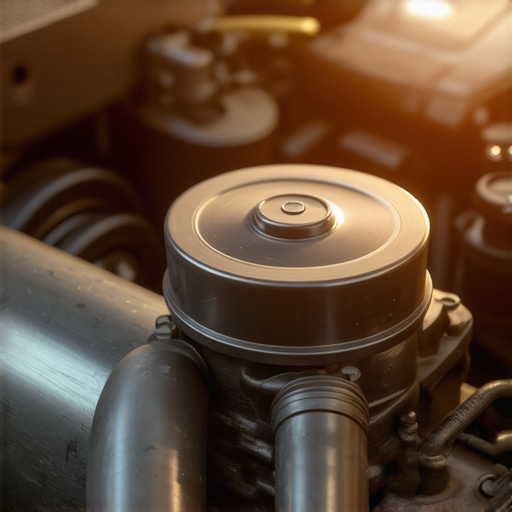
Ever been caught in a sudden traffic jam on a scorching day, sweating buckets, only to realize your car’s temperature gauge is creeping into the red zone? I’ve been there more times than I care to admit, and let me tell you, it’s a gut punch when you realize that tiny, often overlooked thermostat is the culprit behind countless engine issues. That lightbulb moment hit me hard—ignoring a faulty thermostat can lead to severe damage, especially to your head gasket, which can cost thousands in repairs.
The Hidden Danger of a Failing Thermostat
Many drivers dismiss that occasional overheating as minor or just part of owning an older car. But here’s the truth—ignoring a broken thermostat doesn’t just cause inconvenience. It jeopardizes your engine’s health and can lead to catastrophic failure if left unchecked. I learned this the hard way early in my DIY auto repairs when I overlooked the importance of a fully functioning thermostat. A simple mistake that I often see others make is assuming that topping off coolant is enough—when in reality, a stuck open or closed thermostat disrupts the entire cooling process. This article explains how critical proper coolant flow is to engine longevity, reinforcing why you shouldn’t ignore signs of thermostat failure.
Is ignoring your thermostat actually worth the risk?
Absolutely not. The consequences of neglect can include warped heads, blown head gaskets, and even engine seizure. When I first ignored the signs, I learned my lesson the expensive way. Now, I never skip checking the thermostat when troubleshooting cooling issues. Have you experienced the frustration of an engine overheating unexpectedly? If so, you’re not alone, and there’s a straightforward fix that can save your engine—and your wallet.
Stay tuned as we dive into how you can identify thermostat problems early, and what steps to take to prevent damage, rather than chasing costly repairs later on.
Poor Cooling System Diagnosis and Replacement
Start by safely parking your vehicle on a level surface and allowing the engine to cool completely to avoid burns. Remove the radiator cap and inspect coolant levels; a low or contaminated coolant can mimic thermostat issues. Next, locate the thermostat housing—usually connected to the upper radiator hose—and prepare your tools for removal. When I replaced my thermostat during a summer weekend, I used a standard socket set and a gasket scraper, ensuring I didn’t damage any components.
Test the Thermostat to Confirm Failure
Before replacing, test the thermostat manually: remove it from the housing, then place it in boiling water with a thermometer. It should open at a specified temperature—refer to your vehicle’s manual. If it remains closed or opens too late, it’s a clear sign of failure. I once found my thermostat stuck shut after performing this simple test, which explained the overheating issues—replacing it immediately restored proper engine temperature.
Remove and Replace with a Genuine Part
Loosen the housing bolts carefully, then extract the old thermostat. Clean the mating surfaces thoroughly with a gasket scraper or a wire brush to ensure a good seal. Insert the new thermostat, aligning it properly, and replace the gasket for a tight fit. When I replaced my thermostat, I made sure to use a genuine OEM part, which improved the durability and prevented future leaks—as advised by auto repair experts.
Refill Coolant and Test the System
Refill the cooling system with the correct mixture of coolant and distilled water, using your vehicle’s capacity specifications. Bleed air from the system by running the engine with the radiator cap off and the heater on high, gradually adding coolant as air bubbles escape. Afterward, monitor the temperature gauge for normal operation. During my own repair, I paid close attention to the temperature readings and triple-checked for leaks, preventing a repeat of the overheating problem.
While most drivers believe they understand the basics of vehicle maintenance, several nuanced errors and misconceptions persist that can silently sabotage your car’s longevity. A common myth is that a simple oil change or brake pad replacement suffices for a comprehensive tune-up—that’s a oversimplification. In reality, modern engines require thorough diagnostics and attention to specific components like turbochargers or emission systems, which often get overlooked. According to automotive experts, neglecting these details can lead to decreased performance and reduced fuel efficiency, as outlined in studies by the Society of Automotive Engineers.
A frequent trap is trusting the familiar, such as using generic parts instead of genuine OEM components, which can cause premature wear or failure. For example, it’s tempting to replace a worn belt without considering the tensioner or pulleys attached; ignoring these can cause the belt to slip or break unexpectedly. This resource underscores the importance of inspecting related components during repairs.
Ever wondered about the real risks of ignoring subtle signs like a slight pulling to one side or a pulsating brake pedal? These issues often indicate underlying problems—such as uneven tire wear or warped rotors—that, if left unaddressed, can escalate into safety hazards. An advanced mistake many make is dismissing early warning signs, leading to costly repairs or accidents.
How can a seasoned mechanic identify hidden engine issues before they become crises?
This is where expertise in diagnostics shines. Techniques such as activating a scan tool to read trouble codes, performing compression tests, or inspecting for coolant leaks behind the scenes are crucial. A detailed inspection might reveal a tiny, persistent coolant leak that can cause engine overheating—something that a casual glance might miss. For example, underestimating the importance of a turbocharged engine’s extra care, especially during tune-ups, can lead to turbo failure, which is significantly more costly than a standard repair. Expert guidance highlights these subtleties.
Finally, understanding the importance of regular, comprehensive maintenance—including fluid flushes, belt inspections, and sensor checks—can dramatically extend your vehicle’s lifespan. Skipping these can seem economical upfront but often results in larger expenses later. Have you ever fallen into this trap? Let me know in the comments.Maintaining your vehicle’s performance over time requires more than just basic knowledge; it demands the right tools and a strategic approach. One of my favorite investments is a reliable digital inspection mirror, which allows me to check hard-to-reach areas like behind the engine components or underneath the vehicle without crawling under it every time. This simple tool saves me time and reduces the risk of overlooking subtle issues, such as a creeping coolant leak or worn suspension parts.
Invest in Quality Diagnostic Equipment
Using a reputable OBD-II scanner, like the BlueDriver or the Autel MaxiCOM, has transformed how I diagnose problems. These tools connect via Bluetooth or USB and provide real-time data and trouble codes directly from the vehicle’s ECU. I personally prefer the BlueDriver because it offers extensive troubleshooting reports and compatibility with my smartphone, making diagnostics quick and accessible. As cars become more complex, relying on generic code readers isn’t enough; quality diagnostic hardware is essential for accurate assessments.
Embrace Software and Firmware Updates
Keeping my car’s software current ensures optimal performance, especially for modern vehicles that rely heavily on electronic systems. I regularly check for updates using manufacturer-specific tools or authorized service software. For instance, turbocharged engines like those described here benefit significantly from firmware updates that improve boost control and engine management. Future trends in auto care will see even more integration of over-the-air updates, making it easier to maintain your vehicle’s health remotely.
Use Precision Tools for Maintenance
I swear by a digital torque wrench for all fastener tightening to ensure the correct specifications—critical for brake components, wheel hubs, or engine assembly. Over-tightening or under-tightening can lead to premature wear or failure, risking safety and costly repairs. For example, improper torque on lug nuts can cause uneven tire wear or wheel separation. My trusted torque wrench, combined with detailed repair procedures, boosts my confidence during maintenance tasks.
How do I keep tools in top shape over time?
Regularly calibrate your diagnostic equipment and torque wrenches according to manufacturer instructions. Clean and store your tools properly, avoiding exposure to moisture and extreme temperatures. Replace worn-out cables or probes promptly to prevent inaccurate readings. Developing a routine for tool maintenance not only prolongs their lifespan but also ensures your diagnostics remain precise, helping to catch issues early before they escalate. This guide provides additional tips on tool care for automotive professionals and enthusiasts alike. Start by testing your current torque wrench, and consider upgrading your diagnostic kit for more complex repairs—your vehicle’s health depends on it. Try implementing a regular calibration schedule today and see the difference in your maintenance accuracy.
Lessons That Changed My Approach to Car Care
- One unexpected insight was realizing how a small coolant leak could masquerade as thermostat failure, pushing me to look beyond surface symptoms and perform thorough inspections. This taught me the importance of connecting the dots rather than jumping to conclusions.
- Missing regular software updates on my car’s ECU especially in turbocharged engines led to performance drops I couldn’t understand. Now I see that staying current with firmware is a game-changer for maintaining peak efficiency.
- I used to underestimate the value of quality diagnostic tools, but investing in a reputable OBD-II scanner transformed my troubleshooting, saving me time and preventing unnecessary part replacements.
- Learning the correct torque specifications and using a digital torque wrench helped me avoid over-tightening delicate components, which can cause costly failures down the line. Precision in maintenance truly pays off.
- Realizing that engine signs like minor pulling or unusual vibrations often indicate deeper issues prompted me to trust my instincts and dig deeper before problems escalate, emphasizing proactive care over reactive fixes.
Gear Up with Trusted Resources to Elevate Your Auto Expertise
- Auto Repair Guides: I rely on auto repair experts for detailed insights on maintaining modern engines, especially turbocharged ones. Their advice keeps me ahead of common pitfalls.
- High-Quality Diagnostic Equipment: The BlueDriver scanner is my go-to tool. Its real-time troubleshooting and extensive database help me identify issues precisely and swiftly, making DIY repairs more reliable.
- Educational Books: “Automotive Technology: Principles, Diagnosis, and Service” provides comprehensive knowledge that deepens my understanding, especially when dealing with complex systems those resources are invaluable.
- Manufacturer Updates: Regularly checking for software updates directly from my vehicle’s manufacturer ensures I’m working with the latest configurations, especially crucial for modern, sensitive systems like turbochargers and emission controls.
Your Next Step Toward Confidence in Car Care
Taking charge of your vehicle’s health isn’t just about fixing problems—it’s about understanding and preventing them before they happen. Embrace the knowledge, tools, and habits that turn a regular car owner into a capable DIY enthusiast. Remember, even the most complex systems can be mastered with patience and the right resources. Are you ready to apply these insider lessons and elevate your vehicle maintenance game? Share your experiences below—I’d love to hear how you’ve tackled tricky repairs or what tools have become your favorites.