
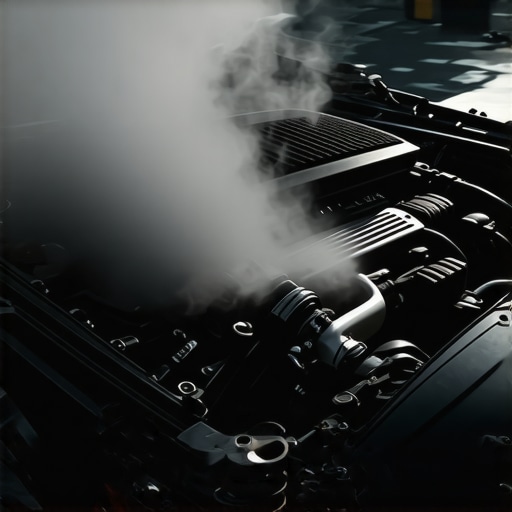
Ever been jolted awake on a quiet Sunday morning by a strange, acrid smell wafting from beneath your car’s hood? I remember the first time I ignored that warning sign and paid the price — a costly repair and a nervous breakdown in the driveway. That moment of neglect taught me a vital lesson: that burning smell isn’t just a minor annoyance; it’s a red flag that something needs attention before it spirals into a major headache.
Why That Smell Could Save Your Car and Your Wallet
Many drivers dismiss a burning smell as a harmless part of normal engine operation or forget about it altogether. But in reality, it’s often the car’s way of waving a bright, flashing warning sign. Whether it’s overheated brake fluid, a failing clutch, or an oil leak, ignoring that scent can lead to unexpected breakdowns, costly repairs, or even dangerous situations on the road. My own experience with a neglected coolant leak cost me hundreds — all because I didn’t recognize the urgency of that smoky odor.
Is It Really Worth Worrying About?
Here’s the hard truth: early detection can prevent minor issues from escalating. I made a critical mistake early in my car-owning days — I thought a little smoke was just normal car stuff. Turns out, it’s not. Recognizing and addressing the cause of that burning smell is the best way to keep your vehicle running smoothly and safely. In fact, according to automotive experts, early intervention can save you thousands in repairs down the line. So, if you’ve ever asked yourself, “Should I just ignore it?” the answer is a definite no.
Now, let’s dive into the common causes behind that ominous smell and how you can pinpoint the problem before it becomes a catastrophe. Ready to become your car’s best friend? Great! We’re about to explore the essential steps to troubleshoot and resolve that burning smell—because your car’s health is worth fighting for.
Inspect the Drive Belts and Hoses for Cracks or Wear
Start by opening your hood and examining the serpentine belts and hoses closely. Look for visible cracks, frayed edges, or signs of glazing—these are common sources of burning smells caused by slipping or overheating. I once caught a cracked radiator hose just in time by noticing a rubbery odor after a short drive. Replacing worn belts or hoses is straightforward and can prevent engine overheating or coolant leaks, which often emit that acrid smoke.
Check for Oil Leaks and Burning Oil
Next, inspect the engine bay for leaks. Oil leaking onto hot surfaces like the exhaust manifold causes smoke and a burning smell. Use a flashlight to highlight oil drips or stains around the valve cover gasket, oil pan, or filter. Recently, I cleaned my engine and discovered oil pooling near the filter—an indication of a loose gasket. Tightening or replacing faulty seals stops the oil from burning and releasing that unpleasant odor. Also, if you notice the smell especially after starting the car, it’s worth checking your oil level and condition.
Ensure the Coolant System Is Working Properly
Overheating engines produce a burnt coolant smell. Confirm your coolant level is adequate—low coolant leads to hotter engine parts and vaporized coolant. Look for signs of leaks around the radiator, water pump, or hoses. When I found a slight coolant leak from a hose clamp, I replaced it and refilled my system. Regularly flushing and topping off your coolant prevents overheating and the resulting burning scent.
Examine the Brakes for Overheating or Brake-fluid Issues
Brake components can emit a smell if they overheat, often from prolonged braking or stuck calipers. Safely jack up your vehicle and spin the wheels to see if any are unusually hot post-driving. Also, check your brake fluid level; low or contaminated fluid can cause brake fade or squealing, accompanied by a burnt odor. Last summer, my rear brake caliper stuck, causing excessive heat and a noticeable smell, which I fixed by replacing the caliper and bleeding the system. Regular brake inspections can save you from costly repairs and dangerous situations.
Clean or Replace the Air Filter to Enhance Engine Airflow
A clogged air filter restricts airflow, causing the engine to work harder and overheat, releasing smells. Remove the filter and inspect for dirt or debris. I replaced my dirty filter during a routine tune-up, noticing immediate smoother acceleration and no more burning smell. Using quality filters and changing them when dirty improves engine cooling and performance.
Utilize Diagnostic Tools to Spot Internal Problems
If visual inspections don’t reveal obvious issues, employ an OBD-II scanner to check for error codes. Sensors like the oxygen or temperature sensors, if malfunctioning, can cause improper fuel or cooling system operation, leading to smells. Recently, I connected my scanner and discovered a faulty oxygen sensor causing rich fuel mixture, which I resolved by replacing the sensor. Regular diagnostics help catch hidden problems before they escalate.
Maintain Vehicle Components and Regular Service
Consistent maintenance extends beyond fixes—regular oil changes, coolant flushes, and brake checks ensure your car runs cleanly and efficiently. Don’t wait for smells to become unbearable; stay proactive. During my last service, the mechanic identified and replaced worn spark plugs, which if left unchecked, could cause misfires and backfires, sometimes accompanied by odd odors. Stay ahead of issues with scheduled tune-ups and inspections.
Many car owners believe that a basic tune-up or brake service is a simple, routine task that doesn’t require expert attention. However, this mindset often leads to overlooking critical nuances that can make a significant difference in vehicle performance and longevity. For example, many assume that replacing spark plugs alone restores engine power, but as discussed in [this article](https://glassfixauto.com/stop-chasing-misfires-why-a-simple-spark-plug-swap-isnt-a-real-tune-up), neglecting the condition of the ignition coil or inspecting for internal engine issues can leave underlying problems unaddressed, risking repeat failures. A common myth is that brake pads are the only component needing replacement during brake service; in reality, failing to inspect brake lines for leaks or warping rotors can lead to unexpected failures and costly repairs. Advanced mistakes include ignoring early signs of caliper sticking or brake fluid contamination, which often manifest as subtle changes in pedal feel or minor pulling sensations but can cause severe damage if ignored.
What are the pitfalls of relying solely on visual inspections?
Relying solely on what you see during a visual check can be misleading. For instance, brake fluid can appear clear but still be internally corroded, reducing braking efficacy; hence, periodic fluid testing and replacement are essential. Experts from [Glass Fix Auto](https://glassfixauto.com/how-to-spot-a-leaky-brake-line-before-it-fails) recommend regular diagnostics rather than just visual cues. Moreover, many drivers underestimate the importance of addressing small engine hesitations or surges early, mistaking them for normal behavior. However, as per automotive studies, untreated issues like clogged catalytic converters or failing sensors can significantly decrease fuel economy and cause long-term damage. Recognizing these hidden signs and understanding the intricacies involved in maintenance helps you avoid the trap of short-term fixes that don’t solve root causes. Better knowledge translates into smarter decisions, which saves money and enhances safety in the long run. Have you ever fallen into this trap? Let me know in the comments.
Keep Your Car Running Smoothly with the Right Tools
Staying on top of your vehicle’s maintenance requires more than just intuition; it demands reliable tools and a disciplined approach. Personally, I swear by a quality digital multimeter for quick diagnostic checks. It helps me verify battery health, sensor operations, and wiring integrity without a trip to the mechanic. For more complex issues, I rely on an OBD-II scanner—specifically the BlueDriver model—which provides comprehensive error codes and real-time data. This device has been invaluable in identifying hidden problems, like a faulty oxygen sensor, before they escalate into costly repairs.
Regularly updating your diagnostic software ensures you’re equipped with the latest data on vehicle sensors. Manufacturers often release updates that improve error detection, which means investing in a model compatible with your car’s make and model can save money long-term.
Establish Routine Checks to Prevent Big Breakdowns
Routine inspections are your best defense against unexpected failures. I adopt a systematic approach: checking tire tread depth with a digital gauge, inspecting brake pads visually and with a brake wear indicator, and testing fluid levels with specific tools. For example, using a coolant refractometer helps me determine whether my coolant mixture is optimal, preventing overheating issues.
For critical components like the ignition system, I use a spark plug socket with a built-in gap gauge. This allows me to verify the correct gap, ensuring efficient ignition and fuel combustion. Regular maintenance not only prolongs your vehicle’s lifespan but can also dramatically improve fuel economy and safety.
Predicting Future Needs in Car Maintenance
Looking ahead, I believe that integration of diagnostic apps with telematics will revolutionize vehicle upkeep. Connecting your smartphone to your car’s onboard systems can alert you instantly to potential issues, similar to how smartwatches notify us of health anomalies. Cloud-based data analysis will give personalized maintenance schedules, anticipating problems before they happen. This proactive approach minimizes downtime, saving you money and stress.
Moreover, advancements in AI-driven diagnostic tools will provide more accurate predictions, reducing incorrect part replacements and unnecessary repairs.
How do I keep my car’s performance tips in top shape over time?
To maintain peak performance, I recommend adopting a schedule for routine shake and noise checks and always using high-quality parts for replacements. Don’t forget to record every maintenance activity—digital logs can help track patterns and highlight recurring issues, guiding better intervention strategies.
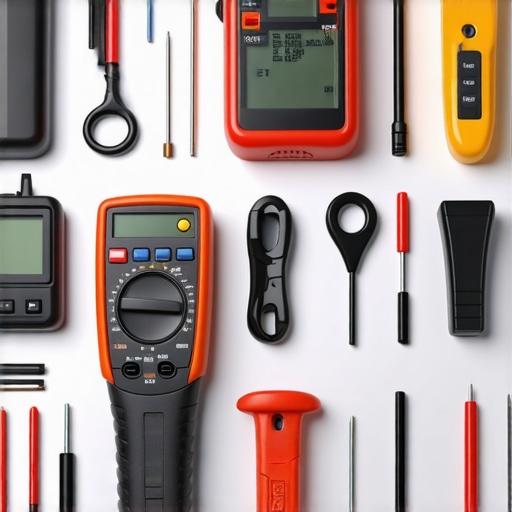
Image Description: A well-organized toolkit laid out on a workbench, including a multimeter, OBD-II scanner, coolant refractometer, and gap gauge—essential tools for proactive car maintenance.
Secrets Car Experts Won’t Tell You About Burning Smells
Over the years, I’ve learned that the elusive burning smell from your engine isn’t just a minor issue—it’s a beacon warning you of impending trouble. The lightbulb moment? Recognizing that smell early can save you hundreds, if not thousands, in repairs and ensure your safety. The real lesson is to trust your instincts; dismissing that scent can turn a simple fix into a roadside emergency.
Tools That Make Detecting Car Problems Second Nature
Investing in a quality OBD-II scanner and a digital multimeter transformed my approach to car care. These tools unveil hidden issues, from faulty sensors to electrical glitches, that often cause burning smells. They empower you to diagnose issues accurately and confidently, reducing reliance on guesswork and costly repairs.
Transform Your Maintenance Routine for Peace of Mind
Breaking free from reactive fixes involves establishing a steady maintenance rhythm. Regularly inspecting belts, hoses, and fluid levels with reliable tools prevents surprises. For example, checking your coolant with a refractometer can avoid engine overheating and the subsequent burnt coolant scent. Embrace these habits, and you’ll not only extend your vehicle’s lifespan but also gain peace of mind every time you turn the key.
Insider Wisdom to Take Your Car Care to the Next Level
- Don’t Ignore Small Signs: A faint burning smell after a long drive might seem trivial but can signify early-stage overheating or leaks. Address it promptly.
- Understand Your Vehicle’s Behavior: Knowing normal odors and sounds helps you distinguish between routine and alarming. For instance, a brief rubbery smell could be your belts tightening under strain—no cause for concern if it’s short-lived.
- Learn from the Pros: Spend time reading trusted resources or participating in forums. They offer invaluable insights, like recognizing the specific smell of overheated brake fluid versus oil leaks, avoiding costly misdiagnoses.
- Stay Ahead with Diagnostics: Regularly scan your car for error codes even when no warning lights are on. Awareness of internal issues—like sensor malfunctions—can prevent more serious damage.
Every car owner dreads that moment when a strange smell disrupts their drive, but with knowledge and the right tools, you can confront the issue head-on. Regular vigilance, coupled with proactive repairs, keeps your vehicle running smoothly and safely. Remember, your car’s health reflects your attention—so be attentive, and you’ll enjoy many miles of worry-free journeys.
Fuel Your Confidence with Trusted Resources
To build a solid foundation in auto care, I recommend checking out Glass Fix Auto’s guide on diagnosing misfires and engine troubles. Additionally, their articles on brake and transmission health offer practical insights that complement your routine checks. These resources have personally helped me navigate complex issues with clarity and confidence.
Detecting and addressing burning smells early transforms your relationship with your vehicle from reactive to preventive. This proactive mindset preserves your car’s performance, safety, and your peace of mind. Remember, you’re not alone in this journey; equipped with knowledge and the right tools, you can become the master of your car’s well-being.
What’s your biggest challenge when it comes to diagnosing smells or other unusual vehicle behaviors? Share your experiences below—I’d love to hear your story and help you troubleshoot!