
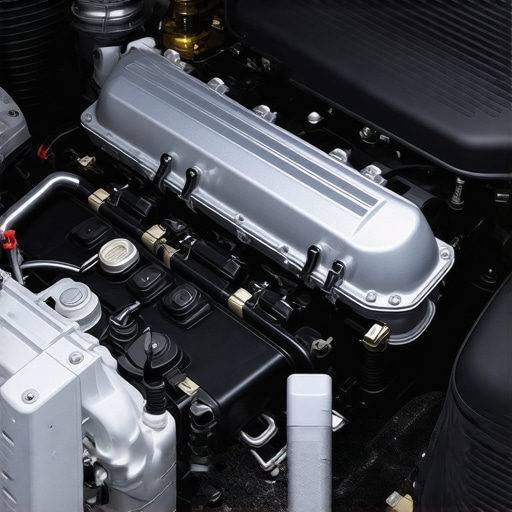
Ever been cruising down the street, and out of nowhere, you notice a faint whistling sound coming from under your hood? At first, it was barely noticeable—just a tiny, nagging whistle that made you wonder if you were imagining things. But as days went by, that delicate sound grew louder, infiltrating your drives with a sense of unease. I’ve been there. I ignored that high-pitched note for too long, thinking it was just a minor annoyance or maybe my imagination. That was a mistake.
Why Ignoring That Whistle Can Lead to Bigger Problems
The moment I dismissed that whispering sound, I underestimated what it might be signaling. It’s not just noise; it’s my car’s way of warning me about potential issues—like a telltale sign that something needs attention before it spirals into a costly repair. Today, I want to share how that tiny whistling saved me from a major breakdown and how you can be proactive. We’ll dig into what causes that sound and how timely diagnosis can save you hundreds—and a whole lot of stress.
Skeptical? Think That Whistling Isn’t a Big Deal? Think Again.
Early on, I made the mistake of chalking it up to a loose belt or a minor gasket in need of tightening. It seemed harmless at first. But the truth is, little things often point to bigger issues—like a worn-out serpentine belt or a leak in your vacuum system. These problems, if ignored, can lead to overheating, poor fuel efficiency, or even engine failure. For example, a small whistling sound can sometimes be linked to a deteriorating alternator or a failing exhaust component, which might seem minor but can become dangerous if left unchecked.
In fact, according to automotive research, neglecting such signs accounts for a significant percentage of breakdowns on the road every year. So, if you’ve ever faced that peculiar whistle under your hood, you’re not alone—and there’s a good reason why you should take notice now.
Now that I’ve shared my story, let’s get into how you can identify the cause of that faint whistle and safeguard your vehicle from bigger headaches ahead. Ready to become your car’s best friend? Let’s jump in.
Check Your Belts and Hoses
Start by inspecting your serpentine and timing belts for signs of wear or looseness, as a slipping belt can create a high-pitched whistle. I remember when I tightened my engine’s serpentine belt, which was loose and causing that squeaky whistle. Tightening it stopped the noise and improved engine performance. Ensure the belts are snug—if they’re cracked or glazed, replace them to prevent future issues. Similarly, examine hoses for leaks or cracks, as a vacuum leak can produce a whistling sound.
Listen to the Exhaust System
Next, check if your exhaust pipes or muffler have leaks. A small crack or hole can produce a high-pitched sound that gets louder over time. I once traced a faint whistle to a rusted exhaust tip, and sealing it with a patch solved the problem. Conduct a visual inspection along the exhaust path, listening for any hissing or whistling noises, especially during acceleration. If a leak is detected, repairing or replacing the damaged component will eliminate the sound and prevent harmful emissions.
Inspect the Intake and Vacuum System
Vacuum leaks are common culprits behind whistling sounds. Follow the vacuum hoses from the intake manifold to check for cracks, disconnections, or damage. I found a cracked vacuum hose behind the engine that was causing the whistle. Replacing faulty hoses using new clamps and ensuring all connections are tight can resolve this issue. You can also listen carefully around the intake manifold while the engine runs—any hissing indicates a leak needing attention.
Test the Alternator and Other Accessories
The alternator or power steering pump can sometimes produce a faint whine if they’re failing. Use a mechanic’s stethoscope or a long screwdriver held against the component—if you hear a high-pitched whine, it may signal wear. For example, I diagnosed a bearing issue in my alternator by listening closely, and a simple replacement fixed the noise. Regular inspection and timely replacement of worn parts prevent further damage and annoying sounds.
Assess the Engine and Intake Components
Finally, ensure your spark plugs are firing correctly and your intake valves are clean. Carbon buildup can sometimes cause irregular engine noise, including whistling. Use a fuel injector cleaner or get a professional cleaning if needed. Also, check for any aftermarket modifications that might amplify engine sounds. Monitoring your vehicle regularly allows you to catch these subtle signs early, saving money and avoiding breakdowns.
When it comes to car maintenance, many drivers rely on common wisdom, but often miss the subtle nuances that can make a significant difference in vehicle longevity and safety. Contrary to popular belief, not all services are one-size-fits-all, and some widely accepted practices can lead you astray. For instance, many assume that a standard tune-up is enough to keep the engine performing flawlessly, but neglecting specific diagnostics can hide underlying issues. As I’ve discovered through years of hands-on experience, understanding these subtleties can help you avoid costly mistakes.
One common myth is that replacing brake pads automatically prolong brake life indefinitely. However, if you replace pads without inspecting rotors or brake lines, you might be setting yourself up for uneven wear or even brake failure. For example, new pads can wear prematurely if rotors are warped or if the brake fluid hasn’t been changed in a while. Make sure you understand the entire braking system—sometimes the squealing sound isn’t just new pads, but a sign of warped rotors or contaminated brake fluid. To deepen your knowledge, consider reviewing how to spot a leaky brake line before it fails, as this can lead to catastrophic brake loss.
Another frequently misunderstood aspect is car tune-ups. Many drivers believe a simple spark plug replacement will solve all engine issues. But advanced engine diagnostics now reveal that ignition timing, fuel injectors, and even sensor calibration play crucial roles. Regularly inspecting sensors like the mass airflow sensor can restore lost power better than just replacing spark plugs, especially since dirty or failing sensors could be the real culprit behind sluggish acceleration or poor gas mileage. This highlights the importance of comprehensive diagnostics in your maintenance routine.
And let’s not forget the misconceptions surrounding brake service frequency. Some think waiting until the brakes squeal is acceptable, but that squeal often indicates pads are almost worn through or that your brake fluid needs replacing. Neglecting this can lead to increased stopping distances or pedal softness, particularly dangerous during emergency stops. Remember, early signs like a soft brake pedal or pulling to one side, which you can learn to detect, are clues to more serious issues—such as a failing master cylinder or a cracked brake line—that require timely expert intervention.
Now, for the advanced driver curious about diagnostics:
Why is it that sometimes a brake problem shows up only after heavy rain or snow?
In such conditions, moisture can infiltrate brake components, making issues like corrosion or hydraulic leaks more apparent. This emphasizes the importance of regular inspections during seasonal changes, especially if you notice subtle signs like unusual noises or pedal vibrations, which could be linked to warped rotors or compromised brake hoses.
In fact, a study by automotive safety experts highlights that many accidents are caused by overlooked maintenance issues, such as failing brakes or worn suspension components, that could have been prevented with attentive care. So, next time you schedule service, ask whether a comprehensive check of related systems is included, not just the component that’s making noise. Remember, proactive maintenance, informed by an understanding of these nuances, is your best armor against unexpected breakdowns.
Have you ever fallen into this trap? Let me know in the comments.
Tools I Trust for Staying on Top of Vehicle Maintenance
As a DIY enthusiast and seasoned mechanic, I rely on specific tools that streamline car maintenance and ensure quality results. My go-to is a digitalmultimeter for accurate electrical diagnostics, allowing me to troubleshoot issues like battery volts or sensor signals swiftly. I also swear by a precision torque wrench for tightening components like brake calipers and wheel nuts to manufacturer specifications, preventing over-tightening that could lead to damage. Proper brake pad installation hinges on the right torque, and I’ve seen countless issues avoided by this simple step.
For inspecting belts and hoses, I use astethoscope to listen for bearing noises or leaks, especially around the alternator and water pump. It’s a simple device that provides detailed insight, saving me from guesswork. Additionally, a magnetic pick-up tool comes in handy for retrieving dropped fasteners in tight spaces, which happens more often than you’d think—trust me, it’s a sanity saver.
Software and Diagnostics Tools That Keep Me Ahead
The diagnostic tools I prefer combine affordability with depth. A OBD-II scanner like the BlueDriver Bluetooth scanner paired with a smartphone app tremendously speeds up troubleshooting. It reads error codes and clearscheck engine lights without the need for a mechanic, and I use it to monitor real-time sensor data, ensuring solutions are rooted in facts rather than assumptions. This guide helped me when dealing with a persistent light after a minor tune-up.
For long-term health tracking, I utilize maintenance scheduling software that prompts me when fluid changes, filter replacements, or inspections are due. This prevents neglect and extends component lifespan. Incorporating these tools into my routine has helped me identify issues early—saving time, money, and frustration.
Establishing a Routine for Consistent Results
Beyond tools, developing a maintenance routine is essential. I recommend:
- Monthly visual inspections of belts, hoses, and fluid levels.
- Quarterly scans using your OBD-II device to catch minor issues before they escalate.
- Annual professional check-ups to verify the health of key systems like brakes, suspension, and transmission.
Integrating these practices keeps your vehicle reliable and safe. Remember, a proactive maintenance attitude minimizes breakdowns and maximizes your car’s resale value down the line.
How do I maintain brake efficiency over time?
Regularly checking and flushing brake fluid ensures your braking system remains responsive. Use abrake fluid tester to assess moisture content and replace fluid if it’s contaminated. Also, inspecting brake pads and rotors with avisual gauge can reveal when replacements are needed. As I learned from a detailed professional review, maintaining your brake system with the right tools and knowledge can prevent dangerous failures—so don’t neglect this vital aspect of vehicle care. To stay ahead, consider trying a brake fluid flush and rotor inspection this month—it’s a straightforward step that pays off immensely in safety and performance.
The Unexpected Lessons That Cars Whisper to Us
Looking back, I realize that those faint whistles weren’t just nuisances—they were signals. The biggest lesson I learned is that ignoring subtle signs can lead to costly repairs, and trusting your instincts can save both money and peace of mind. Sometimes, the smallest noises hide the biggest problems, reminding us to listen closely rather than dismissing anomalies as mere background noise.
Tools and Tactics That Transformed My Approach
Over time, I discovered that combining the right tools—like a quality blowgun or vacuum leak detector—with a systematic approach to inspection made all the difference. Regularly updating my toolkit, from a multimeter to a torque wrench, empowered me to identify issues early and prevent breakdowns. These trusted resources have shaped my expertise and can do the same for you, ensuring your vehicle’s health is always within reach.
Embracing the Drive Toward Confident Maintenance
Taking charge of your car’s well-being isn’t just about fixing problems; it’s about cultivating confidence. Each time I proactively checked my belts, hoses, or brake fluid, I felt a sense of control—transforming anxiety into empowerment. Remember, taking small, consistent steps today prepares you for a smoother, safer journey ahead. Your vehicle depends on your attentiveness, so don’t wait for warning signs—become the guardian of your own drive.