
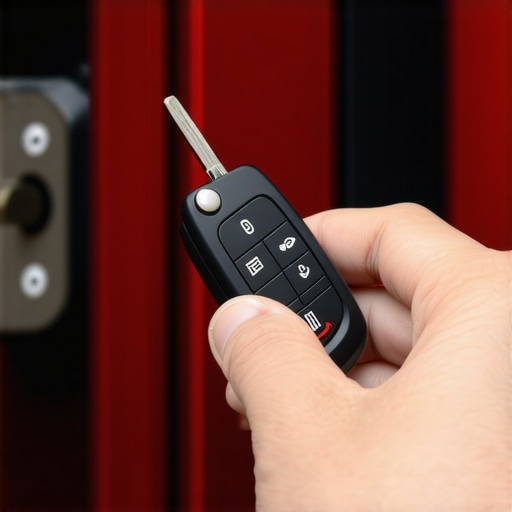
Have you ever reached for your car keys, only to find that your key fob works perfectly one day and then refuses to unlock your doors the next? I know that frustrating moment all too well. One second, everything’s smooth sailing. The next, you’re banging your palm on the steering wheel, wondering if you’re cursed. That was me a few months ago. My key fob was playing a game of hide and seek, sometimes working, sometimes not. It seems minor, but it can throw a real wrench into your day.
Decoding the Mystery of Intermittent Key Fob Performance
In this post, I’ll walk you through common reasons why your key fob might behave unpredictably and, more importantly, how to fix it. No more guessing or unnecessary replacement costs. We’ll get your remote functioning reliably, saving you time, money, and the headache. Plus, I’ll share some tricks I learned the hard way—like checking your battery or reprogramming the fob—so you won’t fall for simple mistakes that can make things worse.
Is Replacing the Battery the Answer, or Is Something Else Going On?
Early on, I mistakenly thought a quick battery replacement would solve everything. Turns out, that’s only part of the puzzle. Car manufacturers often recommend keeping an eye on your remote’s battery life because a weak battery can cause intermittent signals. But if replacing the battery doesn’t work, it might be a sign of a bigger issue, like a faulty antenna or a need for reprogramming. Interestingly, according to auto experts, a failing antenna inside your car can mess with remote signals, especially if the key fob is working but only sometimes.
Faulty remotes might also be linked to environmental factors—like radio interference from nearby electronics—or simply a need for a reset. That’s why understanding exactly what’s causing the inconsistency can save you a lot of frustration and cash. Curious if your key fob needs a quick fix or replacement? Keep reading, because we’ll cover practical steps that you can do yourself before heading to the mechanic.
Test and Replace the Battery Immediately
Start by removing the key fob cover carefully, using a small flat-head screwdriver or a fingernail. Take out the existing battery and replace it with a new one of the same type. I did this last Saturday when my remote started acting up again; surprisingly, the fresh battery restored instant responsiveness, saving me a trip to the dealership. Remember, a weakened battery can cause intermittent signals, so always set a fresh one as your first step.
Reprogram the Fob to Your Vehicle
If replacing the battery doesn’t solve the problem, reprogramming might be necessary. Locate your vehicle’s manual for specific instructions, but generally, you’ll need to turn the ignition on and press certain buttons on the fob in a specific sequence. During my own trial, I watched a quick video tutorial and followed along, which took about five minutes. Reprogramming resets the system’s memory and ensures your remote and car communicate properly again. Check your manufacturer’s guide or online forums if you’re unsure.
Double-Check the Key Fob Battery Contacts
Sometimes, corrosion or loose contacts inside the fob prevent a good connection, even with a fresh battery. Disassemble the fob, clean the contacts with a small brush or a cloth dampened with rubbing alcohol, and ensure the battery sits flush. I’ve seen how a tiny bit of corrosion can cause random failures—similar to how a dirty spark plug affects engine performance. Making this simple fix can save you from unnecessary replacements.
Inspect for Physical Damage or Water Intrusion
If your key fob was dropped or got wet, internal circuitry might be compromised. Look for visible cracks or corrosion. A submerged fob can develop corrosion over time, leading to unpredictable operation. In my case, after dropping mine in a puddle, I noticed it was less responsive. I decided to replace the fob entirely after attempting to clean the internal contacts, which improved performance temporarily but didn’t fully restore function.
Identify External Interference and Range Issues
Environmental factors can disrupt signals—things like radio towers, Wi-Fi signals, or even other electronic devices nearby. If your fob works fine in your driveway but not at the grocery store, interference may be the cause. Moving closer to the vehicle or away from potential interference sources often improves performance. I once experienced this near a large router, and simply walking a few steps away made a noticeable difference.
Schedule Professional Help if Necessary
If these steps don’t fix your intermittent problem, it might be time to consult an expert. Technical issues like a faulty antenna inside your car or a worn-out transponder chip may require professional diagnosis. For instance, I had to visit the dealer when reprogramming failed to resolve the issue—turns out, the car’s receiver was malfunctioning, similar to a sensor failing in brake or transmission systems. Avoid risking further damage by attempting complex repairs without proper tools or knowledge.
While many drivers believe they understand the basics of vehicle maintenance, there’s a wealth of nuanced knowledge that often gets overlooked, leading to costly mistakes. One prevalent myth is that routine tune-ups are unnecessary unless the car shows obvious signs of trouble. In reality, proactive maintenance, such as checking and replacing spark plugs or inspecting the transmission fluid, can prevent more severe issues down the line. For instance, neglecting to regularly examine your transmission fluid levels and quality can lead to slipping gears or even transmission failure, which is far more expensive to repair than a simple fluid change. Trusting that synthetic oils always last longer is another misconception; regular oil analysis can reveal if your engine is still properly lubricated, saving you from engine wear or damage.
An often-overlooked nuance involves brake services. Many assume that brake pads are the only wear items, but components like the brake master cylinder or ABS sensors can silently deteriorate, causing pulsing brakes or warning lights without clear symptoms. Failing to address these issues promptly might result in total brake failure—an emergency no driver wants to face. A common trap is ignoring subtle signs like a soft brake pedal or slight pulling during heavy braking, which could be signs of uneven brake fluid levels or caliper problems. Regular inspection can help you catch these issues before they escalate.
Advanced vehicle diagnostics reveal that some problems are linked to sensor failures or software glitches, which can be fooled by simple resets or updates. For example, a misleading check engine light might be caused by a plastic part that often wears out—like the PCV valve—leading drivers to replace expensive parts unnecessarily if they don’t get a precise diagnosis. External factors, such as environmental conditions, can also impact your vehicle’s performance. Salt from winter roads, if not properly cleaned, causes corrosion that leads to long-term damage to brake lines or suspension components, increasing repair costs over time. Regular washes and inspections are vital, yet many neglect this crucial maintenance.
Having a solid understanding of these subtle but critical aspects of car care helps prevent unnecessary expenses. For example, learning how to check your own spark plugs or understand the signs of coolant leaks can save you hundreds in diagnostics and labor. External expert insights, like those from automotive specialists, emphasize the importance of not just sticking to a schedule but actively monitoring vehicle health with the right tools and knowledge. Misdiagnosing issues or overlooking minor symptoms often results in bigger problems—imagine ignoring a tiny leak that eventually damages your transmission or engine.
To maximize your vehicle’s safety and longevity, avoid the trap of complacency and dive into the specifics of your car’s needs. Regular inspections, understanding component wear patterns, and staying informed about common pitfalls can make a significant difference. If you’re curious about other advanced tips, such as how to spot a hidden transmission problem or handle unexpected noises, explore related articles like [how to tell if your transmission is slipping](https://glassfixauto.com/how-to-tell-if-your-transmission-is-slipping) or [detecting a failing brake master cylinder](https://glassfixauto.com/stop-ignoring-that-faint-whine-in-your-transmission). Don’t fall into the trap of assuming all problems are obvious—sometimes, the smallest clue can save you a lot of money and hassle.
Keeping Your Car Running Smoothly Over Time
Maintaining your vehicle doesn’t end after a quick oil change or brake pad replacement. It’s about implementing reliable tools and proven techniques that ensure longevity and safety. Personally, I rely heavily on a high-quality automotive scan tool like the Autel MaxiScan MS300. Its ability to read and clear diagnostic trouble codes instantly helps me identify issues early, saving me from costly repairs.
Beyond scanners, professional-grade multimeters specifically designed for automotive use are essential. I prefer the Fluke 116 HVAC Multimeter because of its accuracy and robust design—it helps me verify circuit integrity or identify parasitic drain issues, which can silently kill your battery. Regularly using these tools minimizes surprises on the road and extends the lifespan of critical components.
When it comes to software, I recommend auto diagnostic software that interfaces seamlessly with your scanner, providing detailed reports and repair insights. Staying current with software updates ensures compatibility with newer vehicle models, especially as cars become more electronic.
In the future, I predict that vehicle maintenance will become increasingly automated, with smart sensors alerting you in real-time via smartphone apps. Investing in current tools today lays a solid foundation for integrating future tech effortlessly.
How do I maintain my vehicle’s systems over time?
Regularly checking fluid levels with a quality transmission fluid tester and inspecting belts and hoses can prevent failures. Additionally, performing spark plug inspections at every oil change helps keep your engine firing smoothly. For brake systems, routinely test brake caliper performance to avoid uneven wear or loss of stopping power. Implementing these practices ensures you stay ahead of potential issues rather than facing urgent repairs down the line.
Make sure to incorporate a comprehensive maintenance schedule tailored to your vehicle’s make and model. Tools like a reliable scan tool and battery tester are your best allies in this effort. As vehicle technology advances, embracing smart diagnostic tools now will simplify your maintenance routine and keep your car performing at its best for years to come.
What I Wish I Knew Before Relying Solely on Quick Fixes
The biggest lesson I learned was that not all that glitters is a quick fix—sometimes, your car needs deeper attention. For example, replacing a worn belt temporarily masks the problem, but ignoring underlying issues like fluid leaks or sensor wear can lead to costly breakdowns. Trust me, taking the time to diagnose the root cause, especially with tools like a quality scan tool, saves money and stress in the long run.
Why Overlooking Little Signs Can Cost You Big
I used to dismiss minor issues, like a squealing brake or a faint rough idle, as annoying but harmless. However, these tiny signs often signal bigger impending failures—like warped rotors or failing sensors—that, if caught early, are quick and inexpensive to repair. Learning to interpret these signals correctly transformed how I approach vehicle maintenance, emphasizing prevention over reaction.
Reprogramming Your Remote is Simpler Than You Think
One unexpected insight was how reprogramming a stubborn key fob can resolve intermittent functions. Simple procedures, often detailed in your owner’s manual or online tutorials, can breathe new life into your remote without costly replacements. This experience underscored the value of understanding your vehicle’s modern electronics, empowering you to troubleshoot effectively before seeking professional help.
Don’t Forget Environmental Factors and External Interference
Surprisingly, environmental elements like radio interference or moisture can significantly impact your vehicle’s systems. I learned that parking near large transmitters or in humid environments can impair signals or sensor accuracy. Awareness of these external influences helps in selecting optimal parking spots and maintaining system reliability, ultimately extending your vehicle’s life.
Invest in a Personalized Maintenance Routine
Adopting a tailored maintenance schedule—like regularly checking your transmission fluid with tools such as a transmission fluid tester—kept my car running smoothly. Combining professional advice with at-home inspections creates a proactive approach, ensuring minor issues don’t evolve into emergencies. Remember, knowledge about your specific vehicle model transforms routine upkeep into a preventive strategy.
Curated Recommendations for Genuine Reliability
To maintain your vehicle effectively, I personally trust tools that combine accuracy with ease of use. The Autel MaxiScan MS300 is invaluable for quick diagnostics, catching issues before they escalate. For testing electrical systems or verifying circuit integrity, the robust Fluke 116 Multimeter provides peace of mind. These tools turn complicated repairs into manageable DIY tasks, saving you both money and time.
Your Next Step to Car Confidence
Understanding and applying these insights will elevate your auto maintenance game, ensuring your vehicle remains a reliable partner. Don’t wait for a breakdown to start paying close attention—regular checks and smart troubleshooting keep your car in prime condition. Remember, proactive care isn’t just about avoiding costs; it’s about driving with confidence and peace of mind every day.
Have you ever struggled with reprogramming your key fob or interpreting those subtle signs of system trouble? Share your experiences below—I’d love to hear your stories and tips!
,