
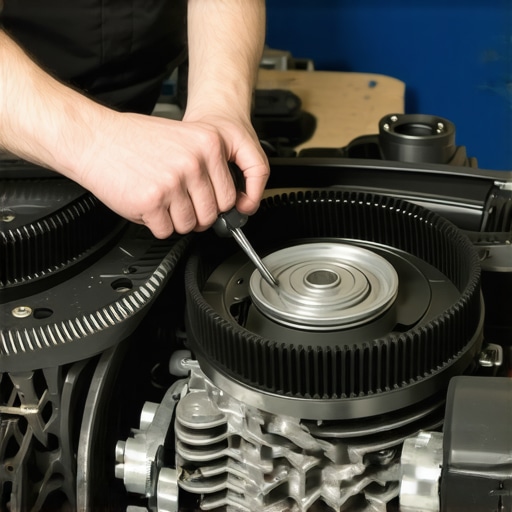
It was late afternoon, and I was just about to head out when I heard it—the unmistakable squeal coming from my engine bay. I’ve dealt with my fair share of car woes, but that high-pitched squeak every time I started the engine has always driven me a little crazy. It suddenly dawned on me, “Why is this happening again?” and more importantly, “Can I fix this myself without a trip to the mechanic?”
That moment of frustration sparked a little lightbulb in my head. I realized that squeaky fan belts are a common nuisance, but the good news is, they’re often an easy fix. If you’re tired of that annoying squeal echoing through your garage or driveway, stay tuned. Today, I promise to share a simple trick that will help eliminate that squeak and keep your engine running smoothly—without costing you a fortune in repairs.
The Secret to Quieter, Happier Engine Sounds
The first step is understanding why fan belts squeal in the first place. Over time, belts can become loose, worn, or glazed with oil or dirt, which causes them to slip on pulleys. This slipping creates that high-pitched squealing that makes you want to cover your ears—trust me, I’ve been there. The good news? Most of these issues are straightforward to fix, and just a little bit of maintenance can make a world of difference.
Before jumping to changing belts or spending big bucks, I want to share a tip I discovered early on—an easy way to tighten or restore those belts that often does the trick. Sometimes, simply tightening the belt can stop the squeal in its tracks. If that doesn’t do the job, cleaning the belt and pulleys can make a surprising difference. I learned this lesson after one careless attempt to replace an entire belt set, which was unnecessary at the time—so don’t make that same mistake! For more on common auto repair pitfalls, check out this guide on misfire fixes.
Is a noisy fan belt really worth the hype?
I admit it; I used to dismiss squeaky belts as a minor annoyance. I thought, “It’ll go away on its own,” or worse, that I’d need a costly belt replacement. Turns out, many times, a simple adjustment or cleaning can restore quiet operation. Early on, I made the mistake of ignoring the squeal, which sometimes led to more serious problems, like belt failure or damage to pulleys. Don’t fall into that trap. Addressing the noise early saves time, money, and the headache of unexpected breakdowns. If you’re tired of the squeal, I’ll guide you through the exact steps I took to fix my fan belt, so you can do it yourself and avoid those costly repairs. Ready to regain peace and quiet under your hood? Let’s dive into the quick, effective remedies that made my engine run silent again.
Start with a Visual Inspection of the Belt
Pull the hood latch and locate the serpentine belt—a wide, rubber loop wrapping around pulleys. Check for visible cracks, glazing (shiny spots), or fraying—these signs mean replacement is near. During my own garage day, I took five minutes to remove the protective cover and got a clear look at the belt’s condition. It was cracked but still attached properly—an indicator that simple tightening might suffice before replacing.
Loosen the Belt for Better Control
Identify the tensioner pulley—usually a spring-loaded wheel that keeps tension on the belt. Use a socket wrench on the tensioner bolt to gently rotate it, relieving tension. This creates slack, allowing you to access the belt easily. In my case, I used a ratchet and a breaker bar, gently moving the tensioner to the side—not forcing it—so I could slide the belt off smoothly. This step prevents damage and makes subsequent adjustments safer.
Adjust or Tighten the Belt
If the belt appears loose, tighten it by repositioning the tensioner or adjusting the mounting bracket if applicable. For most cars, tightening involves rotating the tensioner to add tension, then securing it with the locking bolt. Think of it like tightening the strap of a backpack—you want snug but not overly tight. During my fix, I found that gently rotating the tensioner clockwise increased tension just enough to stop the squeal. Remember: over-tightening can strain other components, so proceed cautiously.
Replace or Reinstall the Belt Carefully
Once tension is set, slide the belt back onto the pulleys, ensuring it seats properly in all grooves. Double-check alignment—an off-centered belt will squeal again. During my DIY, I repositioned the belt, verifying it sits flush in each pulley’s groove. If the belt is damaged, replace it with a compatible, high-quality replacement—don’t reuse old, cracked belts. Proper installation ensures longevity and quiet performance.
Lubricate Pulleys and Reset the Tensioner
Apply a small amount of belt dressing or conditioner if necessary—this can improve grip temporarily—but replace worn belts soon. Also, make sure pulleys spin freely without wobbling. During my troubleshooting, I spun pulleys by hand to check for roughness or wobble, indicating bearing wear. Reset the tensioner by releasing the wrench, allowing it to apply proper tension, then tighten its bolt. This step ensures your belt remains tight and quiet during engine operation.
Test the Fix Under the Hood
Start the engine and observe the belt’s operation. Listen for squealing sounds and visually confirm it runs smoothly without slipping. In my case, I started the engine, revved it a few times, and confirmed the squeal was gone. If noise persists, double-check tension and pulley conditions. Remember, a squeaky belt often indicates it’s time for a replacement—so keep an eye on it to prevent future failures.
For more tips on auto repairs and common issues, visit how to revive squeaky windshield wipers.
Many car owners believe that routine services like brake work and tune-ups are straightforward, but this oversimplification can lead to costly mistakes. A prevalent misconception is that all brake pads wear evenly and can be replaced solely based on appearance or mileage estimates. However, factors like driving habits, road conditions, and even the design of specific brake components influence wear patterns—some of which aren’t visible to the naked eye. For instance, uneven brake pad wear can cause vibration and reduce braking efficiency, but many drivers overlook this until it’s too late. To truly understand your vehicle’s needs, it’s essential to dig into the finer details and not just rely on general rules; for more on this, check out this brake maintenance guide.
Another common myth surrounds the idea that small issues, like a slight soft brake pedal or a faint squeal, are always harmless or temporary. This false sense of security can be dangerous because these symptoms often indicate underlying problems—such as deteriorating brake fluid, warped rotors, or worn-out calipers—that worsen over time. Ignoring these signs is a classic trap, leading to emergency repairs or accidents. Regular expert inspections are vital to catch these issues early.
Understanding the nuance of auto repair also involves recognizing the limits of one-size-fits-all solutions. For example, many assume that synthetic oils always outperform conventional ones, yet the real benefits depend on driving style and vehicle history. A prolonged use of synthetic oil might be unnecessary for short-distance city driving but crucial for high-performance engines under heavy load. It’s the same with tune-ups; repeatedly replacing spark plugs without inspecting or testing other ignition components can be ineffective. Instead, adopting a comprehensive diagnostic approach provides better long-term savings and vehicle health. For insight into this, see this expert take on spark plug replacements.
But what about those advanced questions? How can you tell if a suspension component is on the brink without costly lifts or specialized tools? An often overlooked tip is to pay attention to subtle steering feedback, especially during curves or uneven terrain—those tiny clues can reveal worn bushings or shocks, saving money in the long run. Studies by automotive experts highlight that early signs of suspension failure are often dismissed as normal vibrations, which is a mistake. Addressing these issues promptly maintains safety and ride quality.
Have you ever fallen into this trap? Let me know in the comments. The key takeaway is that auto repairs are nuanced, and understanding the underlying intricacies helps avoid costly pitfalls and ensures your vehicle remains reliable and safe for miles to come.
Investing in Reliable Tools for Auto Care
When it comes to maintaining your vehicle over the years, having the right tools can make all the difference. I personally swear by a high-quality digital multimeter. Not only does it help me troubleshoot electrical issues like faulty sensors or wiring problems, but it also extends the lifespan of components by allowing precise diagnostics. Don’t settle for generic models; opt for a multimeter with auto-ranging capabilities and durable probes, like the Fluke 114, which I’ve found incredibly reliable for automotive tasks.
Another essential piece of equipment I rely on is a torque wrench. Proper tightening prevents loose belts or fasteners that can lead to bigger problems down the line. I prefer a click-type torque wrench with clearly marked settings, so I can torque components like axle nuts or cylinder head bolts to manufacturer specifications, ensuring safety and longevity. Regularly calibrating this tool keeps my repairs accurate and prevents over-tightening that could damage parts.
Implementing Effective Software for Preventative Maintenance
Beyond physical tools, I utilize diagnostic software such as Autel or OBD-II scanners like BlueDriver to monitor my vehicle’s health continuously. These tools connect via Bluetooth to my smartphone, providing real-time data on engine performance, transmission status, and emission systems. This proactive approach alerts me to issues before they become costly repairs. For instance, catching a pending check engine light early allows for quick fixes that prevent further damage.
Developing a Routine for Long-Term Car Wellness
Consistent maintenance scheduling is vital. I adhere to a monthly checklist that includes inspecting belts, checking fluid levels, and testing battery voltage. Using digital tools to log these checks helps me track any patterns and plan timely replacements. Over time, I’ve noticed that maintaining proper braking system health and replacing worn components early considerably reduces emergency repairs and extends engine life.
How do I keep my vehicle running smoothly over the years?
The secret lies in embracing both the right technology and consistent, attentive maintenance. Investing in quality diagnostic tools and following a disciplined routine has saved me hundreds by avoiding unnecessary repairs and improving fuel efficiency. As vehicle complexity increases, so does the benefit of modern diagnostic software. I recommend trying out an OBD-II scanner with advanced features—like the BlueDriver—to start gaining better control over your car’s health today. Taking these steps now ensures your vehicle remains dependable for many miles to come, and you’ll be the one confidently handling future hiccups with ease.
The Hidden Lessons Behind Sounding Confident in Auto Repairs
Through my experiences, I’ve learned that the real key to maintaining a vehicle isn’t just the quick fixes, but understanding the deeper mechanics and trusting your instincts. One lightbulb moment was realizing that the squeal of a fan belt might seem minor but often signals underlying issues that, if ignored, compound over time. This insight has taught me to listen carefully, address early warning signs, and avoid costly repairs down the line. Personal stories of trial, error, and eventual mastery form the heart of my advice; for example, the time I neglected a loose fan belt and ended up replacing the serpentine belt weeks later—an unnecessary expense I could have avoided with a simple check. Learning to differentiate between a minor squeal and a developing problem empowers you, the owner, to take proactive steps rather than reactive fixes.
The Gear That Changed My Approach to Vehicle Longevity
Over time, I’ve discovered that investing in quality diagnostic tools like a reliable OBD-II scanner and a calibrated torque wrench can significantly extend your vehicle’s lifespan. These tools have transformed my perspective from hopeful guesswork to informed decision-making. For example, diagnosing a subtle transmission slip early with software prevented a full rebuild, saving both money and stress. I also trust books like expert guides on brake maintenance that deepen my understanding beyond surface-level fixes. Building a curated toolkit tailored to your car’s needs not only boosts confidence but turns auto repair from a daunting task into a manageable, even enjoyable, routine.
The Heart of Good Car Care: Embrace Your Inner Technician
The journey to reliable, squeak-free driving involves more than just tools—it’s about cultivating a proactive mindset. Starting with regular inspections, keeping detailed logs, and staying curious about your vehicle’s behavior fosters a relationship of trust and competence. I’ve found that addressing issues like uneven brake wear or suspension wobble early prevents accidents or breakdowns. Remember, your vehicle isn’t just transportation; it’s a complex machine that rewards attentive care. Inspired by this, I challenge you to schedule that routine check or learn a simple maintenance task like checking your spark plugs. Every small step takes you closer to confident, safe driving. The future of auto care is not distant; it’s in your hands—are you ready to pick up the tools and embrace the journey?