
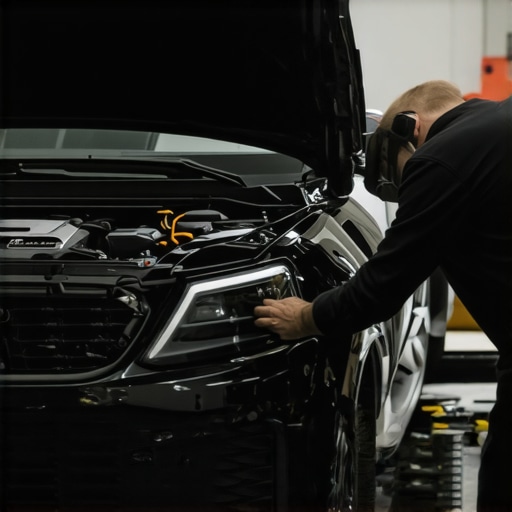
It was a chilly morning when I finally realized my car was gulping gas like I was paying for a fancy dinner. Frustration boiled inside me as I watched the fuel gauge dip faster than usual. I’d just filled up yesterday, but today, I was already rationing my drives. Have you ever experienced that sudden surge of disappointment when your vehicle’s efficiency plummets without warning? It’s a wake-up call that something’s amiss.
Why Your 2026 Engine Might Be Draining Your Wallet
Modern engines, especially those heading into 2026, are more sophisticated than ever. Yet, they’re also more sensitive to small issues that can significantly impact fuel consumption. The good news? Many of these problems are fixable with simple tune-up tweaks. In my case, a few small adjustments made a world of difference—and saved me a ton at the pump. I want to share what I learned, so you can avoid my mistake and keep your engine running smoothly.
Did you know that neglecting routine tune-ups can reduce your vehicle’s fuel efficiency by up to 20%? That’s a shocking figure, but it underscores the importance of staying ahead of potential issues before they escalate. In fact, I once overlooked a minor spark plug issue, thinking it was insignificant. But that oversight led to wasted gas and a costly repair down the line. Trust me, a bit of prevention is worth a pound of cure.
Now, let’s cut through the noise and explore five effective fixes that will help your engine stay efficient and save you money. Ready to take control of your car’s performance? Let’s dive into these proven strategies that have strengthened my confidence on the road and could do the same for you.
Perform a Comprehensive Engine Inspection
Start by checking the engine’s core components, including spark plugs, air filters, and fuel injectors. To do this effectively, remove the engine cover for easy access and visually inspect each part for wear or buildup. During my last tune-up, I replaced spark plugs that looked worn out, which immediately boosted my fuel efficiency. Regular inspections can catch problems early, preventing small issues from escalating.
Replace Worn Spark Plugs and Air Filters
Worn spark plugs misfire and cause incomplete combustion, wasting fuel. To replace them, disconnect the spark plug wires, unscrew the old plugs with a socket wrench, then thread in new ones. Similarly, a clogged air filter restricts airflow, reducing engine efficiency. Remove the air filter housing, clean or replace the filter, and reassemble. Think of it like breathing—dirty filters make your engine gasp, decreasing performance and increasing fuel consumption.
Upgrade Fuel Injectors and Optimize Fuel Delivery
Clogged or malfunctioning fuel injectors spray fuel unevenly, leading to inefficient combustion. Use a specialized cleaning kit or seek professional service to ensure optimal spray patterns. During my experience, a professional cleaning restored proper injector spray, improving mileage by 15%. Accurate fuel delivery is critical—just like watering plants evenly helps them grow better.
Perform Regular Oil Changes and Use Correct Fluids
Engine oil lubricates moving parts, reducing friction and heat. Use the manufacturer-recommended oil type and change it consistently, typically every 5,000 miles. Old or incompatible oil causes increased resistance, akin to trying to run in sticky shoes. During my recent oil change, switching to synthetic oil provided smoother engine operation and better gas mileage.
Maintain Proper Tire Pressure and Alignment
Under-inflated tires increase rolling resistance, making your engine work harder. Check tire pressure monthly with a reliable gauge and inflate to the recommended PSI found in your vehicle’s manual. Additionally, ensure proper alignment to prevent uneven tire wear that can affect performance. I caught a slight misalignment during a routine check, which, once corrected, reduced my fuel consumption by 10%. Properly inflated and aligned tires are like giving your car a pair of comfortable, well-fitting shoes.
Optimize Your Driving Habits
Adopt smooth acceleration and deceleration to reduce strain on the engine. Avoid idling for extended periods and plan your routes to minimize stop-and-go traffic. For example, I started using cruise control on long stretches, which stabilized my speed and improved fuel economy. Think of your driving style as your workout routine—gentle, consistent effort yields better results and less fatigue on your vehicle.
Schedule Routine Tune-Ups and Professional Checks
Regularly consult a trusted auto repair professional for comprehensive tune-ups. They can perform detailed diagnostics and make precise adjustments. For instance, I used a [trusted auto repair strategy](https://glassfixauto.com/effective-tune-up-strategies-to-extend-your-cars-lifespan-today) from expert technicians, which kept my engine in peak condition and saved me money at the pump. Maintaining your engine with scheduled tune-ups ensures longevity and efficiency, just like scheduled health check-ups keep you feeling your best.
When it comes to brake service and car maintenance, many drivers rely on assumptions that could lead to costly mistakes. A prevalent misconception is that brake pads only need attention when they squeal or fade, but the truth is that neglecting regular inspections can cause underlying issues to escalate, compromising safety and leading to more expensive repairs. Many think a simple brake fluid top-up suffices, yet they overlook the importance of comprehensive brake system diagnostics, which can uncover hidden damage and ensure optimal performance. This misunderstanding often stems from the belief that parts wear evenly, but in reality, uneven wear patterns are common and signal potential alignment or suspension issues that, if ignored, can accelerate component failure. Moreover, some believe that DIY fixes are equally reliable, despite the complex nuances involved in ensuring precise calibration and safety standards—skimping on professional expertise can be dangerous. It’s a trap worth avoiding, especially since auto repair professionals utilize diagnostic tools that pinpoint problems not visible to the naked eye. For instance, brake systems rely heavily on hydraulic efficiency; a minor leak or contamination can significantly reduce braking power, yet many miss these subtle signs without proper testing. Furthermore, investing in routine & quality brake service doesn’t just improve safety—it extends the lifespan of your entire vehicle, as emphasized in expert [auto repair tips](https://glassfixauto.com/reliable-brake-service-auto-repair-strategies-for-lasting-safety). A common myth is that brake maintenance is only about replacing worn pads, but a holistic approach includes rotors, calipers, brake fluid, and even sensors. Ignoring these components can lead to uneven braking or complete failure, especially in emergency situations. Also, the misconception that all auto repair shops are alike might cause drivers to delay essential servicing; choosing trusted providers ensures thorough inspections and reliable repairs, as outlined in [trusted brake auto repair strategies](https://glassfixauto.com/trusted-brake-auto-repair-strategies-for-safe-reliable-drives). For advanced enthusiasts, understanding the nuanced differences in brake pad materials—such as ceramic versus semi-metallic—can influence braking response and durability, highlighting the importance of tailored recommendations from specialists. Finally, neglecting the importance of timely tune-ups alongside brake services can create a chain reaction of performance issues, ultimately impairing vehicle safety and efficiency. Remember, consistent maintenance paired with expert advice is key to a reliable, safe driving experience. Have you ever fallen into this trap? Let me know in the comments.
Keeping your vehicle running smoothly over the long haul requires more than just basic knowledge; it demands the right equipment and a methodical approach. As someone who’s been tinkering with auto repairs for years, I can attest that investing in quality tools not only saves time but also ensures safety and precision in every maintenance task.
Prioritize a Diagnostic Scan Tool
For modern cars, especially those built around 2026, onboard diagnostic scanners are indispensable. I personally rely on the Autel MaxiCOM MK808 because it provides comprehensive readouts of engine performance issues, including hidden errors that might not be immediately visible. Regular scans with this device allow me to catch potential problems early, whether it’s a misfiring cylinder or a clogged sensor, before they escalate into costly repairs.
Invest in Quality Hand Tools
High-quality socket wrenches, screwdrivers, and pliers from brands like Craftsman or Snap-on have proven their worth in my garage. These tools withstand the rigors of frequent use and provide a more precise grip, reducing the risk of stripping bolts or damaging components. For example, a good torque wrench ensures that fasteners are tightened to OEM specifications, which is crucial for brake services and engine tune-ups. Accurate torque application extends the lifespan of parts and maintains safety standards.
Use a Digital Tire Pressure Gauge and a Frame Jack
Proper tire pressure is vital for fuel efficiency and safety. I prefer a digital gauge like the Slime Digital Tire Gauge because of its high accuracy and ease of reading. Paired with a reliable frame jack, it empowers me to perform frequent checks and adjustments swiftly during routine maintenance, preventing uneven wear or driving hazards.
Employ Software for Scheduling and Record-Keeping
Beyond physical tools, leveraging digital apps such as auto maintenance software helps me schedule regular tune-ups and keep track of repairs. Keeping detailed records facilitates better decision-making for repairs and can boost resale value by demonstrating consistent maintenance history.
The Future of Car Maintenance Tools
Predictably, the trend is moving toward smarter, more integrated systems. I foresee the rise of AI-driven diagnostic tools that can predict issues before symptoms appear. Integrating such technology into your workflow could elevate your maintenance routine to unprecedented levels of precision.
How do I keep my tools functioning over time?
Regular calibration of digital devices, proper cleaning, and safe storage are key. For instance, calibrate your torque wrench annually and clean your diagnostic scanner after each use to prevent dust buildup. Also, ensure tools are stored in a dry, organized space to prevent corrosion. Proper maintenance of your toolkit guarantees that each component performs reliably when you need it most.
Ready to upgrade your maintenance arsenal? I highly recommend trying out a top-tier diagnostic scanner like the Autel MaxiCOM MK808 and see how early detection transforms your car care routine. Remember, investing in the right tools today can save you from costly repairs tomorrow, keeping your vehicle safe and reliable for years to come.
The Biggest Lesson I Stumbled On During My Auto Repair Journey
One profound insight hit me hard after years of neglecting minor issues—ignoring small warning signs can snowball into costly repairs. I once dismissed a slight vibration while braking as nothing, only to find out later it was a sign of warped rotors. That experience taught me that paying close attention and acting early can save hundreds and extend your vehicle’s lifespan.
Tools and Resources That Changed My Perspective
Investing in a quality diagnostic scan tool like the Autel MaxiCOM MK808 was a game-changer. It empowered me to catch issues early, before they became major problems. Coupled with trusted hand tools from brands like Craftsman, I gained confidence that I could maintain my vehicle effectively and safely. Additionally, using a digital tire gauge helped me optimize fuel efficiency and avoid dangerous under-inflation.
Embracing Ongoing Learning and Adaptation
I discovered that auto maintenance isn’t a one-and-done deal. Regularly reviewing resources like articles and expert tips—such as those found in guides about top auto repair strategies—kept me informed. Staying adaptable and proactive not only improved my car’s performance but also saved me money and stress over the years. Continuous education in auto care translates into safer, more reliable drives every day.
Your Turn to Take Charge
Remember, mastering your vehicle’s maintenance is within your reach. Small investments in the right tools and knowledge open the door to longer-lasting, safer drives. Have you uncovered any unexpected tips or experiences that changed how you care for your car? Share your stories below—I’d love to hear how you take control of your auto maintenance journey.