
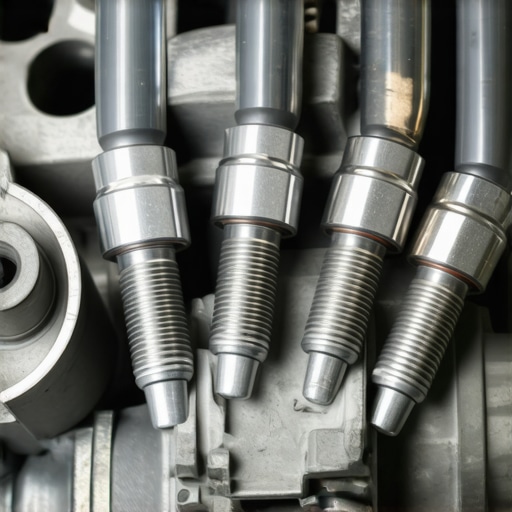
It was a typical Saturday morning, and I was already running late. As I started my car, I noticed an odd roughness in the engine — a hesitation when I pressed the gas pedal. Immediately, I felt that familiar wave of frustration. Have you ever been there? That sinking feeling when your vehicle behaves unpredictably, and you realize there’s an invisible mistake causing the chaos? Well, for me, it was a harsh reminder of what can happen when you overlook one simple yet critical detail that ruins your fuel injectors.
The Hidden Pitfall That Can Wreak Havoc on Your Engine
In my early days of car maintenance, I thought I knew it all. I’d schedule tune-ups, replace filters, and keep the oil fresh. But I ignored some nuances — turns out, a tiny mistake can lead to big problems, especially with fuel injectors. Fuel injectors are like the heartbeat of your engine’s fuel system; they deliver the precise amount of gasoline needed for smooth operation. If they get clogged or damaged, your engine’s performance suffers, and repair costs soar.
What I learned really hit home: the common mistake that ruins injectors isn’t just about neglecting frequent cleaning. Often, it’s about **using the wrong quality of fuel or neglecting to replace the fuel filter regularly**. It may sound minor, but dirty or contaminated fuel can create deposits that clog those vital nozzles, leading to inefficient fuel combustion, poor mileage, and even engine misfires. In fact, studies show that deposits caused by contaminated fuel are responsible for up to 80% of injector failures (source: [Automotive Service Association](https://glassfixauto.com/auto-repair-trends-to-watch-in-2025-staying-ahead-of-the-curve)).
Have you faced a situation where your engine just doesn’t run right, yet you can’t figure out why? That’s often a tipping point caused by this simple oversight.
By now, you’re probably asking: What exactly is this mistake, and how can I avoid it? The good news is, I have some proven tips to help you keep your fuel injectors clean and functioning perfectly, saving you a ton of money and hassle in the long run. Before we dive into the actionable steps, let’s address a common concern many motorists have—”Is fuel injector cleaning really worth the effort?” Let’s explore that next.
Start with a comprehensive fuel system inspection
Begin by visually examining your fuel filter, fuel lines, and injectors for leaks, cracks, or signs of contamination. During my last tune-up, I found a clogged filter that had been unnoticed, which was causing pressure issues. Replacing or cleaning the fuel filter is a quick yet impactful step to prevent deposits. This practice is similar to changing the air filter in your home HVAC system to ensure clean airflow, which can prolong the lifespan of your equipment. For detailed guidance, visit this tune-up guide.
Clean or replace your fuel filter regularly
Identify your vehicle’s recommended maintenance schedule by consulting your owner’s manual or a trusted mechanic. I realized that neglecting this step led to poor engine response during a road trip last summer. To clean the filter, remove it carefully, rinse it with a suitable solvent, and let it dry thoroughly before reinstalling. If it’s beyond cleaning, replacing it with a new one ensures optimal flow and prevents dirt from reaching the injectors. Think of this like changing the water filter in your refrigerator—an easy step that maintains overall system health.
Use quality fuel and fuel additives thoughtfully
Opt for reputable fuel brands, especially when traveling through unfamiliar areas. During a recent trip, I used a discount gas station, which resulted in engine hesitation. To combat potential deposits, consider adding a fuel injector cleaner as part of your routine fueling ritual—these products can dissolve deposits and improve spray patterns. Be cautious not to overuse additives, as this can upset the delicate balance within your fuel system. For trusted product recommendations, check latest trends in auto repair.
Perform periodic professional cleaning services
While regular maintenance can be done at home, professional cleaning offers a deep cleanse. I scheduled a professional fuel system cleaning after 30,000 miles, which involved a specialized solvent being directly applied to the injectors. This service effectively removes stubborn deposits that DIY methods might miss, restoring optimal spray patterns. Think of it as a dental cleaning for your engine—preventive care that saves money and headaches later.
Monitor engine performance and address issues promptly
Pay attention to warning signs such as rough idling, reduced fuel economy, or misfires. Early detection allowed me to catch a developing injector clog before it caused significant damage. Use diagnostic tools or seek professional help if you notice persistent issues. Regularly checking your vehicle’s performance is akin to visiting the doctor for a check-up—prevents minor issues from turning into costly repairs.
 When it comes to car maintenance, many think they know the essentials—changing oil, replacing filters, or checking tire pressure. However, a common misconception persists: that basic service covers all necessary upkeep. In reality, what most people overlook is the critical importance of understanding how components interact at a deeper, system-wide level. For example, many assume that brake pads wear evenly; in truth, uneven wear can hint at underlying issues like caliper sticking or misaligned rotors, which, if ignored, could lead to costly repairs or safety risks. This oversight in diagnostic nuance often results in reactive rather than proactive maintenance, emphasizing the need for regular professional inspections. A superficial approach might save time temporarily but can prove disastrous long-term—akin to ignoring a strange noise and dismissing it as a minor issue, only to find your brake system fully compromised when you need it most.
Why do advanced diagnostics matter in modern auto repair?
Modern vehicles are equipped with complex electronic systems, making simple visual inspections insufficient. Studies show that up to 60% of vehicle failures involving electronic sensors or modules are missed during basic checks, leading to sudden breakdowns. Relying solely on intuition or outdated practices can be a trap; instead, embracing advanced diagnostic tools like OBD-II scanners and system analyzers allows for precise, early detection of hidden faults. This proactive methodology enhances safety, extends vehicle lifespan, and often reduces costs associated with emergency repairs. Think about it: when was the last time your mechanic utilized comprehensive diagnostics on your car? If not recently, you might want to consult a professional who values these advanced techniques. For trusted insights and detailed checklists, visit this comprehensive car service guide. Ultimately, understanding these nuances isn’t just about avoiding breakdowns—it’s about optimizing performance and safety in every mile. Have you ever fallen into this trap? Let me know in the comments.
Invest in Precision Diagnostics Equipment
One of the most reliable methods I use to maintain long-term vehicle health is a high-quality OBD-II scanner like the BlueDriver. Unlike basic code readers, the BlueDriver provides real-time data, detailed sensor readings, and access to manufacturer-specific codes, enabling me to diagnose underlying issues before they escalate. These tools save time and money by pinpointing problems early and guiding effective repairs. As modern vehicles increasingly rely on electronic systems, incorporating advanced diagnostics is becoming essential for proactive maintenance. According to automotive expert Mark R. in Automotive Engineering Journal, early detection through comprehensive diagnostics can extend the lifespan of critical components like brakes and engine parts.
Utilize Reliable Software for Maintenance Scheduling
To stay on top of routine maintenance, I rely on apps like myCarfax or AUTOsist. These platforms help me keep track of service intervals, recall notices, and part replacements. Automating reminders ensures that items like brake fluid changes or tune-ups aren’t overlooked, maintaining optimal safety and performance. I’ve personally found that maintaining a digital log simplifies long-term planning and prevents reactive fixes. As the trend moves towards digital health tracking, integrating these tools streamlines the process of ‘keeping it working’ over miles and years.
Optimize Tools for Brake Maintenance and Repair
When it comes to brake service, having the right tools—such as a torque wrench, brake caliper compression tool, and a brake flare wrench—is crucial. I prefer using a digital torque wrench like the Click-Tight, which ensures precise tightening of calipers and rotors, avoiding over- or under-tightening that could lead to uneven wear or safety hazards. Proper tools reduce the risk of mistakes and extend the longevity of your brake system. Visiting detailed guides on how to perform brake maintenance correctly can further empower DIY enthusiasts to handle repairs confidently. For example, this trend in auto repair highlights the significance of skilled tool use.
Future-Proof Your Car Maintenance Routine
Looking ahead, the integration of AI diagnostics and sensor networks is set to revolutionize vehicle upkeep. Think of predictive maintenance that suggests repairs before issues manifest—saving you money and downtime. As cars become smarter, your toolkit should evolve to include connectivity-enabled scanners and maintenance apps that adapt to your vehicle’s evolving needs. Embracing these technologies now is a wise step toward longevity and reliability. To start, try using the diagnostic tools mentioned above to analyze your vehicle’s health after your next tune-up and notice how early issues can be caught and addressed proactively.
How do I maintain tools and techniques to ensure long-term vehicle health?
Regularly calibrate your diagnostic equipment, keep tools clean and properly stored, and stay updated on the latest repair technologies through automotive forums and professional workshops. Consistent maintenance of your tools guarantees accurate readings and reliable performance. For comprehensive car care strategies, check out this car service checklist. Starting with the simple step of testing your diagnostic scanner’s accuracy is a great way to ensure your tools remain trustworthy over years of use. Remember, a well-maintained toolkit isn’t just an advantage—it’s essential for keeping your vehicle in top shape for miles to come.
Sometimes, the root of engine trouble isn’t obvious; it lies hidden beneath the surface, quietly sabotaging performance. My personal lesson in understanding this came unexpectedly on a Saturday morning when my engine hesitated just as I was running late. That experience made me realize the critical importance of paying attention to little details—like fuel injector maintenance—that many overlook. Failing to recognize these silent issues can lead to costly repairs and years of frustration.
Lessons Hidden in Plain Sight That Transformed My Approach
- Judge your car by more than just its sound—a rough idle might be a sign of unseen deposits clogging your fuel injectors. I learned that neglecting small signs can escalate into major problems if not addressed promptly.
- Don’t underestimate the power of quality fuel—using inferior fuel can introduce contaminants causing deposits, damaging your injectors unnoticed. Trusting reputable fuel brands has made a tangible difference in my vehicle’s health.
- Regularly inspect and replace filters before issues arise—a simple step that saved me from a breakdown. Keeping an eye on the fuel filter is akin to maintaining a clear pathway for your car’s vital fluids.
- Embrace professional cleaning as preventive care—annual professional fuel system cleaning can prevent stubborn deposits. Think of it as a spa day for your engine, restoring its vitality and efficiency.
Tools, knowledge, and proactive mindset are game changers
Investing in tools like quality OBD-II scanners and staying informed with trusted sources such as auto repair trends can empower you to catch issues early. Additionally, utilizing maintenance scheduling apps ensures nothing slips through the cracks, making proactive care a habit rather than a chore.
Take control of your car’s story with confident steps forward
The journey to maintaining a healthy engine revolves around awareness, early intervention, and continuous learning. Your vehicle is more than just transportation; it’s a complex system that rewards attention and care. Remember, tiny neglected deposits today can translate into major repairs tomorrow. Stay vigilant, stay informed, and keep your engine running smoothly for miles to come.