

It was a scorching afternoon, and I was rushing home when I noticed a tiny crack on my windshield. At first, I thought, “It’s just a small chip; it’ll be fine.” But as the sun beating down intensified, I could feel a sinking feeling in my stomach. That tiny crack wasn’t so tiny anymore—it expanded rapidly, stretching across my line of sight. It hit me then: I’d overlooked an issue that could have serious consequences.
The Hidden Dangers of a Cracked Windshield in Hot Weather
Driving with a cracked windshield isn’t just about the appearance of your car; it’s a safety concern that worsens during a heatwave. The intense heat causes materials in your windshield to expand and become more vulnerable to stress, increasing the risk of the crack worsening or even shattering unexpectedly. If you’re like me, you might think a small crack is harmless, but in reality, it can compromise the structural integrity of your vehicle, especially on hot days when the stress on glass is heightened.
Research shows that a damaged windshield affects the overall safety of your vehicle, reducing the effectiveness of airbags and the structural integrity during accidents (source: [Glass Auto’s Safety Insights](https://glassfixauto.com/troubleshooting-common-auto-repair-issues-before-visiting-the-shop)). Additionally, a cracked windshield can distort your view, leading to dangerous driving situations.
Now, you might be wondering, “Is it really worth replacing or repairing my windshield now, or can I just wait until it gets worse?” That’s the key question I struggled with early on. I ignored my small crack, thinking it was a minor issue. But that mistake taught me a harsh lesson—an unchecked crack can escalate quickly under the blazing sun, turning a simple repair into a costly replacement.
Knowing the risks, I decided to take action. That meant not just ignoring the crack but understanding how weather conditions like heatwaves accelerate damage. I also discovered that regular inspections and prompt repairs could save me money and keep me safe on the road.
If you want to avoid the scenario I experienced, it’s crucial to recognize when your windshield needs attention. In the next sections, I’ll share practical steps that helped me protect myself and my car, ensuring my safety during those scorching summer days. Before we dive into the how-to, consider: have you noticed a crack on your windshield that might be getting worse with the heat? If so, you’re not alone—and the solution might be simpler than you think.
Assess the Damage Quickly to Prevent Further Cracking
After noticing a crack, examine its size, location, and whether it’s spreading. In my experience, I grabbed a piece of tape and a ruler to measure the length; this helped me determine if immediate repair was needed or if a professional assessment was necessary. Remember, if the crack is larger than a dollar bill or directly in your line of sight, professional intervention is best. Regularly inspecting your windshield can prevent small issues from escalating, especially during heatwaves when stress on the glass increases.
Prepare Your Vehicle for Inspection and Repair
Park your car in a shaded area to avoid additional heat exposure during the fix. Wear safety glasses and gloves if you decide to handle minor fixes yourself or just to be cautious. Clean the area around the crack using a glass cleaner and a lint-free cloth to remove dirt or debris that could interfere with repairs. These preparations set the stage for an effective fix. During one summer, I made sure my windshield was spotless before applying a DIY repair kit, which restored clarity and reduced crack expansion temporarily. An initial assessment can also reveal if the crack is in sphere areas like the edges, where expansion is faster due to thermal stress.
Choose the Right Repair Method Based on the Damage Type
DIY Repairs for Small Cracks and Chips
If the crack is less than a few inches and not in the driver’s direct line of sight, consider using a windshield repair kit. I followed a step-by-step tutorial (see here: troubleshooting common issues) to inject resin into the crack, which hardened and prevented it from spreading further. This method acts much like filling a small hole in a pipe—reinforcing the existing structure temporarily.
When to Seek Professional Replacement
If the crack is extensive, spreading steadily, or in critical visibility zones, a full windshield replacement is necessary. Think of it like replacing a damaged window pane in your home—no patch will hold if the damage is large enough. A professional technician will assess your car’s needs, using specialized equipment—similar to a mechanic checking a complex system—to perform the repair efficiently. My experience was messy, but it highlighted the importance of trusting expert service when in doubt, which ultimately saved me from unsafe driving conditions.
Implement Preventative Measures for Hot Weather Stress
Parking in shaded areas, avoiding sudden temperature changes, and maintaining proper windshield integrity can prolong your windshield’s lifespan. Additionally, scheduling regular maintenance—like checking your car’s overall health—can prevent unforeseen issues (discover more about auto repair trends). For specific advice on how heat affects vehicle resilience, consult experts or local auto shops. In one occurrence, I learned that parking in direct sunlight caused my crack to worsen overnight—highlighting the importance of protective parking habits. Remember, proactive steps today can save money and ensure safety during extreme weather conditions.When it comes to auto repair, many car owners operate under misconceptions that can cost them time and money. A common myth is that all repairs are equally urgent, but the truth is, understanding the nuances of your vehicle’s needs can prevent unnecessary expenses. For instance, some believe that replacing parts at fixed intervals—like a strict schedule for spark plugs or air filters—is always necessary, yet modern vehicles often have more forgiving maintenance windows, especially if you stay attentive to their performance and follow a personalized service plan.
Is It Better to Replace Multiple Components All at Once or One at a Time? This question often perplexes even seasoned drivers, but studies suggest that staged repairs based on actual wear often save money and improve vehicle reliability.
Another mistake many make revolves around brake service. The misconception that a squealing brake pad always indicates immediate replacement overlooks the possibility of simple fixes like rotor resurfacing or pad adjustments. Over-replacement can lead to unnecessary costs, and understanding the real cause can preserve your brake components longer. Learn more about common brake myths and what truly matters in brake service myths.
Then there’s the idea that a ‘quick tune-up’ will solve all engine issues. In reality, tune-ups are part of a broader approach involving diagnostics, fluid checks, and sometimes software updates. Focusing solely on plug replacement without inspecting other critical systems misses the bigger picture. Regular comprehensive tune-up routines can keep your car running smoothly and prevent costly breakdowns.
Common pitfalls also include underestimating the importance of thorough inspections. Small issues like dirty sensors or minor leaks can cascade into serious problems if ignored. Advances in diagnostic technologies mean that timely assessments can catch these issues early, saving money and extending vehicle lifespan. For expert insights, visit our vehicle maintenance checklists.
Spotting the difference between a pressing repair and a minor annoyance is crucial. An Maintaining your vehicle over the long haul isn’t just about quick fixes; it requires the right tools, disciplined routines, and an understanding of evolving technology. The first essential tool I rely on is a high-quality OBD-II scanner. I personally use the Autel MaxiScan MS300 because it provides comprehensive diagnostic codes that help me identify issues before they escalate, saving time and money. Regularly scanning my vehicle keeps me aware of subtle problems, especially as modern cars become more reliant on electronic systems. For software updates and more advanced diagnostics, I turn to manufacturer-specific tools, such as the Ford IDS or GM tech2, which allow me to perform deep system checks and even reset service indicators, ensuring my car runs optimally for years.
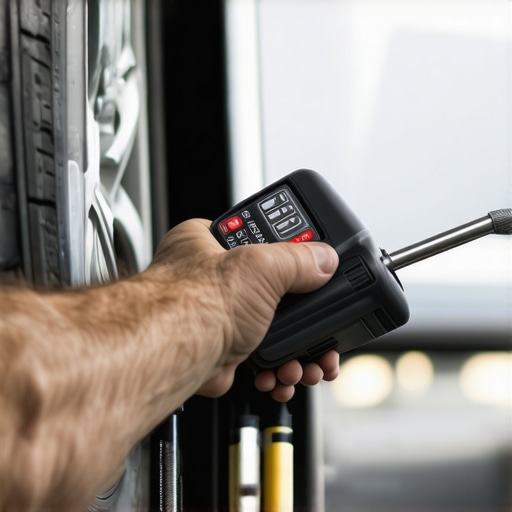
When it comes to physical maintenance, a good set of torque wrenches is non-negotiable. I prefer digital torque wrenches because they give precise readings and reduce the risk of over-tightening or under-tightening bolts, which can cause long-term damage. For routine tasks like oil changes and brake pad replacements, I use a sturdy jack and jack stands rated for my car’s weight. Safety is paramount, so investing in quality stands with a wide base and locking mechanisms has been a game-changer for peace of mind during DIY projects.
On the software front, I highly recommend maintaining a detailed digital log of all repairs, inspections, and part replacements. Apps like AutoMate or vehicle-specific maintenance trackers not only remind me of upcoming service intervals but also store diagnostic data, which is invaluable when consulting with professionals or troubleshooting recurring issues. Staying ahead with scheduled tune-up routines is a proven way to sustain performance and durability.
Looking ahead, the trend toward integrated vehicle health monitoring systems is set to revolutionize long-term maintenance. Vehicles will communicate issues directly to owners via smartphones, and predictive analytics will preempt failures before they happen. Embracing these advancements means equipping yourself with the latest diagnostic tools and keeping abreast of auto industry innovations.
**Question:** How do I maintain my vehicle’s performance over time without breaking the bank?
One effective way is to adopt a proactive maintenance schedule, regularly inspecting vital components like belts, hoses, and brake systems. For instance, routinely checking brake components can prevent costly repairs down the line. I recommend setting a monthly reminder to skim through basic checks and record the outcomes. The combination of proper tools, disciplined routines, and staying informed about automotive technology ensures your investment lasts longer and performs better. Take the initiative today by testing your vehicle’s diagnostics with an affordable scanner—you might uncover issues early and avoid expensive repairs later.
The Hardest Lesson I Learned About auto repair,brake service,car service,tune up
Ignoring small issues can lead to big problems, especially when extreme weather is involved. My experience taught me to never underestimate seemingly minor cracks, as they can expand rapidly under the stress of summer heat.
3 Myths About auto repair,brake service,car service,tune up That Held Me Back
- Believing DIY fixes are always sufficient for large cracks can be dangerous; professional assessment is often necessary for safety and durability.
- Thinking that repairs can wait until a crack is visibly obvious might be too late—early intervention can save money and lives.
- Assuming all auto repair shops are the same overlooks the importance of choosing specialists who understand heat-induced stress on vehicle components.
What Experts Won’t Tell You About auto repair,brake service,car service,tune up
Proper maintenance involves more than just fixing visible issues. Regular inspections, especially during hot seasons, can uncover hidden vulnerabilities, such as stress cracks in windshields that could compromise safety in an accident.
Curated Tools to Keep Your Vehicle in Top Shape
- High-Quality Diagnostic Scanner: An affordable yet comprehensive scanner like the Autel MaxiScan MS300 helps catch issues early before they escalate.
- DIY Repair Kits: For minor cracks, a trusted windshield repair kit can serve as a temporary fix, buying you time until professional help is available.
- Torque Wrench and Safety Gear: Precision tools and protective equipment facilitate safe and effective DIY maintenance, reducing the risk of further damage.
- Maintenance Log App: Digital tools to track repairs and inspections ensure you don’t overlook essential service intervals, especially during seasonal changes.
Your Turn to Take Control of Your Vehicle’s Future
Understanding how extreme weather affects your car’s safety features and structures can make all the difference. Don’t wait for a small crack to turn into a costly tragedy—proactive care can extend your vehicle’s lifespan and keep you safe on scorching summer days. Start by examining your windshield today: is that tiny chip hiding a bigger threat? Share your experiences below and let’s learn from each other’s journeys to safer driving!