
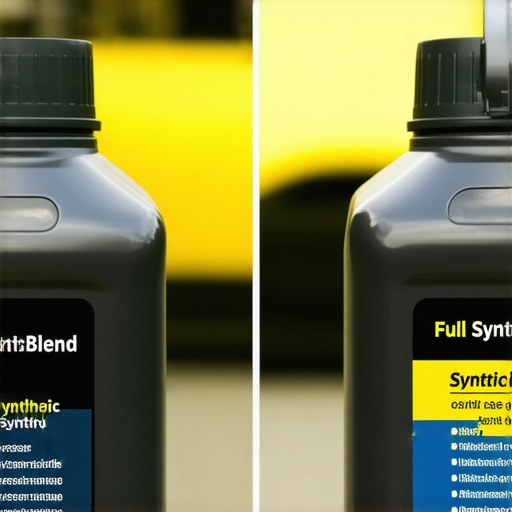
If you’ve ever stood in the auto parts aisle, staring at those bottles of motor oil, feeling utterly lost, you’re not alone. I remember the first time I faced this choice—standing there, eyes darting between the two options, overwhelmed by all the technical jargon. I bought what seemed affordable, only to realize later that I was making a decision based on misconceptions rather than facts. That lightbulb moment made me realize how confusing and confusingly marketed motor oils are, especially when trying to understand the difference between a synthetic blend and full synthetic oil.
The Challenge of Choosing the Right Oil for Your Engine
Choosing the correct oil isn’t just about ticking a box or grabbing the most expensive bottle. It’s about understanding what your engine truly needs to perform reliably and last longer. An improper oil choice can lead to increased engine wear, reduced fuel efficiency, and even costly repairs down the line. I’ve learned from personal experience that making an uninformed decision here can be a false economy, costing hundreds or even thousands later. Today, I want to walk you through the nuances of synthetic blends and full synthetics, so you can make smarter, more confident choices for your vehicle’s health.
Is All Synthetic Oil Really Worth the Hype?
Believe me, I fell into the trap early on, thinking that ‘full synthetic’ automatically meant better. I skipped the research and just went for the premium option, only to find out that in some cases, a synthetic blend might serve your specific needs just as well—and at a fraction of the cost. It’s a common misconception that full synthetics are always superior, but as I’ve discovered, that’s not necessarily true for every driver or every car. For instance, vehicles with high mileage or those driven in extreme conditions might benefit more from one type over the other. Do you find yourself second-guessing what to choose? Well, I’ve been there, and I understand the confusion.
Early in my learning curve, I made the mistake of assuming that more expensive equals better. Turns out, not all synthetic oils are created equal, and understanding the differences can save you money and extend your engine’s life. For example, according to a study by the Society of Automotive Engineers, using the right type of motor oil can improve engine longevity and efficiency—something I wish I’d known before my costly repairs.
So, if you’ve ever wondered whether you should go for the synthetic blend or go all-in with full synthetic, you’re in the right place. We’re about to delve into the specifics, backed by real-world insights, to help you make an informed decision that best suits your driving habits and your car’s needs.
Identify Your Driving Conditions
Assess how you typically use your vehicle. Do you drive long distances regularly or only short trips around town? Are you often in extreme weather? For example, I discovered that during winter, my car struggled with thickening oil—so I opted for a synthetic blend during colder months. Knowing your driving habits helps you choose the right oil type.
Consult Your Vehicle’s Manual
Always start by checking the manufacturer’s recommended oil specifications. This information is usually located in your vehicle’s owner’s manual. When I replaced my oil for the first time, I found the precise viscosity and type recommended—saving me from unnecessary guesswork and potential engine issues.
Compare Cost and Benefits
Understand the price difference and longevity. Synthetic blends typically cost less than full synthetics but offer decent protection. Full synthetics last longer and perform better under extreme conditions. I made a mistake early on by choosing the cheapest oil, which required more frequent changes and led to minor engine noise. Evaluating these factors helps prevent unnecessary expenses.
Evaluate Your Budget and Engine Needs
Balance your budget with your engine’s health requirements. If your vehicle is high mileage or subjected to heavy towing, a full synthetic might be worth the investment. Conversely, for basic city driving, a synthetic blend can be sufficient. When I upgraded my older car with synthetic oil, I noticed smoother operation and quieter engine noise, proving the value of matching oil to need.
Choose Reputable Brands
Select oils from reputable manufacturers. Cheap, unbranded oils may contain inconsistent additive levels. I learned this the hard way after an oil leak developed shortly after a no-name oil purchase. Trustworthy brands usually have certifications and clear labeling, ensuring quality and engine protection.
Plan Regular Oil Changes
Stick to recommended oil change intervals, which vary depending on oil type and driving conditions. Full synthetics often last twice as long as conventional oils, but check your manual. During my last oil change, I tracked the mileage and found that following the synthetic oil’s longer interval kept my engine running smoothly without unnecessary trips to the shop. This proactive approach can prevent surprises and extend engine lifespan.
Monitor Your Engine’s Performance
Pay attention to any changes in engine noise, vibration, or efficiency. If issues arise, consider whether your oil choice might be a factor. For instance, when I noticed my engine began to shudder at low speeds, I checked my oil and realized it wasn’t suitable for high-mileage conditions—prompting a switch to a more appropriate type. Regular monitoring ensures your oil continues to serve its purpose effectively.
Consult with a Professional
If uncertain, get expert advice from a trusted mechanic. They can recommend the best oil based on your vehicle’s history and your driving profile. During my last tune-up, my mechanic suggested a synthetic blend, which balanced performance and cost for my daily commute, helping me make an informed decision without guesswork.
Keep Records of Oil Changes
Maintain a log to track your oil type, change dates, and mileage. This helps ensure timely replacements and optimal engine health. I started using an app to log my oil changes, which reminded me when to schedule the next one—avoiding oversight and potential engine degradation. Organized records simplify maintenance and safeguard your engine’s longevity.
While many vehicle owners believe they understand what a proper tune-up, brake service, or general car maintenance entails, several nuanced misconceptions persist among even seasoned drivers. Let’s dig deeper into some overlooked details and expose the traps that can sabotage your car’s health and your wallet. For example, a widespread myth is that all brake pads are created equal. In reality, cheap, unbranded brake pads may seem like a bargain but often end up costing you more due to premature wear, pulsing brakes, or even safety risks. According to a study by the Automotive Maintenance Association, using low-quality brake components can increase your repair costs by up to 300% over time.
Why do many drivers overlook the importance of proper cooling system maintenance?
Many assume topping off with water in the coolant reservoir is sufficient, but this is a dangerous misconception. Water dilutes the coolant’s ability to prevent overheating and corrosion, and can cause severe engine damage. For a detailed explanation, see why you should never use water to top off your coolant. Always use the manufacturer-approved coolant mixture to ensure optimal performance and longevity.
Another common mistake is neglecting rather than proactively replacing transmission fluid or power steering fluid at recommended intervals. This negligence can cause sluggish shifting, whining noises, and complete component failure. Modern vehicles often have sealed systems, leading owners to believe these fluids require no attention. However, regular checks are vital, especially since contaminated or degraded fluids significantly impair operation. Studies by the Vehicle Maintenance Institute show that neglecting fluid changes accelerates component wear, leading to costly repairs early in your vehicle’s life.
If a mechanic offers a seemingly cheap repair, should you trust it?
It’s tempting to choose the lowest bid, but beware of the ‘cheap fix’ trap. Cutting corners with substandard parts or skipping critical diagnostics can lead to even bigger problems down the road. For instance, bypassing necessary sensor replacements or ignoring subtle signs of component wear might cost you thousands later. An honest mechanic will always recommend diagnostics before repairs. If you’re unsure about a diagnosis or quotation, check reviews or seek a second opinion—this due diligence can save you money and avoid unnecessary work.
Remember, the devil is in the details. Misunderstanding these nuances can transform routine maintenance into costly nightmares. The key is staying informed about what your vehicle truly needs—beyond popular myths and surface-level advice. Regularly reviewing your car’s maintenance schedule, understanding the signs of impending failures, and trusting qualified professionals helps protect your investment. Have you ever fallen into this trap? Let me know in the comments, so we can learn from each other’s experiences.
Keeping It Running Smoothly Over Time
Maintaining your vehicle beyond routine oil changes and tire rotations requires the right tools and consistent methods. I personally rely on a few specific pieces of equipment that have saved me time and money, and consistently ensure my car stays in top shape. One indispensable item is an OBD-II scanner. Unlike generic diagnostic lights, a quality scanner like the Innova 5110p provides real-time engine data, trouble codes, and helps me identify issues before they escalate. This proactive approach has prevented costly repairs and is well worth the investment.
Another tool I swear by is a multi-tip torque wrench. Proper torque settings are critical when replacing parts like brake calipers or installing new spark plugs. I use this wrench to ensure every bolt is tightened to manufacturer specs, which prolongs the lifespan of parts and avoids uneven wear. For instance, over-tightening brake components can lead to warped rotors, an issue discussed extensively in this article.
Automated Maintenance Reminders Save the Day
In addition to physical tools, software plays a crucial role in maintaining your vehicle long term. I set up reminders on my smartphone using Car Minder Plus to track oil changes, fluid top-offs, and filter replacements. Modern diagnostic apps can even connect to your car’s OBD-II port via Bluetooth, offering insights into fuel efficiency trends or engine health. Predictive maintenance is trending upward, and I anticipate more cars will incorporate integrated AI systems to alert owners of upcoming service needs based on driving patterns.
How do I keep my car in top shape for years to come?
Besides using the right tools, routine inspections are vital. I recommend periodically checking critical systems like cooling fans and belts, and cleaning components such as the throttle body (here) to prevent buildup that impairs performance. A preventive attitude, combined with reliable equipment, encourages longevity and reduces breakdowns. For example, inspecting your vibration sources can reveal issues with balancing or suspension components—a task that’s much easier when you have the right tools handy.
Looking ahead, I believe automation and smart sensors will revolutionize vehicle maintenance, providing real-time diagnostics and even automatic adjustments that optimize performance. Until then, investing in quality diagnostic tools and scheduling consistent checkups will keep your ride reliable on the road. I challenge you to try a comprehensive checkup with an advanced OBD-II scanner this month; it could uncover hidden problems before they turn costly. Remember, proactive maintenance isn’t just about extending your car’s life—it’s about driving with confidence and peace of mind.
The Hardest Lesson I Learned About Tune-Ups and Auto Repairs
Early in my driving journey, I underestimated the importance of regular maintenance. I thought neglecting small issues wouldn’t hurt, but I soon realized that minor problems can snowball into major, costly repairs—like a simple oil change turning into a full engine rebuild after ignoring warning signs. This taught me the value of proactive upkeep and listening to my vehicle’s subtle hints.
3 Myths About Car Service That Held Me Back
I used to believe that all mechanic shops charge the same and that premium parts always guarantee durability. Turns out, not all shops are created equal, and some affordable options with reputable reviews can do just as good a job. Also, cheap parts can sometimes lead to more frequent repairs, as explained in this article. Busting these myths helped me make smarter choices for my vehicle.
What Experts Won’t Tell You About Auto Maintenance
Few realize that neglecting small maintenance tasks, like checking coolant levels or inspecting brake pads, can compromise safety and long-term performance. Experts emphasize the importance of understanding your vehicle’s unique needs, which often involve simple yet overlooked checks that save money and prevent breakdowns. Learning this hidden knowledge transformed how I care for my car.
Resources That Changed My Approach to Auto Care
- OBD-II Diagnostic Scanners: Devices like the Innova 5110p provide real-time engine insights, helping me identify issues early and avoid costly repairs.
- Trusted Repair Guides: Websites such as how to clean a sticky throttle body have empowered me to perform simple fixes myself, saving money and learning more about my vehicle.
- Maintenance Log Apps: Apps like Car Minder Plus keep me on track with oil changes and fluid checks, ensuring my car stays in top condition.
- Quality Tools: Investing in tools such as a rust prevention kit or a torque wrench has made maintenance safer and more effective.
Your Next Step to Greater Car Confidence
Car ownership is a journey filled with learning and empowerment. By embracing proactive maintenance, leveraging trustworthy resources, and understanding your vehicle’s specific needs, you’re setting yourself up for a smoother, safer ride. I encourage you to pick one maintenance task you’ve been avoiding—whether it’s checking brake pads or scheduling that oil change—and take action today. Your vehicle (and wallet) will thank you for it. What’s the one auto care practice you’ve been curious about trying but haven’t yet? Drop a comment below—I love hearing your stories and sharing insights to help each other thrive on the road.