
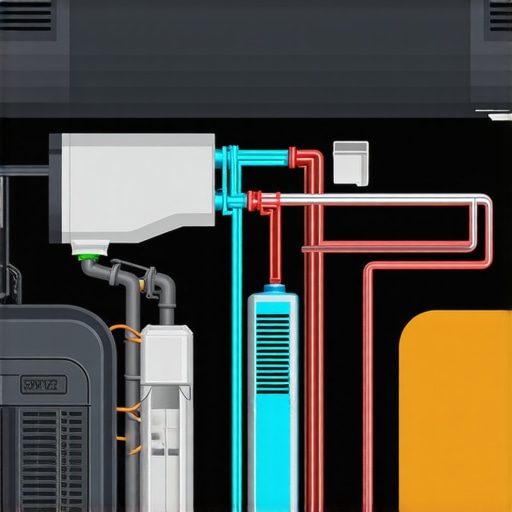
Ever been caught in a chilly winter morning, ready to head to work, only to realize that your heater isn’t warming up the cabin? You turn it on, but it just blows cold air—until you start driving, then suddenly, the warmth kicks in. That frustrating moment isn’t just a minor inconvenience; it signals a deeper issue lurking under the hood that many car owners overlook.
The Shockingly Common Mystery: Heater Only Works When Moving
I remember the first time I dealt with this issue. Imagine this: it’s freezing outside, and I hop into my car, expecting cozy warmth. I turn my heater to max—nothing. Frustration sets in. I thought maybe I’d just need a new thermostat or a simple flush. But after fiddling with it for a while and noticing that the heater only works when I accelerate, I realized I wasn’t alone. Lots of drivers face this peculiar problem, and surprisingly, it’s more common than you’d think. According to auto experts, this isn’t a coincidence; it points to specific cooling or heating system problems often linked to the vehicle’s circulation of coolant and airflow. Poor coolant circulation is a key suspect, but don’t worry—by the end of this, you’ll understand exactly what’s going on and how to fix it.
Is Your Car’s Heater Worth the Hassle? Spoiler: Yes, And Here’s Why
When I first faced this issue, I made a mistake many beginners do: I jumped straight into replacing parts without diagnosing the real problem. That’s like throwing parts at a problem hoping something sticks. Early on, I overlooked the simple fact that sometimes, a minor sensor or a clogged heater core could be the culprit. Knowing exactly what to check saves time, money, and keeps you warm during the cold months. If you’ve experienced freezing mornings and a heater that only works when you’re in motion, you’re not alone. This guide will walk you through the common causes and simple solutions so you can keep your car cozy without unnecessary repairs.
Check Coolant Levels and Circulation
Begin by inspecting your coolant reservoir to ensure it’s filled to the proper level. Low coolant can cause inadequate heating because the engine can’t transfer enough warmth to the heater core. If coolant levels are low, top them off with the recommended type for your vehicle. Next, start your engine and let it reach operating temperature. Observe whether the coolant circulates properly; a sluggish or absent flow may indicate a faulty water pump. Remember, coolant circulation is like the bloodstream of your car’s cooling system—if it’s sluggish, heat transfer suffers.
Test the Thermostat Function
The thermostat acts like a gatekeeper, regulating coolant flow based on temperature. If it’s stuck open, your engine runs cooler, and the heater might not warm up until higher speeds increase coolant flow. To test, remove the thermostat from its housing and place it in boiling water to see if it opens. If it doesn’t open at the specified temperature, replacing it can solve the problem. Think of the thermostat as a traffic cop for coolant—if it’s hesitant or stuck, traffic (coolant flow) hits a standstill.
Inspect the Heater Core and Hoses
A clogged or leaking heater core acts like a blocked radiator—preventing warm air from reaching the cabin. Feel the hoses connected to the heater core—if one is hot and the other cool, it suggests blockage. To clear minor clogs, you can back-flush the heater core using a garden hose, but be cautious—this is a delicate process. If the core is severely clogged or leaking, replacement is necessary. Imagine the heater core as your home’s radiator—if it’s dirty or leaking, no amount of turning up the heat will help.
Verify Airflow and Blend Door Operation
Sometimes, the issue isn’t with coolant but with airflow controls. The blend door directs air through the heater core or bypasses it, depending on your settings. A malfunctioning blend door actuator or blockage can prevent warm air from reaching the cabin. To diagnose, switch the climate control through all modes—if warm air never appears, the actuator may need replacement. Think of this component as a gateway; if it’s stuck, no heat will pass even if the system is working correctly.
Address Electrical and Sensor Issues
Some modern vehicles rely on sensors and electrical signals to control heating components. A faulty coolant temperature sensor can mislead the ECU into thinking the engine is cold, preventing proper heater operation. Check for error codes with an OBD-II scanner; if you find sensor faults, replacing the sensor can restore normal function. This is akin to your car’s nervous system—faulty signals confuse the system, leading to heating issues that only occur under certain conditions.
When to Seek Professional Help
If after these steps your heater still only works while moving, it’s time to consult a mechanic. Persistent issues may involve complex problems like a failing water pump, a broken heater control valve, or electrical system faults. Approaching a seasoned technician with the troubleshooting steps you’ve performed can save you money and time. Remember, car heating systems are like intricate plumbing—sometimes, the problem requires expert tools and knowledge to fix without further damage.
Many car owners operate under misconceptions about auto maintenance, often relying on outdated advice or superficial fixes that do more harm than good. Contrary to popular belief, not every mechanic’s recommendation is necessary or optimal; a nuanced understanding can save you money and improve your vehicle’s longevity.
One common myth is that regular tune-ups are endlessly interchangeable or purely cosmetic. In reality, modern engine management systems have made traditional carburetor adjustments nearly obsolete, replaced by digital sensor calibrations. An unnecessary tune-up can disrupt sensor balances, leading to worse fuel efficiency and engine performance. For advanced car owners, knowing when to perform vital updates or sensor replacements—like addressing faulty oxygen sensors—can significantly impact your vehicle’s health.
Many overlook the importance of inspecting brake components thoroughly. While a simple brake pad change is often perceived as routine, neglecting underlying issues such as warped rotors or caliper problems can result in uneven wear and dangerous driving conditions. Make sure to read about how brake dust affects your wheels and the critical steps to prevent brake system failures.
Regarding auto repair traps, one sneaky mistake is ignoring the signs of minor issues that seem insignificant—like a slight vibration or squeak—that actually indicate critical problems. For example, a rattling heat shield may seem harmless but could lead to exhaust leaks if left unchecked, affecting emissions and performance. You can learn how to fix a rattling heat shield without costly repairs.
### Want a professional’s take on complex diagnostics?
Advanced vehicle diagnostics often involve interpreting sensor data and ECU codes. Experts emphasize that relying solely on code readers without understanding the underlying mechanical conditions leads to incomplete repairs. For example, a misfire detected by the ECU might be caused by a worn spark plug, but could also be due to a faulty fuel injector or compression issues. For deep insight, I recommend exploring the nuances of engine diagnostics and how to differentiate between sensor faults and real mechanical failures.
Remember, shortcuts or misconceptions can lead to costly repairs down the road. Being informed about what really matters in maintenance—beyond the surface—will help you become a smarter car owner. Want to avoid common pitfalls? Regularly check your vehicle’s vital signs and consult trusted sources or experienced technicians. Curious about other hidden issues? Share your experiences or ask questions in the comments, and let’s keep the conversation moving.
Equip Yourself for Reliable Auto Care
Staying ahead of car issues requires more than just intuition; it demands the right tools and a systematic approach. Personally, I swear by a high-quality automotive diagnostic scanner, such as the OBDLink MX+, because it provides immediate access to engine codes and real-time data. This device helps me identify sensor malfunctions, like faulty oxygen sensors, which can subtly drain your gas mileage if left unchecked. Additionally, a decent set of combination wrenches and screwdrivers is invaluable for everyday tasks like tightening clamps or replacing small parts. For more advanced inspections, I love using a stethoscope designed for mechanics; it pinpoints unusual noises, indicating issues like bad wheel bearings or failing CV joints, before they escalate into dangerous failures. The right tools make diagnosing so much more straightforward, reducing guesswork and unnecessary expenses.
How do I maintain these tools over time?
Proper maintenance of your tools extends their lifespan and ensures reliability. Regularly clean your diagnostic connectors and store them in a protective case to prevent dust and moisture buildup. Calibration of electronic devices like scanners should be performed periodically, following manufacturer guidelines, to keep readings accurate. For hand tools, applying a light coat of oil after cleaning prevents rust and keeps them in prime condition. Investing in quality storage solutions, such as toolboxes with foam inserts, also helps keep everything organized and accessible when needed. As vehicle technology advances towards integrated sensors and smart systems, maintaining your diagnostic tools becomes even more critical. The future promises even more sophisticated equipment, like wireless diagnostic modules, that can interface directly with your smartphone—making long-term maintenance more accessible. I recommend trying out a Bluetooth-enabled scanner compatible with your mobile device, which streamlines troubleshooting even further.
Scaling Up: Managing More Vehicles or Upgrading Your System
If you’re managing multiple vehicles or automotive workshops, consider integrating a cloud-based diagnostic platform. These solutions allow for centralized data management, team collaboration, and remote diagnostics. As an example, GaragePlug offers subscription-based services where technicians can log vehicle histories, track maintenance schedules, and order parts seamlessly. When expanding your toolkit, think about long-term results; choosing durable, scalable tools and software ensures your workshop remains efficient and competitive. Prediction suggests that automation and telematics will become the norm in auto repair, enabling proactive maintenance schedules based on real-time data.
What advanced techniques can help sustain optimal performance?
Implementing regular software updates for your diagnostic systems and Nissan-specific firmware can prevent misdiagnoses. Moreover, adopting preventive measures such as scheduled sensor calibrations or coolant system flushes—guided by your tools—can avoid costly breakdowns. Remember, precision is everything; errors in calibration or misinterpretation of data might lead to unnecessary part replacements—like a full engine flush when only a sensor needs realignment. Embrace continuous education and hands-on practice to refine your skills and prolong vehicle life. Don’t hesitate to experiment with different diagnostic techniques or upgrade your software periodically; staying current in auto tech is crucial for long-term success. Try incorporating an advanced code scanner and see how much you can diagnose at home, saving time and money before heading to the shop.
Lessons Hidden in My Troubleshooting Journey
Throughout my years handling car heating issues, I realized that patience and systematic diagnosis trump quick fixes. Rushing to replace parts without understanding the root cause often led to wasted money and unnecessary complications.
One lightbulb moment was when I learned that coolant circulation problems can mimic other issues, reminding me that sometimes, the simplest checks—like coolant levels—save hours. Also, I discovered that knowing specific component behaviors, such as thermostat opening temperatures, can make or break your repair success.
Finally, I understood that ongoing education—whether through trusted manuals or experienced technicians—enables me to tackle increasingly complex problems confidently. It’s about cultivating curiosity and not settling for superficial solutions.
Tools and Resources That Changed My Approach
In my toolkit, the heat shield repair guide helped me avoid unnecessary part replacements by understanding simple fixes. I rely on a quality OBD-II scanner to detect sensor issues influencing the heater operation, saving me time and guesswork.
Books like “Automotive Heating & Cooling Systems” provided in-depth knowledge I couldn’t easily find online, giving me confidence in diagnosing and explaining issues to others. Additionally, following expert advice from trusted auto blogs and forums has kept me updated about emerging problems and solutions.
Your Next Step in Car Climate Comfort
Understanding your vehicle’s heating system on a deeper level is empowering—it transforms frustration into confidence. Every problem you solve sharpens your skills and brings you closer to reliable, cost-effective auto care. Don’t wait for the next cold morning—start learning and troubleshooting today, and keep your car cozy all winter long.
Have you ever faced a tricky car heating problem that turned out to be something surprisingly simple? Share your experience below and let’s learn together!