
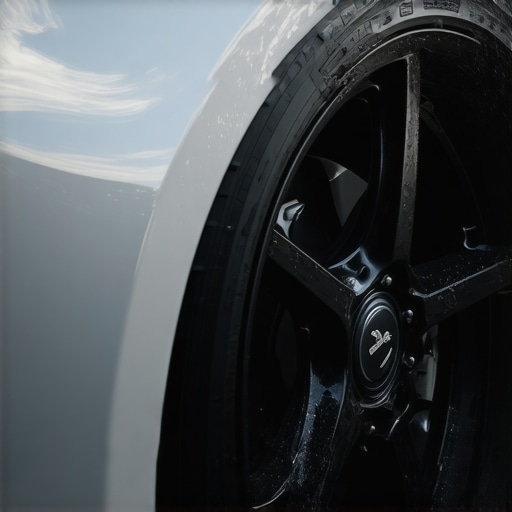
Ever spent hours cleaning your car and still found yourself frustrated by a stubborn layer of brake dust caked onto your wheels? I know the feeling all too well. One weekend, after a quick drive to the store, I looked over my ride and noticed that dreaded gray film smudged across my shiny rims. No amount of scrubbing seemed to make a real difference. That’s when I realized: brake dust isn’t just an annoying mess—it’s a silent enemy slowly eating away at my wheels.
Why Brake Dust Can Wreck Your Wheels Faster Than You Think
Even if you keep up with regular washes, brake dust can be a sneaky culprit that causes serious damage over time. It’s a fine particle that comes from your brake pads as they wear down, and it builds up quickly, especially if you’re driving a lot in city traffic. Left unchecked, brake dust can corrode your wheel finishes, leading to pitting and discoloration, which not only look bad but can also decrease your car’s resale value.
Is the Hype About Protective Coatings Actually Worth It?
I must admit, I was skeptical at first. I thought regular cleaning would do the trick, but I was wrong. Early on, I made the mistake of ignoring the protective measures that could have kept my wheels looking new longer. After trying different products, I finally found a solution that works—and it’s surprisingly simple. We’ll go through it all, step by step, so you can spare your wheels from the same fate.
If you’ve ever wondered whether the effort to combat brake dust is worth it or just a useless expense, you’re not alone. Many car owners underestimate the impact of protective treatments, just like I did initially. But trust me, the right choice now means less scrubbing later and more time enjoying your clean ride.
Ready to learn how one simple choice can save your wheels and keep your car looking sharp? Let’s dive into the solution that transformed my approach to car care.
Prepping Your Wheels for Deep Cleaning
Start by parking your car in a shaded area to prevent cleaning products from drying too quickly. Use a garden hose or pressure washer to rinse off loose dirt and brake dust. This initial step reduces abrasive scrubbing and prevents scratching the finish. For stubborn deposits, consider applying a dedicated wheel cleaner formulated for brake dust, following the instructions carefully. I once tried a generic cleaner without reading the label, which resulted in a dull finish—lesson learned. Rinse thoroughly to remove all residues and prepare for the next step.
Mastering the Brake Dust Removal Process
Applying the Right Cleaner
Choose a pH-balanced wheel cleaner designed to loosen brake dust particles effectively. Spray evenly across the wheel surface, ensuring coverage of all crevices. Let it sit for 3-5 minutes, but avoid letting it dry completely. This ensures the chemical bonds weaken, making the dust easier to wipe away. Once the solution has set, use a soft-bristled wheel brush to agitate the surface gently. In my experience, a dual-action brush helped me reach tight spots without damaging the finish. Regular cleaning prevents buildup and keeps wheels looking new longer.
Using the Right Tools
Opt for a microfiber cloth or soft sponge to wipe off loosened debris. Avoid harsh scrub brushes that can scratch delicate rims. For stubborn deposits or intricate designs, a toothbrush or detailing brush works wonders. During my last session, I discovered that an old toothbrush was perfect for cleaning caliper dust and inner spokes. Rinse the wheel intermittently to wash away loosened dust, preventing smearing or pushing debris further into the surface. This meticulous approach minimizes damage and enhances the visual appeal.
Post-Cleaning Protection for Long-lasting Shine
After completing the cleaning, dry the wheel thoroughly with a clean microfiber towel to prevent water spots. To shield your wheels from future brake dust accumulation and environmental damage, applying a protective coating is essential. A ceramic wheel sealant or high-quality wax creates a hydrophobic barrier, making brake dust easier to remove during regular washes. I recently tried a ceramic coating, and it significantly reduced the effort needed for maintenance. For best results, follow the product’s instructions and apply in a cool, shaded environment. Regular maintenance combined with protective coatings can extend the pristine look of your wheels and protect your investment.
Maintaining Wheels Between Deep Cleans
Perform quick rinses every two weeks to keep surface grime in check. Use a dedicated wheel spray meant for regular use, and wipe with a microfiber cloth. This routine prevents brake dust from embedding into the finish. Incorporate wheel cleaning into your weekly washing routine, especially if you drive often in urban areas. Just like tuning your engine or checking your transmission fluid, consistent wheel care preserves function and appearance, saving you time and money in the long run.
By following these steps—projected with patience and attention—you can keep your wheels looking showroom-worthy and protected against the corrosive effects of brake dust. Remember, cleanliness and protection go hand in hand to extend the life of your vehicle’s most visible parts.
Many car owners believe that sticking to the basic recommended service schedule keeps their vehicle in top shape, but in reality, there’s a lot more beneath the surface that often gets overlooked. One widespread misconception is that a standard tune-up or brake service is always sufficient, when in fact, neglecting specific nuances can lead to premature wear and costly repairs. For example, some assume that changing the oil alone is enough, but ignoring critical components like the transmission filter or the throttle body can silently compromise your car’s performance. Today, let’s explore some of these hidden details that distinguish a casual driver from a seasoned automotive enthusiast.
Why Do Some Repairs Fail to Address Underlying Issues?
A common mistake is performing superficial fixes without diagnosing deeper problems. For instance, replacing brake pads without inspecting the calipers or brake lines can result in uneven wear or pulsing brakes down the line. Similarly, a car that jerks when shifting might seem like a transmission issue, but it could stem from a faulty shift sensor or worn engine mounts. You can learn how to identify these subtle signs through expert guidance, such as knowing when to check your transmission fluid or inspect your throttle body for sticky residues that impair response. I recommend reviewing [how to clean a sticky throttle body for better response](https://glassfixauto.com/how-to-clean-a-sticky-throttle-body-for-better-response) to avoid unnecessary replacements.
Advanced Mistake: Overlooking Diagnostic Complexity
Many DIY enthusiasts and even some mechanics underestimate the diagnostic process, leading to misdiagnosis and wasted money. Diagnosing a car that stalls randomly, for example, isn’t always straightforward; it requires understanding how multiple systems like fuel injectors, sensors, and the idle air control valve interact. Rushing to replace parts without comprehensive diagnostics can be the worst mistake. An expert tip is to analyze the entire sensor array and system responses, with attention to signals like oxygen sensors or fuel pressure regulators, which could be causing the issue. For example, check out [how to diagnose a malfunctioning fuel injectors](https://glassfixauto.com/the-best-method-for-cleaning-your-own-fuel-injectors) for in-depth insights.
Are You Ignoring Certain Filters that Hurt Your Engine?
One often ignored aspect is the role of filters within your vehicle’s systems. The air filter is commonly replaced, but many overlook the importance of a clean transmission filter, which directly impacts shifting smoothness and longevity. Neglecting this filter can lead to increased wear on transmission components, causing slipping or delayed engagement. Additionally, coolant filters play a subtle yet pivotal role in preventing engine overheating. Regular checks and replacements of these filters can significantly extend your engine’s life. For comprehensive advice, consider reading [the most ignored filter that affects engine life](https://glassfixauto.com/the-most-ignored-filter-in-your-car-that-affects-engine-life).
Have you ever fallen into this trap of neglecting the subtle details? Let me know in the comments. Remember, a well-maintained vehicle isn’t just about following the routine—it’s about understanding the nuances that keep your car performing at its best for years to come.Maintaining your vehicle’s longevity requires the right equipment and a systematic approach. Over the years, I’ve refined my toolkit to include specific tools that make auto repair both efficient and precise. One of my go-to items is a digital inspection mirror, which helps me peek into tight spots like behind the engine or under the vehicle without invasive disassembly. This small addition saves time and prevents unnecessary part removal. I also swear by a high-quality digital multimeter—it’s indispensable for diagnosing electrical issues such as faulty sensors or dead batteries, ensuring I don’t waste time on guesswork. Investing in a code scanner compatible with OBD-II protocols has transformed my diagnostic process; it instantly sheds light on engine trouble codes and even provides live data streams, which are invaluable when troubleshooting complex problems like intermittent misfires or throttle response issues.
Another underrated tool I rely on is a set of precision socket wrenches with deep sockets, particularly when tackling tasks like replacing the oil filter or working on the suspension components. These allow access to recessed fasteners that standard wrenches can’t reach. For fluid-related maintenance, I opt for a pump with flexible hoses—perfect for transferring brake fluid or coolant without spilling, keeping the workspace clean and safe. Regularly, I consult updated technical manuals from manufacturers, which provide detailed specifications and troubleshooting steps, such as inspecting the integrity of the serpentine belt or understanding the nuances of transmission fluid exchange.
Looking ahead, I believe the integration of advanced diagnostic software with smartphone interfaces will become more prevalent, making vehicle maintenance accessible even to DIY enthusiasts. As vehicles become more complex with hybrid and electric systems, tools that can interface with these systems seamlessly will be vital.
How do I maintain these tools over time? Regular calibration and proper cleaning are key. For instance, cleaning the multimeter probes after each use prevents corrosion, ensuring accurate readings. Also, storing tools in a dedicated toolbox prevents loss and damage. I recommend checking out reputable sources like automotive forums or manufacturer manuals for calibration tips and compatibility updates.
If you’re serious about keeping your car in top shape, I challenge you to invest in a quality code scanner and familiarize yourself with interpreting the data it provides. This step can significantly cut down repair costs and improve your understanding of your vehicle’s health. Remember, proper tools and consistent maintenance are the backbone of reliable auto repair—making your vehicle more dependable and extending its lifespan.
Over the years, my journey with car care has taught me that the little details, like protecting your wheels from brake dust, can make a significant difference in how long your vehicle looks and performs. One thing I wish I had realized earlier is the power of proactive protection. Instead of battling stubborn brake dust after it settles, applying a high-quality ceramic coating or wax early on can create a barrier that makes cleaning easier and preserves the finish. Live and learn!
Another lesson I’ve learned is the importance of consistent maintenance routines. Regularly checking and replacing filters, such as the underappreciated engine air filter, can prevent contaminants from causing damage long before symptoms appear. This simple step can save you money and extend your engine’s lifespan—something every car owner should prioritize.
Finally, embracing the right tools and knowledge has transformed my approach. Using diagnostic tools like a professional code scanner or a quality multimeter isn’t just for mechanics anymore; it empowers you to troubleshoot issues early and avoid costly repairs. The more I invest in understanding my car’s systems, the more confident I feel on the road. Remember, comprehensive vehicle care isn’t about quick fixes—it’s about building a sustainable maintenance habit that pays off over time.