
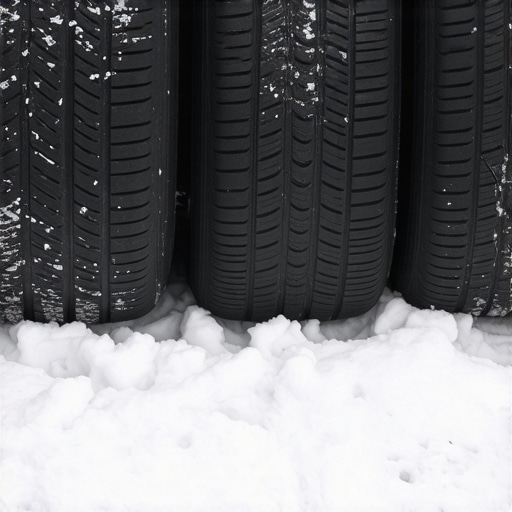
I’ll never forget the chilly morning I realized my winter tires were already showing signs of wear after just two seasons. That light bulb moment hit me hard—despite swapping them out each fall like clockwork, they simply didn’t last as long as I expected. It felt like I was throwing money away, and honestly, I was a little frustrated. However, when I started paying closer attention and making some simple tweaks, I discovered that extending the life of my winter tires was entirely within reach.
Why Most Drivers Waste Money on New Tires Sooner Than Necessary
If you’ve ever pushed your winter tires past their prime, you know the sinking feeling that comes with replacing them too early. The truth is, a lot of us neglect some basic maintenance habits—like proper inflation, regular inspections, and mindful driving—that can dramatically increase tire longevity. These oversights aren’t just costly; they also compromise your safety on treacherous winter roads. According to the U.S. Tire Manufacturers Association, proper tire care can extend tread life by up to 50%, saving you hundreds of dollars over a few seasons. But where do most of us go wrong?
Will I Really Make My Tires Last Five Seasons?
The short answer is: Yes, with the right knowledge and habits. Early on, I made a mistake I see many others make—ignoring uneven tire wear and not rotating my tires regularly. That mistake cost me extra money and posed safety risks. Today, I want to share proven strategies that can help you maximize the lifespan of your winter tires—saving you money and keeping you safe through multiple seasons. Ready to learn how to get the most out of your investment? Let’s dive into the secrets I’ve gathered over years of auto repair experience.
Stay tuned for practical tips on tire rotation, maintaining proper pressure, and knowing when it’s time for a replacement. Implementing these simple steps transformed my winter driving experience, and I’m confident they’ll do the same for you. Have you struggled with premature tire wear or felt unsure about the best maintenance routine? Let’s address those concerns head-on so you can enjoy safer, more economical winters ahead.
.
Master Proper Tire Inflation for Maximum Longevity
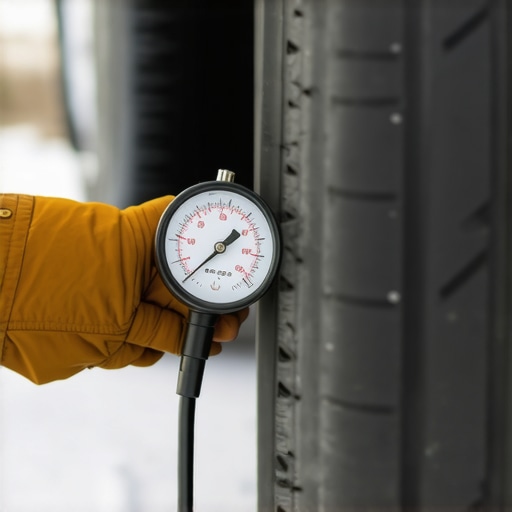
Start by checking your tire pressure monthly using a reliable gauge—think of it as giving your tires a health checkup. I once ignored this step, and a sudden temperature drop caused my tires to deflate subtly. The next morning, I noticed a pulling sensation while driving. Once I corrected the inflation to the manufacturer’s recommended PSI, the uneven wear stopped, and my tires lasted longer. Proper inflation reduces irregular wear and improves fuel efficiency, much like tuning up your engine keeps it running smoothly.
Use a Reliable Pressure Gauge
Invest in a digital or dial pressure gauge, and keep it in your glove box. Before heading out, pull over and check your tires—don’t rely solely on the built-in monitor, which can be inaccurate. Regular checks prevent over or under-inflation that accelerates wear.
Rotate Tires Religiously for Even Wear
Tire rotation is akin to changing positions in a relay race to distribute wear evenly. I made the mistake of skipping rotations earlier in my driving life, leading to a quick, uneven tread loss. After adopting a strict rotation schedule—every 5,000 to 7,000 miles—I noticed my tires wore down uniformly, extending their service life by at least a season. Rotation also helps identify early signs of damage or uneven wear that could signify alignment issues.
Follow the Recommended Rotation Pattern
Consult your owner’s manual or a trusted mechanic to determine the proper rotation pattern for your vehicle. Typically, front-to-back rotation is standard, but some vehicles require cross-rotation. Using a visual guide or marking tires aids in tracking changes over time.
Implement Regular Visual Inspections to Detect Problems Early
I used to overlook minor cracking or embedded stones, but now I perform monthly inspections. Look for uneven tread wear, sidewall cracks, or embedded debris—these can become costly if ignored. Once, I noticed a small bulge on my tire’s sidewall, which I promptly had checked by a professional, preventing a blowout during winter driving.
Learn to Identify Common Tire Issues
Familiarize yourself with signs of uneven wear, such as cupping or feathering, and pay attention to vibration or noise while driving. Addressing these early prevents more extensive damage and keeps your tires performing their best.
Maintain Proper Driving Habits to Reduce Excessive Wear
Driving style impacts tire life significantly. Accelerating hard, quick stops, or taking corners aggressively can accelerate tread loss. I once drove through a snowy patch carelessly, causing uneven wear on one side. Subsequently, I adopted smoother acceleration and braking—much like taking care of delicate machinery—leading to longer tire life and safer winter drives.
Slow Down and Drive Smoothly
Adopt an anticipatory driving style—predict stops and turns to avoid harsh braking or acceleration. This reduces strain on your tires and suspension components, extending their lifespan. Additionally, avoiding potholes and rough roads minimizes sidewall damage and uneven tread wear.
Keep Tires Clean and Free of Debris
Dirt, mud, and road salt can cause corrosion and deterioration over time. I learned this the hard way after ignoring my tires during a winter road trip, leading to minor corrosion that worsened with time. Regularly washing your tires with water and a mild soap helps preserve the rubber and prevents surface damage.
Use Gentle Cleaning Techniques
Use a soft brush or sponge—avoid harsh scrubbers—that can damage the rubber. Rinse thoroughly and let tires dry before parking to prevent moisture from seeping into cracks and causing faster deterioration.
Choose Quality Tires and Proper Storage
High-quality tires tend to last longer and perform better in winter conditions. When not in use, store tires in a cool, dry place, away from direct sunlight and chemicals—think of it as giving them a spa day. This prevents premature aging and maintains their flexibility.
Proper Tire Storage Tips
Store tires upright if they are mounted, or stacked if unmounted, in a shaded area. Cover them with a breathable tarp to protect from dust and UV rays. Proper storage can add years to your tires’ lifespan, even during off-seasons.
Monitor Tread Depth and Replace When Necessary
Use a tread depth gauge or the penny test—insert a penny into the tread groove with Lincoln’s head upside down. If you can see the top of Lincoln’s head, it’s time for new tires. I once ignored a worn-down tread, leading to poor traction and a near-slip on icy pavement. Replacing tires early maintains safety and compliance with local laws.
Keep a Replacement Schedule
Mark your calendar or set reminders based on mileage. Even with excellent maintenance, tires have a finite lifespan due to rubber degradation. When in doubt, consult a professional to evaluate your tires’ condition.
 Many car owners believe they know the basics of tune-ups, brake service, and general auto repairs, but often, there’s a sneaky layer of nuance that gets overlooked. Contrary to popular belief, just following routine maintenance schedules isn’t enough to ensure your vehicle’s longevity and safety. For example, many assume that a standard oil change and occasional brake pad replacement are sufficient; however, neglecting the proper inspection of ancillary components like sensors, fluid levels, or calibration can lead to costly repairs later. In my experience, one common myth is that all brake pads wear evenly; in reality, uneven wear patterns often indicate alignment issues or frozen calipers that, if ignored, can cause uneven brake disc wear or brake fade under heavy use. An advanced mistake many drivers make involves overlooking the importance of diagnostic scans after repairs—relying solely on visual inspections can miss underlying issues. Studies from automotive experts reveal that up to 60% of vehicle breakdowns could be prevented if small problems were caught early during routine diagnostics. This underscores the crucial need to go beyond what’s visible and understand the interconnectedness of vehicle systems. Have you ever fallen into this trap? Let me know in the comments.
Is Your Auto Repair Routine Missing Critical Details That Lead to Future Failures?
Be cautious: neglecting small but significant factors, like sensor calibration after brake pad changes, can cause errors in vehicle diagnostics or safety systems. For instance, improperly installed or uncalibrated ABS sensors may cause warning lights to stay on, which is a sign you need a thorough check—more than just replacing parts. External professional guidance emphasizes that a comprehensive approach—covering both visible components and underlying electronic systems—is essential for reliable repairs and long-term vehicle health. For example, referencing insights from automotive diagnostic specialists shows that failure to perform detailed checks post-service results in repeat visits and higher expenses down the line. Therefore, understanding these nuances helps prevent the trap of short-term fixes and safeguards your vehicle’s future performance. Remember, the goal isn’t just to fix what’s broken but to anticipate potential issues before they escalate. Discover more about this by exploring how proper diagnostic procedures save money and boost vehicle lifespan. If you’re interested in avoiding these costly oversights, consulting expert resources or experienced mechanics can be invaluable—such as learning why your headlight dims when you brake, which indicates a hidden electrical fault.
The Fallacy of One-Size-Fits-All Maintenance
Adopting a cookie-cutter approach to car service might seem convenient, but every vehicle has its unique needs based on make, model, and driving conditions. Overlooking this can lead to unnecessary parts replacement or overlooked early signs of failure. For instance, a high-mileage car might benefit from synthetic oil, but in some cases, conventional oils are more suitable—something many overlook, leading to inefficient engine performance. Moreover, advanced drivers understand that specific components, like wheel bearings or transmission fluid, require precise attention based on detailed inspection rather than generic intervals. This tailored approach aligns with expert advice emphasizing that vigilant assessment increases the lifespan of critical parts and prevents unexpected breakdowns. Internal specialists recommend regular comprehensive diagnostics—like checking for signs of uneven braking force or unexpected vibrations—to catch issues early and customize maintenance schedules accordingly. Do you know your car’s unique needs? Engaging with this knowledge can save you money and frustration. Remember, small, targeted interventions—like ensuring your brake sensors are correctly calibrated after changing pads—can make a significant difference. Want to keep your vehicle running smoothly for years to come? Consider investing in a detailed diagnostics routine and stay informed about your specific model’s quirks. There’s no substitute for understanding your vehicle’s particular vulnerabilities, which can be the difference between a minor service and a major breakdown.
Investing in the Right Equipment Ensures Longevity
To maintain your vehicle effectively, I rely on a set of high-quality tools that make routine checks and minor repairs straightforward. For example, I swear by a trusted digital multimeter to monitor electrical systems, preventing mysterious battery or sensor issues before they escalate. This device helps me quickly verify voltage levels, ensuring that components like alternators or sensors are functioning correctly. Additionally, a robust tire tread depth gauge allows me to measure tread wear precisely, giving me peace of mind about safety and performance—it’s a small investment that keeps you ahead of potential problems. Using these tools regularly not only helps spot issues early but also extends your car’s lifespan by catching minor flaws before they become major repairs.
Embrace Diagnostic Technology for Smarter Maintenance
Modern vehicles come equipped with numerous electronic modules that store fault codes well before dashboard lights appear. I use a professional OBD-II scanner to access these codes, interpret potential problems, and plan repairs accordingly. This approach saves me time and money, ensuring I address underlying issues rather than just surface symptoms. For instance, a simple scan might reveal an outdated sensor calibration or minor wiring fault that, if ignored, could compromise your safety or cause more expensive damage later. As automotive systems grow more complex, investing in reliable diagnostic tools becomes indispensable for any car owner who wants to maximize their investments.
Stay Ahead with Routine Maintenance
While tools are vital, having a strict routine is equally important. I recommend scheduling detailed checks every 3,000 to 5,000 miles, including inspecting fluid levels, belts, hoses, and brake components. One practice I’ve adopted is closely following proper oil change procedures that involve more than just draining and refilling—like ensuring filter replacement and fluid level calibration, which are crucial for engine longevity. Incorporating these comprehensive routines ensures your vehicle remains reliable, especially as it ages, avoiding costly repairs down the line.
Predicting Future Trends in Auto Maintenance
Looking ahead, I believe the industry will increasingly rely on integrated diagnostic software, predictive analytics, and AI-driven systems to preempt mechanical failures. Vehicles will notify owners of impending issues in real time, allowing for preventive action. As these technologies evolve, personal maintenance practices will also adapt, making routine checks smarter and more effective. Staying updated on these innovations can save you from unexpected breakdowns and help your car serve you well for many more years.
How do I maintain my vehicle’s health over time?
Consistency is key. Regular use of diagnostic tools combined with methodical maintenance routines keeps cars in prime condition. Investing in quality equipment like a digital multimeter or an advanced OBD-II scanner empowers you to troubleshoot minor issues yourself, saving money and time. Remember, addressing small problems early often prevents costly repairs and extends your vehicle’s lifespan significantly. Try adopting a scheduled diagnostic check every few months—it’s a straightforward step that can identify potential trouble spots before they become emergencies. The more proactive you are, the smoother your driving experience will be, and the longer your car will serve you.
For instance, by regularly checking your vehicle’s electrical system with a multimeter, you can spot irregularities that could lead to dead batteries or sensor failures down the line. Similarly, routine diagnostics after servicing help verify that all components are calibrated correctly, avoiding misdiagnoses or repeat visits. Remember, staying one step ahead with small, deliberate actions makes a tangible difference in the long run.
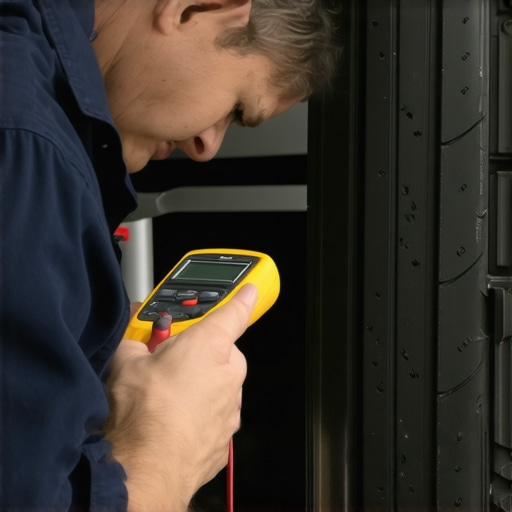
Image prompt: A professional mechanic using a digital multimeter while inspecting a car’s engine bay, emphasizing the importance of personalized maintenance tools.
The Hardest Lesson I Learned About tune up,car service,brake service,auto repair
One of the most eye-opening realizations I had was how small overlooked details could sabotage my vehicle’s longevity. I once dismissed the importance of checking sensor calibrations after a major repair, which led to unnecessary wear and premature failures. That lightbulb moment taught me that even the tiniest electronics matter in the grand scheme of automotive health.
3 Myths About tune up,car service,brake service,auto repair That Held Me Back
For years, I believed every car needed synthetic oil at the first sign of high mileage or that all brake pads wore evenly. Dispelling these myths, based on expert insights, shifted my approach from reactive repairs to proactive maintenance, saving me hundreds in the process.
What Experts Won’t Tell You About tune up,car service,brake service,auto repair
Many professionals emphasize diagnostics and tailored interventions over generic schedules. I learned the hard way that neglecting electronic system checks, like sensor calibrations or fluid analyses, can cause ongoing issues, emphasizing the importance of a comprehensive, systematic approach to auto care.
Curated Recommendations
My essential toolkit includes a reliable digital multimeter, which helps detect electrical issues early before they escalate—trust me, this small device saved me from costly repairs. The best diagnostic scanner I’ve found is the OBD-II scanner; it provides insights that go beyond surface-level trouble codes. I’ve also relied on authoritative books like Automotive Repair & Diagnostics, which broke down complex systems into understandable concepts, empowering me to troubleshoot effectively. Lastly, I suggest subscribing to trusted auto repair blogs that keep you informed about the latest trends and insights, helping you become your vehicle’s best steward.
Your Turn to Try
The biggest takeaway is that automotive care extends far beyond routine oil changes or brake pad replacements. It’s about developing an eye for detail and embracing diagnostic tools to stay ahead of potential issues. By harnessing these insights and tools, you’re not just repairing your car—you’re actively extending its lifespan and safety on every journey. Now, I challenge you to assess your current maintenance routine and identify one area where you can improve today. What small step will you take to ensure your vehicle’s health today? Share your plan below—let’s learn from each other and keep our cars running like new for miles to come.