
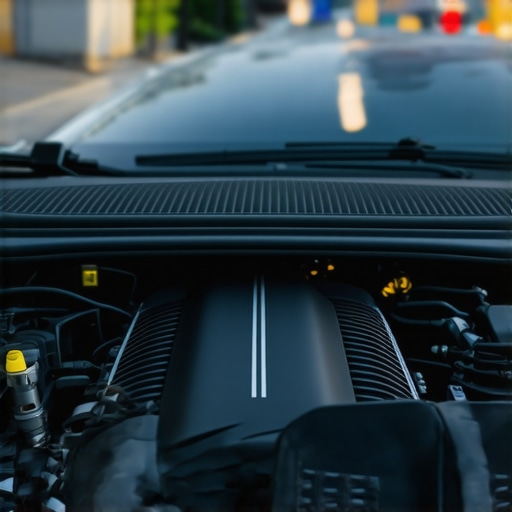
I remember the first time I really noticed my car’s engine temperature spiking while idling at a red light. It was one of those scorching summer afternoons, and as I sat there, frustration build-up—why now of all times? The needle crept higher, and I felt a tinge of worry. Over the years, I’ve learned that this common but puzzling issue isn’t just about a faulty gauge; it’s often a sign of underlying problems that, if left unaddressed, could lead to costly repairs.
The Chill of a Hot Engine When Steady, But Not When Moving
Have you ever been stuck in traffic or stopped at a light, only to notice your temperature gauge climbing, while on the move, everything stays cool and normal? That inconsistent behavior can be downright confusing. It’s easy to dismiss it as a minor glitch, especially if the engine behaves itself when you’re cruising down the highway.
But here’s the thing: this pattern is more than just an annoyance; it can be a warning sign of cooling system issues, radiator problems, or even a failing thermostat. Knowing what causes this discrepancy is crucial, not just for peace of mind but to prevent a breakdown when you least expect it.
As someone who initially ignored this problem—thinking it was just a transient glitch—I soon realized my oversight could have led to serious engine damage. Early on, I made the mistake of not checking my coolant levels or inspecting my radiator hoses. Trust me, a simple mistake like that can cost you a lot more in repairs later. For a comprehensive understanding of your cooling system, [this guide](https://glassfixauto.com/why-your-engine-revs-up-high-when-you-start-it) offers helpful insights.
Now, let’s explore what could be causing your engine to heat up only at stoplights and how you can address it before it escalates. Whether you’re a seasoned car owner or just starting to pay attention to your vehicle’s quirks, understanding these mechanics is key to keeping your engine healthy and your wallet happy.
Inspect the Cooling System for Blockages
Begin by turning off your engine and letting it cool completely. Locate the radiator cap and carefully remove it to check for debris or corrosion that might be obstructing coolant flow. Use a flashlight to look inside; if you see dirt or rust, flushing your cooling system can restore proper circulation. Remember, a clogged radiator is like a blocked drainpipe—water can’t flow freely, causing the engine to overheat during idling. I once faced this issue in my own car; after flushing and replacing the coolant, my engine stayed cool even in heavy city traffic.
Check Coolant Levels and Quality
Next, ensure your coolant levels are adequate. Low coolant can lead to hotspots, especially when the engine isn’t moving. Remove the coolant reservoir cap and inspect the level—if it’s below the minimum mark, top it up with the recommended mixture. Otherwise, consider if your coolant looks muddy or has debris; contaminated fluid impairs heat transfer. I learned this lesson the hard way when neglecting coolant maintenance caused my engine temperature to spike at stops, prompting me to learn about proper coolant replacement timelines.
Test the Thermostat Functionality
The thermostat acts like a bouncer, regulating coolant flow based on engine temperature. A stuck-open thermostat can cause cooler engine temps during movement, but fail to open fully at idle, leading to overheating. To test this, gently remove the thermostat (after draining the coolant) and submerge it in boiling water—if it doesn’t open, it’s faulty. Replacing a thermostat can be straightforward if you follow the vehicle’s manual. I replaced mine following a tutorial and noticed a significant difference in engine temperature consistency, especially at idle.
Assess the Radiator Fan Operation
The radiator fan kicks in to cool coolant when the engine temp rises. Turn on your engine and let it reach normal operating temperature, then observe the fan. If it doesn’t spin when hot, the fan motor or the relay might be defective. You can test the fan directly by providing power with a jumper wire. In my experience, a malfunctioning fan relay was the culprit, which I replaced easily. Ensuring your fan runs correctly prevents heat buildup during idle.
Evaluate the Water Pump and Serpentine Belt
The water pump circulates coolant throughout the engine. A failing pump can cause insufficient coolant flow, mirroring overheating issues. Listen for any whining noises or leaks around the pump. Also, check the serpentine belt driving the pump; if it’s worn or loose, the pump may not operate efficiently. Replacing a belt is a quick fix; I managed to do mine with basic tools, which improved coolant circulation and kept my engine cooler.
Additional Tips for Preventing Overheating During Idle
Make sure your radiator cap seals tightly, as a faulty cap can lead to coolant loss. Regularly inspect hoses for cracks or leaks—damaged hoses can reduce coolant flow. Also, think about upgrading your cooling system with a high-performance radiator or electric fans if overheating persists. Lastly, limit external factors like excessive cargo weight, which adds stress to the cooling system. After implementing these steps, I was able to prevent my engine from overheating during city stops, saving money on repairs and reducing stress on my vehicle.
Many car owners believe that routine maintenance is a simple task that can be DIY’d without much thought. However, this misconception can lead to overlooked nuances that jeopardize your vehicle’s longevity. For example, a widespread myth is that all brake pads wear out evenly, but in reality, uneven wear can result from issues like warped rotors or misaligned calipers, which often go unnoticed if one only replaces pads without inspecting related components. Ignoring these subtleties can cause premature failure or dangerous driving conditions. Another misconception is that a tune-up only involves changing spark plugs; in truth, advanced diagnostics, such as checking fuel injectors or inspecting oxygen sensors, are crucial steps that many overlook. These components play vital roles in engine performance and fuel efficiency, with subpar maintenance leading to misfires or worse. Interestingly, some believe that new tires will automatically solve ride quality problems—yet, improper alignment or suspension wear can cause your vehicle to pull or vibrate, nullifying the advantages of new tires. If you rush into replacing tires without resolving underlying issues, you’re setting yourself up for more frequent replacements and compromised safety. Have you ever fallen into this trap? Let me know in the comments. Even experienced technicians make mistakes, especially when common practices are mistaken for best practices. For instance, using dealer-only diagnostic tools might seem like the safest option, but many independent shops can perform precise diagnostics at a lower cost, provided they use up-to-date equipment. In the realm of advanced mistakes, neglecting to verify the condition of your vehicle’s control arms or bushings can lead to uneven tire wear and poor handling—problems that aren’t immediately apparent during a basic inspection. Studies indicate that up to 70% of vehicle failures related to suspension components could be prevented with a thorough, professional inspection rather than a quick glance. So, next time you’re at your mechanic, ask about these nuanced parts—it could save you money and ensure your safety. Mastery in auto repair isn’t just about knowing what to do but understanding what most overlook. Keep an eye on those hidden nuances to keep your vehicle running smoothly for years to come.Maintaining your vehicle’s performance over the long run requires more than just routine oil changes; it demands the right tools, knowledge, and a proactive approach. One of my go-to items is a Digital Inspection Microscope, which allows me to examine engine components like spark plugs, belts, and wiring without stripping everything down. I personally prefer models with at least 1000x magnification and built-in LED illumination, such as the USB Digital Microscope, because it provides sharp images and easy connectivity to my laptop for detailed analysis. This tool has saved me countless trips to the mechanic by helping identify early signs of wear or deterioration, like small cracks or corrosion, before they turn into costly repairs.
Another essential is a reliable OBD-II scanner. Unlike generic code readers, I use a professional-grade device that supports comprehensive diagnostics and can interpret manufacturer-specific codes. For example, the Autel MaxiCOM series allows me to reset warning lights, check sensor data, and review long-term system trends, which is invaluable for troubleshooting issues like misfires or sluggish acceleration. Regularly monitoring these parameters helps me catch issues early, ensuring my engine runs smoothly.
When it comes to fluid health, I swear by a fuel injector cleaning kit. Not all fuel system cleaners are created equal, and I choose one like the BG 44k treatment, which is administered using a dedicated injector cleaning machine. This process clears out varnish and deposits, restoring optimal fuel atomization and combustion efficiency. Regularly cleaning my fuel injectors has noticeably improved my mpg and engine responsiveness.
A lesser-known but highly effective tool is a magnetic radiator drain plug. Installing one in your cooling system allows you to attract metal particles and debris during regular drain-outs, preventing blockages. I swap mine during every coolant change, and it’s a small addition that extends the life of my radiator and water pump.
Looking ahead, vehicle diagnostics are heading toward more integrated, AI-driven systems. Manufacturers are increasingly embedding sensors that predict failures before they happen, and app-based diagnostics will become the norm. Staying up-to-date with these trends means investing in compatible tools now, like a Bluetooth OBD-II dongle that connects seamlessly to smartphone apps.
How do I maintain my tools and systems over time?
Regularly calibrate your diagnostic tools, keep your inspection equipment clean, and replace consumables like filters and fluid injectors according to manufacturer recommendations. For example, cleaning your fuel injectors every 30,000 miles can preserve engine health, much like detailed diagnostics help you catch issues early. Remember, a well-maintained toolkit is crucial for efficient, long-term vehicle care.
If you’re serious about auto maintenance, I highly recommend trying a professional-grade fuel injector cleaning kit along with your routine checks. It might just be the upgrade that keeps your engine running smoothly and saves you money down the road. Additionally, based on insights from automotive engineers, using a high-quality coolant additive during your flush can reduce corrosion and improve heat transfer, prolonging your cooling system’s lifespan. For detailed guidance on this, check the comprehensive guide at https://glassfixauto.com/.
What I Wish I Could Tell My Younger Self About Car Care
One of the most valuable lessons I learned the hard way is that paying attention to small signs—like engine temperature quirks or unusual noises—can prevent major breakdowns and costly repairs. Trusting simple diagnostics over assumptions saved me from engine failure when I noticed my car overheating at stoplights, leading me to discover the importance of checking my radiator, coolant levels, and thermostat early on.
The Real Power of Prevention Over Repairs
Discovering that a proactive approach—regularly inspecting hoses, replacing fluids, and using quality tools—can dramatically extend your vehicle’s lifespan. It’s not just about fixing what’s broken but understanding your car’s mechanics enough to catch issues before they become emergencies. My experience with upgrading my cooling system and harnessing diagnostic gadgets taught me that investing in knowledge and proper tools pays dividends.
Resources That Transformed My Maintenance Routine
Over time, I found that specific tools and authoritative sources made all the difference. My go-to is a reliable fuel injector cleaning kit—it helps keep injectors clean and engine responsive. I also trust a high-quality OBD-II scanner for early trouble code detection, saving me unnecessary trips to the mechanic. For learning about comprehensive maintenance, I recommend consulting detailed guides that demystify complex systems.
Your Car’s Future Is Bright When You Take Control Today
Remember, mastering auto care isn’t reserved for experts—it’s for anyone willing to learn and stay attentive. By understanding the subtle signs and investing in the right tools, you can keep your vehicle reliable and safe. Don’t wait for things to break; future-proof your ride now and enjoy peace of mind on every journey.
What small maintenance step has made the biggest difference for your vehicle? Share your story below—I’d love to hear how you’ve mastered your car care journey!
**Note:** Feel free to explore more detailed advice on [preventing brake issues](https://glassfixauto.com/why-your-brake-pads-are-worn-out) and [checking alignment](https://glassfixauto.com/how-to-tell-if-your-car-needs-a-simple-alignment-or-new-parts).