
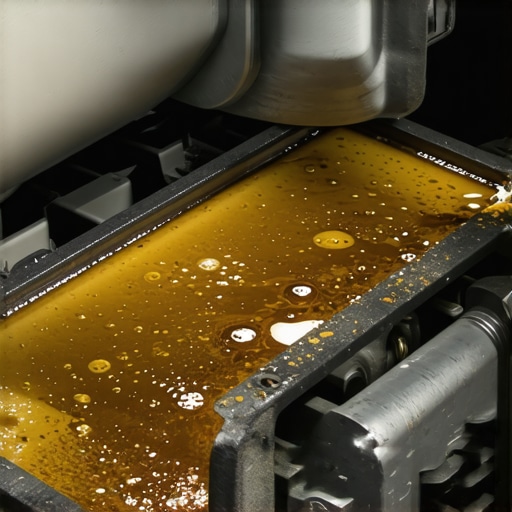
If you’ve ever been behind the wheel and suddenly noticed your steering wheel groaning or feeling unusually stiff, it can be downright unsettling. I remember the day I was pulling out of my driveway, expecting a smooth ride, only to be met with a strange, almost burnt smell and a harsh resistance when turning the wheel. For a moment, I thought I had a serious problem, like my entire steering system was about to give out. Turns out, it was a wake-up call about my power steering fluid—and how sometimes, what seems like a big emergency is just a sign of something burning inside your car.
How to Recognize If Your Power Steering Fluid Is Burning
Understanding the subtle signs of burnt power steering fluid can save you a lot of trouble—and expensive repairs. When your power steering fluid gets too hot or degrades, it can emit a noticeable burnt smell and cause your steering to feel heavier or more unresponsive than usual. These symptoms are often mistaken for bigger issues, but in reality, they might just be a matter of your fluid needing some attention. Early detection can make all the difference, and knowing what to look for is half the battle. Over time, neglecting this can lead to pump failure, which is a costly fix. According to automotive experts, burnt-looking or dark, thick power steering fluid is a warning sign that your system is under stress and needs immediate care.
Curious if your vehicle’s behavior is just a minor annoyance or a red flag? Keep reading, and I’ll guide you through the exact steps to diagnose and address burnt power steering fluid—so you can keep your steering smooth and your worries at bay.
Is It Really Worth the Fuss or Overreacting?
In my early days of car repair, I made the mistake of dismissing minor sounds and smells, thinking they were nothing to worry about. That was a costly lesson. A burnt smell in the cabin or under the hood might seem trivial at first but can be indicative of serious issues if left unchecked. Some folks might tell you to ignore it—after all, it’s just “part of the age of your car.” But trusting that advice without proper inspection can lead to pumps failing or worse, causing your steering to lock up at a critical moment. My advice? Never underestimate these signals. They’re your vehicle’s way of telling you something’s off. To learn more about other hidden issues in your car, check out [Troubleshooting Common Auto Repair Issues](https://glassfixauto.com/troubleshooting-common-auto-repair-issues-before-visiting-the-shop). Keeping an eye (and nose) on your car’s condition is part of being a responsible owner—and it can save you a lot of money in the long run.
Drain and Refill Your Power Steering Fluid
Start by parking your car on a level surface, engaging the parking brake, and turning off the engine. Locate the power steering fluid reservoir—usually near the engine bay—and carefully remove the cap. Using a turkey baster or a fluid extraction pump, siphon out the old, burnt-smelling fluid into a suitable container. This step is crucial to eliminate contaminated fluid that can damage your system further.
Flush the Power Steering System
Connect a Catch Container to the Return Line
Find the return line from your power steering pump—it’s often a low-pressure hose. Disconnect it and attach a clear hose that leads into a clean container. Have a helper start the engine briefly while you observe the fluid flow. This causes the system to push out the residual old fluid, effectively flushing contaminants and burnt residue.
Use Fresh Fluid for Complete Flushing
Refill the reservoir with fresh, manufacturer-recommended power steering fluid. Continue running the engine and turning the steering wheel lock-to-lock several times to circulate the new fluid through the system. This process ensures all traces of burnt fluid are expelled, reducing the risk of future pump damage.
Check and Replace the Power Steering Pump if Necessary
If after flushing, you notice persistent noise, groaning, or stiff steering, your pump may be compromised. Remove the pump following your vehicle’s service manual instructions—usually by detaching belts and mounting bolts—and inspect for leaks or excessive wear. If the pump is damaged, replace it promptly to prevent further system failure. Remember, a failing pump can cause the new fluid to burn quickly, repeating the problem.
Verify Fluid Condition and System Performance
After completing the repair, top off the fluid to the recommended level, and start the engine. Turn the steering wheel fully left and right to bleed air from the system, checking for leaks or unusual noises. Confirm that the steering feels responsive and free of resistance. If issues persist, revisit the connection points or consider consulting a professional for a diagnostic check—this prevents costly repairs down the line.
Adopt Preventative Measures to Avoid Future Burnt Fluid
Regularly inspect your power steering fluid—look for dark color, burnt smell, or low levels. Schedule periodic flushes and replacements as advised in your vehicle’s maintenance schedule, such as those outlined in your car service checklist. Keeping the fluid clean and at proper levels extends the lifespan of your pump and steering system, ensuring smooth handling and safety on the road.
When it comes to auto repair and maintenance, many car owners rely on popular beliefs that often oversimplify complex systems, leading to costly mistakes. One widespread myth is the assumption that all brake pads and rotors wear out equally, but in reality, uneven wear can indicate underlying issues like warped rotors or caliper problems that require expert diagnosis.
Another misconception is that a simple tune-up always guarantees optimal performance, yet neglecting to address specific engine components—such as the timing belt or crankshaft sensors—can result in performance dips or sudden breakdowns. Regular tune-ups are essential, but understanding which parts truly need attention is where many go wrong. For instance, replacing spark plugs without checking their gap or the condition of ignition coils may not improve efficiency as expected. For deeper insights on how tune-ups impact your vehicle’s longevity, visit this comprehensive guide.
Why Do Multiple Issues Mask Each Other, Confusing Repairs?
Advanced vehicle problems often surface as a cascade of symptoms—such as a rough idle, decreased fuel efficiency, and unusual noises—that can mislead even experienced mechanics into addressing only surface-level fixes. The culprit might be a failing fuel injector or a clogged air filter, but sometimes, these symptoms intertwine with more critical issues like a malfunctioning EGR valve or worn transmission components. According to automotive expert John Caldwell, misdiagnosing these intertwined issues can lead to repetitive, unnecessary repairs, wasting both time and money. The key is to approach diagnostics holistically and utilize proper testing methods, such as using a multimeter to test relayed circuits, which can pinpoint the root cause without guesswork. This nuanced understanding is vital for those who want more than just a quick fix.
Many vehicle owners get caught in repair traps by accepting common advice at face value. For example, some believe that brake squeal always means worn pads, but it can also originate from dust, moisture, or rust buildup. Visiting this resource can reveal the real causes behind brake noises and improve your decision-making.
Being aware of these nuances helps avoid falling into costly pitfalls. If you’re wondering whether a particular repair is worth your investment or if you might be overlooking a critical issue, consulting a professional with expertise in auto systems can save you from future headaches. Plus, staying informed about auto repair trends—like those discussed in the latest industry insights)—keeps you ahead of potential pitfalls and ensures your vehicle remains safe and efficient.
Investing in the Right Equipment Ensures Longevity
One of my go-to tools for maintaining vehicle health is a quality digital multimeter. I personally prefer the Fluke 115 because of its reliability and precision when testing electrical components like relays, sensors, and battery circuits. Regular testing prevents minor issues from escalating, saving money and time. For example, checking the alternator’s output or diagnosing wiring problems becomes straightforward with a dependable multimeter. Additionally, a good set of mechanic’s gloves and a portable creeper are underrated; they allow you to perform under-vehicle inspections comfortably, especially when checking for fluid leaks or worn suspension parts. I recommend these tools because they’ve proven durable through countless repairs and preventive maintenance routines.
Mastering Software for Diagnostic Accuracy
Modern auto repair leans heavily on diagnostic software like OBD-II scanners. I’ve personally used the Autel MaxiScan MS309, which provides clear, code-based insights directly from the vehicle’s ECM (Engine Control Module). This tool helps me identify issues like misfires, sensor failures, or emission system troubles without guesswork. Investing in software with live data streaming—like the BlueDriver app connected to a Bluetooth scanner—allows for real-time monitoring of parameters such as fuel trims, ignition timing, and idle sensors. This approach is crucial for long-term results, enabling me to spot trends before they become costly repairs, and it seamlessly integrates with vehicle data stored in the cloud for future reference. Predictive diagnostics are where the future of auto maintenance is headed, emphasizing proactive care over reactive repairs.
Scheduled Maintenance: Your Vehicle’s Best Friend
Beyond tools and software, adhering to a strict maintenance routine is essential. As recommended in auto repair industry forecasts, upcoming trends involve AI-driven predictive analytics that forecast component wear based on sensor data, significantly reducing unexpected breakdowns. To implement this practically, I schedule regular oil changes using the vehicle’s service history stored in apps like myCarfax, and I prioritize fluid flushes—such as power steering, brake, and coolant—based on manufacturer intervals. Long-term results depend on consistency; neglecting periodic checks can lead to severe issues like pump failures or corrosion. Considering these methods now prepares your vehicle for future challenges, especially as vehicles incorporate more advanced electronics and sensors.
Scaling Your DIY Maintenance Skills
As you build confidence, scaling your maintenance abilities becomes more feasible. I recommend starting with simple tasks like replacing your air filter or inspecting brake pads, which can now be done using detailed guides like this resource. Over time, handling complex procedures such as brake rotor replacements or fluid system flushes boosts both confidence and savings. To streamline the process, invest in specialized tools like a brake caliper piston tool or a bearing puller, which I found invaluable during more advanced repairs. Personally, I’ve found that consistent practice not only prolongs your vehicle’s lifespan but also fosters a deeper understanding of its mechanics, making troubleshooting faster and more accurate.
What Are The Best Ways to Maintain System Performance Over Time?
One effective method is implementing routine inspections with precise diagnostic checks. For instance, regularly testing your brake system using the methods described here, helps identify issues like uneven wear or warped rotors early. Additionally, staying informed on auto repair trends, like those forecasted for 2025, allows you to adopt new technologies that improve long-term results. For example, incorporating leak detection dyes or infrared thermometers can help catch problems before they affect safety or performance. Don’t shy away from trying advanced techniques like conducting a simple relay test with your multimeter—this quick check can prevent failures down the line. The key is consistent application of these tools and methodologies, which ultimately keeps your vehicle reliable and safe for years to come.
Insider Wisdom: Lessons I Wish I Knew Earlier About Power Steering
- I underestimated how vital regular fluid checks are—skipping them can lead to costly pump repairs. Now, I make it a habit to inspect fluid levels monthly.
- That burnt smell isn’t just a bad odor; it’s your vehicle signaling trouble. Paying attention to such signs saved me from a sudden steering failure during a long trip.
- Using the correct type of power steering fluid, as specified in the owner’s manual, makes a noticeable difference in system longevity and performance. I learned this the hard way after a costly misstep.
- Flushing the system isn’t a one-time fix; periodic maintenance prevents burnt fluid buildup. Scheduling routine flushes has extended my steering system’s lifespan significantly.
- Investing in diagnostic tools like an OBD-II scanner helps me catch issues early—long before they turn into emergencies. It’s become an essential part of my auto maintenance routine.
My Essential Toolkit for Auto System Mastery
- Reliable Diagnostic Scanner: I trust tools like the BlueDriver app paired with a Bluetooth scanner for accurate, real-time insights into my vehicle’s health; it’s invaluable for timely interventions.
- Quality Multimeter: The Fluke 115 has been my go-to for electrical diagnostics, helping me verify circuit integrity and prevent system failures.
- Fluid Extraction Pump: A simple but effective tool that makes draining old, burnt power steering fluid quick and mess-free, ensuring a thorough system flush.
- Service Manual: Having a detailed repair guide for my specific vehicle means I can confidently perform maintenance tasks like pump replacement or fluid refills.
Your Next Step in Auto Confidence
“Taking control of your vehicle’s health is empowering. By recognizing early signs of power steering issues and investing in the right tools, you can avoid unexpected breakdowns and save money. Remember, a well-maintained steering system not only improves handling but also ensures your safety on every journey. Keep learning, stay vigilant, and don’t hesitate to reach out for professional advice when needed—your car deserves it. What’s the first maintenance task you’re planning to tackle this month? Let me know below!”}#}#
{