
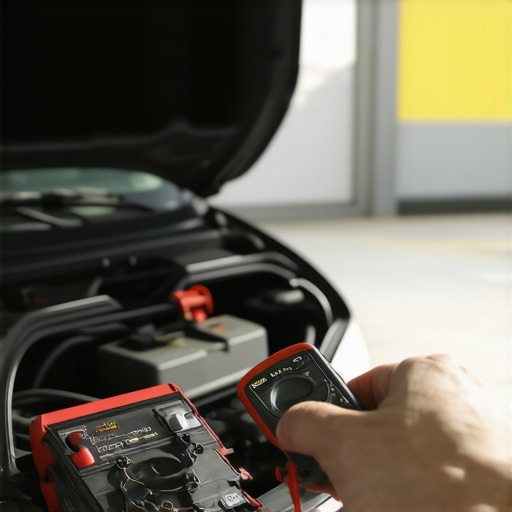
Ever been caught off guard on a chilly morning, engine cranking, but refusing to start? That sinking feeling in the pit of your stomach when you realize your car won’t fire up, and you’re left contemplating whether it’s the battery or something else? I remember the first time it happened to me. I was running late, and as I turned the key, nothing. No crank, no click—just silence. It was a lightbulb moment that made me realize how crucial it is to know the health of your car’s battery before you’re stranded.
Knowing When to Trust or Replace Your Car Battery
The truth is, many drivers don’t think much about their batteries until a failure strikes. But with a little proactive testing, you can often catch warning signs early, saving yourself time and money. Today, we’ll walk through a simple, effective method to test if your car battery is still holding a proper charge—no fancy tools required. Trust me, once you get the hang of this quick check, you’ll gain peace of mind and keep your vehicle running smoothly.
Is a Basic Test Really Reliable for the Long Run?
Early on, I made the mistake of relying solely on headlight brightness or the engine’s sluggish start to judge my battery’s health. Those clues are helpful, but they might not tell the full story. A more accurate approach involves testing the battery’s voltage with a multimeter, which is surprisingly straightforward. According to automotive experts, testing your battery’s voltage can reveal whether it’s still capable of supporting your car’s needs or if it’s time for a replacement. For a detailed guide, check out this resource.
Have you ever experienced a sudden drop in your car’s responsiveness without any obvious warning? This simple test might be the key to identifying if your battery is nearing the end of its life. Next, we’ll dive into the step-by-step process to perform this test at home, so you’re never left guessing when your car might let you down. Ready? Let’s get started and turn that frustrating mystery into a simple check you can do anytime.
about to start how to check your car battery’s charge properly, so let’s go through the steps that can save you from unexpected trouble on the road.
Gather Your Tools and Find a Safe Spot
Before diving into testing your battery, ensure your vehicle is parked on a flat, level surface with the parking brake engaged. Turn off the engine and remove the keys. You’ll need a digital multimeter—if you don’t have one, they are inexpensive and available at most auto parts stores. Wear gloves and safety glasses to protect against any accidental sparks or corrosion.
Locate Your Vehicle’s Battery
Open the hood and locate the battery—it’s usually a rectangular box with two terminals. Familiarize yourself with the positive (+) and negative (−) terminals. Clean any corrosion around the terminals with a wire brush or a mixture of baking soda and water to ensure accurate readings. <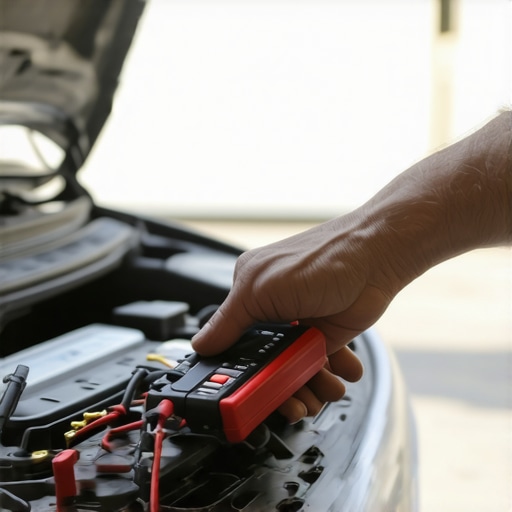 >
>
Set the Multimeter and Prepare for Testing
Set your multimeter to measure DC voltage, typically indicated by a V with a straight line and dashed line beneath it. Choose a range that can measure up to 20 volts if your multimeter isn’t auto-ranging. This setup will allow you to see the current state of your battery’s charge—think of it as a quick health check similar to checking your blood pressure.
Perform the Voltage Test
Connect the red probe to the positive (+) terminal and the black probe to the negative (−) terminal. Take the reading; a healthy, fully charged 12-volt battery should read around 12.6 volts or higher. If your reading is around 12.4 volts, your battery is at about 75% capacity. Values below 12.0 volts indicate a discharged or dying battery, which might need replacement.
Quick tip:
If your vehicle has been running, turn on the headlights for a minute and then repeat the test. A significant drop during operation could signal that the battery or charging system needs attention.
Interpret Your Results
Compare the voltage reading to the common benchmarks: above 12.6V indicates good health, 12.4V suggests it’s partially discharged, and below 12.0V points toward imminent failure. If you’re unsure, consult an auto professional or check this comprehensive guide.
Decide Your Next Step
If testing shows your battery is weak or dead, consider replacing it promptly. Regular maintenance, like regular tune-ups, can prevent unexpected failures. For a full vehicle health check, including the battery, belt, and fluid levels, read the detailed car service checklist. Proper testing can save you from unexpected breakdowns and keep your vehicle running smoothly.
While many car owners believe they understand the basics of vehicle upkeep, numerous misconceptions persist, often leading to costly mistakes. One prevalent myth is that a simple oil change will fix all engine problems. In reality, regular tune-ups involve assessing and replacing multiple components, such as spark plugs, air filters, and fluid levels, which collectively ensure optimal performance. Relying solely on oil changes to maintain your vehicle can mask underlying issues that might escalate if left unaddressed.
Another widespread error concerns brake service: many think that replacing brake pads alone is sufficient. However, brake systems are intricate, and neglecting elements like rotors, calipers, or brake fluid can compromise safety. Staying ahead of repair trends emphasizes the importance of comprehensive inspections instead of quick fixes, which can be dangerously superficial.
How do advanced diagnostics challenge traditional maintenance views?
Smart diagnostic tools and vehicle computer systems have revolutionized auto repair, revealing that many symptoms are interconnected. For example, a rough idle might be mistaken for spark plug wear, but it could actually stem from a failing sensor or fuel system issue. Relying only on visual cues or basic checks is increasingly inadequate, and diagnostic scans provide a deeper understanding, saving time and avoiding unnecessary replacements. Experts advise that integrating advanced diagnostics can dramatically improve your car’s lifespan and performance.
Beware of the trap that regular maintenance alone guarantees vehicle health; neglecting system-specific nuances can cause unforeseen breakdowns. For instance, warning signs like slight vibrations or unusual noises often indicate issues beyond the obvious, such as failing CV joints or a misaligned suspension, which require specialized attention. Recognizing these early can prevent expensive repairs down the line.
Have you ever fallen into this trap? Let me know in the comments. Being aware of what most people get wrong about auto repair empowers you to take smarter steps and collaborate more effectively with your mechanic. Remember, your vehicle’s longevity depends on understanding its true needs and resisting the urge to oversimplify complex systems.
Stay Ahead with the Right Equipment and Methods
The foundation of effective auto maintenance lies in having the proper tools and understanding the best practices. I personally rely on a high-quality digital multimeter because it offers precise voltage readings essential for diagnosing battery health and electrical issues. Unlike inexpensive analog testers, my multimeter’s auto-ranging feature prevents errors, saving me time and guesswork. For engine tune-ups, I recommend investing in a torque wrench with an adjustable setting; over-tightening or under-tightening bolts can compromise safety and performance. Using a reliable torque wrench ensures fasteners are tightened to manufacturer specifications, extending the lifespan of engine components.
Another tool I swear by is a magnetic pick-up tool for retrieving fallen nuts or screws in tight engine bays. It’s a small but invaluable gadget that prevents unnecessary dismantling. When it comes to software, diagnostic scan tools like Bluetooth-enabled OBD-II scanners allow me to quickly access vehicle fault codes on my smartphone. This real-time data helps identify issues early before they escalate into costly repairs. I prefer models with live data streaming, as they provide more comprehensive insights into engine performance and sensor readings, making diagnostics more accurate.
Predicting Future Trends in Maintenance Techniques
As vehicle technology advances, I believe integrating smart diagnostics and artificial intelligence will become standard practice. Future tools might automatically monitor critical systems, alerting you via apps when maintenance is needed, or even scheduling service appointments autonomously. Staying informed about these trends can give you a competitive edge in maintaining your vehicle’s longevity and safety, as detailed in this insightful report.
How do I maintain my tools and techniques over time?
Consistent calibration and proper storage extend the life of your tools and keep your maintenance practices reliable. Regularly clean and re-calibrate your multimeter and torque wrench according to manufacturer instructions. For software tools, keep your diagnostic apps updated to access the latest vehicle protocols. Documenting your maintenance schedule and the tools used helps track their performance and identify when replacements or recalibrations are due. Embracing ongoing education—reading updated guides or tutorials—ensures your skills stay sharp and aligned with the latest automotive advancements.
To get started, try calibrating your multimeter using a known voltage source and explore the advanced diagnostic features on your scanner. This hands-on approach will improve your troubleshooting accuracy and empower you to tackle more complex issues with confidence. Remember, quality tools combined with proper maintenance habits are your best defense for keeping your vehicle reliable on the road.
Over the years, I’ve learned that proactive car maintenance saves not just money but also peace of mind. Knowing when your battery is on its way out—instead of being caught off guard on a cold morning—can make all the difference. Through personal experience and deep dives into automotive best practices, I’ve uncovered some lessons that often stay hidden behind the scenes but are absolutely vital for every car owner.
The Hardest Lesson I Learned About auto repair,car service,tune up,brake service
- Patience beats haste. Rushing through simple checks can lead to overlooking signs of impending battery failure. Taking the time to perform a voltage test can reveal a weak battery long before it refuses to start.
- Not all symptoms are equal. Bright headlights during a start or a sluggish engine might seem enough, but a true test involves using a multimeter to see the real voltage—the ultimate indicator of health.
- Neglecting environmental factors is a costly mistake. Cold weather, for instance, accelerates battery drain, so regular checks during winter are essential to ensure you’re not stranded when it matters most.
- Tools matter more than fancy instruments. A reliable digital multimeter is a small investment for a huge payoff—preventing breakdowns and optimizing your vehicle’s performance.
- Complex systems demand more than surface-level checks. Modern diagnostics, like OBD-II scanners, can uncover hidden issues that simple tests might miss, emphasizing the importance of staying ahead with technology.
Gear Up for Success With My Go-To Resources
- Multimeter: I personally recommend the Fluke 117 because of its precision, durability, and user-friendly interface. It helps me quickly assess whether a battery truly needs replacing.
- Diagnostic tools: A Bluetooth-enabled OBD-II scanner is invaluable, especially models like the BlueDriver. It offers real-time data and code reading, saving countless trips to the mechanic.
- Trusted guides: Websites like this detailed resource break down testing procedures clearly, making DIY checks straightforward even for beginners.
- Educational content: Regularly reading up on automotive trends at auto repair trend reports keeps me updated on emerging diagnostic techniques and tools, ensuring my troubleshooting skills stay sharp.
Let Your Passion Drive Your Vehicle Forward
Maintaining your car’s battery health isn’t just about avoiding breakdowns—it’s about empowering yourself to understand your vehicle better. Imagine knowing exactly when to replace your battery or catch early warning signs that otherwise go unnoticed. This knowledge transforms you from a passive driver into an active participant in your vehicle’s longevity. I encourage you to take that first step—test your battery today, explore new tools, and keep learning. Your car—and your future self—will thank you for it.
What methods have you found most effective for keeping your vehicle in top shape? Share your tips below and let’s learn from each other’s experiences!