
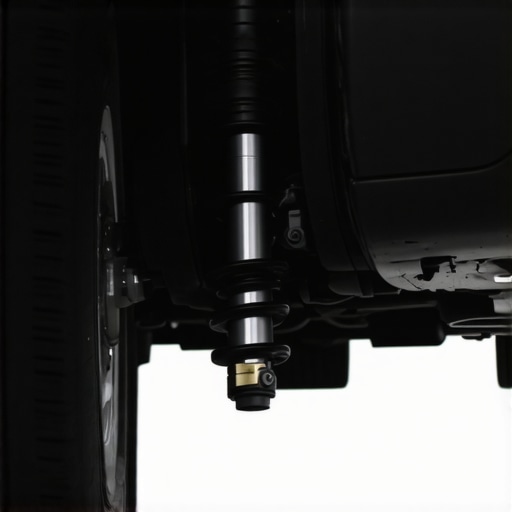
You know that unsettling feeling when your car suddenly bounces over every bump like it’s got springs for springs? I hit that point once on a rainy afternoon, navigating a pothole-laden street, and thought, “Uh oh, my suspension’s giving up on me.” Turns out, those literal jolts weren’t just annoying—they were my hint that my shocks needed some attention. That lightbulb moment made me realize just how sneaky worn shocks can be; they often notify us through symptoms that can be mistaken for other issues.
Why Ignoring Shock Signs Can Cost You
When shocks wear out, it’s not just about a bumpier ride. Poor suspension affects your entire vehicle’s handling, braking, and tire life. Skipping or delaying diagnosis can lead to uneven tire wear, reduced safety, and even more expensive repairs down the line. According to Car and Driver, faulty shocks can cause your stopping distance to increase by as much as 20%, which could be the difference between a close call and an accident. So, how do you tell if those bouncing sensations are a sign of worn shocks or just a rough road?
Is Checking Shocks Really Worth the Hassle?
I admit, I used to think that replacing shocks was only necessary when they visibly leaked or broke apart. The early mistake I made? Ignoring subtle cues and waiting for obvious failure, which sometimes meant I was already risking my safety. The good news is, there’s a straightforward way to get a good idea about your shocks without crawling under your car every weekend. Start by inspecting for fluid leaks, cracked mounts, and uneven tire wear. If you notice any, it’s probably time for a professional assessment. For a step-by-step guide on what signs to look for, check out this helpful post on troubleshooting common auto repair issues.
Are your shocks silently reducing your vehicle’s safety and comfort? If yes, don’t worry. I’ve got some practical tips to share that will help you diagnose shock wear like a pro—without needing to be a mechanic. Let’s dive into what you should do next to keep your ride smooth and safe.
Start With a Visual Inspection
Park your car on a level surface and grab a flashlight. Crawl under the vehicle, and look for fluid leaks, cracked or torn rubber boots, and damaged mounts. Worn shocks often leak hydraulic fluid, which appears as oily spots on the shock body. When I checked my own shocks after noticing excessive bouncing, I found a small crack in the rubber boot, indicating imminent failure. Addressing these issues early saves money and enhances safety.
Test Shock Performance Manually
Before heading to a mechanic, perform a simple bounce test. Push down firmly on one corner of your car and release. The vehicle should bounce once or twice before settling. If it continues bouncing, your shocks are likely worn out. This method is quick and can be done anytime. I tried this after hearing a squeaky bounce during my commute, and the test confirmed I needed new shocks. Making this simple check part of your routine helps maintain optimal handling.
Assess Tire Wear Patterns
Uneven tire wear, especially cupping or scalloping, can signal suspension issues. Check your tires regularly for irregularities—these could point to shocks that aren’t damping road bumps properly. When I noticed my front tires developing strange wear, I took a closer look at the shocks and found they were no longer absorbing bumps effectively. Regular tire inspections, combined with shock checks, can prevent premature tire replacement.
Use a Push-Off Test at a Service Center
If you’re unsure, visit a trusted auto service shop for a professional assessment. Mechanics perform a push-off test, where they apply force to the vehicle’s corner and observe its rebound. Excessive movement indicates worn shocks. Remember, staying ahead with regular inspections can prevent handling deterioration. For detailed pre-visit tips, see our guide on troubleshooting auto issues before visiting the shop.
Understand When to Replace Your Shocks
Shocks typically need replacing every 50,000 to 100,000 miles, but if you experience constant bouncing, nose-diving during braking, or poor handling, don’t delay. Think of shocks as the foundation of your vehicle’s comfort and safety; neglecting them is like ignoring a leaky roof—eventually, it causes more damage. Keeping an eye on these symptoms ensures your vehicle remains safe and performs at its best.
Many car owners operate under the misconception that all auto repairs and tune-ups are straightforward and universally applicable. But in my experience, this oversimplification can lead to costly mistakes and overlooked subtleties that influence your vehicle’s longevity and safety. Contrary to the popular belief that routine maintenance is just about replacing parts on schedule, I’ve found that understanding the specific nuances—like the wear patterns of your brake pads or the peculiarities of your vehicle model—can significantly improve results.
A common myth is that all brake services are the same, but the truth is, different driving habits and vehicle types require tailored approaches. For example, aggressive drivers might need more frequent pad replacements or specialized rotor maintenance. Moreover, many don’t realize that performing a simple inspection of brake fluid quality can prevent devastating failures. It’s not just about replacing pads; it’s about understanding when the brake fluid needs flushing—something often overlooked until a failure occurs.
Another hidden nuance concerns tune-ups. Most believe they’re only necessary when the engine stalls or during major overhauls. In reality, modern vehicles benefit from proactive, diagnostic-driven tune-ups that address subtle issues like misfires or sensor misreads—problems that aren’t immediately evident but compromise engine performance and fuel efficiency. As suggested in this guide, regular, targeted tune-ups can extend your engine’s lifespan and save money in the long run.
Now, a trap I often see owners fall into: assuming that all auto repair shops are equally skilled. This is dangerous because, without specific expertise—like understanding the latest trends in auto repair trends for 2025)—you risk subpar fixes that may only mask symptoms rather than solve root issues. For instance, a quick fix on a brake caliper might feel effective initially but could lead to uneven braking or rotor damage if the technician doesn’t recognize the underlying cause.
Advanced car issues often involve diagnosing problems that manifest subtly. For example, a slight steering pull might seem trivial but can indicate uneven brake pad wear or a misaligned suspension component. Recognizing these nuances requires an attentive eye and experience. That’s why I recommend deep-diving into vehicle diagnostics or consulting credible resources like troubleshooting guides before heading to a shop.
In essence, recognizing that each vehicle is unique—and that repairs are rarely one-size-fits-all—is crucial for safe and cost-effective maintenance. Ignoring these nuances can lead to premature wear, safety hazards, and unnecessary expenses. Have you ever fallen into this trap? Let me know in the comments!Maintaining your vehicle over time requires more than just a routine visit to the shop; it demands the right tools, consistent monitoring, and a proactive mindset. One of my top recommendations is investing in a high-quality OBD-II scanner, like the BlueDriver, which I personally use to diagnose engine codes quickly and accurately from home. This device saves me time and helps catch issues early, especially when a check engine light appears unexpectedly. Additionally, a reliable torque wrench, such as the Tekton 1/2 inch drive model, ensures that bolts—particularly critical ones in brake and suspension components—are tightened to manufacturer specifications, preventing future failures. Remember, proper torque application is essential for safety and longevity, as highlighted in the [Auto Repair Trends for 2025](https://glassfixauto.com/auto-repair-trends-to-watch-in-2025-staying-ahead-of-the-curve). For fluid inspections, I rely on a quality coolant tester and brake fluid hydrometer to assess whether these vital liquids need replacement, helping avoid costly repairs down the line. To keep your tires in optimal shape, a digital tread depth gauge is invaluable—it provides precise measurements, guiding timely rotations and replacements. Looking ahead, the industry predicts smarter, more integrated diagnostic tools that sync with your smartphone, making maintenance even more accessible and precise. As I prepare for my next tune-up, I plan to incorporate a thermal imaging camera to spot hidden leaks or overheated components before they cause damage. Want to ensure your vehicle stays reliable on the road? I recommend trying the manual bounce test after a service, as it’s a straightforward way to assess shock performance without the immediate need for high-tech gadgets. Regularly using these tools and techniques not only prolongs your vehicle’s lifespan but also enhances safety and driving comfort. Interested in more detailed strategies? Check out [Maximize Your Car’s Lifespan with Expert Tune-Up Strategies](https://glassfixauto.com/maximize-your-cars-lifespan-with-expert-tune-up-strategies) for actionable tips that will keep your car running smoothly year after year.
Lessons Only the Wiser Drivers Learn
One crucial realization I had was that not all warning signs are created equal; some are your vehicle’s intimate whispers, not loud shouts. For instance, I once ignored subtle vibrations in my steering wheel, thinking it was just a road imperfection. That oversight nearly led me to a costly repair because I missed the chance to catch an early suspension wear indicator. Listening to these nuanced signals transformed my approach—now I pay closer attention, trusting my instincts alongside visual checks.
Another lightbulb moment was understanding the importance of routine inspections, not just reactive fixes. Regularly checking tire wear patterns or the condition of shock boots can reveal impending issues before symptoms escalate. It’s like healthcare—preventive care saves you from emergency treatments later. This proactive mindset ensures safety without the stress of unexpected breakdowns, making each drive smoother and more confident.
Finally, I learned that investing in quality diagnostic tools, like a reliable OBD-II scanner, empowers you with insights usually reserved for professionals. These devices are game-changers—they help identify lurking problems early, saving money and extending your vehicle’s lifespan. Trust me, mastering your car’s health isn’t about waiting for the engine to cough; it’s about understanding the silent signs and acting wisely.
Tools and Treasures for Every Car Enthusiast
My must-have toolkit includes a high-quality OBD-II scanner, such as BlueDriver, which offers detailed engine diagnostics right from your smartphone. I rely on this device because it turns complex codes into understandable information, helping me prioritize repairs accurately.
For physical checks, a sturdy torque wrench like Tekton ensures every bolt—especially in brake and suspension components—is tightened to specs, preventing future mishaps. These tools have saved me from costly mistakes and give peace of mind during DIY maintenance.
Assessing fluid quality is another area where I swear by simple but effective tools. A brake fluid hydrometer or coolant tester quickly reveals if your vital liquids are due for a change, ensuring safety and optimal performance. Investing in these diagnostic aids is like giving your vehicle a regular health check—vital for longevity and reliability.
Lastly, a digital tread depth gauge helps me keep my tires in check, balancing safety with savings by preventing premature replacements. With the industry leaning toward smarter maintenance, I plan to incorporate thermal imaging cameras for early leak detection, staying ahead of potential breakdowns. Proactive maintenance tools have become my secret weapon—are you ready to make them yours?
Drive Forward With Confidence and Curiosity
Your vehicle is more than just a means to get from point A to B—it’s a partner on your journey, silently sharing signals that, if understood, can save you money and keep you safe. Embrace the nuance and take charge of your car’s health. Regular, attentive care transforms frustration into confidence, ensuring every ride is smooth and secure. Remember, mastering these small secrets leads to a lifetime of dependable performance, and that peace of mind is worth every effort.