
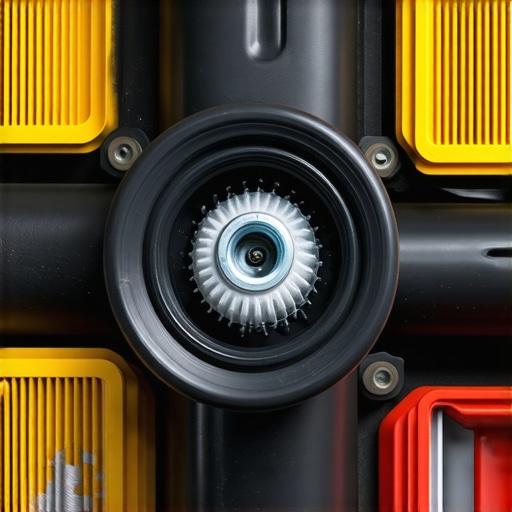
I remember that sinking feeling when my car started sputtering unexpectedly on a quiet Sunday drive. The engine hesitated, jerked, and then crawled forward like it was fighting itself. That moment of panic made me realize I’d overlooked one of the simplest yet most overlooked issues—my fuel filter. Years ago, I thought a clogged fuel filter was just an inconvenience, but I quickly learned it can become a real roadblock, sometimes literally.
Today, I want to share my experience and guide you through recognizing the warning signs of a clogged fuel filter before it turns into a costly repair or leaves you stranded. Trust me, catching these early signals can save you both time and money—and keep you safe on the road.
Why Recognizing the Signs Early Matters More Than You Think
A clogged fuel filter can stealthily undermine your vehicle’s performance. When dirt and debris accumulate in the fuel system, they restrict fuel flow, causing engine misfires, poor acceleration, or even stalling. The scary part? Many drivers dismiss these symptoms as minor issues or normal wear.
What surprised me early on was how a simple maintenance oversight could lead to major breakdowns. According to the AAA Foundation for Traffic Safety, vehicle failures caused by neglected fuel system components account for a significant portion of roadside emergencies. Recognizing the signs early can mean the difference between a quick fix and a long, inconvenient breakdown.
Have you ever felt that your car isn’t running as smoothly as it used to, or noticed it struggles to start sometimes? If so, it might be time to pay closer attention to your fuel system.
Is a Clogged Fuel Filter Worth All the Hype?
Here’s where I made a common mistake early in my DIY days—I ignored the subtle warnings and delayed replacing the fuel filter, thinking it was just an extra chore. That hesitation cost me in the long run, with a rougher ride and increased fuel consumption. The hard truth is, while some might consider fuel filters as optional or overhyped, regular inspection and timely replacement can extend your vehicle’s lifespan significantly.
Stay tuned—next, we’ll dive into the tangible signs your fuel filter might be clogging up and what actions you should take. If you’re unsure whether your car needs professional attention, don’t hesitate to reach out through our contact page for expert advice. Recognizing these early signs today can keep your car running smoothly tomorrow.
Gather Your Tools and Prepare the Workspace
Start by collecting essential tools—most importantly, a socket set, pliers, a new fuel filter, and safety gloves. Park your car on a flat surface, engage the parking brake, and disconnect the negative battery terminal to prevent any electrical sparks. Remove all flammable materials from the workspace to ensure safety, as fuel vapors are highly combustible. I once faced a small fuel spill during my first replacement attempt, which taught me the importance of having a fire extinguisher and proper ventilation nearby.
Relieve Fuel System Pressure
Before disconnecting any fuel lines, relieve the system pressure to prevent spray or spills. Locate the fuel pump relay in the fuse box—consult your vehicle’s manual if unsure—and remove it. Turn the ignition key to the ‘ON’ position for about 10 seconds, then to ‘OFF,’ and repeat a couple of times. This process depressurizes the fuel lines. I learned this step the hard way when a sudden fuel spray soaked my shirt, underscoring the need for patience and proper precautions.
Disconnect Fuel Lines Carefully
Identify the fuel lines connected to the old filter. Use pliers to loosen the clamps securing the lines—be ready for residual fuel to leak. Place catch containers or rags beneath the lines to catch drips. When I replaced my fuel filter, I used a shop towel to cover the open line, preventing fuel from splashing onto the engine bay. Remember, wear gloves to protect your skin from fuel exposure and clean spills immediately.
Remove and Replace the Fuel Filter
Carefully detach the old filter from its mount, noting the orientation (flow direction). Install the new filter in the same direction, ensuring all connections are tight but not overtightened. If your new filter has a built-in directional arrow, confirm it matches the flow of fuel—typically from the tank towards the engine. During my last swap, I took a quick photo of the original setup; this saved me time and confusion during installation.
Reconnect Lines and Test the System
Reattach the fuel lines securely, tighten clamps, and double-check all connections. Reinstall the fuel pump relay and reconnect the negative battery terminal. Turn the ignition to the ‘ON’ position without starting the engine and listen for the fuel pump to prime. Check for leaks around the filter and lines. When I did this, a quick inspection revealed a minor clamp leak that I corrected before starting the engine, preventing future fuel leaks or fire hazards.
Start the Engine and Verify Operation
Start your vehicle and observe its behavior. The engine should run smoothly without hesitation or stalling. If you notice any leaks or strange noises, turn off the engine immediately and re-tighten fittings. In my case, running the engine for a few minutes helped circulate the fuel through the new filter, ensuring proper operation. Regularly inspecting your work ensures safety and optimal performance, helping you avoid roadside breakdowns due to neglected fuel system maintenance.
Many vehicle owners operate under misconceptions about brake service and general auto repairs. A prevalent myth is that all brake pads wear out equally fast; in reality, driving habits, brake quality, and maintenance schedules significantly influence lifespan. For instance, frequent heavy braking can accelerate pad wear, demanding more attentive inspection schedules. Moreover, some assume that a squealing brake noise always indicates worn pads needing replacement—though sometimes, it’s just a sign of dust or moisture. Understanding these nuances helps prevent unnecessary replacements and costly repairs.
Is a Complete Brake System Overhaul Always Necessary?
Contrary to popular belief, not every brake squeal or pedal vibration calls for an entire system overhaul. Often, issues stem from specific components like warped rotors or sticking calipers, which can be addressed individually. Regular diagnostics and maintenance, like checking [brake fluid quality](https://glassfixauto.com/brake-service-myths-what-you-need-to-know-before-your-next-stop), can extend the life of your brake system and avoid premature replacements. Advanced signs such as vibrations at certain speeds or a burning smell indicate underlying problems that require expert attention—don’t ignore these. Interestingly, a study published by SAE International highlights that targeted repairs save vehicle owners up to 30% compared to full-system replacements.
One common trap is neglecting to address minor brake issues promptly, which can lead to more severe damage and safety hazards. If you’ve experienced uneven braking or strange noises, it’s wise to schedule a professional inspection rather than misdiagnosing the problem yourself. For reliable diagnostics and repairs, reach out to a trusted mechanic through our contact page. Staying informed and proactive about your vehicle’s brake health ensures safety and longevity on the road.
Maintaining your vehicle’s performance requires more than basic knowledge; it demands specialized tools and proven methods to ensure longevity and safety. One of my favorite investments is a quality automotive scan tool like the BlueDriver Bluetooth Scan Tool, which I personally use to diagnose engine codes quickly and accurately. Unlike generic code readers, this device connects seamlessly with my smartphone, providing detailed diagnostics and fostering a deeper understanding of vehicle systems.
Why investing in a professional-grade scan tool pays off
These tools can identify issues before they escalate, saving you costly repairs down the line and helping you plan proactive maintenance. As technology advances and vehicles become more complex, having the right diagnostic equipment becomes indispensable. Future trends suggest that integration of OBD-II devices with cloud-based analytics will become standard, enabling real-time health monitoring for your car.
How do I maintain my diagnostic tools over time
To keep your diagnostic equipment performing optimally, store it in a dry, cool place away from direct sunlight, and regularly update firmware or software provided by manufacturers. Also, calibrate your tools periodically according to the manufacturer’s instructions—this ensures data accuracy. For example, I replace my Bluetooth module’s batteries annually to prevent communication issues. Using a quality diagnostic tool not only streamlines repairs but also deepens your understanding of your vehicle’s inner workings. Try pairing your scan tool with a comprehensive maintenance checklist like our Car Service Checklist to maximize your auto care routines. A quick tip: regularly clearing and archiving old diagnostic reports helps track recurring issues and trends, making future repairs more efficient. As vehicle technology evolves, so should your approach to maintenance, with advanced tools leading the charge. Embracing these tools and practices will help you stay ahead of potential problems, ensuring your car remains reliable and safe for the long haul. Remember, proactive maintenance is key to a trouble-free ride—start today by exploring the latest diagnostic devices and incorporate strategic updates into your auto care regime. For expert support on maintaining your vehicle tools and systems, don’t hesitate to reach out through our contact page. Keep your car in peak condition, and you’ll enjoy smoother drives for years to come.
The Hard-Earned Wisdom About Regular Maintenance
One of the most profound lessons I’ve learned is that proactive vigilance beats reactive repairs every time. Overlooking small signs—like a minor misfire or a subtle change in fuel efficiency—can escalate into major, costly issues. Before diving into DIY fixes, remember that understanding your vehicle’s unique quirks, such as noticing when your engine hesitates during acceleration, is key to preventing breakdowns. These personal insights come from experience and paying close attention to your car’s behavior, reinforcing the importance of ongoing learning and curiosity.
Tools and Resources That Truly Make a Difference
Investing in quality tools such as the BlueDriver Bluetooth Scan Tool has transformed the way I approach vehicle diagnostics. Not only does it save me time, but it deepens my understanding of complex engine systems. Additionally, trusted resources like our comprehensive Car Service Checklist guide help me stay on top of routine maintenance without feeling overwhelmed. These tools and guides are reliable because they evolve with automotive technology, empowering me to handle minor issues confidently and prevent major failures.
Your Drive Toward Confidence and Security
Embrace the journey of auto maintenance with curiosity and patience. Every repair, no matter how small, adds to your confidence as a vehicle owner and your capacity to keep your car running smoothly for years to come. Remember, the habits you build today—like checking your fuel filter signs early or updating your diagnostic tools—are investments into peace of mind on every trip. So, take the next step with enthusiasm; your car will thank you, and so will your wallet. If you ever feel uncertain, don’t hesitate to reach out via our contact page for expert support. What’s one small maintenance task you plan to tackle this week to boost your vehicle’s reliability? Share your plans below!