
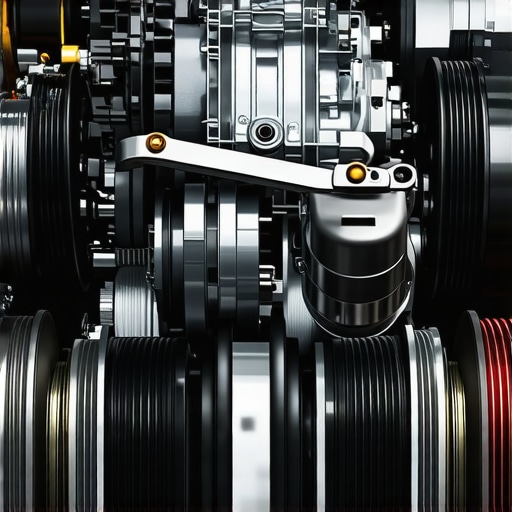
It was a scorching Saturday afternoon when I finally decided to take the family out for a long drive, only to be greeted by that annoying, high-pitched whine turning up every time I pressed the gas pedal. My heart sank—was my beloved car signaling a serious problem? That moment of frustration was my *lightbulb* moment. I realized that strange whining sound isn’t just a nuisance; it’s a warning sign that shouldn’t be ignored.
The Silent Warning in Your Car’s Scream
The first time my car whined loudly under acceleration, I brushed it off as a minor squeal. But as days went by, the noise persisted and even worsened. Turns out, that whine could stem from several issues—like a slipping serpentine belt, worn-out alternator bearings, or issues within the power steering system. Ignoring these sounds can lead to costly repairs down the line. I learned the hard way that understanding what your car’s noises mean can save you a lot of money and hassle.
Is Your Car Whining Worth Worrying About?
Many car owners dismiss these noises as normal or forget to take action until something more serious happens. I made the mistake early on of waiting too long before having my vehicle inspected, which resulted in a more expensive fix than I’d hoped. If you’re asking yourself whether that whining is just a fleeting squeal or something dangerous, consider this: The sooner you address it, the better. Regular maintenance and quick troubleshooting can prevent small issues from turning into big emergencies.
So, are you tired of that nagging whining ruining your drives? Well, don’t worry—I’m here to help you decode the sound, identify the source, and get back to smooth sailing. Ready to learn the real reason behind that noise and how to fix it before it costs you more? Let’s dive into the details that can keep your car running quietly and reliably for miles to come.
Isolate the Source of the Noise Quickly
Start by duplicating the conditions when the whining occurs—like gently revving the engine at idle or during acceleration—and listen carefully. Use a mechanic’s stethoscope or even a long screwdriver to pinpoint the exact part making the noise, placing it close to components like the serpentine belt or alternator. Remember, a high-pitched whine often originates from the belt system, so focus here first. I once used a silicone hose as a makeshift stethoscope to localize a squeal, which helped me identify a loose belt tensioner before it caused more damage.
Check the Serpentine Belt Condition
Remove the accessory belt following the manufacturer’s instructions, using a wrench to release tension. Visually inspect for cracks, glazing, or missing chunks—these signs indicate it’s time to replace. If the belt looks worn, it can slip or squeal under load. Replacing it is straightforward but critical—think of it as changing a worn-out shoelace to prevent trips and falls. For detailed guidance, visit this tune-up checklist. I once neglected a squealing belt on a road trip, leading to belt failure that stranded me miles from help, reinforcing the importance of early inspection.
Replace the belt if necessary, ensuring proper alignment and tension. Use a tension gauge or follow factory specs to prevent slipping or premature wear. If tensioning a new belt, be precise: too tight can strain pulleys, too loose reduces grip—much like tensioning a guitar string for optimal sound. After replacing, start the engine and observe if the whine persists. Properly routed belts usually resolve the issue at this stage.
Inspect the Power Steering System
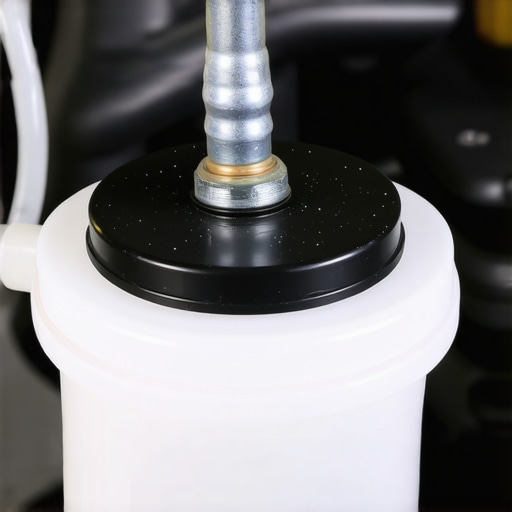
If the whine appears when turning the wheel, the power steering could be the culprit. Check the power steering fluid level—low fluid may cause a whining sound similar to a moaning ghost. Remove the cap and verify fluid against the manufacturer’s recommended level. If low, top up with the correct fluid type—using the wrong fluid can cause internal damage. I once added improper fluid, which led to harsher noises; following the manual prevented that mishap. Also, inspect hoses for leaks or cracks, since compromised hoses can cause fluid loss and air ingestion, amplifying noise. Replacing damaged hoses or topping off fluid can often eliminate the whine. Consider using a power steering fluid additive to improve viscosity and noise reduction, but check compatibility beforehand.
Another mistaken belief revolves around the idea that engine tune-ups are only about replacing spark plugs and air filters. While these are essential, advanced diagnostics often reveal underlying issues such as faulty sensors or clogged fuel injectors that can significantly impact performance and fuel efficiency. Modern vehicles utilize computer systems that require specialized scan tools for accurate diagnostics, which many DIYers wrongly dismiss as unnecessary. A forgotten nuance is the importance of timing belts or chains; neglecting them can cause catastrophic engine failure, yet many still view these as optional replacements based on mileage alone, which is a costly oversight.
Why Do People Often Mistake Cheap Repairs for Long-Term Savings?
It’s tempting to opt for the cheapest service, but cutting corners on critical maintenance like fluid exchanges or system flushes can lead to more severe damage later. A study from the Auto Care Association indicates that improper repairs or skipped maintenance make up the largest share of roadside breakdown causes. This is why understanding the subtleties—like the difference between quality brake fluid and cheap substitutes—is vital for longevity and safety. Skipping or delaying these essential services often results in increased repair costs down the line, which could have been avoided with proper preventative care. For instance, regularly scheduled brake fluid changes prevent corrosion and ensure consistent pedal feel, a small step that many consider unnecessary until full system failure occurs. I recommend consulting expert guides such as [this comprehensive car service checklist](https://glassfixauto.com/car-service-checklist-how-to-keep-your-vehicle-in-top-shape) to grasp these crucial details.
Avoid the trap of assuming everything is minor or cosmetic. A seemingly insignificant squeak might be signaling an imminent brake caliper failure, which can be dangerous if not addressed promptly. Additionally, be cautious of the myth that auto repairs should be DIY-only; complex systems like ABS or traction control require specialized knowledge and tools to diagnose properly. Relying on untrained repairs not only risks safety but can also void warranties. To truly master auto care, you need to understand the subtle signs and avoid common pitfalls that even experienced owners sometimes overlook. Would you like to learn more about staying ahead of these hidden issues? Visit [our troubleshooting guide](https://glassfixauto.com/troubleshooting-common-auto-repair-issues-before-visiting-the-shop) for actionable advice. Remember, proactive maintenance is your best defense against costly failures—don’t fall into the trap of complacency!
Have you ever fallen into this trap? Let me know in the comments.Keeping your vehicle in top shape isn’t just about knowing what to do; it also requires the right tools. High-quality diagnostic equipment, such as an OBD-II scanner like the BlueDriver Pro, allows me to quickly identify engine trouble codes and monitor real-time data, saving me hours and money. For routine maintenance, a torque wrench ensures components are tightened to manufacturer specs, preventing premature wear. I personally rely on a digital multimeter to test electrical circuits, especially when diagnosing mysterious issues like power window failures or sensor glitches—it’s a versatile tool every car owner should own. A good set of socket wrenches and screwdrivers helps me tackle everything from oil changes to replacing sensors without damaging fasteners. When it comes to visual inspections, a reliable flashlight and a mirror ensure I can see into tight spots, like behind the dashboard or inside the engine bay, making troubleshooting more efficient.
Looking ahead, I predict that the integration of smart diagnostic tools with smartphone apps will continue to evolve, making auto maintenance even more accessible for DIY enthusiasts. This trend will empower car owners to perform more advanced diagnostics at home, reducing reliance on expensive shop visits.
How do I maintain tools over time?
To keep my tools functioning accurately, I clean and lubricate them after each use, especially those exposed to dirt, grease, or moisture. Storing them in a organized toolbox prevents damage and loss. For electronic devices like my scanner or multimeter, I check the batteries regularly and keep them in a dry, cool place. Calibration is another crucial step—periodically verifying my multimeter against a known standard ensures measurement accuracy. Investing in quality tools also means I replace or repair any worn or damaged items promptly, so I can trust my equipment when diagnosing critical issues.
If you want to get serious about maintaining your car, I recommend trying out a professional-grade OBD-II scanner. Not only does it give you immediate insights into your engine’s health, but it also helps prevent small problems from escalating into costly repairs. For a comprehensive guide on how tools enhance your vehicle’s longevity, visit [maximizing your car’s lifespan with expert tune-up strategies](https://glassfixauto.com/maximize-your-cars-lifespan-with-expert-tune-up-strategies). And if you’re unsure about how to start, don’t hesitate to reach out through our [contact page](https://glassfixauto.com/contact-us). Remember, well-maintained tools lead to well-maintained cars—invest in quality and care for your vehicle the right way.
Lessons Only the Hard Way Taught Me About Brake Service and Auto Repairs
- I used to dismiss those high-pitched squeals as minor issues, but now I realize that ignoring early signs often leads to costly, avoidable repairs. That moment when I realized a simple belt check could save me hundreds taught me the importance of proactive maintenance.
- Understanding the nuances of your vehicle’s noises transforms you from a casual owner into an informed caretaker. The time I spent learning to differentiate between harmless squeals and critical warnings has made me more confident behind the wheel.
- Investing in quality diagnostic tools and reliable resources has meant catching problems early—saving money and peace of mind. My experience with troubleshooting electrical issues using basic multimeters has been nothing short of empowering.
My Go-To Resources for Keeping My Car in Top Shape
- Expert advice on [the importance of regular tune-ups](https://glassfixauto.com/how-regular-tune-ups-improve-fuel-efficiency-and-safety) has been invaluable. It’s a cornerstone for ensuring your vehicle runs smoothly long-term.
- For practical tools, I trust a good [OBD-II scanner](https://glassfixauto.com/troubleshooting-common-auto-repair-issues-before-visiting-the-shop). It provides immediate insights into issues that could otherwise be a mystery, helping me avoid unnecessary trips to the mechanic.
- Reading guides like [this comprehensive car service checklist](https://glassfixauto.com/car-service-checklist-how-to-keep-your-vehicle-in-top-shape) keeps me focused on the essentials, ensuring I don’t overlook the little things that keep my car running reliably.
- Lastly, staying connected with trusted auto repair professionals through [the contact page](https://glassfixauto.com/contact-us) gives me peace of mind, knowing expert help is just a click away when I need it most.
Your Journey Starts Now—Drive Confidently
Embracing the knowledge and tools to decode your car’s signals isn’t just smart—it’s empowering. Every drive becomes safer and more enjoyable when you’re in tune with your vehicle’s needs. Remember, the real difference lies in noticing those subtle whispers before they turn into loud, costly problems. Equip yourself with insights, resources, and a proactive attitude, and you’ll enjoy countless miles of trouble-free driving. Are you ready to listen more closely to what your car is telling you? Share your experiences below—what’s the most unexpected repair you caught early with a keen ear?