
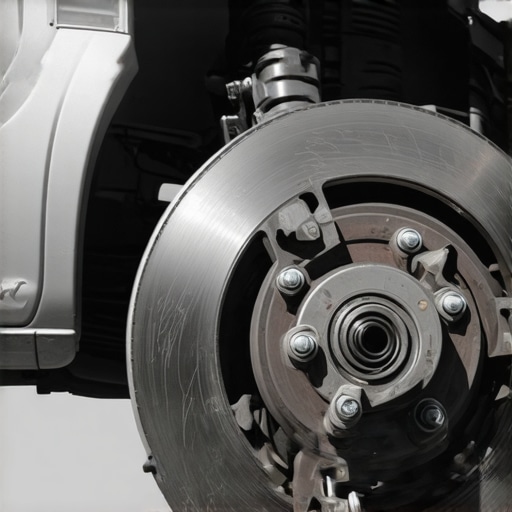
It was a hectic morning, and I was rushing to get my kids to school when I heard that unmistakable scraping noise as I applied the brakes. My heart sank. I’ve been there—thinking, “Oh no, what’s wrong with my brakes?” That sound can turn a routine drive into a mini heart attack. That moment of dread made me realize how unprepared I was for unexpected car noises and how easy it is to ignore warning signs until they become major problems.
Why that unsettling scraping noise deserves your attention
That horrible scraping sound isn’t just annoying—it’s a red flag. When I first heard it, I brushed it off as a minor squeal, but it kept getting worse. Turns out, that noise might be telling you that your brake pads are wearing thin and need immediate attention. Ignoring it can lead to more serious issues like damaged rotors, which are far more costly to fix. It’s a mistake I made early on—assuming that minor sounds were nothing to worry about. Since then, I’ve learned that listening to your car’s signals can save you a lot of money, time, and stress. For practical advice on maintaining your brake system, check out how regular tune-ups can help maximize your car’s lifespan.
Is that scraping sound really worth the fuss?
Honestly, I used to ignore the small noises—thinking, “It’s probably nothing.” But I learned the hard way that even a faint scraping can escalate rapidly. Early in my auto repair journey, I overlooked that subtle sound, only to be greeted later by a grinding ride that cost hundreds more to repair. So, I now pay attention to the tiniest clues my car gives. If you’re like me, wondering whether that noise is just a quirk or a sign of real trouble, don’t hesitate to get a professional opinion. You might find it helpful to read about some common auto repair issues before your next visit to the shop. And if you’re unsure about the safety of your brakes, it’s always better to consult an expert—reach out through our contact page for trusted assistance.
What’s coming next?
In the sections ahead, I’ll guide you through how to identify whether your brake noise is a minor issue or something more serious. We’ll cover simple ways to check your brake pads and rotors at home, and when it’s time to call in the pros. Trust me, taking action now can prevent costly repairs later. So, let’s dive into what causes that scraping sound and how you can tell if your brakes need urgent attention—because your safety and your wallet will thank you.
Inspect the Brake Pads Carefully
Start by examining your brake pads—you can do this safely by turning your wheel so the brake caliper is accessible. Look through the gaps to see the pad thickness. If the pad friction material is less than a quarter-inch or you notice uneven wear, it’s time to consider a replacement. I once had a similar experience when I noticed uneven pad wear and decided to replace them myself, which saved me a couple hundred dollars. For a full understanding of how to handle brake components, visit this comprehensive brake repair guide.
Many car owners operate under simple assumptions about auto repair and servicing, but the reality is far more complex. One common misconception is that routine maintenance is only necessary when something visibly goes wrong. In fact, seasoned professionals know that subtle nuances can significantly extend your vehicle’s lifespan and safety. For example, over-relying on mileage intervals alone without considering driving habits or environmental factors can lead to premature wear on critical components. According to automotive expert John Davis, regular inspections that go beyond the checklist identify issues before they escalate, saving you money and stress.
Another pitfall is the belief that all auto repairs are equal. Consumers often think that a basic oil change suffices for all vehicles, but the specific needs vary widely among models and driving conditions. Skipping specialized services, like a comprehensive brake inspection, might seem harmless but can mask underlying problems. Brake components, especially, have nuanced behaviors; a driver who notices a slight squeal might ignore it, assuming it’s just brake pad wear. However, that squeal could indicate a caliper sticking or fluid contamination—issues that require expert attention to prevent costly damage. Learn more about these subtleties at this in-depth brake service guide.
Further, the myth that DIY auto repairs are always cost-effective is widespread. While minor tasks like replacing air filters are manageable, tackling complex systems like the transmission or suspension without professional tools, knowledge, and diagnostic equipment can do more harm than good. An advanced mistake many make is misdiagnosing a symptom; for instance, a car pulling to one side might seem like a simple tire issue, but it could be a warped rotor or misaligned suspension. Failing to identify this nuance can result in repeated repairs and safety hazards. For insights on avoiding common diagnostic traps, review this troubleshooting resource.
What about the importance of quality parts? Many drivers opt for cheaper alternatives when replacing brake pads or fluids, thinking they are interchangeable. However, subpar materials can compromise safety and durability. For example, using incompatible brake fluid types may lead to corrosion and brake failure—a mistake that can be catastrophic. Industry standards emphasize matching the right specifications, which are often overlooked in budget fixes. To explore these standards, see this comprehensive article.
In conclusion, understanding the nuanced aspects of auto repair—like component specifications, driving habits, and early warning signs—can vastly improve your vehicle’s reliability. Don’t fall for simplistic beliefs that skipping expert advice or ignoring minor symptoms is safe. Instead, regularly consult trusted resources or professionals who grasp these complexities. Have you ever fallen into this trap? Let me know in the comments and share your experiences!
Keep Your Car Running Smoothly with the Right Tools
Maintaining your vehicle’s health isn’t just about occasional visits to the mechanic; it requires the right equipment and a proactive approach. Over the years, I’ve found that investing in quality tools and software can save you money and extend your car’s lifespan. For example, a digital automotive scan tool like the Autel MaxiScan MS309 allows me to quickly diagnose engine issues, reading error codes and clearing them without a trip to the shop. This not only saves time but also helps catch problems early, preventing costly repairs down the line.
Beyond scanning devices, regular hand tools are indispensable. A good set of precision screwdrivers and climate-specific gloves make tasks like replacing brake pads or checking fluid levels more manageable. My personal favorite is the G Hunt Automotive Repair Tool Kit, which covers everything from brake caliper compression to oil filter removal. These tools are durable, ergonomic, and worth the investment, especially if you like to handle smaller repairs yourself.
Software is another game-changer. Programs like OBD-II scanner apps paired with Bluetooth adapters enable me to monitor vital engine parameters in real-time. This long-term monitoring helps identify gradual performance declines, ensuring timely interventions. As vehicle technologies evolve, staying ahead with up-to-date diagnostic software is vital, and many industry trends suggest that integrated vehicle health monitors will become standard in the coming years.
How do I keep my car in peak condition without breaking the bank?
Fortunately, routine maintenance combined with these tools makes it easier to keep your vehicle in top shape. Regularly checking brake components using a brake pad inspection method or swiftly diagnosing warning lights with your scanner can prevent minor issues from escalating. Remember, a proactive maintenance mindset not only saves money but also enhances safety during your drives.
Looking ahead, I believe the trend toward smart auto maintenance tools will grow, integrating AI-driven diagnostics and predictive analytics. Embracing these advancements now will keep you ahead of potential issues, ensuring your car remains reliable for years to come. To maximize your tools’ potential, consider consulting with professionals about integrating advanced diagnostics—visit our contact page for personalized recommendations.
Choose quality equipment, stay informed about your vehicle’s needs, and don’t hesitate to try out one of the expert-recommended diagnostic apps to see how it transforms your maintenance routine. A small investment in tools today can provide you with peace of mind and long-term savings tomorrow.
Lessons From My Brake Repair Wake-Up Call
Confronting that unsettling scraping noise taught me that auto repair isn’t just about fixing parts; it’s about understanding your vehicle’s stories. The hardest lesson was realizing how ignoring warning signs accelerates costs and risks. Now, I pay close attention to the subtle hints my car gives—like a faint squeal or uneven pedal feel—and act before the problem worsens. It’s a reminder that proactive auto maintenance empowers you, rather than leaving you stranded with costly repairs. Remember, a little knowledge combined with timely action can make all the difference. For a deeper dive into maintaining your brake system, check out this comprehensive guide.