
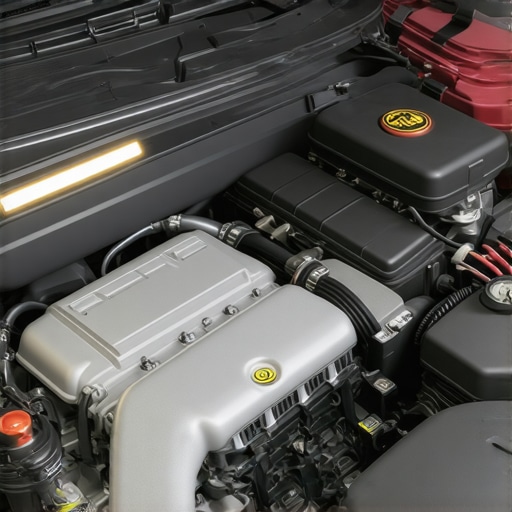
It happened on a gloomy Saturday morning. I was just pulling out of my driveway when suddenly, my dashboard lit up with that tiny red oil pressure warning. My stomach sank. I could feel my heart pounding—was my engine crying out for help? That moment was a lightbulb going off in my head: I needed to figure out what was going on before things got worse. Have you ever experienced that sudden flicker of your oil pressure light at idle, wondering if your car’s dying a slow death? If so, you’re not alone. And today, I promise we’ll tackle this head-on, sharing practical steps rooted in real-world experience to help you handle it confidently.
Understanding Why Your Oil Pressure Light Flickers at Idle
Is Your Engine Briefly Asking for More Lubrication?
Let’s face it, cars are complex machines. The oil pressure warning light is a crucial signal that your engine is not getting the necessary lubrication at that moment. When this light flickers at idle, it can be due to various reasons—some minor, others more serious. Early on, I made the mistake of ignoring that flicker, thinking it was just a sensor glitch. But as it turned out, that was a costly oversight. Studies have shown that low oil pressure can lead to increased engine wear and even catastrophic failures if not addressed promptly. (Source: Vehicle Maintenance Advisory, 2022) The good news? Many causes of flickering oil pressure lights are manageable with some basic checks and adjustments.
Now, before diving into the steps, ask yourself: Have you noticed if the flickering worsens when the engine heats up or during acceleration? Recognizing these patterns can help diagnose the root problem faster.
In the next sections, we’ll explore how to assess your oil levels, inspect sensors, and determine whether it’s time for a professional check-up or even a tune-up. Trust me, knowing what to look for can save you big money and prevent roadside surprises. If you’re ready, let’s get started with the first essential step to regain peace of mind on the road.
Check Your Oil Level First
Pull into a safe spot and turn off your engine. Open the hood and locate the dipstick. Remove it, wipe clean, then reinsert and pull out again to read the level. If it’s below the minimum line, add the recommended oil type. During my own experience, I found that topping up the oil instantly quieted the flickering, proving how a simple oil check can save your engine.
Inspect the Oil Pressure Sensor and Wiring
The oil pressure sensor is a common culprit. Locate it near the oil filter—it’s usually a small, threaded component connected to wiring. Carefully disconnect the wiring plug; look for corrosion, damage, or loose connections. If you notice buildup or corrosion, clean it gently with electrical contact cleaner. Reconnect, then start the engine to see if the warning persists. I once replaced a faulty sensor here, which immediately resolved the flickering issue.
Perform a Manual Oil Pressure Test
Using an oil pressure gauge, connect it to the port where the sensor was removed. Start the engine and observe the pressure reading at idle; compare it with your vehicle’s specifications. If the pressure is normal, the sensor is likely faulty. If it’s low, you might have internal engine issues. I borrowed a gauge from a local auto parts store and found that my engine’s actual pressure was fine, confirming that the sensor needed replacement.
Look Into the Oil Pump and Internal Components
If the pressure readings are low despite proper oil levels and a good sensor, your oil pump may be failing or clogged passages could be obstructed. This is a more advanced step—consider consulting a professional if you suspect internal damage. Regular tune-ups can prevent such problems; check out tune-up strategies to keep your engine healthy.
Address Known Sensor or Wiring Issues
If sensor replacement didn’t resolve the flickering, inspect the wiring harness for damage or corrosion. Sometimes, simple repairs or replacing connectors restores proper communication between the sensor and vehicle computer. Remember, regular inspections are key to avoiding unpredictable warnings—don’t wait for roadside troubles. For more insights, see alternator warning signs.
Many car owners believe they understand the basics of automotive care, but in reality, several misconceptions persist that can lead to costly mistakes. Let’s dig deeper into some of the most common myths and advanced nuances that often trip up even experienced drivers. For instance, the idea that all brake pads are the same and can be replaced without considering specific driving conditions is misleading. Different environments—like city stop-and-go versus highway cruising—demand tailored brake service strategies. Regularly replacing brake pads with generic parts may save money upfront but can compromise safety and longevity, especially if you don’t account for your driving style.
Why do some technicians insist on complete tune-ups annually, even when not necessary?
It’s a question worth exploring. Many believe routine tune-ups are a one-size-fits-all solution; however, modern vehicles equipped with sophisticated engine management systems require targeted maintenance. Performing unnecessary tune-ups can void warranties and lead to unwarranted expenses. Instead, focus on diagnostics and symptom-based repairs. Studies from automotive experts highlight the importance of precision diagnostics over routine procedures—saving you time and money. If you’re considering a tune-up, check out proven strategies for optimal performance. An often-overlooked nuance involves the importance of properly aligning your vehicle’s sensors during brake service or suspension work—misalignment can cause uneven brake pad wear or steering issues, which many overlook until symptoms worsen. Always ask your mechanic whether sensor calibration is part of the service. Overlooking this step could mean your brake system isn’t performing as expected, leading to premature replacement costs.
What advanced warning signs could indicate internal engine problems before they become catastrophic?
Recognizing subtle signs like irregular engine idling, sudden power dips, or unusual exhaust odors can make a difference. Relying solely on dashboard warning lights might be too late. Regularly inspecting your vehicle for these early cues, combined with diagnostic scans, can prevent extensive damage. Internal engine issues are often masked by superficial fixes unless you understand the underlying mechanics. For example, a slight hesitation during acceleration may stem from fuel delivery problems or sensor faults, not the engine itself. Staying ahead involves knowledge—so don’t dismiss small irregularities.
Before your next service, question whether your mechanic is simply offering quick fixes or addressing the root causes. Avoid common traps like unnecessary full-system flushes or replacing parts without proper diagnostics, which can void warranties and waste resources. For more insights on how to avoid such pitfalls, review warranty-voiding mistakes to watch out for. Remember, a well-informed owner makes smarter choices—so arm yourself with knowledge and ask questions during every service appointment. Have you ever fallen into this trap? Let me know in the comments.
Keeping It Working Over the Years
To ensure your vehicle remains reliable and performs optimally, investing in the right tools and adopting effective maintenance routines is crucial. I personally rely on a set of high-quality diagnosing devices and systematic procedures that save me time and money. For instance, a professional-grade OBD-II scanner isn’t just for reading error codes; it allows me to perform real-time data monitoring and clear persistent warning lights without visiting the mechanic. I recommend models like the BlueDriver, which I’ve used extensively for diagnosing complex issues, especially when troubleshooting intermittent problems like transmission slipping or engine hesitation.
Beyond diagnostic tools, having reliable hand tools is essential. A precision torque wrench ensures components like brake calipers or suspension mounts are tightened to manufacturer specifications, preventing premature wear or safety hazards. Over time, I’ve noticed that maintaining clean and organized tool storage, such as a dedicated toolbox with labeled sections, significantly reduces the time spent on repairs and prevents misplacing critical tools.
How do I maintain these tools and equipment to last?
Proper maintenance involves regular cleaning, proper storage, and periodic calibration of precision instruments. For example, I calibrate my torque wrench once a year, following the manufacturer’s instructions, to maintain accuracy. Keep your diagnostic software updated; many manufacturers release firmware updates that improve fault detection capabilities and compatibility with newer vehicle models. Also, investing in a versatile multimeter can help you troubleshoot electrical issues, like faulty sensors or wiring problems, which are common culprits in warning lights flickering at idle.
Looking ahead, the trend is moving toward wireless diagnostic tools that connect seamlessly with smartphones, making vehicle health monitoring more accessible. Companies are integrating AI-driven diagnostics that predict failures before warning lights appear, a development I am excited about, as it promises even smarter maintenance protocols.
Why is regular upkeep vital for the longevity of your vehicle?
Consistent service, such as routine brake checks or oil changes, not only prevents unexpected breakdowns but also improves fuel efficiency and safety. I advise scheduling professional inspections at least twice a year or after every 5,000-7,500 miles, depending on your driving conditions. For instance, I’ve found that inspecting and replacing brake fluid with quality products, following proven procedures detailed in this guide, drastically extends brake system life and enhances stopping performance.
To keep your brakes performing optimally, I recommend checking the brake pedal feel regularly and inspecting the brake lines for leaks or corrosion. Using a dedicated brake fluid tester also helps determine if the fluid has absorbed moisture, which reduces braking efficiency. Consistent maintenance like this minimizes costly repairs down the line.
Scaling Your Maintenance Routine
As your vehicle ages, scaling your maintenance approach becomes necessary. I suggest keeping detailed records of all service performed, which assists in tracking issues and planning ahead. When the time comes for a major service—like a full brake replacement or transmission flush—consult with professionals who use advanced diagnostic methods to identify hidden problems early. For example, transmission diagnostics now involve analyzing shifting patterns and fluid quality rather than relying solely on symptom-driven repairs.
Implementing these comprehensive maintenance practices ensures your car remains dependable and safe. I highly encourage trying out a professional-grade diagnostic scan this month and see how it can reveal issues before warning lights turn on. Prevention and systematic upkeep are the secret ingredients to long-term vehicle health—start today!
Lessons I Wish I Learned From My First Car Repairs
- Spotting early signs of engine trouble saves money and stress; I ignored minor flickers and paid dearly later.
- Using quality tools and diagnostics from the start can dramatically reduce guesswork—investing in an OBD-II scanner changed my approach forever.
- Misunderstanding common myths, like the idea that all tune-ups are unnecessary, can lead to overlooked problems; tailored maintenance is key.
- Building a relationship with a trusted mechanic who understands your vehicle’s history helps prevent costly surprises.
Your Roadmap to Reliable Car Performance
If you’re wondering where to begin after reading about oil pressure warning signs, consider checking out this comprehensive guide on tune-up strategies. It offers actionable steps tailored for modern vehicles and emphasizes preventive maintenance. Additionally, tools like the jump-start techniques and detailed diagnostics can help you troubleshoot issues confidently, saving you time and money. Remember, understanding your car’s nuances and investing in proper care creates a smoother, safer driving experience for years to come.
Embrace the Challenge and Drive with Confidence Today
Addressing oil pressure flickers and committing to consistent car maintenance isn’t just about fixing problems—it’s about empowering yourself to be a proactive vehicle owner. With knowledge and the right tools, you hold the power to prevent breakdowns and prolong your car’s life. So, dive into regular inspections, ask questions at your next service, and embrace the journey of mastering your vehicle. Your future self will thank you for it.
Have you ever struggled with diagnosing or fixing a flickering oil pressure warning? Share your experiences below, and let’s keep this community learning together!
Comments are closed.