
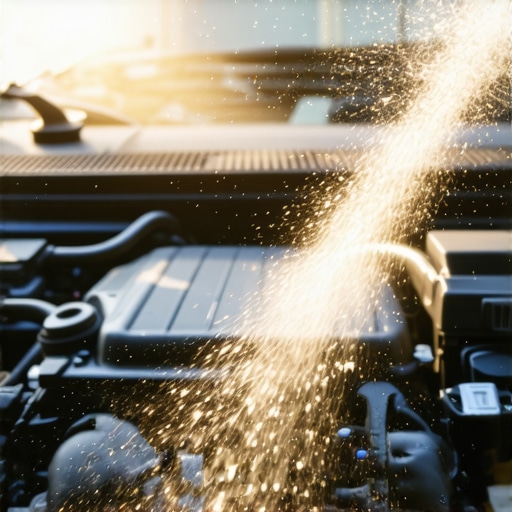
I remember the first time I grabbed a pressure washer, eager to make my engine sparkle like they do in car commercials. I was certain that blasting away dirt and grease would be the easiest way to keep everything looking pristine. But what I didn’t realize at the time was just how risky that high-powered spray was for my engine’s delicate components. The moment I turned on that beast and saw water shooting into places it absolutely shouldn’t go, I knew I had made a mistake.
Saving Your Engine and Your Wallet: A Smarter Approach to Cleaning
Cleaning your car’s engine might seem straightforward—just spray and wipe, right? Well, not exactly. In fact, using a pressure washer can do more harm than good, leading to costly repairs down the line. Today, I’ll walk you through why pressure washers are a no-go for your engine and share safer, more effective methods I’ve learned from my own mishaps. Trust me, a little patience and the right techniques will save your engine—and some money.
Is Using a Pressure Washer on Your Car Engine Actually Worth the Hype?
Initially, I thought that a powerful spray would cut through grease like a hot knife through butter. But I soon discovered that high-pressure water can damage rubber hoses, dislodge electrical connectors, and force water into parts that really shouldn’t get wet. A mistake I made early on was neglecting to cover sensitive components, thinking they could handle the spray. That oversight led to engine misfires and a few anxious visits to my mechanic. To learn from my experience, I suggest exploring [how regular tune-ups](https://glassfixauto.com/how-regular-tune-ups-improve-fuel-efficiency-and-safety) can keep your engine running smoothly without risky cleaning methods.
Now that you understand the potential damage, let’s dive into safer, more effective cleaning techniques that won’t jeopardize your engine’s health. Because there’s nothing worse than a clean engine with a hefty repair bill behind it.
Prepare Your Workspace and Gather Tools
Start by parking your vehicle on a flat surface and engaging the parking brake. Remove any debris or leaves from around the engine bay. Gather essential items such as a plastic cover, degreaser, soft brushes, microfiber cloths, and protective gear like gloves and safety glasses. This preparation ensures a controlled environment and protects sensitive components from accidental water exposure.
Protect Sensitive Components and Electrical Parts
Before applying any cleaning solution, cover delicate areas like the alternator, battery terminals, air intake, and exposed wiring with plastic bags or aluminum foil. Secure these covers with rubber bands or tape to prevent water seepage. This step is crucial because water ingress into electrical connectors can lead to costly repairs and engine misfires. I once forgot to shield my alternator, which caused it to short out after cleaning, resulting in a visit to the mechanic.
Apply Degreaser Correctly
Use a quality engine degreaser, spraying it generously over greasy spots, hoses, and the valve cover. Avoid oversaturating the entire engine—target only areas with built-up grime. Let the degreaser sit for 5-10 minutes to break down the dirt. I remember applying a degreaser and forgetting to rinse it off properly, which left residue that attracted more dirt later. Proper application is key to efficient cleaning and avoiding long-term buildup.
Use the Right Tools for Gentle Cleaning
With a soft-bristled brush, gently scrub areas with stubborn grease or dirt. For delicate parts, opt for microfiber cloths to wipe away grime. Do not use high-pressure water directly; instead, use a damp cloth or a low-pressure spray nozzle. I once tried to blast away grime with a garden hose and ended up forcing water into spark plug wells—making my engine run poorly. Remember, patience and gentle scrubbing yield better and safer results.
Rinse and Dry Thoroughly
Using a low-pressure spray, rinse the engine bay carefully, avoiding direct water contact with protected components. After rinsing, use microfiber towels or compressed air to dry all surfaces thoroughly. Leftover moisture can cause corrosion or electrical issues over time. I installed a small air compressor to blow out excess water, which sped up the drying process and prevented water spots.
Final Inspection and Maintenance Tips
Once dry, remove the protective covers from electrical parts and start the engine to check for proper operation. Consider applying a light coat of engine protectant or conditioner to hose and plastic parts for added longevity. Regular maintenance like checking your tune-ups can keep your engine running smoothly, reducing the need for aggressive cleaning. Remember, a clean engine doesn’t mean it’s healthy—consistent inspections and maintenance are vital.
Many car owners operate under misconceptions that can lead to costly mistakes. A prevalent myth is that all auto repairs should be scheduled based solely on manufacturer intervals, but in reality, driving habits and environment significantly influence maintenance needs. Overlooking these factors can cause premature wear or unexpected failures, so it’s essential to tailor your service schedule. For example, aggressive driving or frequent short trips accelerate component degradation, making regular checkups even more critical. Learn more about optimizing your car maintenance schedule to suit your driving style.
Many assume that brakes only need attention when they squeal. However, brake pads can wear unevenly, rotors can develop subtle warps, and hydraulic systems can degrade silently. Ignoring these signs and delaying brake service myths may lead to sudden failure or costly replacements. Advanced diagnostics can identify issues before they become critical, which is why regular inspections are vital. Remember, a well-maintained brake system enhances safety and can save you money in the long run.
For those considering a tune-up, many believe it’s only necessary after a noticeable drop in performance. But subtle symptoms like increased fuel consumption, sluggish acceleration, or rough idling are indicators that your vehicle needs attention. Frequent tune-ups, as discussed in this guide, can improve efficiency and prevent major repairs. Beware of the misconception that tuning is purely for performance; it’s equally important for longevity and safety.
If you’ve ever thought brake servicing is purely about replacing pads, think again. Modern brake systems involve numerous interconnected components, and issues often stem from hydraulic leaks, stuck calipers, or worn sensors. An in-depth understanding of brake repairs reveals how complex and crucial proper maintenance truly is. This awareness helps you avoid common pitfalls and ensures your vehicle stops reliably every time.
One hidden nuance many overlook is the importance of detailed inspections over basic replacements. Routine check-ups can detect developing issues early, saving both money and safety. Regular tune-ups, brake services, and personalized maintenance adapt to your specific vehicle use, preventing the trap of unnecessary repairs or neglect. Remember, your car’s health depends on more than just following generic schedules—it’s about understanding its unique needs. Found this insight useful? Have you ever fallen into this trap? Let me know in the comments.When it comes to keeping your vehicle running smoothly over time, having the right tools and understanding proper maintenance procedures are essential. I personally rely on a combination of high-quality diagnostic equipment and specialized hand tools to accurately identify issues before they become costly repairs. For instance, a digital multimeter is invaluable for diagnosing electrical problems like faulty sensors or failing alternators, saving me time and money by pinpointing issues early. Additionally, an OBD-II scanner allows me to read error codes directly from the vehicle’s computer system, providing insights that manual inspections often miss. I prefer models like the Launch CRP123X because of its reliability and comprehensive diagnostic capabilities, which are crucial for modern vehicles with complex electronics.
The Hardest Lesson I Learned About Engine Cleaning
One of the most significant lessons I discovered was understanding the vulnerabilities of delicate electrical components during cleaning. I’ve damaged sensors and caused electronic glitches by neglecting proper protection, a mistake that taught me to always shield sensitive areas before spraying water or applying cleaners. This insight has saved me from costly repairs and added a layer of confidence in my DIY maintenance routine.
Uncovering Hidden Myths That Could Cost You
Discovering that pressure washing isn’t an all-in-one solution was eye-opening. Not only can it damage rubber hoses and electrical connectors, but it also fosters a false sense of security that your engine is truly clean when, in reality, dirt and grime may be hidden in places water can’t reach without proper tools and techniques. Recognizing these misconceptions has transformed my approach, pushing me toward safer and more effective cleaning methods.
Why Personal Experience Becomes Your Best Teacher
My journey has shown me that patience, combined with the right tools—like microfiber cloths and gentle brushes—trumps brute force. Rushing to finish the job can lead to oversights like water ingress or residue buildup, which complicate future maintenance. Sharing these lessons highlights the importance of a thoughtful, methodical approach to engine care that beginners and veterans alike can appreciate.
Curated Tools That Make a Difference
Over time, I’ve come to rely on specific tools that elevate my engine maintenance game. An reliable OBD-II scanner, such as the Launch CRP123X, allows me to diagnose electrical issues early, saving time and money. High-quality microfiber towels help me dry surfaces thoroughly, preventing corrosion. Additionally, protective covers for electrical components are invaluable for avoiding water damage. These tools are not just accessories—they are essentials that have made engine cleaning safer and more effective for me personally.
Empowering Your Next Step in Vehicle Care
The most vital takeaway is that engine cleanliness is a cornerstone of reliable performance, but it requires knowledge, patience, and proper tools. Don’t let myths or haste cause unnecessary damage or expenses. Instead, approach your vehicle’s maintenance with confidence, knowing that every careful step contributes to a longer, healthier engine life. You have the power to make informed decisions—start today, and your engine will thank you for it.