
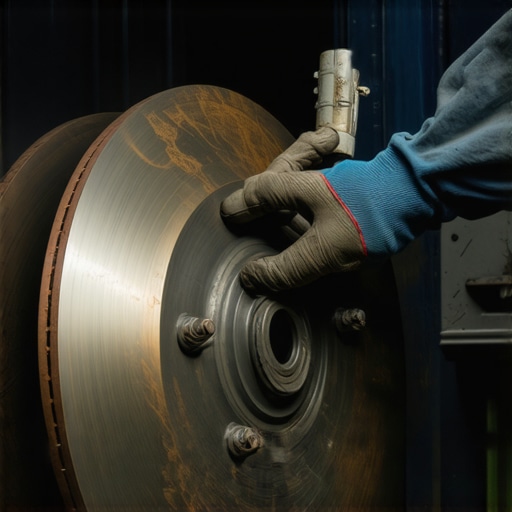
It was such a frustrating morning when I pulled out of my driveway, only to hear that unsettling squeal. My brake rotors were coated in a layer of rust, making me wonder: “Is this just normal, or am I about to face costly repairs?” That moment was my lightbulb—realizing that rust on brake rotors isn’t just an eyesore; it can affect your safety and your wallet if you ignore it.
Confronting Rust: Why Your Brake Rotors Get Corroded
Rust formation on brake rotors happens when moisture meets iron, creating oxidation. In some regions with high humidity or frequent rain, this process speeds up. But even in dry climates, overnight dew can cause surface rust that dissipates after driving a few miles. The key concern? While surface rust often isn’t dangerous, repeated exposure without proper maintenance can lead to pitting or warping, compromising brake efficiency. What’s more, many folks, including myself at first, mistakenly assume that rust on rotors equals a mechanical failure—leading to unnecessary replacements.
Early on, I made the mistake of ignoring minor rust spots, thinking they’d go away. Instead, I ended up paying for a full brake overhaul when just a simple cleaning could have sufficed. According to automotive experts, regular brake inspections and proper maintenance can significantly extend the life of your rotors, saving you money in the long run. You can read more about maintaining your vehicle’s crucial components at [GlassFix Auto’s comprehensive guide](https://glassfixauto.com/the-ultimate-car-service-guide-when-and-why-to-schedule-maintenance).
But don’t worry—there are straightforward ways to prevent rust build-up and keep your braking system in top shape. With a bit of knowledge and some simple habits, you can avoid the dread of rusty rotors ruining your drive or leading to costly repairs. Ready to dive into how you can battle rust and protect your vehicle? Let’s get started.
Start with a Visual Inspection and Safety Precautions
Before diving into cleaning, park your vehicle on a flat surface, apply the parking brake, and wear safety goggles and gloves. Remove the wheel to access the brake rotor, making sure to keep all hardware organized. Check for deep rust pits, cracks, or warping. If the rust appears superficial and the rotor isn’t damaged, proceed with cleaning.
loosen the Brake Caliper for Better Access
To get thorough access, loosen the brake caliper bolts and gently lift the caliper away from the rotor, securing it with a hanger or bungee cord. This prevents strain on the brake hose. Doing this gives you a clear workspace to target the rust areas, much like peeling off a protective shell to access the core.
Use a Wire Brush or Sandpaper to Scrape Off Surface Rust
Select a wire brush, nylon brush, or coarse-grit sandpaper. Firmly scrub the rusted areas, applying even pressure to remove loose rust and debris. Think of it as sanding a wooden surface—consistency prevents gouging. In my experience, using a drill with a wire brush attachment speeds up the process and yields better results, especially on large rust patches.
Apply Rust Converter or Brake Cleaner for Residual Rust
After scraping, spray a brake cleaner to remove dust and residual rust particles. For stubborn areas, applying a rust converter chemically transforms rust into a stable compound, preventing further corrosion. It’s like turning rust into a protective armor. Be cautious, and ensure good ventilation when applying chemicals.
Mask Off Sensitive Components and Reassemble
Mask off brake pads, calipers, and any rubber seals to prevent contamination. Reattach the caliper securely and torque the bolts to manufacturer specifications. This step is crucial—loose calipers can cause uneven brake wear or failure. Regularly checking your brake system after cleaning ensures it operates safely, which you can verify by referencing our guide on understanding brake system repairs.
Test Drive and Monitor Brake Performance
After reassembly, carefully test your brakes at low speed to ensure proper function. Listen for squeals or vibrations, which could indicate misalignment or residual rust. This hands-on approach, similar to how a musician tunes their instrument, ensures your brakes are in harmony. Keep an eye on brake performance over the next few drives, and consider scheduling a professional inspection if issues persist.
Maintain and Prevent Future Rust Buildup
Regular maintenance is key. Apply high-temperature brake grease on caliper slides during reassembly to prevent corrosion. Consider using a rust inhibitor spray on exposed rotors during off-season storage. Consistent inspections, especially if you live in humid or coastal areas, can catch early rust formation. For deeper understanding, check out tune-up strategies to extend your vehicle’s lifespan.
Many car owners believe that routine tune-ups and repairs are straightforward tasks that simply involve swapping out old parts for new ones. However, lurking beneath the surface are misconceptions and nuances that can lead to ineffective maintenance and unexpected expenses. For instance, the popular myth that all engine issues stem from dirty fuel or worn-out spark plugs overlooks the importance of diagnosing underlying problems with precise tools and expert interpretation, as explained in studies on diagnostic accuracy in auto repair. It’s crucial to recognize that a comprehensive tune-up goes beyond basic replacements; it involves assessing the condition of transmission fluid, checking for hidden vacuum leaks, and calibrating sensors—a process often underestimated by DIY enthusiasts. Furthermore, many assume that a skilled mechanic can identify issues visually, but advanced diagnostics and experience reveal that subtle signals like irregular engine vibrations or hesitation require nuanced analysis and specialized equipment. A common mistake novice technicians make is neglecting the role of electronic components and software updates, which are integral to modern vehicles’ performance and safety. Ignoring these can result in prolonged drivability problems or even jeopardize vehicle safety. Additionally, understanding the difference between preventive maintenance and reactive repairs is vital: regular inspections and timely service can prevent costly failures, especially in brake systems where early signs of wear are often mistaken as minor inconveniences rather than safety threats. For instance, replacing brake pads without inspecting rotors or calipers might lead to uneven wear or compromised stopping power. To avoid these pitfalls, consult authoritative sources like [our comprehensive guide](https://glassfixauto.com/the-ultimate-car-service-guide-when-and-why-to-schedule-maintenance) and keep abreast of the latest trends in auto repair. At the same time, don’t fall prey to the trap of assuming more frequent service automatically means better care; knowing the specific needs of your vehicle model and driving conditions makes a significant difference. In fact, advanced techniques such as live data analysis and thermal imaging can uncover issues invisible to the naked eye, emphasizing the need to choose a technician with up-to-date training and equipment. Remember, the goal isn’t just to fix a problem but to optimize your vehicle’s lifespan, safety, and performance. Want to go deeper? Looking into [brake system diagnostics](https://glassfixauto.com/understanding-brake-system-repairs-a-guide-for-vehicle-owners) can be particularly enlightening, especially when so many often overlook early warning signs. Have you ever fallen into this trap? Let me know in the comments.Maintaining your vehicle’s performance over the long term requires more than basic check-ups; it demands the right tools, a systematic approach, and an understanding of evolving auto technology. One of my favorite tools is the infrared temperature gun, which I use to monitor brake rotor temperatures during routine inspections. This device helps me quickly identify overheated components that may signal uneven wear or impending failure, enabling proactive repairs before catastrophic damage occurs. Pairing this with a high-quality scan tool, such as the Autel MaxiSys series, allows me to read complex diagnostic trouble codes and live data streams, giving insights beyond visual cues—crucial for diagnosing intermittent issues like slipping transmissions or faulty sensors.
Regularly updating my diagnostic software ensures compatibility with the latest vehicle models and factory-installed electronic modules, which are rapidly becoming standard. As technology advances, I predict the integration of AI-assisted diagnostics will streamline maintenance efforts further, but currently, staying abreast with the latest equipment remains essential.
A method I swear by is using magnetic drain plugs during oil changes combined with ultrasensitive magnetic field detectors. This setup helps me track particle accumulation, indicating wear in engine components—and alerts me to potential issues long before thresholds are reached.
How do I maintain these tools over time? Well, calibration is key. I routinely calibrate my infrared thermometer against a blackbody calibration source, ensuring measurement accuracy, especially critical when assessing brake rotor health. The same goes for my scan tools—firmware updates and battery checks help avoid unexpected malfunctions during diagnostic sessions.
Investing in these specific, high-precision tools is a game changer. For example, using an infra-red temp gun during scheduled maintenance can help prevent brake overheating issues that often go unnoticed until a failure. It’s a proactive step I strongly recommend—try it during your next tune-up to witness the difference firsthand.
Keeping your tools in top shape and understanding their functionality ensures your vehicle gets the care it deserves, reducing long-term costs. Want to see how these tools integrate into a comprehensive maintenance routine? Review our detailed guide on [maximizing your car’s lifespan with expert tune-up strategies](https://glassfixauto.com/maximize-your-cars-lifespan-with-expert-tune-up-strategies). Remember, consistent, informed upkeep is the best way to dodge costly repairs and keep your ride smooth for miles to come.
Lessons From My Rust Battle That Changed My Approach
One crucial insight I gained is that superficial rust is often just a warning sign, not the full story. Ignoring mild surface rust led me to more costly repairs later, reminding me that early intervention is key. I’ve discovered that the most effective maintenance combines simple daily habits with occasional professional check-ups, ensuring my braking system remains reliable. The importance of using the right chemical treatments, like rust converters, became clear when I realized DIY solutions can make a significant difference if done correctly. Lastly, understanding my vehicle’s warning signs meant I could prevent small issues from snowballing into major safety concerns, reinforcing that knowledge truly is power on the road.
My Go-To Tools for Long-Term Brake and Rust Care
Over the years, I’ve found that a quality wire brush set, such as the Dremel with wire brush attachments, makes rust removal manageable. A reliable brake cleaner and rust converter, like those from industry trusted brands, help me finish the job professionally. For diagnostics, I lean on an advanced scan tool like the Autel MaxiSys series to spot underlying issues early. These tools, combined with consistent inspections, give me confidence that my vehicle stays safe and efficient, saving me money and worries in the long run.
Take Action Today Because Your Safety Depends on It
Don’t wait for a noisy brake squeal or rust-stained rotors to remind you of their presence—be proactive with regular inspections and maintenance. Staying informed and using the right tools can transform your car care routine from reactive to preventive, ensuring your safety and extending your vehicle’s lifespan. If you’re ready to improve your maintenance game, I encourage you to explore our comprehensive guide and equip yourself with knowledge that can truly make a difference. Your journey toward a safer, more reliable vehicle starts with small steps—why not begin today? Have you ever caught a rust spot early and saved yourself from costly repairs? Share your story below!