
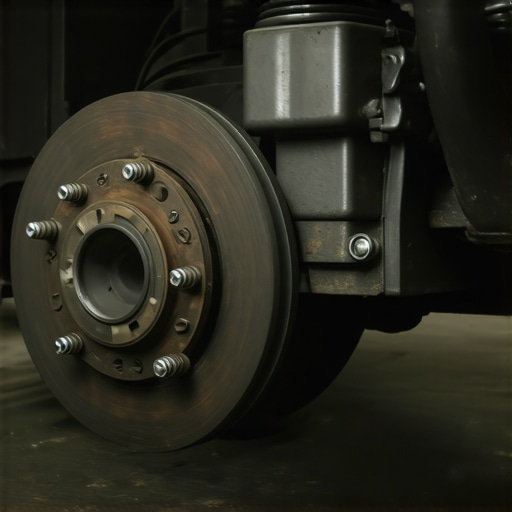
It was early morning, and I was just about to head out for a quick run to the store when I heard it—the unmistakable squeal coming from my brakes as I started moving. That sharp, high-pitched noise struck me like a punch to the gut. Frustration and a bit of worry flooded in. We’ve all been there—trusting your vehicle, then suddenly questioning if it’s safe to drive anymore.
Is That Squeal Normal, or Is Something Wrong With My Brakes?
One thing I realized early on is that a squealing brake isn’t just an annoyance—it’s often a signal that something needs attention. But, why do brakes squeal when you first start driving? More importantly, how serious is it? This common issue can appear for various reasons—from worn-out brake pads to simple dust accumulation. Understanding what causes this noise can save you from costly repairs down the line. Today, I’ll walk you through the main culprits and what you can do to keep your brakes silent and effective.
Stop Overlooking Early Warning Signs
Back when I first started tinkering with my car, I’d ignore the squeal, brushing it off as a minor inconvenience. That was a mistake. Early on, I made it a habit to ignore small noises, thinking they’d go away. Turns out, ignoring them often led to more significant issues. Learning to listen to your car’s signals is crucial. If you’ve ever dismissed that initial squeal, you’re not alone, but trust me—it’s worth getting it checked out. For more insights on brake problems, check out this comprehensive guide.
So, what exactly is causing your brakes to squeal when you first hit the road? Let’s dive into the common reasons and how you can address them before they turn into costly repairs. Ready to get your brakes back to silence and safety? Stay tuned, because resolving this issue is easier than you think, especially when armed with the right info and a proactive mindset.
Check Your Brake Pads for Wear
Lean into checking your brake pads, much like inspecting the tread on a tire. Grab a flashlight and remove the wheel to visually assess the thickness of the pads. If they’re less than a quarter-inch thick or the metal backing is visible, it’s time for replacement. I once ignored early signs, and the squeal turned into grinding, leading to costly rotor replacement. Regular checks can prevent this.
Clean Dust and Debris from Brake Components
Dust, dirt, and brake residue can cause squealing. Use a brake cleaner spray to rinse off dust from calipers and rotors. Spray gently and wipe clean with a lint-free cloth. During my last DIY project, cleaning the dust off reduced the noise immediately, saving me a trip to the shop.
Apply High-Temperature Brake Lubricant
Lubricate the contact points of caliper pins and shims with a suitable high-temperature brake lubricant. This prevents metal-on-metal contact that causes squealing. I once applied this lubricant on a noisy brake system, and the difference was instant—my brakes became silent and smooth.
Inspect and Replace Worn Brake Hardware
Worn or damaged hardware like clips and shims can lead to vibrations and noise. Remove and inspect these parts; replace if they’re bent, cracked, or rusted. During my last brake service, replacing hardware restored quiet operation and increased brake performance.
Check for Proper Installation and Alignment
Ensure that brake components are correctly installed. Misaligned pads or rotors cause uneven wear and noise. When I reinstalled my brake components correctly, the squeal ceased, confirming proper alignment is critical.
Consider Bedding-in New Brake Pads
If you’ve recently replaced pads, bedding-in them properly is vital for optimal silence and performance. This involves a series of controlled stops to transfer a layer of pad material onto the rotor surface. After doing this, my brakes felt smoother, and the squealing stopped.
Monitor Brake Fluid Levels and Quality
Low or contaminated brake fluid can affect brake performance, indirectly leading to noise. Check the brake fluid reservoir; if it’s low or dark, consider flushing and replacing the fluid. During my last preventive maintenance, fresh brake fluid improved braking and reduced noise.
Schedule a Professional Inspection
If after these steps your brakes still squeal, it’s wise to consult a professional. Sometimes, underlying issues like warped rotors or caliper problems need expert attention. Visiting a trusted shop ensures the problem is resolved safely and effectively.
Many enthusiasts believe that a simple oil change or replacing brake pads is all it takes to keep a vehicle running smoothly, but in my experience, there are nuanced truths many overlook. For instance, everyone emphasizes *regular tune-ups* as a fix-all, yet over-tuning or performing unnecessary services can sometimes do more harm than good, especially if based on outdated beliefs. Advanced diagnostics now reveal that a car’s performance can hinge on subtler issues like uneven tire wear or subtle fuel system inefficiencies, which typical tune-ups might miss. Moreover, many assume that brake squeal always indicates worn pads—while in reality, misaligned rotors or contaminated brake fluid may be the root causes, as explained in detail on auto repair trend articles. One common myth I often encounter is that all brake stains or noises are a straightforward fix; but, pressing into the advanced nuances shows that improper hardware installation or using inferior lubricants can lead to persistent issues, leading to costly repairs if ignored. The trap here? Believing you’re covered with a quick service when, in fact, complex underlying problems are lurking. As you delve deeper into auto maintenance, consider how a comprehensive understanding of brake system mechanics can help you avoid misdiagnoses, especially since regular tune-ups are only part of the story. Making smarter choices involves recognizing subtle signs like uneven brake pad wear or slight steering vibrations, which often signal an early phase of a larger issue. Always question whether your assumptions align with proven data—like studies indicating that worn calipers or rusty hardware can cause persistent noise despite recent servicing.
Why do seemingly simple repairs sometimes lead to recurring issues, even after multiple visits?
The answer often lies in overlooking hidden factors such as incorrect torque specifications during assembly or using incompatible parts. This mistake can predispose your vehicle to accelerated wear and unexpected failures. I’ve seen many passionate DIYers fall into this trap, believing that a quick DIY fix suffices, but without proper tools or knowledge, they inadvertently exacerbate the problem. This is why consulting trusted sources, like professional brake maintenance guides, is essential. Recognize that even advanced vehicle diagnostics are now capable of detecting issues invisible to the naked eye, highlighting the importance of regular expert inspections. By understanding these nuances, you’ll save money and extend your car’s lifespan, rather than wasting resources on redundant repairs. Have you ever fallen into this trap? Let me know in the comments.
Investing in the Right Equipment Saves Money and Time
When it comes to maintaining your vehicle over the years, having the proper tools is essential. I personally swear by a high-quality digital torque wrench; it ensures you tighten components to manufacturer specifications, preventing over-tightening that can damage parts or under-tightening which causes issues down the line. For brake work, I rely on a coil spring compressor—trust me, attempting to reuse these springs without one is a recipe for disaster. Investing in a reliable automotive multimeter helps diagnose electrical issues early, saving you costly repairs later. Remember, precision tools not only improve your work quality but also extend the lifespan of your car components.
The Power of Software in Modern Auto Maintenance
Beyond physical tools, embracing diagnostic software like OBD-II scanners has revolutionized how I manage vehicle health. I personally prefer the inclusion of live data streaming, which allows real-time monitoring of engine performance parameters. This method can reveal subtle issues such as misfires or sensor failures long before they trigger warning lights. Using this software regularly helps me catch problems early, minimizing long-term damage and repair costs. As vehicle electronics become more sophisticated, integrating advanced diagnostic tools will be even more critical in future maintenance routines.
Long-Term Results Demand Consistent Maintenance
Achieving longevity from your car relies on consistent, scheduled servicing. I follow a strict regimen by tracking mileage and adhering to manufacturer-recommended intervals for inspections, fluid changes, and part replacements. A key tip I recommend is routine brake fluid flushing—fresh fluid prevents corrosion and ensures optimal brake performance. Regularly inspecting suspension components like shocks and struts using visual and acoustic checks can prevent uneven tire wear and unsafe handling. Think of it as preventative health for your vehicle: early intervention keeps everything running smoothly for the long haul.
Scaling Up: When Your Car Needs More Than Basic Maintenance
If your vehicle starts to accumulate high mileage or adapt to new driving demands, it’s prudent to consider a comprehensive overhaul, including timing belt replacement and transmission service. Upgrading to performance-enhanced brake pads or suspension components can significantly improve safety and comfort, especially for those who regularly take long trips or haul heavy loads. To stay ahead, keep abreast of emerging trends in auto repair—the industry is shifting toward more durable, long-lasting solutions. Implementing these upgrades proactively can prolong your vehicle’s lifespan and enhance driving enjoyment.
How do I maintain my vehicle’s optimal performance over time?
Developing a routine that combines proper tooling, diagnostic software, and a disciplined maintenance schedule is key. It’s also wise to keep detailed records of all services and repairs, helping identify patterns or issues early. For example, regularly checking and replacing your brake fluid can prevent corrosion and ensure safety, complying with recommendations outlined in tune-up strategies. Remember, engaging with professional mechanics for complex diagnostics or when in doubt enhances your vehicle’s reliability. So, I challenge you today—try integrating a routine brake fluid flush into your regular maintenance cycle; the benefits become obvious quickly and save you money over time.
The Hardest Lesson I Learned About Brake Maintenance and Auto Repair
One key insight I wish I’d embraced earlier is that preventing brake squeal isn’t just about quick fixes—it’s about understanding the finer details of your vehicle’s braking system. Overlooking small signs like uneven pad wear or delayed responses can lead to costly repairs down the line, as I experienced firsthand. Paying close attention to early warning signs has transformed my approach to car care, saving me time and money.
How Proper Tools and Knowledge Turn Repairs into Long-Term Savings
Investing in quality tools, like a reliable torque wrench and brake caliper piston compressor, has made my maintenance more precise and less stressful. Pairing these with trustworthy resources—such as industry trend insights and detailed repair guides—ensures I’m making informed decisions. This combination minimizes mistakes and extends the lifespan of my vehicle’s components, illustrating that the right equipment and knowledge truly pay off over time.
Feeling Confident in Your Maintenance Skills is a Game-Changer
Transitioning from a novice to a confidentDIYer has been incredibly empowering. Understanding how systems like brakes work, recognizing subtle issues, and knowing when to seek professional help has reduced my anxiety around car repairs. If you’re ready to deepen your auto repair journey, start with small, manageable tasks and build your skills gradually. Remember, consistent, proactive maintenance—like regular brake fluid flushes as recommended in trusted tune-up strategies—can dramatically improve your vehicle’s performance and safety.
Curated Recommendations for a Confident Car Care Routine
To support continuous learning and effective repairs, I recommend the following resources:
- Auto Repair Trends to Watch in 2025: Stay ahead with the latest industry innovations.
- Comprehensive Tune-Up Guides: Perfect for understanding essential maintenance tasks.
- Trusted Diagnostic Software: Tools like OBD-II scanners help catch issues early.
- Expert Mechanics and Local Workshops: Sometimes, a professional diagnosis saves you from pitfalls and ensures safety.
These sources are invaluable because they combine up-to-date information with practical insights, making your auto repair journey more effective and enjoyable.
Your Next Step: Embrace the Power of Knowledge and Action
Every time you tackle brake maintenance or any auto repair with curiosity and confidence, you’re extending your vehicle’s life and your own peace of mind. Remember, mastery comes with experience, patience, and the right guidance. Keep learning, stay attentive to your vehicle’s signals, and don’t hesitate to seek expert help when needed. Maintaining your car is not just about repairs—it’s about caring for a machine that keeps you moving forward. What’s the next repair or upgrade you’re excited to try on your own? Share your plans below!