

It was a sweltering afternoon when I hit that tiny pothole in my neighborhood street—something I’d passed dozens of times without issue. But this time, I felt that unsettling jolt through the steering wheel, and suddenly my car started bouncing like a boat on choppy water. I thought, “What’s going on? Was it just that bump?” Turns out, many drivers experience this weird, sometimes alarming bounce after hitting a single bump, and for the longest time, I couldn’t figure out why.
Getting to the Heart of the Bounce Problem
If your car jerks or bounces unexpectedly after hitting a bump, you’re not alone. This isn’t just about feeling a jolt; it’s about what those movements say about your vehicle’s health. I’ve learned from personal experience—and from talking to auto professionals—that this issue often indicates underlying problems with your suspension, shocks, or struts. But here’s the good news: you don’t have to accept a bumpy ride as normal. Today, we’re going to delve into the reasons behind this bounce and, more importantly, how to fix it.
Is Your Car’s Bounce Actually Worth Fixing?
Early on, I made the mistake of ignoring that occasional bounce, thinking it was just a minor hiccup. Big mistake. Ignoring suspension warnings can lead to uneven tire wear, reduced handling, and even safety hazards. According to experts at GlassFix Auto, unresolved suspension issues can compromise your vehicle’s safety and lead to more costly repairs down the line. It’s always better to catch these problems early, and I promise, fixing them isn’t as daunting as it sounds.
Enough of the theoretical talk—let’s get practical. In the next sections, I’ll walk you through common causes of that persistent bounce and show you how a simple inspection or tune-up can restore your car’s smoothness. Trust me, once you understand what’s happening, you’ll feel confident taking control of your vehicle’s maintenance. If this sounds familiar, don’t wait—your car’s comfort and safety depend on it. Have you ever experienced that sudden bounce after a bump? Let’s figure out why it’s happening and how to fix it.
Inspect Your Suspension System for Worn Parts
First, lift your car using a reliable jack and secure it with jack stands. Visually examine the shocks, struts, and springs for leaks, cracks, or signs of wear. I once noticed a torn rubber boot on my strut after a quick inspection, which explained the bouncing. Replacing worn shocks restores stability and a smooth ride.
Test for Excessive Play
Grab the top and bottom of each wheel and try to shake them. Excess movement indicates worn wheel bearings or tie rod ends contributing to instability. During my own check, I found some play in the front wheel bearing, leading me to replace it before further damage occurred. This simple test prevents costly repairs later.
Check and Replace Faulty Shock Absorbers
Most bounce issues originate from malfunctioning shocks. To test, push down hard on each corner; if the car bounces more than once, shocks may be bad. I installed a new set myself, following a tutorial online, and instantly noticed the difference. New shocks act like the shock absorbers in your car, absorbing impacts and preventing bounce.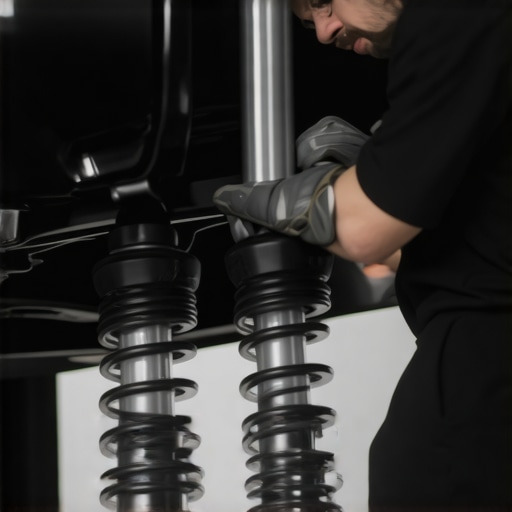
Align Your Wheels Properly
Misaligned wheels can exacerbate bouncing and uneven tire wear. Use a string or rely on a professional alignment service. I once adjusted my alignment using a simple string method, which improved handling remarkably. Proper alignment keeps your wheels in balance, reducing bounce and extending tire life.
Perform Routine Maintenance
Keep up with regular tune-ups and suspension checks. Regularly inspecting and replacing components like bushings and sway bar links can prevent bouncing. I schedule maintenance based on these checklist, saving money and ensuring safety.
Know When to Seek Expert Help
Some issues require professional diagnosis. If after these steps your car still bounces, visit a trusted auto shop for a detailed inspection. I once overlooked a subtle issue with my strut mounts, which only a mechanic could detect. Don’t ignore persistent bouncing; early professional intervention keeps your car performing safely.Many car owners believe that brake service is just about replacing pads or bleeding fluid, but in reality, there’s a lot more nuance that often gets overlooked. Common myths persist—like the idea that brake pads are the only critical component needing regular attention or that all auto repairs are straightforward and inexpensive. Let’s explore the complexities most drivers miss, so you can make informed decisions and avoid costly mistakes.
Why You Shouldn’t Trust Every Brake Service Advertisement
It’s tempting to choose a shop based solely on price or quick turnaround times, yet cheaper options often cut corners, leading to subpar repairs or using inferior parts. For instance, some low-cost brake pads may wear out twice as fast because they lack proper friction material quality. According to experts at GlassFix Auto, investing in a reputable service ensures safety and longevity, saving you money long-term.
The Maintaining your vehicle long-term requires more than just taking it to the shop occasionally. Investing in the right tools and adopting effective methods can save you time, money, and the hassle of unexpected breakdowns. One of my personal favorites is a high-quality digital multimeter, like the Fluke 115, which I use to diagnose electrical issues swiftly. Coupled with a good set of socket wrenches and a torque wrench, I can handle most minor repairs at home, from tightening loose bolts to checking sensor voltages. For brake service, I rely on a brake caliper piston compressor tool, essential for safely replacing brake pads without damaging the system.
Digital diagnostic scanners have become indispensable. I recommend the BlueDriver Bluetooth scanner because it interfaces seamlessly with my smartphone, providing detailed OBD-II data and trouble codes. It helps me identify problems early, preventing more significant repairs down the line. Software like Torque Pro complements this by offering real-time sensor readings, helping you monitor vehicle health over time.
When it comes to routine maintenance, I schedule periodic inspections based on a comprehensive car service checklist. This proactive approach allows me to catch issues like worn belts or low fluid levels before they escalate. Regularly replacing filters, fluids, and worn-out parts extends your car’s lifespan and ensures optimal performance. For example, flushing your brake fluid every two years, as recommended by experts at GlassFix Auto, can prevent corrosion and brake failure.
Predicting the future, vehicle diagnostics are headed toward greater integration with AI and IoT devices, allowing even more precise maintenance planning and fault prediction. Staying ahead involves embracing these innovations now.
### How do I keep my car in top shape over time?
Consistent maintenance is key. I set reminders for scheduled services, review manufacturer guidelines, and keep a detailed maintenance log. This habit isn’t just about saving money; it’s about peace of mind knowing your vehicle is reliable.
Try implementing a digital diagnostic tool combined with a manual inspection routine. Regularly check vital components—like your battery health with a multimeter or wheel alignment by measuring tire wear—and address issues immediately. This strategy will make your car a dependable partner for many miles to come.
Lessons from the Front Lines of Suspension Fixes
One of the biggest breakthroughs I had was realizing that ‘minor’ bouncing issues often hide serious suspension wear that, if ignored, can lead to costly repairs or safety hazards. It taught me to never dismiss subtle changes in my ride—because sometimes, the smallest jolts are the vehicle’s way of whispering for help.
Another lightbulb moment was understanding how wheel alignment isn’t just about straight driving; it directly influences how your suspension components bear the load. Investing in proper alignment, whether DIY or professional, can extend the lifespan of shocks and struts, saving money over time.
I also learned that routine checks—like shaking wheels for play or inspecting shocks for leaks—are accessible ways to be your own mechanic. Empowering yourself with these simple skills makes maintenance less intimidating and more of a proactive shield against unexpected issues.
Finally, I discovered that combining regular inspections with quality replacement parts and professional expertise creates a synergy that keeps your car smooth and safe. It’s not just about fixing what’s broken, but about building a resilient system that prevents problems before they escalate.