

I remember the first time I saw that unmistakable bluish tint swirling from my exhaust pipe. My heart sank. Was it just another harmless drip of oil burning off, or was something serious lurking beneath the hood? That moment sparked a whole new obsession with understanding what our cars are trying to communicate—the subtle signs that something’s off before it turns into a costly repair. If you’ve ever caught a whiff of blue smoke and wondered whether it’s time to panic or just schedule a quick tune-up, you’re not alone.
Why That Blue Smoke Might Be More Than Just a Smokescreen
Seeing blue smoke billow from your exhaust can feel like a scene straight out of a horror movie—disturbing and confusing. But here’s the plain truth: this phenomenon often signals a problem with your engine’s valve seals or piston rings, areas critical to your engine’s health. Ignoring these signs can lead to increased oil consumption, reduced performance, and in worst cases, engine failure. Early detection and proper diagnosis are essential, and trust me, I’ve learned this the hard way by making the mistake early on of dismissing minor issues, which only worsened the damage.
Will Fixing It Cost a Fortune?
This is where many people get cold feet. I used to think that blue smoke meant a full engine overhaul, and frankly, that terrified me. Thankfully, I discovered that not all smoke indicates a catastrophic failure. Sometimes, a simple repair or a basic tune-up can resolve the issue. For a deeper dive into preventive maintenance and what to schedule before problems escalate, check out this comprehensive car service guide. Staying proactive can save you a lot of money and frustration.
Now, you might be skeptical—”Is this really worth worrying about?” or “Could it just be normal wear and tear?” I get it. That’s why I want to share some personal experiences, like the time I almost ignored a faint blue hue only to find out my piston rings were wearing out—costing me more when I finally decided to get it checked. Understanding the root cause of that blue smoke is crucial, and that’s what we’ll explore next.
Start with a Precise Inspection
Before diving into repairs, perform a thorough visual check under your hood. Use a flashlight to examine the valve seals and piston rings, which are common culprits of blue smoke. Remove the engine cover if necessary, and look for signs of oil leaks or buildup. I once found a slight oil residue near the valve cover gasket, which pointed me toward a faulty seal.
Use a Compression Tester or Endoscope
Next, utilize a compression tester to assess the health of your cylinders. Attach the gauge to each spark plug hole and crank the engine to read the pressure. Low readings indicate worn piston rings or valve seals. For a more detailed look, an endoscope camera can help you peek inside the combustion chamber without disassembly, saving time and money.
Perform a Leak-Down Test
This test is more advanced but provides valuable insights. It involves pressurizing the cylinder with compressed air and listening for leaks. A hissing sound suggests worn piston rings or damaged valves. I rented a leak-down tester from my local auto parts store; this step clarified that my piston rings were the source, enabling targeted repairs instead of unnecessary replacements.
Decide on Repair or Replacement
Based on your diagnostics, determine whether a valve seal replacement or piston ring overhaul is needed. Valve seal repairs involve removing the cylinder head, which is straightforward if you have mechanical experience. Replacing piston rings is more complex, often requiring engine disassembly. My experience showed that replacing seals on a compact engine saved money and extended engine life.
Replace Valve Seals or Piston Rings
Follow manufacturer guidelines closely during replacement. Use appropriate tools—such as a valve spring compressor or piston ring pliers—to avoid damaging components. Always clean the piston surface thoroughly; debris can cause additional wear. For detailed procedures, consult reputable guides or automotive forums. Remember, a clean workspace helps prevent parts from getting contaminated, reducing future failures.
Perform a Comprehensive Tune-Up
After repairs, ensure optimal engine performance by tuning up your vehicle. Change the oil and replace filters to remove residual contaminants. A proper tune-up also includes inspecting spark plugs, air filters, and the PCV valve, which can exacerbate oil burning if faulty. This holistic approach prevents recurrence of blue smoke and boosts efficiency.
Regular Maintenance Protects Your Investment
Establish a maintenance schedule based on your vehicle’s needs. Regular oil changes with high-quality oil, checking valve seals periodically, and monitoring exhaust emissions will save you money and headaches in the long run. For guidance tailored to your car, review this comprehensive car service checklist.
Applying these steps materialized when I tackled my own blue smoke issue last summer. I used an endoscope to inspect the valves, identified worn seals through leak testing, and replaced them during a weekend. The result? My engine ran smoother, consumed less oil, and I avoided a costly repair shop visit. This process demystifies engine diagnostics and empowers you to handle minor issues confidently.
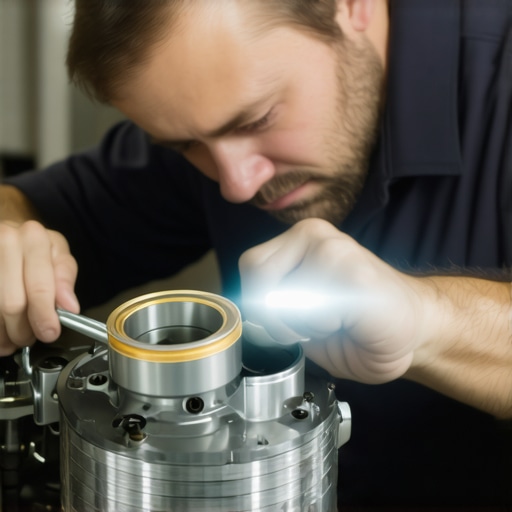 Many car owners operate under misconceptions that can lead to costly mistakes. Contrary to popular belief, regular maintenance isn’t just about ticking boxes; it’s about understanding nuanced behaviors of your vehicle. For instance, some believe that changing oil every 3,000 miles is an absolute rule, but recent studies suggest that high-quality synthetic oils extend this interval significantly, reducing unnecessary oil changes and saving money. This nuance often gets overlooked because of outdated advice or marketing hype. Moreover, many think that all brake services are similar, but the reality is that different driving styles and vehicle types demand tailored brake repairs—something the average owner isn’t aware of. Skipping this detail can result in premature brake wear or even failure.
Have you ever fallen into this trap? Let me know in the comments.
### Don’t Fall for Simplistic Myths About Tune-Ups
Many believe that tune-ups are only necessary when the engine is visibly failing. However, modern engines rely heavily on sensors and computerized systems, making proactive tune-ups critical to prevent unseen issues that can degrade performance or fuel efficiency. For example, neglected spark plugs can cause misfires that are hard to diagnose without specialized tools, leading to bigger problems down the line. Regular diagnostics, as recommended in this guide on tune-up strategies, help identify such hidden issues early.
### Beware of the Oops Moment in Brake Service
A common mistake during brake maintenance is ignoring the importance of proper rotor resurfacing or replacement when pads are replaced. Some shops might just swap out pads without addressing underlying rotor wear, leading to pulsing brakes or squealing sooner than expected. Not addressing these nuances can compromise safety and cost more in the long run. For the savvy driver, understanding that not all brake services are equal is vital—details like rotor thickness and consistent pad bedding are crucial for optimal stopping power. For more insights, review this article about brake service myths.
### What Advanced Car Diagnostics Reveal You Can’t See
When diagnosing issues like persistent engine stalling or unexplained oil consumption, basic visual checks won’t suffice. Advanced diagnostic tools, including OBD-II scanners and ultrasonic leak detectors, can uncover problems like faulty sensors, vacuum leaks, or worn piston rings that traditional methods miss. Faulty sensors may send erroneous data, causing the engine control unit to make incorrect adjustments, which directly affects performance and emissions. Staying ahead of such issues requires an understanding of proactive diagnostics discussed in this troubleshooting resource. Expert maintenance isn’t just about fixing problems; it’s about anticipating them before they escalate.
Tools I Recommend for Long-Term Car Care
Maintaining your vehicle over time requires more than just basic knowledge; having the right tools can make all the difference. Personally, I swear by a high-quality OBD-II scanner like the BlueDriver. It connects easily to your smartphone, providing comprehensive diagnostic codes and live data streams. This tool has empowered me to identify issues early, saving time and money. Additionally, a digital multimeter is indispensable for testing sensors and electrical systems. I prefer a Fluke multimeter due to its durability and accuracy, which I trust for routine checks on battery health and wiring continuity.
For physical inspections, a set of precision screwdrivers and socket wrenches with a ratchet are essential. I recommend a ratchet set with a variety of sizes to handle everything from changing spark plugs to replacing worn belts. Don’t overlook the importance of a good work light. An adjustable LED flashlight ensures you can see clearly in tight engine bays. These tools collectively streamline maintenance tasks and improve diagnostic precision, allowing you to spot potential problems before they escalate. As automotive technology advances, integrating code readers with diagnostic software that updates regularly will keep you ahead of emerging trends, such as electric vehicle systems and advanced driver-assistance sensors.
How do I maintain my tools to ensure they last?
Proper storage is key—keep tools in a clean, dry toolbox away from moisture and humidity, which can cause corrosion. Regularly clean and lubricate ratchets and moving parts to ensure smooth operation. Check your multimeter’s calibration periodically, especially if you’re using it for critical measurements. Investing in quality tools isn’t just about durability; it’s about precision and safety. For continuous updates on automotive tech, stay informed by visiting these upcoming auto-repair trends. Remember, a well-maintained toolkit is your best friend for safe and effective vehicle care.
Looking ahead, the trend toward smarter diagnostic tools with AI capabilities is likely to grow. Tools that can interpret complex sensor data and suggest repairs in real-time will become more accessible to home mechanics. This integration will further elevate the quality of DIY maintenance, helping you keep your car in optimal condition for years to come.
Don’t forget to try out an advanced tip—use your OBD-II scanner to clear a persistent check engine light as a first troubleshooting step. It’s a quick, effective way to determine if the issue is minor or warrants a professional check. Being proactive with tools and techniques like these ensures your vehicle stays reliable and safe, saving you money and stress in the long run.
The Hidden Lessons That Transformed My Approach to Auto Care
- Trust your instincts. I once ignored faint signs of blue smoke, leading to costly repairs. Recognizing early indicators can prevent major engine damage.
- Don’t underestimate the power of diagnostics. Using simple tools like a compression tester or endoscope changed my understanding of engine health and saved me money.
- Consistency beats urgency. Regular maintenance and inspections, especially of valve seals and piston rings, build a proactive defense against engine issues.
- Knowledge is your best tool. Educating yourself about common signs and repair techniques empowers you, turning car maintenance from a hassle into a manageable task.
- Small fixes, big impacts. Replacing valve seals or piston rings correctly can revitalize your engine’s performance and extend its lifespan significantly.
The Toolbox That Keeps My Car Running Smoothly
A reliable OBD-II scanner like the BlueDriver has been a game-changer for me, providing quick insights into engine trouble. A durable digital multimeter from Fluke ensures accuracy when testing sensors or electrical connections. Quality hand tools such as ratchet sets and precision screwdrivers make repairs safer and more efficient. For guidance on routine maintenance, I rely on resources like this comprehensive tune-up guide and auto-repair trends to stay ahead of the curve. These tools and knowledge keep my vehicle dependable and my mind at ease, knowing I can handle minor issues before they escalate.
Embrace the challenge and see vehicle maintenance as a continual journey—each check and repair is a step toward greater confidence and savings. By monitoring signs like blue smoke early and performing targeted repairs, you’re not just fixing a problem; you’re building a resilient vehicle ready for the road ahead. Don’t wait for a warning sign to become a breakdown; take charge today. Are you ready to start diagnosing those subtle signals your car gives you? Share your experiences below, and let’s learn together!