
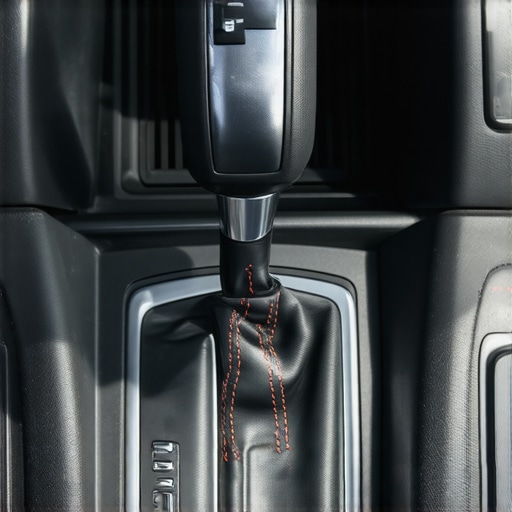
Ever been mid-drive, shifting gears with a smoothness you usually pride yourself on, only to be met with an unexpected chirp that makes you cringe? I remember the first time it happened to me—I was cruising along, minding my own business, when suddenly my car let out this sharp, high-pitched squeak. I froze, thinking, ‘Did I just damage something?’ Turns out, that chirping sound is more common than you’d think, and it often signals a small issue that can escalate if ignored.
What’s Causing That Annoying Chirp When I Shift?
The truth is, that squeal or chirp when shifting isn’t just a random noise—it’s your car’s way of warning you that something needs attention. Often, it’s related to the clutch or transmission system, maybe a worn-out belt or a lubrication problem. But here’s the thing—I made the mistake early on of assuming it was just a one-off sound, a fluke that would go away. Spoiler: it didn’t. Ignoring this chirp can lead to more expensive repairs down the road, like transmission rebuilds or clutch replacements.
So, what exactly is causing this noise? It could be a slipping clutch, especially in manual transmissions, or a dry or worn-out belt in the accessory drive system. Sometimes, a simple lubrication fix is enough; other times, it calls for replacing parts. Trust me, I’ve been there—waiting too long just costs more. Want to learn how to identify and fix the cause of that chirp? Keep reading.
Is Your Car’s Chirping Actually Worth the Hype?
At first, I dismissed that bird-like squeak as nothing serious—just a minor annoyance. But over time, I realized I was neglecting a sign that could cost me big. Early on, I overlooked a crucial mistake: assuming that noise was harmless because my car still ran fine. That’s a trap I see many drivers fall into. Research shows that such warning sounds are often precursors to more significant mechanical issues if not addressed promptly (auto repair trends).
Now, I don’t want you to make the same mistake. Whether you’re a seasoned driver or new behind the wheel, understanding why your car chirps when shifting gears can save you money, hassle, and most importantly, keep you safe. Ready to get to the bottom of that squeal and restore peace to your drives? Let’s dive into the practical fixes and preventive tips so you can handle this issue like a pro.
Inspect Your Clutch and Transmission Components
Start by checking your clutch pedal for proper engagement. A worn-out clutch disc or pressure plate can cause slipping, which manifests as a chirping sound during shifts. To diagnose, slowly press the clutch and listen for any abnormal noises or vibrations. If the pedal feels spongy or sticks, it’s a sign that the clutch system needs attention. I once faced this issue on my manual car; after inspecting, I found that the clutch cable was frayed, causing inconsistent pressure. Replacing the cable resolved the noise immediately.
Examine the Drive Belts and Pulleys
Next, turn off the engine and open the hood. Inspect the accessory drive belts for cracks, glazing, or looseness. A worn or loose belt can slip and create a chirping sound when the engine is under load or during gear shifts. Use a belt tension gauge to verify proper tension; if it’s too loose, tighten or replace the belt. I once ignored a squealing sound from my serpentine belt, and it nearly snapped while I was driving—replacing it saved me from a roadside breakdown. Regularly inspecting belts can prevent such surprises.
Lubricate Moving Parts
Many shifting noises stem from dry or dirty linkages and pivots. Apply high-quality lubricant to the clutch cable, gear shifter, and linkage points. Use a spray lubricant suitable for automotive parts, ensuring it penetrates deep into the moving joints. I remember lubricating my shifter assembly during a routine tune-up, which instantly smoothed out the shifts and silenced the chirp. Proper lubrication reduces friction and wear, extending the lifespan of these components.
Check the Transmission Fluid Level and Condition
Low or dirty transmission fluid can cause synchro issues, leading to grinding or chirping during shifts. Locate the transmission dipstick or fill port, and verify the fluid level as per your vehicle’s manual. If the fluid appears dark or smells burnt, it’s time for a change. Flushing and replacing the fluid with manufacturer-recommended type can restore smooth shifting. During my last service, I had the transmission fluid replaced, which noticeably improved shift smoothness and eliminated noise.
Assess the Clutch Hydraulic System
If your car has a hydraulic clutch system, inspect the master and slave cylinders for leaks or air bubbles. Bleed the system if necessary, ensuring firm clutch engagement. Air in the hydraulic line can cause inconsistent clutch operation and noise during shifts. I once bled the clutch system of my vehicle myself using a simple kit, which eliminated the squeaking and improved pedal feel. Regular maintenance of the hydraulic system is essential for reliable clutch performance.
Consider Professional Assistance for Persistent Issues
If after these steps the noise persists, consult a professional mechanic. They can perform advanced diagnostics, such as inspecting the release bearing or checking for worn synchros in the transmission. Don’t ignore ongoing issues; unresolved problems can lead to costly repairs down the line. For trusted assistance, visit our contact page to find expert help nearby. Remember, timely diagnosis and repairs keep your vehicle running smoothly and safely.
Many drivers operate under misconceptions about brake service and routine car maintenance that can cost them dearly over time. One common myth is that brake pads only need replacement when they make squealing noises. In reality, by the time you hear squealing, your brake pads might be dangerously worn, leading to risks like rotor damage or brake failure. Regular inspections, even when no symptoms are present, are vital, and a professional service can spot issues before they escalate.
Another misconception is that brake fluid is lifetime—nothing needs to be done until there’s a warning light. However, brake fluid absorbs moisture over time, reducing braking efficiency and risking corrosion within the brake system. According to automotive experts, changing brake fluid at recommended intervals enhances safety and prolongs component lifespan. Always ask your mechanic about your brake fluid’s condition to avoid unexpected failures.
Advanced car owners understand that not all tune-ups are created equal. Many assume that a basic oil change covers all necessary maintenance. However, comprehensive tune-ups involve checking and replacing spark plugs, air filters, fuel filters, and inspecting ignition systems. This holistic approach ensures optimal engine performance and fuel efficiency. Skipping these steps can result in poor acceleration, increased emissions, and engine misfires.
A hidden nuance often overlooked is the importance of understanding the difference between scheduled maintenance and diagnostic repairs. While oil changes and tire rotations keep your vehicle running smoothly, diagnostics can identify emerging issues like transmission slipping or abnormal vibrations—problems that might not yet produce obvious symptoms but can lead to costly repairs if ignored. Regular checkups with an auto repair professional familiar with the latest trends, such as those highlighted in auto repair trends, help catch these hidden issues early.
One trap drivers often fall into is neglecting signs of caliper sticking or uneven brake wear. These problems can cause pulsations or a soft brake pedal, and if ignored, lead to warped rotors or complete caliper failure. A quick inspection during routine service can prevent these costly repairs, saving you money and ensuring safety. Don’t forget, regular service isn’t just about fixing problems—it’s about maintaining your vehicle’s health proactively.
Make sure you’re not falling prey to misconceptions that could cost you down the road. Proper prevention, timely diagnostics, and understanding the nuances of maintenance keep your car in top shape. Want to ensure optimal brake and overall system performance? Reach out to a trusted professional— contact us today for expert advice and service. And remember, the real perk of comprehensive maintenance is peace of mind on every drive. Have you ever fallen into this trap? Let me know in the comments.
Investing in Quality Equipment Makes All the Difference
When it comes to keeping your vehicle in top shape, having the right tools is crucial. I personally swear by a high-quality digital inspection camera, like the FLIR VS70, which allows me to peer into tight engine compartments and detect issues like hidden leaks or corrosion without dismantling components. This saves time and helps me catch problems early, preventing costly repairs down the line.
Another must-have is a precise torque wrench. For example, I prefer a digital torque wrench with adjustable settings, such as the CDI 2503MFRPH. Accurate torque application is essential for tasks like tightening lug nuts or securing suspension components. Over-tightening can damage parts, while under-tightening risks failures—both can be avoided with proper tools.
Tools That Promote Long-Term Maintenance Success
Consistent maintenance relies on reliable diagnostics. I recommend a professional-grade scan tool like the Autel Maxisys Elite, which communicates with nearly all vehicle makes and models. It helps reset service lights, read and clear error codes, and even perform specific calibration procedures. Regularly using a quality scan tool ensures your vehicle’s systems are functioning correctly over time, extending its lifespan.
For fluid management, I use a hand-operated pump like the GROZ manual pump to precisely refill transmission or brake fluids without spillage. Controlled fluid handling minimizes contaminants and ensures the correct amount is added, which is vital for long-term system performance.
Tools that Aid in Scaling and Preventive Care
As your vehicle ages or your repair needs grow, investing in a hydraulic lift adds convenience and safety. I personally utilize a 2-post lift from forward-tilt models to perform comprehensive undercar inspections, change oil, or replace worn suspension parts safely and efficiently. Scaling repairs or maintenance becomes much easier with proper equipment, ultimately saving time and reducing the risk of injury.
Looking ahead, I predict that auto maintenance will increasingly incorporate smart diagnostics and wireless sensors. Devices like the Fixd Sensor, which connect to your smartphone, are becoming more sophisticated and affordable, providing real-time data about your car’s health. Embracing these trends now can lead to more proactive maintenance and better long-term results.
How do I maintain long-term vehicle health effectively?
Routine use of advanced diagnostic tools combined with meticulous documentation creates a maintenance archive that helps identify recurring issues before they escalate. Additionally, scheduling regular tune-ups through trusted auto repair shops ensures components stay in top condition. For a comprehensive service plan tailored to your vehicle, consider reaching out to professionals at our contact page. Implementing these tools and practices can significantly extend your vehicle’s lifespan and optimize performance.
Don’t overlook the power of a detailed checklist—dirty or worn parts often hide behind cosmetic issues. Regularly inspecting elements like belts, hoses, and fluid levels with proper equipment ensures your ride remains reliable over the years. Remember, investing in quality tools now can pay off in avoidance of expensive repairs later. Want to take your maintenance to the next level? Try calibrating your torque wrench periodically or use a digital inspection camera to spot hidden issues—small investments for huge long-term gains.
Lessons That Will Change How You View Your Vehicle
One of the most eye-opening insights I gained was that often, the smallest sounds and sensations from your car carry invaluable information. Ignoring a slight squeal or a subtle vibration can lead to costly repairs or even safety hazards. These experiences taught me to listen—really listen—to my vehicle. Recognizing that many issues are subtle hints rather than obvious crises shifted my whole maintenance mindset, making me a more proactive and confident car owner.
How a Simple Mystery Turned Into a Major Win
During a routine drive, I noticed a faint chirp when shifting gears, which I initially dismissed. Instead of brushing it off, I finally consulted a professional and learned it was a worn-out clutch component. Addressing it early saved me hundreds in repair costs and gave me peace of mind. That moment underscored the importance of not ignoring your car’s signals—even the quiet ones. Regular inspections and trusting your instincts can make all the difference, as detailed in our auto repair trends article.
Mastering Preventive Care: A Personal Strategy
Over the years, I’ve collected tools and knowledge that empower me to handle common issues before they escalate. For example, having a quality scan tool like the Autel Maxisys Elite helped me diagnose problems early, saving time and money. Regularly checking and maintaining essential components—like belts, fluids, and linkage points—has become second nature, turning potential surprises into minor hiccups. Embracing this proactive approach is key to extending your vehicle’s lifespan, as recommended in tune-up strategies.
Driving with Confidence and Knowledge
What truly sets apart a seasoned car owner isn’t just their toolkit—it’s their mindset. Understanding that each noise, vibration, or warning light is a message from your vehicle elevates your role from passive rider to active participant in your car’s health. I encourage you to invest in good tools, learn basic diagnostics, and stay curious about your car’s behavior. This knowledge isn’t just empowering; it’s essential for safe and cost-effective driving. Want to take your maintenance skills to the next level? Visit our resources for tips and expert guidance.
Final Reflection and Your Next Step
Every squeak, shudder, or whisper from your car offers a chance to connect deeper with your vehicle and safeguard your investment. The lessons learned through my journey have made me a better driver and owner—one who respects the complexities of auto care while confidently managing many issues independently. Your vehicle is more than a machine; it’s a partner on the road, deserving of your attention and care. Curious about diagnosing your car’s hidden signals? Reach out to an expert here. Now, I challenge you: have you ever overlooked a minor warning that turned into a major headache? Share your story below, and let’s learn together.