

Ever been behind the wheel, hit a bump, and felt like your car was about to shake itself apart? That sinking feeling in your stomach when you start thinking, “Is my suspension okay?” It happened to me during a morning commute—an ordinary day quickly turned into a puzzle of suspect parts and vague noises. I didn’t want to shell out for a full wheel alignment or climb under the car if I could avoid it. So I started painstakingly guessing, pressing, and listening, trying to pinpoint the culprit without taking anything apart. That lightbulb moment hit me concerning strut mounts—the crucial but often overlooked suspension component. And if you’re like I was, you’re probably wondering: can I tell if my strut mount is bad without cracking it open? The good news is, with a keen ear and some simple checks, you can often diagnose an ailing strut mount before it turns into a dangerous ride. Today, I’ll walk you through the signs to watch for and tricks to diagnose these sneaky suspension parts—saving you both time and money.
Why Proper Suspension Matters More Than You Think
Your car’s suspension isn’t just about smooth rides and comfy commutes. It’s your vehicle’s backbone—it keeps your wheels firmly on the road, absorbs shocks, and ensures safe handling during turns or sudden stops. When a component like a strut mount fails, the entire system can become compromised, leading to uneven tire wear, increased stopping distances, or even steering issues. Interestingly, according to research by automotive engineers, worn suspension parts can cause your braking system to work harder—sometimes up to 20% more—making your brakes last less and wear out faster. So, catching a failing strut mount early isn’t just about comfort; it’s about safety and extending your vehicle’s lifespan. If you’ve experienced strange noises, a wobbling feel, or uneven tire wear, you might be dealing with a weak or damaged strut mount. Want to keep your ride smooth and secure? Let’s dive into how you can tell if your suspension is singing the warning siren of trouble—without needing a lift or a mechanic’s pry bar.
Could a Wobbly Ride Or Unusual Noises Be More Than Just a Bump in the Road?
Many car owners—myself included—initially dismiss minor vibrations or squeaks as simple wear and tear. I made the mistake early on of ignoring a slight thumping noise during turns, assuming it was just worn tires. That oversight nearly led to a costly repair, and I learned the importance of paying attention to subtle signs. When it comes to your suspension, small clues can tell a big story. Recognizing these early can prevent dangerous driving situations and costly repairs later. Curious about the signs that reveal a bad strut mount? Stay with me, because identifying these issues could save you a trip to the shop—or at least an unplanned overhaul. Want to be proactive? Check out some troubleshooting tips at [Troubleshooting Common Auto Repair Issues](https://glassfixauto.com/troubleshooting-common-auto-repair-issues-before-visiting-the-shop)—a resource I wish I had access to before my first costly mistake.
Start with a Visual Inspection
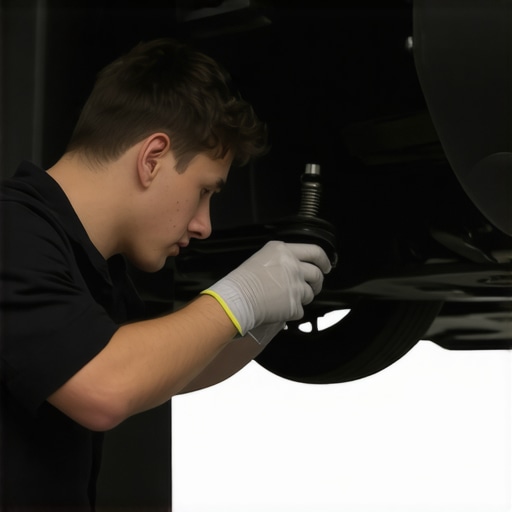
Position yourself near your front wheels and look for signs of damage like cracked rubber, rust, or uneven wear around the suspension components. Shake the wheel gently from side to side—if you notice excessive movement or hear knocking, it’s a red flag. During my last check, I noticed the rubber insulator was cracked, which immediately raised suspicion. Remember, a worn or damaged rubber cushion indicates a struggling strut mount that needs attention.
Listen for Unusual Noises
Drive slowly over bumps or uneven roads and pay close attention to squeaks, clunks, or rattles coming from the suspension area. These noises often originate from loose or failing parts. When I tested my car on a bumpy street, a faint creaking sound emerged—a clear sign my strut mount was compromised. Recognizing this early can prevent further damage and costly repairs.
Perform a Bounce Test
With the car parked, press down firmly on the front of the vehicle and let go. Observe how it settles. Excessive bouncing or delayed settling hints at suspension issues. I did this test on my driveway; the car bounced multiple times, confirming my suspicion that the strut mount was failing. This simple test mimics the vehicle’s shock absorption capacity and helps diagnose issues without lifting the car.
Check for Uneven Tire Wear
Inspect your tires for uneven tread patterns or cupping. These patterns often result from suspension misalignment caused by a bad strut mount. In my case, the inner edge of the tire wore faster than the rest, which aligned with other signs of suspension problems. Regular tire checks can be your early warning system, saving you from more serious suspension or steering issues.
Use the ‘Push and Listen’ Method
Grab a sturdy object or use your hand to gently press against the top of the coil spring or strut assembly while someone else observes or listens. If you hear a popping or knocking sound, the mount or related components might be loose or worn. During my own test, the knocking sound was unmistakable, leading me to further investigation.
Reserve a Professional Diagnosis if Necessary
If these tests point toward a failing strut mount, consider scheduling a professional inspection—contact us for expert assistance. While these methods provide valuable clues, a mechanic can perform precise measurements and safety checks. Remember, driving with a compromised suspension risks handling issues and safety hazards, so don’t delay if symptoms persist or worsen.
Note on Safety First
Always ensure the vehicle is securely parked and on level ground before conducting any inspections. Use wheel chocks if necessary. If you’re uncomfortable performing these checks, it’s safer to consult a professional. Regular maintenance sessions, including a comprehensive tune-up, can prevent suspension failures and extend your vehicle’s lifespan. Staying vigilant about these signs helps you maintain safe, smooth rides for miles to come.
 Many vehicle owners operate under misconceptions about tune-ups and auto repairs, often oversimplifying complex maintenance needs. Contrary to popular belief, a basic tune-up isn’t just changing spark plugs and oil; it encompasses a comprehensive assessment of the entire engine and related components to optimize performance and longevity. Over-relying on routine replacements without diagnostics can mask underlying issues, leading to costly repairs down the line. For instance, some think that brake service only involves replacing pads, but in reality, the entire brake system should be inspected, including rotors, calipers, and fluid levels, to prevent uneven wear and potential failure. Skipping this holistic approach can be a costly mistake. Additionally, many believe that all auto repair shops perform equally, but technician expertise varies widely, and some mechanics may cut corners or recommend unnecessary repairs merely to increase billings. To truly maximize your vehicle’s lifespan, investing in a detailed diagnostic and understanding the subtleties involved in each service can save you money and prevent unexpected breakdowns. Have you ever fallen into this trap? Let me know in the comments.
Is It Really About More Than Just Routine Maintenance?
Optimizing your car’s health involves knowing that proactive, diagnostic-driven approaches outperform reactive fixes. Regularly scheduled services, like those outlined in our comprehensive tune-up guide, focus on tuning the entire system for peak performance rather than just addressing immediate issues. Many drivers miss the importance of advanced diagnostics which can detect subtle signs of wear or imminent failure, especially in components like the catalytic converter or sensor systems. Experts emphasize that neglecting these nuances can accelerate wear and diminish fuel efficiency, as detailed by industry studies. Furthermore, a common myth suggests that replacing brake pads alone will solve braking issues, yet improper inspection might overlook warped rotors or contaminated brake fluid, leading to uneven braking performance and increased safety risks. This highlights the necessity of understanding the intricacies involved and not just the superficial fixes. Investing time and resources into proper diagnostics and detailed service plans can significantly enhance safety and vehicle lifespan.
In summary, avoiding these misconceptions and paying attention to the nuanced aspects of auto maintenance can prevent unnecessary expenses and safety hazards. To empower yourself further, consider consulting expert resources like our comprehensive guides on maintaining optimal vehicle performance.Maintaining your vehicle’s health isn’t just about occasionally checking fluid levels or replacing parts; it requires the right tools, consistent routines, and a proactive mindset. Personally, I rely on a combination of specialized equipment and strategic methods to ensure my car stays in top shape and to diagnose issues early. One essential item I swear by is a high-quality digital multimeter. It helps me verify electrical systems, like testing the alternator or battery voltage, which is crucial because electrical problems can often mimic mechanical issues. I prefer a multimeter with True RMS capability and auto-ranging features—these specifications allow for precise readings without fuss, especially in the variable conditions typical of auto diagnostics. Additionally, I always keep a comprehensive automotive code scanner in my toolkit. Modern vehicles rely heavily on electronic systems; having a reliable scanner enables me to read error codes directly from the ECU, pinpointing problems related to emissions, ABS, or engine management faster than ever. For this, I lean toward device compatibility with my smartphone, facilitating quick data review and record-keeping, which proves invaluable during long-term maintenance tracking. Besides hardware, software plays a pivotal role. I recommend using diagnostic apps that keep updating with the latest vehicle profiles—they extend the lifespan of your diagnostic tools and keep your troubleshooting accurate. An example is the OBDLink app paired with a Bluetooth scanner, providing detailed insights into ongoing issues and even suggesting potential fixes based on manufacturer-specific data. Regular calibration of these tools ensures you maintain accuracy over years. In terms of routine checks, I adopt a methodical approach—starting with a visual inspection, followed by electrical system testing, then mechanical analysis. This sequence helps me catch minor issues before they escalate. For example, testing the voltage of your battery periodically can reveal slow-draining powers or early signs of impending failure, saving money and preventing unexpected breakdowns. Predicting the future of auto maintenance, I believe we’re heading toward smarter diagnostics, leveraging AI to analyze sensor data and predict failures days before they occur. Embracing this evolution now means you’ll be prepared for the automaker-approved tools and software enhancements coming down the line. So, I challenge you to try a simple but powerful step: use your multimeter to check your battery voltage regularly—it’s a straightforward and invaluable habit. This small action can significantly extend your vehicle’s longevity and keep you confident on the road. For comprehensive maintenance strategies tailored to your vehicle, always explore resources like our [tune-up tips](https://glassfixauto.com/tune-up-your-car-for-peak-performance-essential-maintenance-tips) to stay ahead of potential issues.
Lessons that Changed My Approach to Suspension Repair
- Ignoring the subtle signs of suspension wear can lead to expensive repairs and dangerous driving conditions. Realizing the importance of visual and auditory cues in diagnosing strut mount problems was a game-changer for me.
- Diagnosing issues without professional tools is possible if you know what symptoms to look for—like uneven tire wear or unusual noises—saving both time and money.
- Early detection of a bad strut mount can prevent further damage to other suspension components, reinforcing that proactive checks are worth the effort.
- Understanding the safety implications of suspension failure prompted me to stay vigilant and perform regular inspections, transforming my maintenance routine.
- Consulting trusted resources and expert advice helped me differentiate between minor issues and serious concerns, leading to more informed decision-making.
My Favorite Tools to Keep Suspension in Check
- Automotive Diagnostic Scanner: A reliable scanner (like the OBDLink series) allows quick error code retrieval, pinpointing sensor or electronic issues that often accompany suspension problems.
- Digital Multimeter: I use this to check electrical components such as sensors and switches, ensuring that everything in my suspension system operates correctly.
- Visual Inspection Mirror and Flashlight: Essential for peering into hard-to-see areas behind wheels or under the vehicle, revealing cracks, rust, or leaks promptly.
- Tire Tread Depth Gauge: Regularly measuring tread depth helps catch uneven wear caused by suspension misalignments—early warning signs of mounting issues.
It’s Your Turn to Take Control of Your Ride
Remaining attentive to your vehicle’s suspension health isn’t just about smooth rides—it’s a cornerstone of safety and longevity. By applying these practical checks and equipping yourself with dependable tools, you can catch problems early and avoid costly repairs. Remember, regular maintenance fueled by knowledge empowers you to keep your car performing at its best for many miles ahead. Have you ever tried diagnosing suspension issues on your own? Share your experiences below, and let’s learn from each other.