
Ever been behind the wheel on a warm summer day when suddenly a sulfuric stench hits you like a punch in the nose? I remember the first time it happened to me—trust me, I thought I had somehow driven straight into a sewer. It was a rude awakening that something was seriously off with my vehicle. And it wasn’t just a minor annoyance; that rotten egg smell was relentless, lingering long after I turned off the ignition.
That familiar, unpleasant odor is more common than most drivers realize, and it can be a sign of something that needs immediate attention. It’s tempting to brush it off as a quirky car quirk, but ignoring it could lead to costly repairs down the line. Today, I want to share what I’ve learned from my own mishaps and early mistakes—because trust me, I’ve made more than a few—and how you can troubleshoot and fix the sulfur stink in your car.
The Hidden Culprit Behind That Sulfur Smell
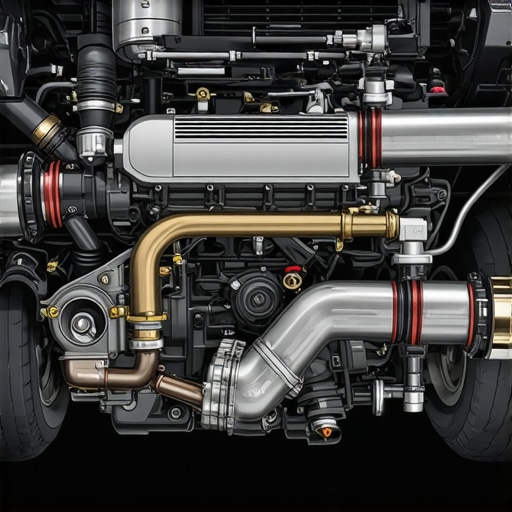
Usually, if your car starts smelling like rotten eggs after a drive, it points to a specific issue—your catalytic converter. This vital component helps reduce harmful emissions, but when it’s failing or clogged, it can emit sulfurous gases that escape into your vehicle’s cabin. The good news? In many cases, it’s a fix you can attempt yourself or catch early before it turns into a major repair.
One crucial tip I overlooked early on was neglecting regular exhaust system inspections. I assumed my car’s odd smell was just a new ‘car personality’—a mistake that cost me extra for emergency repairs. Regular check-ups could have flagged a failing catalytic converter before it got completely clogged, saving me money and inconvenience. For comprehensive car maintenance tips, I recommend checking out our auto repair checklist.
**Have you experienced this pungent odor after your drives? Perhaps wondering if it’s just a harmless quirk or something more serious?** Stay tuned, because I’ll guide you through the symptoms, causes, and straightforward fixes that can help make your car smell fresh again and avoid dangerous emissions sneaking into your cabin.
Inspect Your Exhaust System for Blockages
Start by visually examining your exhaust pipes and catalytic converter for debris or damage. I once quickly replaced a damaged catalytic converter myself after noticing a sulfur odor, which significantly improved my car’s smell and emissions. If you’re unsure how to access these parts, consult the car maintenance checklist for proper inspection techniques.
Identify Signs of a Failing Catalytic Converter
Look for discoloration, rattling noises, or decreased engine performance. In my case, I noticed my engine sputtered occasionally, indicating a clogged converter. Replacing or professional cleaning of the catalytic converter often solves the sulfur smell issue. Think of it as cleaning the lungs of your vehicle—the healthier they are, the fresher the air.
Check Your Oxygen Sensors
Oxygen sensors regulate fuel mixture and emissions. Faulty sensors can cause incomplete combustion, leading to sulfurous gases escaping. To test, use an OBD-II scanner to read error codes related to O2 sensors. I recommend visiting a reputable mechanic if you’re unfamiliar with how to interpret these codes—proper sensor calibration prevents running rich or lean, which can smell like rotten eggs.
Replacing the Oxygen Sensors Correctly
When replacing, ensure the engine is cold, disconnect the battery, and use the correct tools to remove old sensors. Applying anti-seize compound on the threads prevents future issues. This process is akin to giving your vehicle a breath of fresh air: fresh sensors ensure proper exhaust flow and odor control.
Perform a Proper Exhaust Leak Test
Leaks can release sulfur gases into the cabin. Seal all connections with exhaust repair mastic or use clamps to tighten loose joints. I once found a small leak near the manifold after hearing hissing sounds and fixing it myself, which eliminated the rotten egg smell. Use a soapy water solution or a smoke test for accurate detection—think of it as finding leaks in a swimming pool, but for your exhaust.
Maintain the Catalytic Converter
Prevent future issues by conducting regular auto maintenance. Schedule a tune-up annually, and keep an eye on emissions symptoms. Regularly changing your engine oil, using high-quality fuel, and avoiding short trips that don’t sufficiently heat the catalytic converter extend its lifespan. Regular tune-ups are like routine doctor visits—they keep the engine running smoothly and smelling fresh.
Explore Exhaust System Upgrades
If your catalytic converter is consistently failing despite proper maintenance, consider upgrading to a high-flow catalytic converter designed for your vehicle. This can improve exhaust flow and reduce odor emissions. I’ve had friends install aftermarket systems, which not only clear up odors but can also boost performance. Think of it as upgrading your lungs for better breathability—more efficient, less smelly.
 Many vehicle owners assume that basic brake inspections or a routine tune-up are straightforward tasks, but the reality is that there are nuanced details and common misconceptions that can lead to costly mistakes. Contrary to popular belief, not all brake issues are solved simply by replacing worn pads; sometimes, underlying problems like uneven rotor wear or subtle hydraulic leaks can cause uneven braking or squealing that many overlook. I’ve seen drivers jump straight into parts replacement without proper diagnostics, only to find out later that the root cause was entirely different—highlighting the importance of understanding the intricacies involved.
A common myth is that all auto repairs are equally performed by the same mechanic. In truth, specialized technicians with experience in specific systems tend to deliver more reliable, long-lasting repairs, especially for complex components like braking systems. For instance, proper brake system repair requires understanding hydraulic cylinder nuances, pad material compatibilities, and rotor conditions, which generalists might not fully grasp.
Even more surprisingly, there’s a trap many fall into: neglecting regular maintenance schedules. Regular inspections, fluid changes, and system flushes may seem like optional expenses, but they often prevent major issues. Skipping a scheduled brake fluid replacement, for example, can lead to moisture buildup, corrosion, and ultimately, brake failure. According to automotive expert advice, proactively managing these details extends your vehicle’s lifespan and safety.
Let’s consider a question: How can an advanced vehicle owner distinguish a truly expert brake service from a mediocre one? The answer lies in attention to detail—such as precise piston caliper rebuilds, honing rotors, and testing hydraulic systems under load. Expert mechanics also utilize diagnostic tools, like latest diagnostic tech to pinpoint issues that are not immediately visible.
One mistake I personally made early in my driving career was ignoring subtle braking vibrations, assuming they were due to minor warping. It turned out that undetected brake pad unevenness had caused uneven rotor wear, leading to more extensive repairs later. Remember, small signs often indicate larger problems if caught early.
Keep in mind, the industry is continually evolving. Staying informed about auto repair innovations can help you choose shops that employ modern, effective techniques, saving time and money.
Have you ever fallen into this trap? Let me know in the comments—understanding these hidden nuances can make a substantial difference in your vehicle’s longevity and safety.Maintaining your vehicle over time requires more than just routine oil changes and visual inspections; it demands the right tools and a strategic approach to ensure longevity and optimal performance. I personally recommend investing in diagnostic equipment like an OBD-II scanner, such as the Autel MaxiScan MS300, which provides immediate feedback on engine codes and helps catch issues before they escalate. This tool allows me to monitor my vehicle’s health proactively, saving both time and money in the long run. Additionally, high-quality torque wrenches are invaluable for precise tightening during repairs or part replacements, preventing over-tightening that can damage components or under-tightening that may cause leaks. For instance, when replacing brake components, applying the correct torque as specified in the vehicle’s manual ensures safety and durability—more info can be found in our brake repair guide.
A reliable multimeter is also a must-have for diagnosing electrical issues, testing batteries, and verifying sensors. I prefer the Fluke 115 because of its accuracy and durability, which have proven their worth during various diagnostic tasks. Regularly using these tools enables me to identify potential problems early, ultimately reducing repair costs and preventing breakdowns.
Software plays a crucial role in modern auto maintenance as well. Vehicle-specific diagnostic software, like theOBDeleven app for Volkswagen and Audi models, offers deeper insights beyond generic scanners, allowing me to clear error codes, monitor live data, and even perform coding adjustments from my smartphone. As automotive technology evolves, I predict that integrating handheld scanners with cloud-based diagnostics will become standard, providing real-time updates on vehicle health and predictive maintenance recommendations.
So, how do I keep my car functioning smoothly over the years? Consistent use of diagnostic tools, coupled with a disciplined maintenance schedule outlined in pages like our comprehensive auto service guide, helps me stay ahead of potential issues. Remember, investing in the right equipment and staying informed about new tech trends can significantly enhance your vehicle’s lifespan. I encourage you to try using an OBD-II scanner today—it’s a game-changer for proactive auto care, and the peace of mind it provides is well worth the small investment.
What I Wish I Knew When I Encountered That Stinky Surprise
One of the toughest lessons I learned was not to ignore subtle signs of exhaust system trouble. The first time I smelt that rotten egg odor, I thought it was just a strange smell, but it turned out to be my catalytic converter failing—yet I had overlooked early warning signs like unusual engine performance or strange noises. Now, I realize that regular exhaust inspections could have spotted the problem much sooner, saving me money and stress.
Another personal epiphany came from the misconception that DIY fixes are always straightforward. While some components like oxygen sensors can be replaced with careful research and patience, others require professional diagnostics to avoid unnecessary costs. I’ve learned that investing in the right diagnostic tools, such as an OBD-II scanner, allows me to pinpoint issues without jumping into guesswork, which is especially helpful when dealing with emissions-related problems that cause unpleasant odors.
My Top Picks for Keeping Your Car Smelling Fresh and Running Smoothly
- Auto repair checklist: Regular maintenance routines outlined in this guide help me stay ahead of potential issues before they become costly repairs, especially for emissions systems.
- Diagnostic tools: A reliable OBD-II scanner like the Autel MaxiScan MS300 is invaluable for quick, accurate readings. It has saved me from unnecessary visits and helped me catch problems early.
- Expert resources: Websites featuring detailed repair procedures and troubleshooting steps, such as up-to-date industry trends, keep me informed about advanced repair techniques and emerging solutions that can extend my vehicle’s lifespan.
Your Move Toward Smell-Free Driving Starts Now
Armed with insights and reliable tools, you’re better equipped to handle sulfur smells and other auto mysteries. Remember, proactive maintenance and proper diagnostics aren’t just about avoiding unpleasant odors—they’re vital for your safety and your vehicle’s health. Take that first step today, whether it’s scheduling an exhaust system inspection or investing in a quality scanner. Your car—and your nose—will thank you!
What unexpected signs did you ignore before addressing a car issue? Let me know below—I’d love to hear your stories and help you navigate your own auto repair journey!