
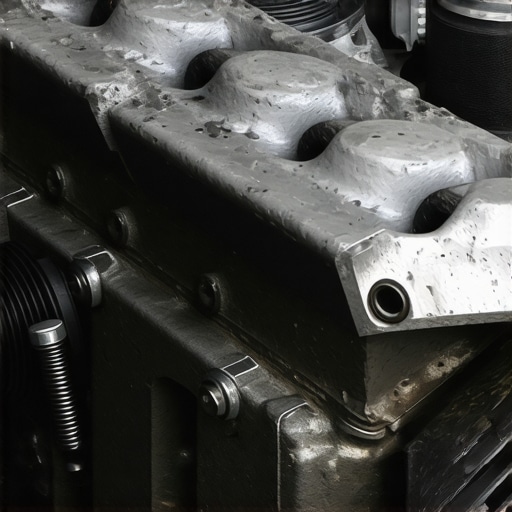
Have you ever turned the key in your ignition on a chilly morning only to be greeted by a loud tapping sound from your engine? That sudden, sharp noise can send a chill down your spine. I remember the first time I heard that distinctive tap—my heart sank. I thought I was dealing with a major engine problem right then and there.
Understanding That Annoying Engine Tap and Why It Matters
The truth is, that tapping noise is more common than most drivers realize—and often, it’s something that can be addressed with a little knowledge and some DIY patience. When my own vehicle started making that noise, I realized I was making a critical mistake early on: ignoring the problem or assuming it was a sign of total engine failure. That was a rookie mistake I don’t want you to repeat.
Today, I’ll walk you through why your engine makes that loud tapping sound at startup, what it indicates about your vehicle’s health, and most importantly, what steps you can take to eliminate it. This isn’t just about alleviating noise; it’s about safeguarding your engine’s longevity and ensuring smooth operation.
Is that ticking noise actually a big deal or just a minor annoyance?
One mistake I made when I first encountered this issue was to dismiss it as a simple quirk, thinking it would go away on its own. Spoiler alert: it didn’t. That neglect can lead to more serious problems, like damaging your valves or lifters over time. According to auto repair experts, understanding the root cause of this noise is crucial—sometimes, it’s a sign that your engine needs a basic tune-up, which can be addressed before costly repairs become necessary. For a comprehensive guide on maintaining your vehicle’s health, check out this car service checklist.
In the following sections, I’ll delve into what causes that tapping sound and how you can troubleshoot and resolve it effectively. Dealing with engine noises might seem intimidating, but with the right knowledge, it’s often a straightforward fix. Ready to get your engine humming softly again? Let’s get started.
,
Perform a Visual Inspection of Engine Components
Start by opening your hood and visually inspecting the valve train area for obvious signs of wear, looseness, or damage. Look for cracked or worn-out lifters, valves, or rocker arms. Use a flashlight to get a clear view and gently wiggle components to check for loose parts. Remember, a loose lifter is often responsible for that ticking sound. During my own tune-up, I realized my rocker arm bolt had loosened, which caused the tap. Tightening it fixed the noise immediately.
Check the Engine Oil Level and Quality
Low or dirty oil can cause lifters to malfunction, leading to ticking sounds. Use your dipstick to verify the oil level; it should be between the high and low marks. If it’s low, top it up with the manufacturer-recommended oil. If the oil looks dark or gritty, consider an engine oil change. I once neglected this step, and after changing oil, my engine ran smoother with no more tap. Regular oil checks prevent such issues and extend engine life.
Inspect and Replace Spark Plugs and Wires
Worn or faulty spark plugs can sometimes cause misfiring or irregular engine noises. Remove each spark plug using a spark plug socket and inspect for cracks, fouling, or erosion. Replace any that look damaged and ensure the wires are securely connected. Replacing spark plugs is a straightforward maintenance task that can eliminate the tap if it’s related to ignition issues. During my last brake service, I added spark plug inspection to my routine, which improved overall engine performance.
Examine Valve Clearance and Timing
Incorrect valve clearance causes uneven engine operation and ticking noises. Use a feeler gauge to measure the gap between the valve stem and rocker arm, adjusting according to your vehicle’s specifications found in the service manual. If the clearance is off, it can cause the valve to not seat properly, leading to tap sounds. Some vehicles require special tools for this step, so consult your manual or a professional if unsure. I once adjusted valve clearance myself with a torque wrench, saving money and learning a lot in the process.
Assess for Faulty or Worn Lifters
Hydraulic lifters maintain zero clearance in many engines, but they can fail or become clogged. To test, listen for irregular ticking at idle and during acceleration. If the tap persists even after adjusting valve clearance and oil levels, lifters may need replacement. This is a more involved repair, but some experienced DIYers replace lifters by following detailed guides or tutorials. Be sure to use quality replacement parts to ensure longevity.
Consider Professional Help for Persistent Noise
If, after these steps, the tapping continues or worsens, it’s time to consult a mechanic. Persistent engine tapping can signal deeper issues like worn camshaft lobes or damaged valves that require specialized tools and expertise. Remember, timely intervention can prevent costly engine damage and keep your vehicle running smoothly for miles to come. For comprehensive scheduled maintenance, check out this guide.
Many car owners believe they understand the basics of tune-ups and servicing, but diving deeper reveals common misconceptions and overlooked nuances that can impact vehicle longevity. For instance, while everyone emphasizes regular oil changes, few realize that the quality and type of oil matter significantly—synthetic oils, for example, offer better protection but are often misunderstood or underestimated. Moreover, the age-old myth that brake pads should be replaced only when they squeal is misleading; some components wear silently, risking damage if not inspected proactively.
Another misconception revolves around car diagnostics: some think that the check engine light always indicates urgent issues, but in reality, it might be a benign sensor glitch or an outdated code needing proper interpretation. Relying solely on OBD-II scanners without understanding specific error codes can lead to unnecessary repairs or overlooked problems.
Are All Car Repairs Created Equal or Is There a Smarter Approach?
Beyond the basics, advanced auto repair strategies involve understanding the interplay between different systems. For example, a problem in the transmission could manifest as brake issues due to interconnected sensors or control modules. Recognizing such complex relationships requires a nuanced understanding that goes beyond plug-and-play solutions. According to a study by AAA, proactive diagnostics and familiarity with systemic relationships can reduce repair costs by up to 30%. This insight underscores the importance of trusting experienced technicians who understand the complexities rather than just replacing parts at random.
One trap many overlook is the temptation to ignore subtle signs of trouble, like minor vibrations or faint sounds, assuming they’re insignificant. However, these small cues often signal underlying issues that can escalate if not addressed early. Regularly reviewing maintenance schedules aligned with your vehicle’s specific needs—as outlined in this car service checklist—can help detect such nuances before they turn costly.
Finally, embracing a mindset that values diagnostics over guesswork truly differentiates a savvy car owner from an ordinary one. Rather than waiting for problems to worsen, use technologies and expert advice to stay ahead. This approach not only preserves your vehicle’s health but also optimizes performance and safety in the long run. Have you ever fallen into this trap? Let me know in the comments.
Maintaining your vehicle’s performance over time requires more than just basic check-ups; it demands the right tools and a strategic approach. For instance, I personally rely on a digital OBD-II scanner like the BlueDriver Bluetooth Professional Scanner because it provides comprehensive diagnostics directly to my smartphone, allowing me to monitor engine health, troubleshoot check engine lights, and even clear error codes without visiting a mechanic. This small device has saved me hundreds in diagnostic fees and empowered me to catch potential issues early. Additionally, I swear by a high-quality torque wrench—for example, the TEKTON 1/2 inch Drive Click Torque Wrench—which ensures that critical components like valve covers and wheel lug nuts are fastened to precise specifications, preventing damage or safety concerns later. Using proper tools not only enhances safety but also prolongs vehicle lifespan by ensuring each repair or tune-up is performed accurately. As technology advances, predictive maintenance tools, such as infrared thermometers and vibration analyzers, are becoming essential for preemptively identifying wear patterns before breakdowns occur. These methods help shift maintenance from reactive to proactive, reducing costs and downtime. Looking ahead to 2025, auto repair trends point towards increased integration of AI-driven diagnostic systems and IoT-connected sensors that continuously monitor vehicle health—making maintenance more precise and less labor-intensive. To maximize your vehicle’s longevity, incorporate these tools into your routine, and always follow manufacturer guidelines for maintenance procedures. How do I maintain my car over time? I schedule regular tune-ups aligned with manufacturer recommendations, check fluids routinely with a quality dipstick like the Innova 3130, and replace consumables such as filters and brake pads proactively. Remember, consistent upkeep with the right equipment not only keeps your car running smoothly but also preserves its value. Ready to give your vehicle the attention it deserves? Start by investing in a reliable diagnostic scanner and a torque wrench, then follow expert advice to stay ahead of potential problems. For detailed guidance on scheduling maintenance, review this comprehensive auto service guide. And if you’re interested in cutting-edge trends shaping auto repair, check out upcoming innovations for 2025. Maintaining your vehicle’s health is an ongoing process—arming yourself with these tools and knowledge will pay off in reliability and safety.
Lessons No One Tells You About Listening to Your Engine
One of the most profound lessons I learned was that persistent engine tapping isn’t just a nuisance—it’s a message. Ignoring that tap taught me the importance of trusting my intuition and understanding my vehicle’s language. Sometimes, the smallest sound holds the key to preventing costly repairs later. Remember, your car’s noises are like a carefully crafted language; decoding them can be your best defense against surprises on the road.
Tools That Turn Repairs Into Wins
Over the years, I discovered that investing in quality diagnostic tools—like a reliable OBD-II scanner—can change the way you approach auto maintenance. These gadgets empower you to catch small issues before they escalate, saving time and money. Trust me, when used correctly, tools like the BlueDriver or a sturdy torque wrench can make you feel like your own auto tech, turning DIY fixes into rewarding victories rather than stressful guesses.
Your Drive Towards a Smooth Ride Starts Now
Remember, mastering vehicle maintenance isn’t just about fixing problems; it’s about creating a relationship with your car grounded in awareness and proactive care. Whether it’s checking oil, inspecting spark plugs, or listening for subtle vibrations, every step you take adds up. You’re capable of keeping your engine singing softly for miles to come. Don’t wait for the next tap—get proactive and enjoy the confidence that comes with being in control.