
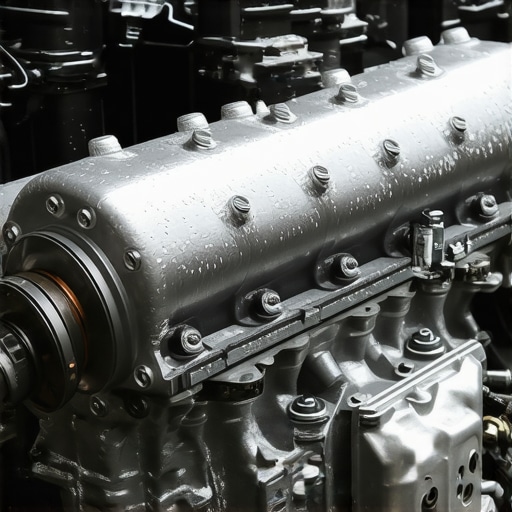
It was a freezing morning, and as I started my car, that dreadful ticking sound greeted me. I froze, thinking the worst—did I ruin my engine overnight? That moment of panic is all too familiar for many drivers. If you’ve experienced this, you know how unsettling it can be, especially when you’re eager to get on your way. Trust me, I’ve been there.
This simple tune-up could be the game-changer for your vehicle’s performance. Today, I’ll walk you through the reasons behind that cold start ticking and, more importantly, how you can address it yourself or with your mechanic.
The Cold Weather Clues: Why Does Your Engine Click?
Is This Noise Actually Dangerous or Just Normal?
I used to panic every time I heard that sharp ticking—fearing it was a sign of imminent engine failure. Early on, I made a critical mistake: ignoring the sound and hoping it would go away. Turns out, that’s common but not always the right move. Understanding the difference between normal thermal expansion sounds and actual trouble is key. When metal parts heat up, they expand slightly, which can cause a ticking noise, especially if some parts are slightly misaligned or dry. This is usually harmless and resolves as the engine warms up.
But if the noise persists or gets worse, it might point to issues like low oil, worn lifters, or a failing valve train. Recognizing these signs early can save you money and prevent unexpected breakdowns.
Thinking about a comprehensive check? Consider visiting your trusted auto repair shop for a thorough inspection. Regular maintenance, like a tune-up, can nip many problems in the bud.
Addressing the Skepticism: Is This Just a Myth?
I remember dismissing some of these noises as normal, only to learn the hard way that ignoring certain sounds can lead to costly repairs. One mistake I made was delaying the oil change, which exacerbated the wear on my engine components. Modern engines are more resilient, but they’re not invincible. Knowing when to listen and when to act is part of responsible vehicle ownership.
If you’ve been skeptical about whether this ticking is a serious issue or just part of cold starts, you’re not alone. Many drivers worry excessively, but most engine ticking in cold weather is indeed a normal phenomenon that subsides once the engine warms.
Stay tuned as I guide you through practical steps to diagnose the cause of that ticking and ensure your car runs smoothly—even in the coldest mornings.
Check Your Oil Level and Quality
The first step I took was inspecting my engine oil. Low or dirty oil can cause lifters and valves to produce ticking noises, especially when cold. I parked my car on a flat surface, waited for the engine to cool, then opened the hood. Using the dipstick, I confirmed the oil level was below the recommended mark. I also checked the oil’s appearance; if it looked dark and sludge-like, a change was needed. If your oil is old or low, topping it up or performing a full oil change can resolve the ticking that worsens in cold weather.
Perform a Visual Inspection of Belts and Hoses
Next, I visually examined belts and hoses for signs of wear or looseness. Worn or cracked belts can slip or vibrate, producing clicking sounds during cold starts. I checked belt tension by pressing down gently; if they felt loose, a belt adjustment or replacement was necessary. Tightening loose belts or replacing cracked ones often quiets down engine noises. Remember, a proper belt tension is crucial—they act like the arteries of your engine, and their health directly impacts performance.
Listen and Locate the Source of the Click
I started the engine and listened carefully. Placing a mechanic’s stethoscope or a long screwdriver against different engine parts helped me pinpoint the ticking’s origin. If the sound emanated from the top of the engine, it might be lifters or valve train issues. If from the belt area, it could be a slipping accessory belt. Accurately identifying the source saves time and guides the correct repair, whether it’s a simple adjustment or a more in-depth service.
Spray Lubricant on Sticky Components
For minor sticking parts, such as a dry lifter or valve, applying a specialized engine lubricant can help. I used a spray designed for engine components and applied it cautiously to the suspect areas while the engine was off, then restarted to observe changes. If the noise diminishes, it indicates a lubrication issue. However, avoid over-lubricating or using inappropriate substances, which can cause further problems.
Consider a Professional Tune-Up
After performing these basic checks, I realized that a more thorough approach could be beneficial. Regular tune-ups involve replacing spark plugs, inspecting ignition systems, and cleaning valves—steps that prevent and reduce cold-start noises. Scheduling a professional service ensures all engine components operate harmoniously, reducing strain during cold mornings.
Monitor and Prevent Future Issues
To keep ticking noises at bay, I adopted a maintenance routine: checking oil levels monthly, replacing oil per manufacturer schedules, and inspecting belts every few months. Keeping your engine in top shape not only prevents strange noises but also extends its lifespan, saving you money and stress long-term.
 Many drivers assume that brake service and general auto repairs are straightforward tasks that can be handled with minimal knowledge or simply by following common advice. However, there’s a hidden nuance that often gets overlooked, which can lead to costly mistakes and subpar vehicle performance. Let’s dig deeper into the misconceptions surrounding these critical aspects of car care.
One prevalent myth is that replacing brake pads alone is sufficient for brake maintenance. While seen as the primary fix, this approach ignores the importance of inspecting brake rotors, calipers, and brake fluid. Worn rotors or contaminated fluid can diminish braking efficiency regardless of pad condition. Regular comprehensive inspections are essential to ensure all components work harmoniously, as emphasized by experts in the field.
In the realm of general auto repairs, many believe that all repairs are equally simple or can be done at home without proper tools or expertise. This fallacy can trap car owners into attempting repairs beyond their skill level, risking further damage. For instance, replacing timing belts or handling advanced engine diagnostics should ideally be left to professionals who understand the intricacies involved. According to industry insights, misdiagnosis or improper repair can lead to increased expenses down the line.
A common mistake during tune-ups involves focusing solely on spark plugs and neglecting other vital systems like fuel injectors, air filters, and sensors. A holistic approach that addresses multiple components enhances engine performance and fuel efficiency. Regular tune-ups, as outlined in the car service checklist, can prevent small issues from escalating.
For the advanced car owner, a nuanced understanding involves recognizing the signs of deeper systemic issues, such as brake fade or inconsistent acceleration, which might signal underlying problems beyond routine maintenance. Investing in diagnostics and staying informed about the latest auto repair trends can save time and money, as highlighted in auto repair insights for 2025.
Make sure to avoid the trap of thinking that quick fixes are sustainable long-term solutions. Every component in your vehicle is part of a complex system that requires careful attention and expertise to maintain. Neglecting this can lead to safety risks, unnecessary expenses, or vehicle breakdowns.
Have you ever fallen into this trap? Let me know in the comments. Remember, proper maintenance isn’t just about reacting to problems but proactively caring for your car with expert strategies. For more tips on maximizing your vehicle’s lifespan, check out these tune-up strategies to keep your car running smoothly for years to come.Maintaining your vehicle’s performance over the long term requires the right tools, a systematic approach, and a proactive mindset. As a seasoned auto enthusiast, I rely on specific equipment that not only streamlines routine maintenance but also helps identify potential issues before they escalate. In this post, I’ll share the tools I recommend and explain why they are indispensable for keeping your car in top shape.
First, a high-quality OBD-II scanner is non-negotiable. I personally use the BlueDriver Bluetooth Pro Scanner because it offers comprehensive diagnostics directly to my smartphone. This device helps me quickly read and clear fault codes, monitor real-time sensor data, and identify issues promptly—saving time and money. For instance, catching a misfire early can prevent catalytic converter damage, which is costly to replace.
Next up, a reliable mechanical multimeter is crucial for testing electrical components. I use a Fluke multimeter because of its precision and durability. With it, I verify the voltage across sensors, test the continuity of wires, and diagnose battery performance. A healthy electrical system is vital for proper engine management, and a multimeter is my go-to for ensuring everything is within spec.
For brake system maintenance, I recommend a brake caliper piston tool. I prefer the Power Probe Brake Bleeder Kit, which simplifies the process of bleeding brakes and ensures no air remains in the lines. Proper brake fluid flushing with the right tools extends the lifespan of your braking components and maintains safety.
Another essential is a torque wrench. Using a torque wrench, like the Tekton 1/2-inch model, ensures nuts and bolts are tightened to manufacturer specifications. Over-tightening or under-tightening can lead to component failure or safety hazards, especially with critical parts like wheel lug nuts or engine mounts.
To keep detailed records of maintenance, I utilize automotive software like Carfax’s service tracker. Logging all repairs and inspections helps me stay organized and ensures timely maintenance, which is especially useful if you’re managing multiple vehicles or planning long-term upgrades.
Looking ahead, the trend points toward increased integration of advanced diagnostics and AI-driven predictive maintenance tools. For example, connected devices will continually monitor vehicle health, alerting owners to issues potentially before they manifest symptoms. Investing in these technologies now can give you a substantial edge when it comes to maintenance planning.
A question I often get is, “How do I maintain my vehicle over time to avoid costly repairs?” The key lies in routine inspections, keeping tools like your scanner and multimeter handy, and acting quickly on warning signs. For instance, I suggest regularly testing the battery with your multimeter, especially before winter, to prevent unexpected failures.
If you want to take your vehicle maintenance a step further, try incorporating an advanced diagnostic tool like the BlueDriver scanner into your routine. It will empower you to catch issues early and make informed decisions about repairs or professional service. For more tips on proactive car care, check out our comprehensive guide.
Lessons I Wish I Knew When Facing That First Cold Morning
- Don’t dismiss early signs of engine noises—what seems minor can turn costly if neglected, but knowing the difference between normal expansion sounds and warning signs is key.
- Regular maintenance, like timely tune-ups, can prevent the frustration and anxiety of cold starts, ensuring your engine runs smoothly when you need it most.
- Inspecting and maintaining oil levels and quality is often overlooked but critically impacts how your engine responds in cold weather, saving you money and stress.
- Simple DIY checks, such as belt tension and visual inspections of hoses, can save time and point you toward needed professional services without guesswork.
- Invest in basic tools like a good flashlight, a mechanic’s stethoscope, or a dipstick—these will empower you to diagnose minor issues and decide when to seek expert help.
Gear Up with Tools That Keep You Moving
- An OBD-II scanner transformed how I monitor my vehicle’s health, catching issues early and avoiding roadside emergencies.
- A reliable multimeter from brands like Fluke helps me troubleshoot electrical hiccups, especially in winter when battery performance drops.
- Proper torque wrenches and specialized brake tools have become my go-to for safe, professional-quality repairs, extending my vehicle’s lifespan and safety.
- Maintaining a detailed service log via automotive software keeps me organized and proactive—no more last-minute surprises during cold mornings.
Cold Mornings Don’t Have to Be Stressful
Every time I face a frosty morning, I remind myself that understanding my engine and being prepared make a world of difference. Remember, regular checkups and using the right tools can transform daunting cold starts into smooth, confident rides. Keep learning, stay proactive, and your vehicle will thank you for it. So, what’s your biggest challenge when starting your car in winter? Drop your experience in the comments—I’d love to hear how you’re mastering your cold mornings.