

It was one of those mornings when I opened my hood and saw it—my engine oil looking disturbingly like a chocolate milkshake. My heart sank. I felt that familiar wave of frustration and worry, wondering what I had missed and whether I was about to face a costly repair. That lightbulb moment hit me hard: I realized that I was not alone in this strange ordeal, and more importantly, I needed to understand what this bizarre appearance of my oil meant and how to fix it.
Why Your Engine Oil Looks Like Chocolate Milk and What It Signals
The sight of milky, frothy oil might seem intimidating, but it’s actually a clear indicator of a problem that can’t be ignored. Typically, this discoloration points to coolant leaking into your engine oil, creating a mixture that looks just like chocolate milk. This isn’t just about sloppy oil changes or a dirty engine; it signifies a serious issue with your vehicle’s head gasket, a cracked engine block, or a damaged cylinder head. If left unaddressed, it can lead to engine failure, costly repairs, or even a total engine replacement.
From my early mistakes, I learned the hard way—ignoring such symptoms can turn a manageable fix into a nightmare. I once continued driving with milky oil, which drained my wallet heavily in repairs, and I wish I’d known earlier how critical this issue is. For your peace of mind, you can check out some troubleshooting tips for common auto repair issues here.
Next Steps: How to Confirm and Address the Problem
Now that you know what milky oil suggests, the obvious question is: what do you do next? The good news is, you don’t have to panic. First, check your coolant level and look for signs of contamination in your oil filler cap or dipstick. If the coolant is low and the oil looks like a milkshake, it’s time to get professional help. I highly recommend scheduling a thorough inspection with an experienced mechanic to prevent further damage.
In addition, consider some preventative maintenance strategies, like regular tune-ups and fluid checks, which can identify issues before they escalate. Learn more about tune-up benefits at this link.
If you’re unsure or nervous about tackling this problem, always consult with a trusted auto repair specialist. Intelligent maintenance can save you time and money down the road, and keeping your vehicle in top shape is worth every effort.
Drain and Replace the Contaminated Oil Effectively
The first concrete step is to drain the milky oil thoroughly. Use a socket wrench and an oil drain pan to remove the drain plug, letting all the old oil and coolant mix flow out. When I faced this, I ensured the engine was cool before starting to prevent burns. After draining, replace the drain plug securely and refill with fresh, high-quality motor oil. This process resets your engine’s lubrication, reducing the risk of internal damage.
Inspect for Coolant Leaks and Head Gasket Failures
Identify Common Leak Points
Locate the radiator, coolant hoses, and the engine’s head gasket area. A telltale sign of coolant intrusion is a sweet smell or white foam on the oil filler cap. I once noticed a faint white residue under the oil cap—this tipped me off that coolant was seeping into the engine. Use a flashlight to watch for cracks or corroded gasket surfaces. A visual inspection helps confirm if the head gasket is compromised, a common culprit behind milky oil.
Perform a Compression Test
A compression test assesses the sealing integrity of your cylinders. I rented a compression tester from the auto parts store, following instructions carefully—pressurizing each cylinder and noting readings. Low compression in one or more cylinders indicates gasket failure or cracked head, necessitating professional repairs. If you’re not comfortable doing this yourself, a mechanic can perform this step quickly to diagnose the specific issue.
Schedule Professional Repair Services
Once you confirm a head gasket or crack issue, consult a qualified mechanic promptly. Waiting can allow coolant to enter the oil system repeatedly, causing engine wear. During my own experience, I booked an appointment with an auto repair shop, which advised a head gasket replacement. Reliable mechanics have diagnostic tools like dye tests or cooling system pressure tests, providing definitive answers. Do not attempt extensive repairs without experience, as incorrect fixes can worsen the problem or void warranties.
Implement Preventative Maintenance to Safeguard Your Engine
Beyond addressing immediate issues, routine checks are essential. Regularly inspect your coolant levels and look for signs of leaks—think of it as keeping an eye on your engine’s vitals. Consider scheduling a tune-up to optimize engine performance. A well-maintained engine is less prone to gasket failure or cracking, extending its lifespan. Use a comprehensive vehicle service checklist to stay on top of regular upkeep and catch potential issues early.
Monitor Your Engine After Repairs
After repairs, keep an eye on the oil and coolant levels. Regularly check the dipstick and coolant reservoir—think of it as your engine’s health report. If you notice any recurring signs of contamination, revisit your mechanic. Doing this can prevent future engine damage and save you costly repairs down the line.
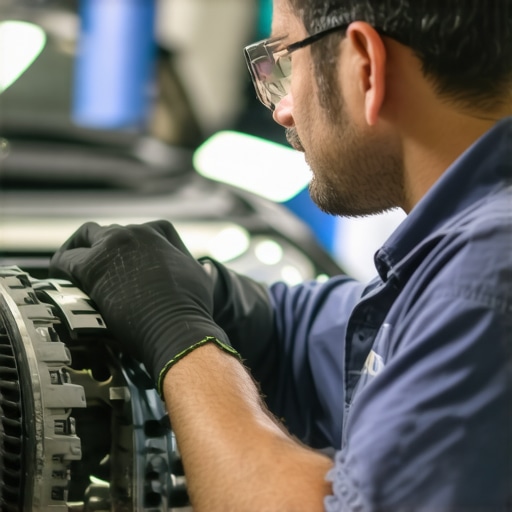 Many car owners assume that simple maintenance tasks like brake service or tune-ups are straightforward, but there’s a lot of nuance that often gets overlooked. For instance, a widespread myth is that replacing brake pads is a quick fix that doesn’t impact the rest of your braking system. However, neglecting the need for proper rotor resurfacing or replacement can lead to uneven wear and reduced stopping power, which is dangerous. Likewise, many believe that regular tune-ups are unnecessary if the car runs fine—this couldn’t be further from the truth, as minor discrepancies in spark plug gaps or ignition timing can significantly impair fuel efficiency and engine longevity.
One critical misconception is that all auto repair shops are equally competent. In reality, some shops cut corners or use subpar parts to save costs, which can cause more harm than good. It’s vital to seek out providers with proven expertise and proper certifications. For advanced drivers, understanding the importance of precise diagnostic procedures can prevent unnecessary part replacements and save money. For example, performing a thorough system scan before replacing parts like sensors or injectors is essential—this is backed by automotive experts who suggest that a proper diagnostic approach can reduce repair costs by up to 30%.
Moreover, beware of the trap of ignoring warning signs like subtle vibrations or irregular brake pedal response, which often indicate underlying issues that auto repairs should address early. Overlooking these symptoms can escalate into more severe and expensive problems, such as failing rotors or compromised brake fluid. Remember, proactive maintenance is always more cost-effective and safer than reactive fixes.
Making assumptions about what is superficial versus what requires professional attention can lead to costly mistakes. Always consult trusted mechanics, read manufacturer guidelines, and keep up with recommended service intervals. Looking into recent auto repair trends provides insight into how technology is changing diagnostics—like the shift towards electronic brakeforce distribution or adaptive cruise control systems—which adds layers of complexity that only experienced technicians can handle effectively.
So, the next time you’re thinking about brake service, tune-up, or general auto repairs, ask yourself: are you falling for a common myth or misunderstanding? Being well-informed ensures your vehicle remains safe and reliable. Have you ever fallen into this trap? Let me know in the comments.Maintaining your vehicle’s performance over time requires more than just basic knowledge—it demands the right tools and a structured approach. Personally, I rely on a combination of high-quality diagnostic equipment and practical manual tools to ensure my car stays in top shape. For diagnostics, I swear by the Autel MaxiSys MS909, which offers advanced OBD-II scanning capabilities, allowing me to pinpoint issues swiftly and accurately, saving time and preventing unnecessary repairs. When it comes to routine maintenance like oil changes or brake inspections, I prefer a sturdy set of socket wrenches, a torque wrench for precise tightening, and a reliable car jack capable of safely lifting my vehicle, such as the Arcan ALJ3T. These tools give me the confidence that I’m performing tasks correctly, protecting both my vehicle and myself. Long-term results depend heavily on meticulous maintenance schedules, so I also use digital calendar reminders to track fluid changes, filter replacements, and inspections, aligning with expert advice from professional auto technicians. Looking ahead, the trend is shifting towards integrated digital tools and remote diagnostics that will make home auto maintenance even more accessible and precise, potentially revolutionizing how we care for our vehicles.
How do I maintain my car tools over time?
Regularly cleaning your tools, performing periodic calibration, and storing them in a dry, organized space will extend their lifespan and ensure they function correctly when you need them most. For example, I make it a habit to clean my diagnostic adapters and recalibrate my torque wrench every few months, as recommended by equipment manufacturers. Proper maintenance of your tools not only preserves their accuracy but also saves money by avoiding premature replacements. For detailed tips on maintaining your diagnostic gear and manual tools, check out expert advice at this resource.
Investing in quality tools and maintaining them properly ensures that every repair, tune-up, or inspection is performed with precision, ultimately prolonging your vehicle’s lifespan and enhancing safety. As auto technology evolves, being well-equipped and prepared will keep you ahead of potential issues, making everyday maintenance efficient and stress-free. Don’t forget, practicing proactive diagnostics, like regularly testing your alternator or checking for vacuum leaks, can help you catch problems early before they escalate into costly repairs. Start by evaluating your current toolkit today—upgrading a key piece can make all the difference in your auto care routine.
You Never Fully Get It Until You Fix It Yourself
One of my most eye-opening moments came when I realized that understanding my car’s issues was as much about patience as it was about tools. I used to think the mechanic had some secret code, but after flipping wrenches and reading up, I saw that most problems boil down to simple causes. That realization transformed my approach from fear to empowerment, and now I approach repairs with curiosity rather than dread.
The Power of Listening to Your Engine
Initially, I ignored subtle signs—strange smells, odd noises—thinking they were normal. But these tiny cues became my best advisors, telling me when something was amiss. This taught me to trust my instincts and to learn the language my car speaks. You might find your own stories if you start paying attention; it’s about making a dialogue with your vehicle rather than just servicing it.
Embracing Preventative Measures Instead of Quick Fixes
In my journey, I discovered that preventive maintenance isn’t just a buzzword—it’s a strategy that saves both time and money. Regular oil checks, coolant flushes, and timely replacements built a strong foundation for my car’s health. These habits didn’t just prevent breakdowns; they gave me confidence, knowing my car was resilient and reliable. Think of it as giving your vehicle a wellness check before it signals trouble.
My Go-To Resources That Never Fail
I’ve found that the right information can make any repair manageable. Trustworthy sources like the official tune-up strategies page and comprehensive repair guides have been game-changers. For tools, I rely on quality brands like Snap-on, which stand the test of time and keep my projects safe. These resources empower me to troubleshoot with confidence, turning frustration into a sense of accomplishment.
Take Action and Keep Moving Forward
The journey of auto repair is ongoing, full of learning and small victories. Every time I fix a squeal or track down a leak, I feel more connected to my vehicle and myself. Whether you’re just starting or are a seasoned DIYer, remember that every repair adds to your knowledge and independence. So, gear up and embrace the challenge—your car and wallet will thank you.