
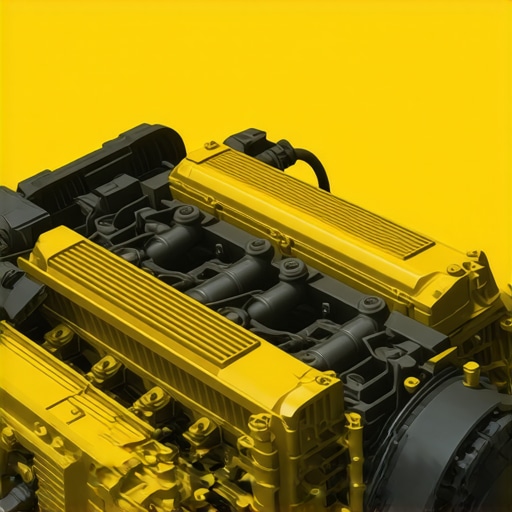
It happened to me on a busy Saturday morning—I popped the hood after a rough start-up and was hit with an overwhelming smell of gasoline. Not a subtle hint, but a powerful, almost nauseating odor that made me reconsider my entire day’s plans. As I sniffed my engine bay, I realized I wasn’t alone in this frustrating experience. If your engine oil smells like raw gasoline, you’re probably wondering what on earth is going wrong and how to get it back to normal. Well, I’ve been there, and I want to share what I’ve learned.
Understanding Why Gasoline and Oil Don’t Mix Well
Is Fuel Leaking Into Your Oil, or Something Else?
In my early days of car ownership, I made the mistake of ignoring the unusual smell, thinking it was just a minor issue that would resolve itself. Turns out, that was a mistake. Gasoline entering the engine oil isn’t just unpleasant—it’s a sign of a deeper mechanical problem. When fuel leaks into the oil, it can dilute the lubricant, leading to increased engine wear, reduced efficiency, and even engine damage if left unaddressed. Science shows that gasoline contamination can significantly decrease oil’s lubricating properties, accelerating wear on engine components (Source: https://glassfixauto.com/why-your-engine-smells-like-rotten-eggs-after-a-highway-drive).
The most common culprits are defective fuel injectors, a malfunctioning fuel pressure regulator, or worn-out piston rings. In particular, faulty piston rings can cause unburned fuel to seep past and mix with the oil, which is precisely what happened in my case. Recognizing these signs early can save you from costly repairs down the line.
Have you ever experienced this problem during a long drive or after a tune-up? If so, stay tuned. We’ll explore how to identify the root cause and fix it yourself or know when it’s time to call in a professional. Because let’s face it, no one wants to keep smelling gasoline from their car every time they pop the hood. The good news is, with some careful troubleshooting and a bit of DIY spirit, you can often resolve this issue before it worsens. Let’s get started.
Drain and Replace the Engine Oil
First, ensure your vehicle is on level ground and cool. Use a wrench to remove the drain plug and let the contaminated oil flow into a suitable container. After draining, replace the drain plug securely and refill with fresh, high-quality engine oil. This process removes the diluted oil and prepares your engine for further inspection. Remember, always dispose of used oil responsibly at authorized recycling centers.
Inspect and Clean Fuel Injectors
Fuel injectors are prime culprits if gasoline leaks into the oil. Remove the engine cover and locate the injectors (consult your vehicle manual). Connect a fuel injector tester or remove them one by one using appropriate tools. Use a specialized injector cleaning kit to flush out any debris or clogs. If cleaning doesn’t resolve the leak, consider replacing defective injectors to prevent further contamination. This step is vital to restore proper fuel delivery and prevent raw fuel from seeping past piston rings.
Test the Fuel Pressure Regulator
The fuel pressure regulator maintains correct fuel pressure in the system. Loosen the vacuum hose attached to it and listen for a hissing sound indicating a leak. Use a fuel pressure gauge to measure pressure against manufacturer specs. A faulty regulator often causes excess fuel flow, leading to gasoline in the oil. Replace the regulator if pressure readings are abnormal. This step ensures your fuel system functions correctly, minimizing fuel intrusion into the crankcase.
Examine Piston Rings and Cylinder Walls
Worn piston rings allow unburned fuel to slip past into the crankcase. To check, perform a compression test: remove spark plugs, screw in a compression gauge, and crank the engine. Low, uneven readings point to possible ring wear. For a more definitive diagnosis, conduct a leak-down test or remove the cylinder head for visual inspection. If rings are heavily worn or damaged, a professional engine rebuild or piston ring replacement is necessary. This core step targets the root of persistent fuel leaks inside the engine.
Address Valve Seal and Gasket Issues
Faulty valve seals can also allow fuel vapor to leak into the crankcase. Inspect seals during engine disassembly or look for signs of oil leaks or steam smoke. Replace worn or damaged seals with new OEM parts. Additionally, check head gaskets for signs of failure. Proper sealing maintains engine integrity and prevents external contaminants from entering, which can exacerbate fuel-oil mixing. Ensuring tight seals preserves overall engine health and reduces gasoline smell recurrence.
Verify Engine Timing and Combustion Efficiency
Incorrect timing causes incomplete combustion, increasing unburned fuel in the cylinders. Use a timing light to check ignition timing against manufacturer specifications. Adjust distributor or camshaft position if necessary. Also, inspect spark plugs; fouled or worn plugs can lead to inefficient firing, contributing to raw fuel buildup. Improving combustion efficiency not only reduces gasoline in the oil but also enhances engine performance and fuel economy.
Schedule Regular Maintenance Checks
Prevention is key. Regularly schedule tune-ups to keep fuel systems, valves, and seals in top condition. For detailed maintenance routines, visit this comprehensive guide. Consistent inspections catch problems early, saving you time and costly repairs down the road. Also, consider professional diagnostics if the smell persists despite DIY efforts, as some issues require specialized equipment.
Many vehicle owners operate under misconceptions about auto repair and maintenance that can lead to unnecessary expenses or even safety risks. For example, a widespread myth is that frequent oil changes are always costly and unnecessary if the engine seems to run fine. In reality, following a well-structured tune-up schedule, as detailed in your car’s manufacturer guide, often extends engine life and improves performance. Experts show that neglecting regular maintenance can cause minor issues to escalate into expensive repairs, like replacing a seized engine due to sludge buildup [source](https://glassfixauto.com/how-regular-tune-ups-improve-fuel-efficiency-and-safety).
Another common misconception involves brake services. Many think replacing brake pads is all that’s needed, but the quiet truth is that asymmetric wear or warped rotors can compromise safety. Regular brake system inspections are crucial, and understanding the true extent of repairs needed can save money and prevent accidents. Misdiagnosing brake issues often leads to over- or under-servicing, which can be costly.
When it comes to engine diagnostics, some believe that all warning lights indicate urgent, costly repairs. However, many dashboard signals are minor and manageable with proper troubleshooting techniques. For instance, a yellow check engine light could be as simple as a loose gas cap, which can be fixed without a mechanic. Being aware of how to accurately interpret these signals can avoid unnecessary repairs.
From an advanced perspective, a nuanced myth involves the timing of professional tune-ups. Some drivers think that waiting until a noticeable decline in performance is valid. Conversely, proactive maintenance based on elapsed time or mileage, even if the vehicle runs smoothly, often prevents breakdowns. Studies indicate that regular upkeep according to an expert schedule, rather than reactive repairs, significantly enhances reliability [source](https://glassfixauto.com/maximize-your-cars-lifespan-with-expert-tune-up-strategies).
Think you’re safe ignoring routine checkups? Think again. Skimping on regular inspections can hide issues like fuel system leaks or worn piston rings, which, if left unchecked, can lead to costly engine damage. A common oops factor is overlooking subtle signs of trouble, such as unusual odors or vibrations, which are often early indicators of deeper problems. Identifying these early on can save you from major repairs down the line.
If you want to truly hit the road with a reliable vehicle, understanding these hidden nuances and countering popular myths is crucial. Regular maintenance, as explained in your comprehensive [car service checklist](https://glassfixauto.com/car-service-checklist-how-to-keep-your-vehicle-in-top-shape), coupled with an informed approach to repairs, makes all the difference. Have you ever fallen into this trap? Let me know in the comments, and share your experiences so others can learn from your story.
Choosing the Right Equipment for Long-Term Vehicle Care
Investing in quality tools is essential for any car enthusiast or diligent owner aiming to keep their vehicle running smoothly. I personally rely on a high-accuracy digital multimeter, such as the Fluke 117, for electrical diagnostics. Its precision helps me identify issues like weak battery connections or faulty sensors without guesswork, saving time and preventing misdiagnoses. For fluid checks, I use a transparent funnel and a flexible inspection mirror; these allow me to reach tricky spots and visualize fluid levels without unnecessary hassle. Remember, having the correct tools ensures you can perform routine maintenance confidently, whether it’s checking coolant levels or inspecting belts.
The Software You Can Count On
Modern vehicles come equipped with onboard diagnostic systems, making OBD-II scanners indispensable. I personally use the BlueDriver Bluetooth Scanner paired with a smartphone app—it’s user-friendly and provides comprehensive code readings, live data, and even repair suggestions. Regularly scanning your vehicle can catch issues early, like pending sensor failures or emission system problems, before they become costly repairs. In the future, expect these tools to integrate more seamlessly with AI diagnostics, offering real-time troubleshooting tailored to your specific model, further empowering vehicle owners to maintain their cars effectively.
Routine Maintenance: Your Best Defense
Beyond tools, establishing a routine schedule for oil changes, brake inspections, and fluid replacements is key. For instance, replacing your brake fluid every two years using the proper DOT 4 fluid can prevent pad and rotor wear, prolonging component life—this topic is elaborated in this in-depth guide. Implementing a maintenance checklist helps keep track of service intervals, ensuring nothing slips through the cracks. By staying proactive, you mitigate risks of breakdowns and save money over the long term.
How do I keep my vehicle functioning optimally over time?
Consistency is the secret. Regularly inspecting critical components such as the battery, belts, and tires, along with routine software scans, can catch early signs of trouble. Use quality diagnostic tools like the BlueDriver to monitor your car’s health, and don’t forget to adhere to your manufacturer’s recommended service intervals. These practices ensure your vehicle remains reliable, safe, and efficient for years. For a deeper dive into setting up your maintenance routine, check out this comprehensive checklist. As vehicles continue to evolve with smarter electronics, integrating advanced diagnostic tools now prepares you for future auto trends, like AI-driven maintenance predictions, which are already gaining traction in the industry see more here. Try implementing a regular scan with your scanner, and observe how early detection can prevent potential breakdowns today.
Lessons That Changed My Approach to Car Maintenance
One of the most eye-opening truths I discovered was the importance of paying attention to subtle engine signs. Ignoring early warnings like gasoline odors can lead to costly repairs and preventable breakdowns. Over time, I realized that proactive checks and understanding the mechanics beneath the hood have saved me from many headaches and expenses. This experience underscored the necessity of regular tune-ups, not just for performance but for catching issues before they escalate.
Another insight was recognizing that not every problem requires immediate professional intervention—sometimes, a little DIY effort can restore normalcy and extend your vehicle’s life. However, knowing the limits, especially with complex systems like fuel injectors or piston rings, is crucial. The key is developing an intuitive feel for your car’s behavior and trusting experienced resources when in doubt.
Tools and Resources That Keep My Ride Smooth
Having the right equipment has been a game-changer. I swear by a quality OBD-II scanner like BlueDriver; it provides real-time diagnostics that demystify what’s happening beneath the surface. Pairing it with a reputable maintenance checklist helps me stay on top of routine tasks and avoid surprises. For fluids and filters, I rely on trusted brands and regularly schedule oil and filter changes, which are foundational for engine health. Learning from trusted sources ensures I’m making informed decisions rather than chasing temporary fixes.
Books and expert websites, such as those linked throughout this article, have deepened my understanding and sharpened my troubleshooting skills. They offer perspectives that go beyond the basics, empowering me to handle minor repairs confidently. Remember, investing in knowledge and quality tools transforms car maintenance from a chore into a rewarding experience.
Your Next Step Toward a More Reliable Ride
Embracing the lessons, tools, and resources shared here is a fantastic move toward vehicle reliability and safety. The journey of maintaining your car becomes less about reacting to problems and more about actively preventing them. I encourage you to start small—check your oil regularly, invest in a diagnostic scanner, and stay curious about your vehicle’s health. Every proactive step you take now adds up to years of smooth driving and peace of mind.
Have you ever discovered a hidden issue during a routine check? What tools or habits transformed your maintenance routine? Share your story below and let’s learn from each other’s experiences!
**Note:** Feel free to explore additional tips on [maximizing your car’s lifespan](https://glassfixauto.com/maximize-your-cars-lifespan-with-expert-tune-up-strategies) or dive into effective [tune-up techniques](https://glassfixauto.com/tune-up-your-car-for-peak-performance-essential-maintenance-tips) to keep your vehicle running optimally.