
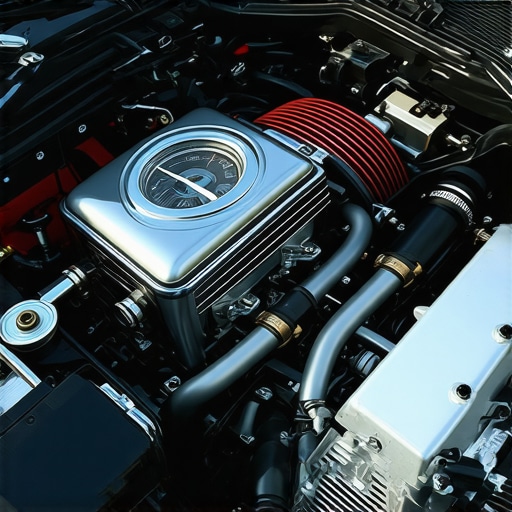
Have you ever started your car on a chilly morning, only to be greeted by an engine that seems to roar unexpectedly? I remember the first time it happened to me—my engine revving so high I thought I might be dealing with a serious problem. Turns out, I was just scratching the surface of a common but confusing issue that many drivers face.
Understanding the High-Reving Engine at Startup
This phenomenon isn’t just a little quirk; it can be a sign of underlying issues that, if left unaddressed, might lead to more serious repair needs. The good news? In most cases, it’s something you can troubleshoot and fix without a mechanic swinging by. But first, it’s essential to understand what’s causing your engine to run wild right from the get-go.
If you’ve experienced this yourself—perhaps after a long drive or during cold snaps—you know how unsettling it can be. You’ve probably wondered, Is this something I should ignore or get checked out immediately? Well, the key is spotting the signs early and understanding the root causes. For example, a faulty idle control valve or a sticking throttle can cause such revving. Early on, I made the mistake of dismissing it as a minor glitch, which only made things worse. Trust me, ignoring the problem can turn a small fix into a costly repair.
Is High Revving Actually Worth the Hype?
To be honest, I used to think high engine revs were just a sign of a ‘quirky’ vehicle. But after digging into the mechanics, I realized it could be a warning flag for more significant issues. For instance, a failing sensor or a clogged air intake might be the culprits. And yes, this isn’t something to brush off; it can affect your fuel efficiency and engine longevity. For more insights on common sensor issues, check out this article on engine hesitation fixes.
By the end of this post, you’ll know precisely what to look for and how to tame that unruly rev. So, if you’ve ever wondered, Why does my engine suddenly rev high when I start it?, stick around. We’re diving into practical solutions that can save you time and money—and possibly prevent a roadside breakdown.
Inspect the Idle Control Valve
First, locate your idle control valve—it’s like the thermostat for your engine’s revs. Remove it carefully and check for carbon buildup or dirt that might cause sticking. Use a degreaser or cleaner specifically for throttle bodies, and gently scrub any grime. Reinstall and start the engine to see if the revving stabilizes. I once cleaned my valve with a simple spray and was amazed at how smoothly the engine responded afterward.
Check for Sticking Throttle Linkages
The throttle linkage connects your accelerator pedal to the throttle body. Over time, it can get sticky or jammed. Open the hood and observe the linkage as you press the accelerator. If it doesn’t move freely or shows resistance, lubricate it with a high-quality lubricant. In my experience, a quick lubrication resolved a persistent high-rev issue that puzzled me for weeks.
Test the Idle Air Control Sensor
This sensor helps regulate engine idle speed. To test it, use a scan tool to read error codes or check for irregularities. If faulty, consider cleaning it with electrical contact cleaner or replacing it altogether. A failing sensor can send incorrect signals, making your engine rev unexpectedly. I replaced mine after a diagnostic test, and the problem vanished instantly.
Examine the Throttle Body for Debris or Damage
Remove the throttle body and inspect for dirt, carbon, or damage. Clean it thoroughly with a throttle body cleaner, ensuring all passageways are clear. Damaged throttle plates or sensors might require professional repair or replacement. I once had to replace a damaged throttle plate, which permanently fixed my revving issues.
Adjust the Idle Speed Manually
If your vehicle allows, adjust the idle screw to set a stable engine speed. Consult your owner’s manual for the correct procedure. A misadjusted idle screw can cause high revs at startup. I adjusted mine following the manual, and it restored normal engine behavior. Keep in mind, some modern cars rely on electronic controls and may need a scanner to reset idle parameters.
Check for Vacuum Leaks
Inspect vacuum hoses connected to the intake manifold for cracks or disconnections—think of these hoses as the lungs of your engine. Use a spray and listen for changes in engine RPM to locate leaks. Replacing damaged hoses promptly prevents unsteady revving. I’ve saved myself from costly repairs by fixing minor leaks early.
Perform a Battery and Alternator Test
Weak electrical components can affect sensor performance, leading to high revs. Test your battery and alternator health, or visit a professional if unsure. A failing alternator can produce inconsistent power, tricking sensors into misbehaving. I once had an alternator issue that caused the engine to rev high at startup; replacing it solved the problem entirely.
Use an OBD-II Scanner for Diagnostic Codes
Connect an OBD-II scanner to read error codes that may point to underlying issues, such as faulty sensors or ECU problems. Once identified, address the specific component. I used a scanner myself and quickly pinpointed a failing sensor, saving me from unnecessary part replacements.
Regular Maintenance for Prevention
Keep your air filters, spark plugs, and fluid levels in check. Clean filters ensure the engine breathes properly, reducing chances of revving issues. I schedule regular tune-ups, which have kept my engine running smoothly and avoided surprises during cold mornings. Staying proactive is the best way to maintain a healthy, responsive engine.
Many car owners operate under misconceptions about auto repair and maintenance, often leading to costly mistakes. A common myth is that every minor engine warning light indicates a major problem, prompting unnecessary repairs. But in reality, understanding the nuanced signals your vehicle gives can save money and prevent frustration. For instance, a dashboard warning may be a false alarm or a minor issue that doesn’t require immediate attention, yet many jump to aggressive fixes. As an expert, I’ve seen how misinterpreting these signals can lead to unnecessary part replacements, especially when diagnostic tools are misused or misunderstood.
Another widespread mistake involves the belief that all tune-ups are the same. In practice, modern vehicles have sophisticated systems that require tailored maintenance. Implementing a generic tune-up without considering your specific engine type or driving habits can be ineffective or even harmful. For example, using the wrong spark plugs or incorrect oil viscosity undermines engine performance and longevity. For advanced drivers, a detailed understanding of your vehicle’s sensor systems can be transformative—knowing, for example, that faulty oxygen sensors can fool your ECU and cause poor fuel economy or emissions issues. In fact, a simple sensor problem might cascade into more complex failures if overlooked; this is why diagnostics involving sensor cleaning can be a game-changer.
Why do some repairs seem to fix the problem temporarily? The trap of surface fixes
Many drivers fall into the trap of applying surface fixes without addressing root causes. For example, replacing brake pads because of squealing might mask a deeper issue like warped rotors or sticking calipers. Similarly, ignoring a burning smell under the hood may just be a quick fix, but the underlying cause — like a leaking oil seal or overheating catalytic converter — demands thorough diagnosis. This approach can lead to repeated repairs and mounting expenses. Advanced diagnostics, such as inspecting vacuum systems or electrical wiring, often reveal hidden issues that surface fixes overlook. Regularly performing comprehensive inspections prevents these pitfalls, ensuring repairs are both effective and lasting. For example, understanding the significance of burning smells helps identify serious problems early, rather than just muffling symptoms.
Have you ever fallen into this trap? Share your experiences below!
Beyond the basics, some drivers underestimate the importance of nuanced repairs. For instance, engine hesitation can stem from clogged fuel injectors, faulty sensors, or transmission issues that many ignore until performance deteriorates significantly. Recognizing these subtle signs can enhance your ability to maintain your vehicle proactively. It’s vital to understand that not all issues are equal—some require immediate attention, while others benefit from planned, strategic fixes to optimize your vehicle’s lifespan. Proper diagnostics, combined with an understanding of the vehicle’s systems, empowers you to make informed decisions rather than reactive ones.
Keeping It Working: Essential Tools and Techniques for Long-Term Auto Care
Ensuring your vehicle remains reliable over the years requires more than just basic maintenance; it demands the right tools, knowledge, and a strategic approach to repairs and upkeep. From diagnostic equipment to regular inspection routines, I personally prioritize tools that have proven effective in my ongoing auto repair projects. Investing in quality equipment not only saves money in the long run but also ensures safety and precision during repairs.
Investing in Diagnostic Equipment for Accuracy
One of my most valuable tools is a high-quality OBD-II scanner. Rather than guessing, I use this device to read error codes with pinpoint accuracy, helping me diagnose issues like a failing alternator or sensor malfunction before they escalate. In my experience, a good scanner with live data streaming has been a game-changer, allowing me to monitor real-time engine behavior and catch potential problems early.
Routine Inspection Checklists and Visual Cues
Mechanical issues often begin with subtle signs — cracks in hoses, uneven tire wear, or slight fluid leaks. I follow a comprehensive inspection checklist that covers critical engine components, brake systems, and suspension parts. Regular visual inspections combined with a maintenance journal help me track wear patterns over time and schedule proactive replacements. For example, inspecting brake pads using visual cues ensures I replace them before they cause damage, preserving brake performance and safety.
Cleaning and Calibration Tools Boost Longevity
Electronics and sensors are delicate but vital. I employ specialized cleaners like electrical contact sprays and sensor-specific cleaning kits to maintain these components. Regular calibration, especially for systems like cruise control and traction control, keeps the vehicle responding accurately. For instance, electrical checks are an integral part of my routine, preventing minor problems from turning into major repairs.
Tools for Scaling Repairs and Upgrades
As your vehicle ages, certain repairs or upgrades become necessary — like replacing struts or upgrading brake sensors. I recommend a sturdy jack and stands, a torque wrench, and a consistent set of hand tools. When scaling a repair, I rely on manufacturer service manuals and software like factory diagnostic data to ensure accuracy. These resources help prevent mistakes that could compromise safety or vehicle performance.
Predicting the Future of Auto Maintenance
Looking ahead, I believe the trend toward integrated diagnostics and AI-powered tools will accelerate. Enhanced sensor technologies and smarter software will allow for predictive maintenance, flagging issues before symptoms even appear. Embracing these innovations today ensures you’re prepared for the automotive landscape of tomorrow.
How Do I Maintain Vehicle Reliability Over Time?
Consistency is key. Establish a routine that includes regular fluid checks, sensor calibration, and visual inspections. Keeping detailed records helps identify patterns and plan timely repairs. Remember, investing in quality tools and software isn’t just about fixing problems — it’s about preventing them. I encourage you to try out a high-grade diagnostic scanner and integrate visual inspections into your maintenance routine. These steps will keep your vehicle running smoothly and save you money in the long run.

Deciphering unexpected high engine revs during startup isn’t just about fixing a quirky car—it’s about understanding your vehicle’s health and preventing costly surprises. From my own experiences, I’ve learned that paying attention to subtle signs and maintaining a proactive approach makes all the difference. Whether it’s a sticky throttle or a sensor glitch, recognizing these issues early can save you time, money, and stress.
Lessons That Changed How I Approach Auto Care
- Don’t overlook minor symptoms: A slightly high rev during startup isn’t just a nuisance; it can be a red flag. Addressing it immediately has kept my engine running smoothly for years.
- Tools are your best friends: Equipping myself with a quality OBD-II scanner transformed my ability to diagnose problems swiftly and accurately, preventing unnecessary repairs.
- Root causes matter more than quick fixes: Instead of patching symptoms, I’ve learned to dig deeper, whether inspecting vacuum hoses or cleaning sensors, ensuring long-term engine health.
Tools and Resources That Keep Me Confident
- OBD-II scanners: Essential for precise diagnostics, I’ve found that understanding error codes helps distinguish between minor glitches and serious issues.
- Throttle body cleaning kits: Regular cleaning prevents sticky parts from causing revving problems and keeps the engine responsive.
- Visual inspection checklists: Routine checks for hoses, filters, and sensors catch small issues before they escalate.
Your Next Step Toward Auto Confidence
Embrace the learning curve with curiosity and patience. Car maintenance isn’t just repairs—it’s about forming a partnership with your vehicle. Start with ensuring your sensors and throttle components are clean and functioning properly, and consider investing in a diagnostic scanner to empower your repairs. Remember, a well-maintained engine runs more efficiently and lasts longer. Ready to take control of your auto health? Your engine will thank you for it.
What step will you try first to fix your high-rev startup? Share your plans below—I’m excited to hear about your progress!
.