
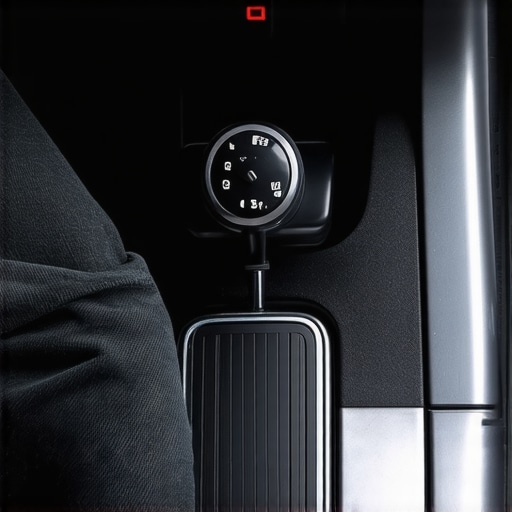
Picture this: I’m pulling out of my driveway, expecting a smooth start, when suddenly my gas pedal feels oddly resistance—like it’s sticking or responding just a fraction too late. It’s a small annoyance that quickly turns into a nagging worry. Is my car about to throw a tantrum? Is this a sign of something worse brewing underneath? Trust me, I’ve been there—and after several frustrating experiences, I learned that the root causes are often simpler than you think.
Getting to the Bottom of That Sticky Pedal
That initial moment of hesitation or resistance in the gas pedal can feel alarming. It’s your car’s way of signaling that something might be off, and ignoring it could lead to more serious issues down the road. But here’s the good news: many times, the fix is straightforward, and you don’t have to be a mechanic to handle it. Today, I’ll guide you through understanding the common reasons behind this problem and practical steps to get your vehicle running smoothly again.
Is a Sticky Gas Pedal Really Worth Worrying About?
At first, I thought every minor glitch was a sign of impending disaster. I remember one time, my pedal stuck slightly, and I panicked. Turns out, I was overreacting. But ignoring persistent issues isn’t wise—those small signs can escalate if left unattended. A sticky pedal, if not addressed, might be caused by simple things like dirt or debris, which you can clean yourself, or may involve more nuanced problems like a worn throttle body or an issue with the accelerator cable.
Early on, I made the mistake of assuming that a quick fill-up or a bit of cleaning was enough. The truth is, problems like these often require a closer look—sometimes, a deeper clean or an adjustment is needed. For instance, if your throttle body is dirty, it can cause inconsistent response—something I initially ignored until it got worse. For more insights on related auto maintenance headaches, check out this guide on restoring clarity and performance in your headlights, which is often overlooked but essential for safe driving.
Inspect the Throttle Body for Dirt and Debris
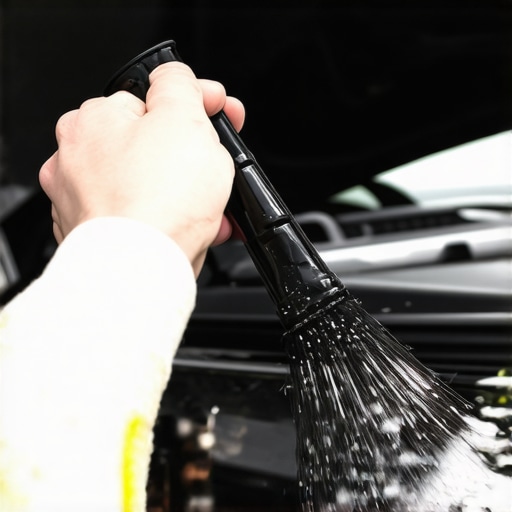
Start by locating the throttle body, usually connected to the air intake manifold. Remove the engine cover if necessary for easier access. Use a soft brush and a throttle-body cleaner spray to gently remove carbon buildup and dirt. I once took a worn toothbrush and carefully scrubbed mine, which improved the response instantly. After cleaning, reconnect everything, and test the pedal. This simple step often clears up the resistance caused by grime obstructing the throttle plate.
Check and Adjust the Throttle Cable
Next, examine the throttle cable for fraying, kinks, or slack. To do this, open the hood, find the cable running from the pedal to the throttle body, and gently pull to see if it moves smoothly. If there is slack or resistance, tighten or lubricate the cable using a spray lubricant designed for automotive cables. I replaced my worn cable after noticing a slight delay which my mechanic confirmed was due to cable slack. Proper tension ensures the pedal responds quickly, preventing sticking.
Assess the Condition of the Pedal Assembly
Sometimes, debris or corrosion in the pedal assembly itself causes the resistance. Remove the pedal cover and inspect the pivot points for rust or dirt. Clean with a degreaser and lubricate the moving parts with light grease. I cleaned and lubricated mine using a silicone spray, which restored smooth movement. Be careful not to over-lubricate, as excess can attract dirt.
Test Your Fix and Prevent Future Issues
Once you’ve cleaned and adjusted, gently press the pedal several times to check for smooth operation. Start the engine and press the pedal slowly to observe response. If it feels better and responds instantly, your fix is effective. Keep in mind, if the problem persists, it might be a sign of a worn throttle position sensor, which should be checked by a professional. For safety reasons, always perform these inspections in a well-ventilated area and consult your vehicle’s manual for specific procedures.
Additional Tips to Keep Your Gas Pedal Responsive
Regularly inspect and clean your throttle body, especially if you notice rough idling or delayed response. This maintenance prevents dirt build-up that causes sticking. Also, check your air filter—it plays a vital role in engine performance and can contribute indirectly to throttle issues if clogged. If your car pulls to one side or the pedal feels uneven, consider a wheel alignment or inspecting the brake system, as these can also affect pedal feel. For instance, unfamiliar noises or vibrations can be clues that parts like brake calipers or wheel bearings are compromised and need attention. Regular maintenance saves you from unexpected breakdowns and keeps your driving smooth and safe.
Misconceptions That Could Cost You
Many car owners operate under the myth that brake pads, once replaced, last forever, but in reality, brake components wear out unevenly based on driving habits and environmental factors. Relying solely on mileage estimates without inspecting brake fluid or rotors can lead to compromised safety. While it’s tempting to believe that a quick service at a dealership guarantees longevity, scam warnings reveal that sometimes, quick fixes mask deeper issues. Overlooking the nuanced signs of brake system health—such as subtle vibrations or unusual noises—can be more costly than proactive maintenance.
The Hidden Nuance in Routine Tune-Ups
Many perceive tune-ups as basic, one-size-fits-all solutions; however, not all tune-ups serve the same purpose. For modern vehicles, advanced diagnostics are essential to identify issues like sensor malfunctions or air intake inefficiencies that standard procedures might miss. For example, a car’s dim headlights when idling might point to electrical system quirks that require specific attention beyond basic spark plug replacement. Overlooking such detailed diagnostics can cause minor issues to escalate, affecting fuel economy and engine life.
Why Do Some Repairs Fail to Fix the Issue?
One common trap is assuming that replacing a single component solves the problem entirely. For instance, changing brake pads without inspecting rotors or calipers can result in premature wear. Likewise, neglecting to check the ABS system during brake service can lead to safety risks. Advanced auto repair involves understanding the interconnected nature of components; neglecting this complexity often leads to repeat visits for the same issue. Having realistic expectations and seeking comprehensive diagnostics is the key to effective maintenance.
Can Misdiagnosis Lead to Bigger Problems?
This is more common than you might think. For example, misinterpreting a slightly warped rotor as an uneven pad wear might cause unnecessary replacements, or worse, overlook issues like a failing master cylinder that silently deteriorates. Expert mechanics emphasize that proper diagnosis involves testing multiple parameters and inspecting related systems, such as brake fluid condition or wheel alignment, to uncover root causes. Failing to do so results in compounded problems and increased repair costs over time.
Remember, proactive and informed care is your best defense against costly auto repairs. Don’t fall for oversimplified solutions; instead, understand that these nuanced insights can save you money and keep your vehicle running safely for years to come. Have you ever fallen into this trap? Let me know in the comments.
Investing in the Right Equipment for Long-Term Auto Care
When it comes to keeping your vehicle in peak condition, having the right tools can make all the difference. I personally swear by a high-quality digital multimeter, such as the Fluke 115, to regularly check electrical components like sensors and wiring. This device provides precise voltage readings, allowing me to detect issues with brake sensors or headlight circuits early before they escalate. Additionally, a reliable torque wrench is indispensable—especially when tightening lug nuts or calibrating brake calipers—to ensure correct installation without risking damage. My preferred choice is the Tekton 1/2-inch drive wrench, which offers consistent torque settings and durability for frequent use.
Beyond hardware, software diagnostics play a crucial role. I recommend an OBD-II scanner like the BlueDriver, which connects wirelessly to your smartphone. It provides real-time data, clears error codes, and helps pinpoint problems such as ABS or brake system faults with ease. These tools empower DIY enthusiasts and professionals alike to perform thorough inspections without needing a full garage setup.
Streamlining Maintenance with Proven Methods and Routine Checks
Consistency is key when maintaining your car’s braking and auto systems. I follow a routine schedule that includes inspecting brake fluid levels and condition, checking tire pressure, and examining suspension components. Using a quality brake fluid tester, such as the Schrader 9310, helps me determine if the fluid has absorbed moisture or needs replacing. Regularly flushing brake fluid, recommended every 2–3 years, prevents corrosion and maintains optimal pedal feel. For instance, dirty brake fluid can cause the brake warning light to stay on, which is a sign to act promptly.
Additionally, I conduct visual inspections of brake pads and rotors—looking for uneven wear or scoring. If I notice any discrepancies, I consult detailed guides to decide whether a simple pad replacement suffices or if rotors need resurfacing. Remember, ensuring your vehicle’s wheels are properly aligned can prevent uneven brake wear; check out this article on alignment issues that might masquerade as brake problems.
Future Trends in Auto Maintenance and Diagnostics
The industry is moving towards smarter, more integrated diagnostic systems. Vehicles increasingly feature advanced sensors that communicate with onboard computers, enabling quicker detection of issues. I predict that in the next decade, tools like augmented reality glasses paired with diagnostic apps will help mechanics and enthusiasts identify problems in real-time, dramatically reducing repair times. To stay ahead, I advise investing in a vehicle-specific diagnostic device, such as the Autel Maxisys series, which provides comprehensive system analysis. Embracing these innovations will ensure your car remains safe, efficient, and reliable for years to come.
How Do I Maintain Brake and Car Systems Over Time?
Regularly scheduled inspections are your best defense. Make a habit of checking brake fluid, tire pressure, and suspension components monthly. Use specialized tools like a brake fluid tester or an OBD-II scanner to catch issues early. Always follow your vehicle manufacturer’s maintenance schedule, and don’t hesitate to seek professional diagnostics for persistent or confusing symptoms. Incorporating these practices will extend the lifespan of your brake components and improve overall safety. For instance, maintaining proper tire alignment not only prevents uneven wear but also ensures that your brakes function as intended, preventing pulling to one side—learn more about this common issue here.
Finally, don’t forget to document your maintenance routines. Well-kept records help identify patterns and plan future repairs, ultimately saving you money and hassle. Now, I challenge you to try out a comprehensive brake fluid test using a dedicated tester—it’s a simple step that can prevent costly repairs and keep your vehicle performing optimally for the long haul. Regular vigilance and the right tools are your best allies in this journey.
Lessons Only the Watchful Repair Enthusiast Learns
- One of the toughest lessons I learned was that not every sticking pedal points to a complex, expensive fix—sometimes, a simple cleaning or tightening can save hours and dollars. Recognizing the signs early and knowing where to look made all the difference.
- Trusted tools—like a good throttle-body cleaner—aren’t just gadgets; they’re empowering. Using quality diagnostic devices and proper lubricants has taught me that investing in the right equipment pays off in confidence and safety.
- Patience and routine inspection trump quick fixes. If I had ignored that resistance in my pedal, it could have escalated into more costly repairs. Regular checks of cables, pedals, and sensors keep surprises at bay and extend the lifespan of crucial components.
- Understanding that systems are interconnected is crucial—what seems like a throttle issue might be a sensor or a linkage problem. This awareness has saved me from unnecessary replacements and helped me develop a more comprehensive approach to vehicle maintenance.
- Lastly, embracing continuous learning about auto systems—not just listening to advice but actively diagnosing and inspecting—has transformed my approach from reactive to preventative. It’s a journey of ongoing discovery and empowerment.