
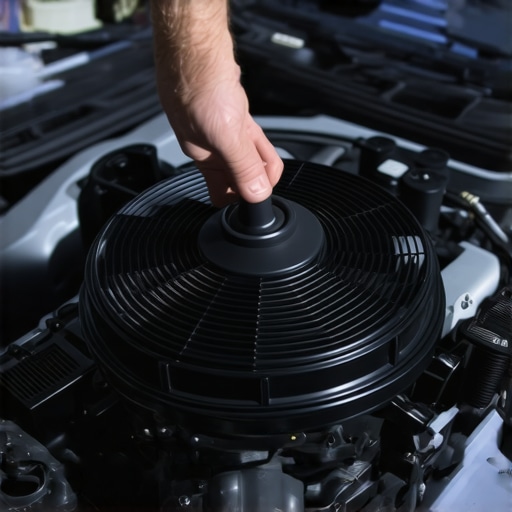
Ever been stranded on the side of the road, feeling that undeniable heat creeping up your engine, wondering if your radiator fan is playing its part? I remember one summer afternoon, my car suddenly began to overheat during a simple trip to the grocery store. It hit me—how can I be sure my radiator fan is working properly, especially since I can’t always tell just by listening or looking? That lightbulb moment made me realize the importance of knowing how to test my radiator fan without risking a meltdown.
Why Knowing How to Test Your Radiator Fan Matters
Our radiator fans are unsung heroes, quietly working to keep our engines cool under the hood. When they malfunction, it can lead to expensive repairs or even a roadside breakdown—definitely not something anyone wants. Testing your radiator fan isn’t just about fixing a potential issue; it’s about peace of mind, saving money, and avoiding that gut-wrenching stress of overheating on a busy highway. Plus, with a little know-how, you’ll be able to catch issues early, before they turn into major headaches. Think of it like checking your blood pressure regularly—you want to stay ahead of problems before symptoms become obvious.
Common Skepticism: Is Testing the Radiator Fan Really Worth It?
I used to think, “Eh, if it’s not making noise or giving me trouble, it must be fine.” But I made that mistake early on—assuming my fan was working without actually testing it. That led me to a scorching summer day and a steep repair bill. Trust me, checking your radiator fan isn’t complicated, but neglecting it can cost you big time. If you’re worried about messing up or not knowing where to start, don’t be. I’ll walk you through simple steps—no fancy tools or mechanic skills needed. After all, being proactive beats being stuck with a cooling system disaster.
Are you ready to take control of your car’s cooling system? Let’s dive into how you can confidently test your radiator fan and keep your engine cool on those hot days. Plus, I’ll share some pro tips from my own experience, including pitfalls I wish I’d avoided, like ignoring small signs of fan trouble that can snowball into costly repairs. If you’ve ever faced this kind of engine heat crisis, you know exactly what I mean. Stick with me—your car and your wallet will thank you.
Locate the Radiator Fan and Prepare for Testing
Start by turning off your engine and letting it cool down for at least 15 minutes. Pop the hood and identify the radiator fan—it’s usually a large electric fan mounted directly behind the radiator. To ensure safety and clear visibility, clean any debris around the fan area. Take a moment to familiarize yourself with the fan’s wiring and mounting points. Remember, just like tuning a guitar requires understanding its strings, testing your radiator fan demands knowing its connection points for precise diagnosis.
Perform a Manual Spin Test to Check for Obstructions
With the engine off, try spinning the fan blades gently with your hand. They should turn freely without resistance or grinding noises. If you feel stiffness, wobbling, or obstruction, that indicates a problem with the fan’s bearing or a physical blockage. I once had to remove debris lodged in the fan blades, which was a messy but effective fix. Clearing obstructions ensures the motor isn’t strained when powered. This simple step can prevent premature fan motor failure, much like ensuring your bicycle chain is free of rust before a ride.
Test the Fan Motor with the Vehicle’s Cooling System (Direct Power Test)
Reconnect the battery if you had disconnected it. Locate the fan’s electrical connector and carefully unplug it. Using a 12-volt power source—like a jumper wire connected to your car’s battery—apply power directly to the fan motor terminals. If the fan runs smoothly, your motor likely works fine; if it remains silent, the motor may be faulty. Be cautious—if the fan runs only when directly powered, but not during engine temperature rise, the issue may be with the relay or control module. During a similar test, I used a spare battery and a set of jumper wires, which made diagnosing the problem straightforward. Think of this as giving the fan a ‘second opinion’ without complex diagnostics.
Check the Cooling Fan Relay and Fuses
Locate your vehicle’s fuse box and find the relay responsible for the radiator fan—consult your owner’s manual. Remove the relay and test it with a multimeter or swap it with a similar functioning relay. Also, inspect the related fuses for any signs of damage or corrosion. If these components are faulty, your fan won’t activate during engine heat. I once replaced a relay that was corroded, instantly resolving my overheating issues. This step is akin to checking the fuse box for blown circuit breakers—simple but crucial in auto troubleshooting.
Activate the Fan Using the Vehicle’s Electrical System
Next, start your engine and let it reach operating temperature. Watch for the fan to turn on automatically—if it doesn’t, there’s likely a control issue. Alternatively, with the engine running and hot, manually trigger the relay or use diagnostic tools to activate the fan circuit. If the fan engages, but the engine still overheats, the problem may be with temperature sensors or ECU settings. During my own test, I used a scan tool that commanded the fan to run, which saved me a trip to the mechanic. This method confirms whether your system’s automatic fan control functions correctly—saving you from guesswork during roadside emergencies.
Monitor for Proper Cooling During Engine Operation
Finally, with the engine running and the fan activated, observe the engine temperature gauge. The fan should kick in around 195-220°F (90-105°C) depending on your vehicle. If it doesn’t, double-check the wiring, relay, and temperature sensors. Remember, proper airflow is vital—akin to how a good ventilation system keeps a house cool in summer. If your tests reveal issues beyond simple fixes, consulting a professional may be necessary. But for most DIY enthusiasts, these steps can trace the root causes effectively, preventing overheating crises and saving money.
When it comes to car maintenance, many enthusiasts and even seasoned DIYers make the mistake of oversimplifying the process. A common misconception is that paying attention solely to obvious issues—like strange noises or dashboard warning lights—is enough. However, this approach often overlooks subtle nuances that can make the difference between a reliable vehicle and a costly breakdown. Let’s dig deeper into what most people get wrong regarding auto repairs, tune-ups, and services, and why understanding these finer points can save you time and money.
Why Rushing through Repairs Can Backfire: The Problem with Surface-Level Fixes
Everyone tends to focus on fixing the symptom rather than diagnosing the root cause. For example, replacing brake pads when the real issue is a warped rotor might temporarily solve the squeal, but it doesn’t address the underlying vibration. This superficial approach not only wastes resources but can also lead to more severe problems down the line. Advanced technicians recommend a thorough inspection—like checking brake pedal stiffness to uncover hidden faults that often go unnoticed but manifest as larger issues later.
Myth: All Oil Changes Are Created Equal
Many believe that every oil change is merely a routine and uniform service. In reality, the choice of oil viscosity and the condition of your engine seals can dramatically influence engine longevity. Using the wrong type of oil or neglecting to replace worn oil filters may seem insignificant at first, but it accelerates engine wear over time. For instance, synthetic oils are not always beneficial for older vehicles with high mileage; sometimes, they can cause leaks if seals are degraded. Check out this guide for a comprehensive view on choosing the right oil products for your engine’s needs.
Advanced Mistake: Ignoring Small, Persistent Leaks
Many drivers dismiss minor leaks—like a small transmission or coolant drip—thinking they’re a negligible nuisance. However, these tiny leaks often indicate larger system failures that, if left unaddressed, can escalate into major repairs. A transmission leak might seem minor now, but it can lead to transmission failure, which is costly and inconvenient. Regularly inspecting your vehicle for such signs and understanding the real costs of neglecting leaks can prevent emergency breakdowns and preserve your car’s lifespan.
Is Your Car Service Truly Comprehensive?
One sneaky trap involves believing that routine service appointments cover all necessary checks. In reality, many standard services omit critical inspections—such as testing your brake fluid condition or diagnosing potential electrical issues that could cause unexpected failures. A holistic approach, emphasizing preventative diagnostics beyond the basic oil change or tire rotation, can extend your vehicle’s life and improve safety. Think of routine checks as catching the small cracks before they become catastrophic failures.
Understanding these subtle nuances in auto repair isn’t about complicating your life—it’s about making smarter decisions that save money and ensure safety. Have you ever fallen into this trap of superficial fixes? Let me know in the comments. Remember, letting small problems simmer can turn into expensive repairs—stay vigilant, stay informed, and keep your car running smoothly.
Why Investing in the Right Tools Matters for Longevity
When it comes to maintaining your vehicle, having high-quality, purpose-specific tools can dramatically improve your efficiency and results. I personally rely on a digital multimeter to diagnose electrical issues, especially when testing sensors or relays. Unlike basic models, my multimeter has data logging capabilities, allowing me to monitor voltage swings over time—crucial for detecting intermittent faults that could lead to bigger problems, such as a failing coolant temperature sensor which can cause overheating if left unchecked.
Another indispensable tool is a dedicated torque wrench. Proper tightening of components like wheel lug nuts or suspension parts prevents uneven wear and potential failure. For instance, over-tightening lug nuts can warp the brake rotor, leading to vibrations, while under-tightening may cause the wheel to loosen. I prefer a click-type torque wrench calibrated for specific torque figures—it’s an investment that pays off by extending the lifespan of critical components.
Streamlining Maintenance with Software and Diagnostics
Modern vehicles are increasingly reliant on onboard diagnostic systems. I recommend a reliable scan tool like the Autel MaxiCOM series, which can perform comprehensive code reading and live data streaming. This allows for proactive troubleshooting, such as catching early signs of issues with the ABS or airbag systems before warning lights illuminate.
Personally, I connect my scan tool to my car periodically—say, every few months—to check for stored trouble codes or pending faults. This practice saves me from unexpected breakdowns and ensures my vehicle remains in top shape. Additionally, understanding the real-time data can guide me in optimizing tune-ups or fuel efficiency, aligning with trends towards predictive maintenance in auto care.
Maintaining Over Time How do I keep my car’s systems performing reliably?
Good maintenance isn’t a one-and-done task—it’s about creating a routine that catches small issues early. Regularly inspecting and replacing essential fluids like brake fluid and transmission fluid is critical. For example, I check the color and consistency of my brake fluid every six months; if it’s turning dark or murky, I flush and replace it, which can prevent brake pedal issues and improve stopping power. You can learn more about the importance of brake fluid condition at this detailed guide.
Scaling your maintenance efforts involves integrating these practices into a structured schedule. For instance, I follow a 5,000-mile interval for oil changes and tire rotations, using tools like a torque wrench and a reliable jack to do it myself—saving money and gaining confidence. As vehicle technology evolves, so will the tools I rely on, with trends pointing toward more connectivity and real-time diagnostics, which will make proactive upkeep even more accessible for DIY enthusiasts.
To truly benefit from these strategies, I highly encourage you to try a detailed diagnostic test using your scan tool this month. Detecting early warning signs can save thousands in repairs and extend your vehicle’s lifespan. Equip yourself with a quality multimeter and a service manual for your specific model, and you’ll be amazed at how much control you gain over your auto maintenance.
Lessons From the Garage That Changed My Perspective
- I once underestimated the power of routine inspections, thinking that if my engine ran smoothly, everything was fine. That false confidence nearly cost me when a minor coolant leak turned into a costly head gasket replacement. Regularly checking small signs can prevent big surprises.
- Never ignore the subtle hints—like a slight vibration or unusual smell—that precede major breakdowns. I learned to trust my instincts and investigate early, saving time and money.
- Tools matter more than I initially realized. Investing in quality diagnostic tools transformed my DIY projects from guesswork to precise repairs, boosting my confidence and results.
- Understanding my vehicle’s systems deeply allowed me to troubleshoot issues effectively. Reading technical manuals and reliable online resources, like trusted blogs, bridged the gap between guesswork and expert knowledge.
Tools and Resources That Empower My Auto Maintenance Journey
- Autel MaxiCOM Diagnostic Scanner: This device provides comprehensive code reading and live data, making troubleshooting electrical systems straightforward. I rely on it to catch problems early before warning lights become emergencies.
- Digital Multimeter: A versatile tool that helps me verify the health of sensors and wiring. Its precision prevents me from replacing parts unnecessarily, saving money.
- Service Manuals for My Vehicle: Whether printed or digital, these manuals offer step-by-step procedures tailored for my car, reducing the guesswork during repairs.
- Online Communities and Blogs: Websites like the GlassFixAuto resource have been invaluable for troubleshooting specific issues like brake feel or fluid leaks. Real-world experiences supplement official guides perfectly.
Your Next Move Starts Now
Every step you’ve taken toward understanding your car makes you a better, more confident driver. Embrace the learning curve—your vehicle’s longevity and your peace of mind depend on it. The more you know, the more empowered you’ll be to tackle issues head-on and avoid costly repairs. Remember, auto maintenance isn’t just a chore; it’s an ongoing relationship with your vehicle that rewards diligent care.
Have you ever uncovered a hidden repair tip that saved you money or hassle? Share your story below and inspire fellow DIY enthusiasts to take charge of their car care journey.