

Ever been caught off guard when your steering wheel wobbles uncontrollably after a particularly nasty bump in the road? I remember this one time I hit a deep pothole on a rainy night, and suddenly my steering felt like I was steering a boat instead of my car. It was a nerve-wracking moment that made me realize just how crucial proper alignment and suspension health are to safe driving.
Dealing With a Loosened Grip: Why It Happens and Why It Matters
When your steering feels loose or wobbly after hitting a pothole, it’s not just about discomfort—it’s a clear sign that something inside your car’s suspension or steering system might be out of whack. This sensation can range from minor play to a full-on wobble, making control more difficult and increasing the risk of accidents.
The good news? Many of these issues can be addressed with timely maintenance, preventing further damage and costly repairs. I’ve been through this myself, and early on I made the mistake of ignoring the problem, thinking it was just a minor alignment tweak. Turns out, that was a mistake that could have cost me much more down the line.
Let’s look at what’s likely going on and how you can start tackling the problem today. And trust me, understanding this can save you from uncomfortable drives and expensive repairs.
Are you experiencing that unsettling loose feeling after hitting rough patches? If so, you’re far from alone. Many drivers underestimate the impact of potholes, yet they can cause serious damage, especially to your steering and suspension components. According to the National Highway Traffic Safety Administration, road impairments like potholes are a leading cause of suspension damage that can compromise vehicle safety.
Now, let’s dive into what you can do when your steering feels off—because a little prevention goes a long way, and the sooner you act, the better your driving experience will be.
Could It Be Just a Misalignment, or Is Something Worse?
Start with a Visual Inspection of Your Suspension and Steering Components
Immediately after experiencing a wobble, lift your car using a jack and inspect the tie rods, ball joints, and control arms for visible damage or looseness. Carefully push or pull on these parts to check for excessive play. During my own repair session, I discovered a damaged tie rod that had been bent from the pothole impact, causing the wobble. Replacing worn or broken parts at this stage prevents further damage and improves handling.
Replace Damaged or Worn Components
Based on your inspection, order the necessary parts—such as tie rods, control arm bushings, or suspension links—from a trusted supplier. Use a torque wrench to tighten bolts to manufacturer specifications. For example, I replaced a bent tie rod and also had to adjust the wheel alignment afterward to avoid uneven tire wear. Proper replacement ensures your steering feels tight and responsive again.
Check and Repair Your Wheel Alignment and Balancing
Misalignment caused by hitting a pothole often leads to steering wobble. Take your vehicle to an alignment specialist or use a DIY alignment tool if you’re experienced. Adjust the camber and toe angles to manufacturer’s specs, which you can find in your owner’s manual or online guides. I once used a basic leveling tool and measuring tape to get my wheels close, then confirmed with professional alignment; this drastically reduced steering vibration.
Proper alignment improves steering stability, prolongs tire life, and enhances safety. Also, balancing your tires after suspension repairs ensures smooth rotation and reduces vibrations. Schedule regular maintenance for these systems to prevent future issues. For comprehensive maintenance checklists, visit this guide.
Test Drive and Fine-Tune Your Corrections
After repairs, take a short drive on a smooth road. Pay attention to steering responsiveness and wobble. If steering still feels loose or the wobble persists at high speeds, revisit your adjustments or consult a professional. Sometimes, new parts settle in over a few days, so it’s essential to monitor the vehicle’s behavior. Remember, a stable steering wheel means safer driving and less stress on your suspension.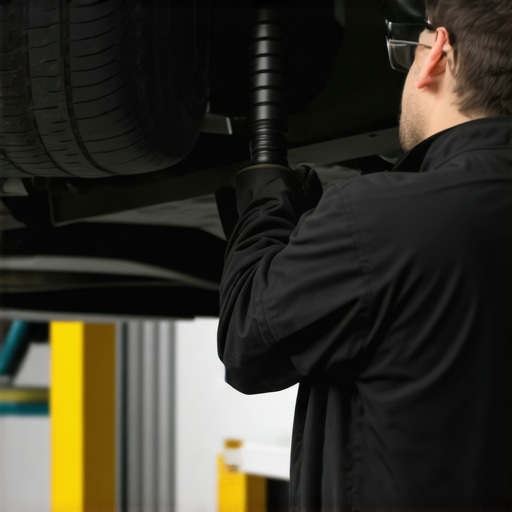 Many drivers assume that basic maintenance like oil changes and tire rotations are all their vehicle needs, but there’s a hidden nuance that often gets overlooked: the importance of diagnostics and understanding the real cause of issues. For example, many believe that a squealing brake pad simply means worn pads, but if the caliper is sticking or the rotors are warped, the problem persists even after pad replacement, leading to repeated repairs and wasted money.
Are You Overlooking Diagnostic Steps That Save Time and Money?
Experts like those at GlassFix Auto emphasize that jumping straight to part replacements without thorough inspections can cause more harm than good. A common myth is that all brake noises are solved by just changing pads; however, some noises stem from uneven rotor surfaces or caliper issues, which require professional assessment. Relying solely on hearsay or generic advice can trap you into unnecessary or incomplete repairs. This approach can also lead to misdiagnosing subtle issues like a failing ABS sensor or a leaking transmission seal, which might not be immediately obvious but can severely impact vehicle safety and longevity. According to a 2022 study published in the Journal of Automotive Maintenance, vehicles that undergo comprehensive diagnostics experience longer service intervals and fewer roadside breakdowns. So, when considering your next tune-up or repair, prioritize a detailed inspection over surface-level fixes. Be cautious of common pitfalls, like neglecting to verify the condition of underlying components that affect service life, such as suspension bushings or vacuum hoses. These often cause symptoms that are misattributed to more evident parts, resulting in recurrent visits and higher costs. Remember, modern vehicles are complex systems where a minor issue can cascade into major repairs if overlooked. Regular, detailed inspections prevent this domino effect and ensure your vehicle remains reliable. For a comprehensive guide on scheduling preventive maintenance and understanding what your car really needs, check out [this resource](https://glassfixauto.com/the-ultimate-car-service-guide-when-and-why-to-schedule-maintenance). In conclusion, the key is to dig beneath the surface—avoid assumptions and rely on expert evaluation to uncover hidden issues before they escalate. Have you ever fallen into this trap? Let me know in the comments.
Invest in Precision Tools for Long-Term Reliability
When it comes to keeping your vehicle in top shape, investing in quality tools isn’t just a luxury—it’s a necessity. I personally swear by a digital wheel alignment monitor, like the Snap-on EZX1320, which provides real-time data and precise readings. This tool has saved me countless trips to the mechanic by allowing me to verify adjustments myself. Accurate alignment is vital to prevent uneven tire wear and to extend the lifespan of suspension components, making it a smart investment for any car enthusiast.
Additionally, a high-quality torque wrench ensures bolts and nuts are tightened to manufacturer specifications. I prefer the CTS Cal Van Tool torque wrench because of its durability and accuracy, which is crucial for tasks like tightening wheel lug nuts or suspension components. Proper torque application prevents over-tightening or under-tightening, both of which can lead to costly damages over time.
Leverage Diagnostic Software to Detect Hidden Issues
Modern vehicles are complex electronic systems, and a good OBD-II scanner can be a game-changer. I recommend the BlueDriver Bluetooth Pro OBD2 Scanner because of its comprehensive diagnostics and smartphone integration. It helps me identify issues like faulty sensors or emissions problems before they turn into major repairs. By regularly scanning your vehicle, you can catch problems early, ensuring consistent performance and safety.
For more advanced diagnostics, diagnostic software like AUTEL MaxiCOM is invaluable. It provides detailed data and live sensor readings, giving you insights beyond basic codes. Using these tools regularly can dramatically improve your ability to troubleshoot issues efficiently, saving time and money.
Adopt Routine Maintenance Methods for Peak Performance
Consistent maintenance is the backbone of reliable vehicle operation. I personally follow a detailed service schedule, referencing this comprehensive guide to stay on top of oil changes, brake inspections, and fluid replacements. Regularly inspecting components like hoses, belts, and filters minimizes the risk of unexpected breakdowns.
Moreover, adopting a proactive approach—such as scheduling tune-ups before long trips or harsh winter seasons—can prevent many issues from developing. For instance, a well-executed tune-up can restore lost horsepower and improve fuel efficiency, which I detail in this article.
Future Trends in Car Maintenance
Looking ahead, the integration of AI diagnostics and connected car technology will make proactive maintenance even more accessible. Fleet management systems already utilize predictive analytics to schedule repairs before breakdowns occur, and I believe this trend will trickle down to individual vehicle care. Staying informed about these developments allows enthusiasts and owners alike to leverage cutting-edge tools and techniques for better vehicle longevity.
Maintain Your Vehicle with Confidence
To keep your car running smoothly, I suggest trying out a professional-grade diagnostic scanner to identify lurking issues early. These tools, combined with precise torque wrenches and routine checklists, form the foundation of effective vehicle maintenance. The real key is consistency—regular inspections and adjustments ensure your car performs reliably for years to come. Want to dive deeper into how to fine-tune your maintenance routine? Check out this resource for expert advice and tips.
Throughout my years working on cars, I’ve uncovered lessons that go beyond textbook knowledge—they’re the insider tricks that truly elevate your car care routine. One profound realization is that most issues are not isolated incidents but symptoms of deeper, often overlooked problems. For instance, neglecting small suspension irregularities can lead to costly wheel alignments or even steering system failures. Recognizing patterns, like uneven tire wear or subtle vibrations, has saved me from major breakdowns and hefty repair bills. Second, I learned that investing in good diagnostic tools isn’t just for pros; it’s empowering for any enthusiast. Reliable scanners and precision tools enable you to catch issues early and understand your vehicle at a granular level. Lastly, consistency in maintenance beats quick fixes every time. Regular inspections and proactive repairs create a smoother ride and extend your vehicle’s lifespan, proving that a little preventive effort goes a long way.
Tools and Resources That Changed My Approach to Car Care
My personal toolkit includes a high-quality OBD-II scanner like BlueDriver, which provides in-depth insights into hidden system glitches. I trust it because it’s user-friendly and captures data that could easily go unnoticed. For precise adjustments, a good torque wrench, such as the CTS Cal Van, ensures bolts are tightened perfectly, preventing future issues caused by under or over-tightening. For comprehensive maintenance planning, I rely on trusted sources like [the official car service checklist](https://glassfixauto.com/car-service-checklist-how-to-keep-your-vehicle-in-top-shape), which keeps me on top of routine tasks before problems develop. Additionally, reading expert-driven guides, especially those from [GlassFix Auto](https://glassfixauto.com/why-your-automatic-shifting-feels-jerky-in-traffic), has deepened my understanding of complex vehicle behaviors, making troubleshooting more effective.
Keep Moving Forward with Confidence and Care
Car maintenance is a lifelong learning journey, and the real reward is knowing you’re keeping your vehicle safe and reliable. Don’t wait for a warning sign—develop a routine that emphasizes discovery and prevention. Embrace the tools, tips, and insights that can transform your approach from reactive to proactive. Ready to take your car care to the next level? Dive into trusted resources, stay curious, and remember that every wrench turn brings you closer to mastering your vehicle’s health. How do you keep your vehicle in top shape, and what surprises have you uncovered along the way? Share your stories below.