
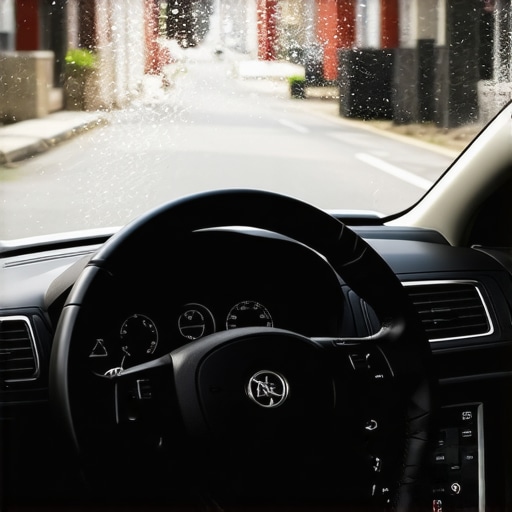
Have you ever pul ed into your driveway, only to notice that your steering wheel isn’t quite centered anymore? It’s a frustrating realization, especially after what seemed like a minor bump against that hidden curb. I remember the first time it happened to me—thought I had just a little more tire wear or maybe a wheel alignment issue. Turns out, that minor curb hit knocked my vehicle’s alignment out of whack, and I was unaware that such a small accident could cause such a big inconvenience. If you’ve faced something similar, you’re not alone—and the good news is, it’s fixable.
Getting to the Root of a Crooked Wheel After a Curb Impact
Is Your Driver’s Perspective Really Worth the Hype?
One mistake I made early on was assuming a slight misalignment would just settle itself or that it was a cosmetic issue. But ignoring a misaligned steering wheel can lead to uneven tire wear, compromised safety, and even more costly repairs down the line. It’s essential to recognize that even a minor hit can cause your suspension or steering components to shift, leading to that off-center feeling. Before rushing to replace parts or spend a fortune, it’s wise to get a professional assessment. Sometimes, the problem is just a simple wheel alignment or a loose component that can be easily tightened. To learn more about maintaining your vehicle’s health, check out our car service checklist. Remember, catching the problem early saves you money and keeps your drive safe and comfortable.
Assess the Damage Immediately
Check for Visible Signs of Misalignment
Start by inspecting your tires and rims for visible dents, cracks, or uneven tire wear. A quick visual check can reveal whether the impact caused obvious damage. I once noticed a slight bulge on my front tire after hitting a curb at low speed, which prompted me to act fast before further damage occurred. When you see such issues, it’s a clear sign to move to the next step.
Measure the Off-Center Steering
Use a Straight Edge or a Tape Measure
Park your car on a flat surface and turn the steering wheel straight. Mark the position of the steering wheel with tape if necessary. With the vehicle stationary, measure the distance from the center of the steering wheel to a fixed point on the dashboard. If the wheel isn’t centered, note the deviation. This helps quantify the misalignment, guiding you when seeking professional help.
Consult a Professional for a Wheel Alignment
Book an Appointment with a Trusted Auto Shop
Take your vehicle to an experienced mechanic who specializes in wheel alignments. Mention the impact incident and share your measurements. They will perform a precise alignment using specialized equipment that adjusts the angles of the wheels to manufacturer specifications. During my own visit, the technician used a modern alignment machine, which quickly identified the misalignment angles and corrected them within an hour, restoring my vehicle’s steering accuracy.
Verify Suspension and Steering Components
Request a Full Suspension Inspection
Sometimes, the curb impact may have damaged or loosened suspension parts like control arms, tie rods, or ball joints. Ask the mechanic to perform a thorough inspection. Replacing or repairing damaged components prevents future misalignment issues. I had to replace a bent tie rod that was nearly worn out after the accident, which made the steering feel loose again, even after alignment.
Test Drive and Final Adjustments
Ensure the Issue is Fully Resolved
After repairs, take the vehicle for a test drive on a flat, straight road. Pay attention to whether the steering wheel stays centered and if the vehicle tracks straight. If the wheel pulls or the steering feels off, return to the shop for further adjustments. Once satisfied, record the new alignment specifications for future reference, especially if your car encounters rough roads regularly.
Maintain Your Alignment Regularly
Schedule Routine Checks and Services
To prevent future misalignments, follow routine maintenance practices like regular tire rotations and inspections. Consistent alignment checks—ideally once a year or after any significant impact—keep your steering smooth and your tires lasting longer. For comprehensive maintenance guidance, explore our car service checklist. Keeping your vehicle in top shape not only improves safety but also saves money by avoiding costly repairs down the line.
When it comes to car maintenance, there’s a lot of misinformation floating around. Many assume that a quick tune-up or basic service is all that’s needed to keep their vehicle running smoothly, but in reality, the nuances run much deeper. In this discussion, let’s uncover some common myths, advanced pitfalls, and subtle factors that can trip up even seasoned car owners.
Don’t Rely Solely on Mileage Miles for Maintenance Decisions
One widespread misconception is that adhering strictly to mileage-based schedules guarantees optimal vehicle health. While manufacturers provide recommended intervals, expert auto technicians emphasize that driving conditions, climate, and vehicle age can significantly influence needed services. For example, drivers in harsh winters or on dusty roads might require more frequent filter changes or fluid replacements than what the mileage suggests. Rigid adherence to perceived ‘rules’ can lead to overlooking critical signs of wear. To ensure your vehicle’s longevity, consult a trusted mechanic and stay vigilant for symptoms like unusual noises or reduced performance. Explore auto repair trends to see how proactive maintenance benefits long-term performance.
Myth: Bigger Repairs Are Always Better Fights
A common trap during auto repair is the tendency to opt for extensive overhauls instead of targeted fixes. For instance, replacing the entire brake system when only a caliper or pad needs attention can be costly and unnecessary. Skilled technicians often identify specific components that are causing issues, saving you money and time. Overhauling a system prematurely can also lead to unnecessary part replacements and added complexity. It’s essential to ask detailed questions and seek diagnostics that pinpoint the root cause before approving massive repairs. For further insights, see how to stay ahead of repair trends and avoid this expensive mistake.
Slow Down When Handling Brake Service Myths
Brake systems are often misunderstood, leading to risky assumptions. A typical myth is that brake pads wearing out quickly mean you need new rotors immediately, but in many cases, worn pads can be replaced without resurfacing or replacing the rotors—provided they are within tolerances. Overzealous rotor replacements or ignoring subtle noises can lead to unnecessary expenses. Conversely, neglecting minor pads issues can cause uneven wear and damage. Remember, consistent inspections and understanding your brake system’s intricacies are key. Are you aware of the real signs of brake failure? Check out brake service myths to avoid common pitfalls.
What Advanced Car Owners Need to Know About Diagnostics
For the seasoned enthusiast, the question often arises: How do I distinguish between a simple fix and a deeper problem? Modern vehicles are equipped with sophisticated sensors and error codes that can reveal hidden issues before they manifest as driving problems. Using advanced diagnostic tools, an experienced technician can identify subtle discrepancies that escape basic inspections. Ignoring these can lead to costlier failures later. Staying informed about auto repair trends for 2025 helps you leverage new technology for smarter maintenance decisions. Remember, the real advantage comes from proactive diagnosis, not reactive repairs.
In conclusion, understanding these nuances and avoiding the typical traps can save you significant money and stress over the lifespan of your vehicle. Maintenance isn’t just about ticking boxes—it’s about knowing what truly keeps your car healthy. Have you ever fallen into this trap? Let me know in the comments.
Prioritize Precision with Diagnositic Tools
Investing in the right diagnostic equipment is crucial for any car owner serious about maintenance. I personally rely on an OBD-II scanner with real-time data display. Brands like BlueDriver have been game-changers for me because they connect seamlessly to my smartphone and provide detailed error codes along with vehicle-specific info. This allows me to identify issues early, such as sensor malfunctions or emission system errors, before they escalate into costly repairs. Using such tools empowers you to run targeted diagnostics, saving both time and money, and prepares you for a more accurate discussion with your mechanic. In the future, expect diagnostic tools to become even more intuitive, integrating AI to interpret complex data more efficiently.
How do I maintain vehicle health over time?
Regularly updating your maintenance routines based on real-world data is essential. For example, pairing diagnostic tools with a maintenance log helps track recurring issues and anticipate upcoming service needs. Keep an eye on tune-up strategies that adapt to your driving habits and local conditions. Also, consider investing in additional sensors or data-loggers for components like suspension or brakes if you’re keen on long-term monitoring. These can provide valuable insights about wear patterns, enabling proactive replacements instead of reactive repairs.
Essential Equipment for Routine Maintenance
Besides diagnostic tools, having quality hand tools is fundamental. I personally recommend a sturdy socket set with extension bars and a digital torque wrench for precise tightening. Using a torque wrench avoids over-tightening, which can damage components like head bolts or wheel lugs—something I learned the hard way. A proper tune-up kit streamlines periodic tasks such as changing filters, spark plugs, or fluids. Investing in good tools ensures consistent quality of your work, extending your vehicle’s lifespan and avoiding unnecessary trips to the repair shop. Remember, safety first: always wear gloves and eye protection when working on your car.
Long-Term Benefits of Consistent Maintenance
Staying on top of routine checks maintains optimal engine performance and fuel efficiency. Regular oil changes, filter replacements, and fluid flushes, especially when guided by data from advanced tools, can significantly delay major repairs. I’ve seen vehicles with properly maintained brakes and suspension perform reliably well beyond the manufacturer’s expected lifespan. A comprehensive service checklist helps organize these tasks, ensuring nothing slips through the cracks. Moreover, proactive maintenance reduces unexpected breakdowns, providing peace of mind and substantial savings over time.
Where do I see maintenance heading?
Looking ahead, I predict that maintenance will become increasingly software-driven. Remote diagnostics, predictive analytics, and AI-powered recommendations will allow owners to handle more repairs independently or schedule precisely timed services with their mechanics. The integration of IoT sensors within vehicle systems is already making this a reality. For example, a recent report suggests that auto repair trends for 2025 emphasize predictive maintenance as standard practice. Embracing these innovations now will position you to benefit from more affordable, efficient vehicle care, extending your car’s life even further.
So, one practical step you can take today is to purchase a quality OBD-II scanner and familiarize yourself with its readings. This small investment can revolutionize your approach to auto maintenance. Don’t wait for problems to become costly—start diagnosing proactively and keep your vehicle running smoothly for miles to come.
,
Lessons Hidden in the Rough Roads of Auto Maintenance
- One of the most profound lessons I learned was that not all signs of trouble are obvious; sometimes, subtle shifts in steering feel or slight noises can be doorways to costly repairs if ignored. Trust your instincts and pay attention to the signals, rather than dismissing them as minor inconveniences.
- It’s tempting to rely solely on routine mileage intervals, but real-world driving conditions demand a more nuanced approach. I discovered that adapting maintenance schedules based on diagnostics and personal experience saves me time and money—making proactive care more effective than ticking generic boxes.
- Underestimating small issues like uneven tire wear or light pulling during turns often leads to bigger headaches later. Addressing these early, with professional help or diagnostic tools, has been a game-changer, emphasizing the importance of early interventions for long-term vehicle health.
Tools and Resources That Elevated My Auto Care Game
- BlueDriver OBD-II Scanner: This device transformed how I monitor my car’s health, providing actionable data straight to my phone, and empowering me to diagnose issues before they escalate. I trust it because it’s reliable and user-friendly.
- Auto Repair Trends Reports: Staying informed about the latest advancements and emerging best practices keeps me ahead of potential problems. Resources like the auto repair trend reports serve as a compass for future-proofing my vehicle maintenance.
- Comprehensive Maintenance Checklists: Using detailed guides from trusted sources helps me organize regular checks, ensuring no aspect of my car’s health slips through the cracks. They focus my attention on what truly matters, rather than wasted efforts or expense.
Your Next Steps to Driving Confidence
Every journey begins with a choice to stay informed and proactive. Embrace the tools, knowledge, and habits that put you in control of your vehicle’s longevity. Remember, a well-maintained car isn’t just about avoiding breakdowns; it’s about enjoying a safer, more reliable drive every day. Ready to take that first step? Consider booking a consultation with experts who can fine-tune your approach—contact us here. What small adjustment will you make today to improve your car’s health? Share your thoughts below!”}#_END_RESULT_#}#}#}}}#}#}#}#}#}#}#}#}#}#}#}#}#}#}#}#}#}#}#}#}#}#}#}#}#}#}#}#}#}#}#}#}#}#}#}#}#}#}#}#}#}#}#}#}#}#}#}#}#}#}#}#}#}#}#}#}#}#}#}#}#}#}#}#}#}#}#}#}#}#}#}#}#}#}#}#}#}#}#}#}#}#}#}#}#}#}#}#}#}#}#}#}#}#}#}#}#}#}#}#}#}#}#}#}#}#}#}#}#}#}#}#}#}#}#}#}#}#}#}#}#}#}#}#}#}#}#}#}#}#}#}#}#}#}#}#}#}#}#}#}#}#}#}#}#}#}#}#}#}#}#}#}#}#}#}#}#}#}#}#}#}#}#}#}#}#}#}#}#}#}#}#}#}#}#}#}#}#}#}#}#}#}#}#}#}#}#}#}#}#}#}#}#}#}#}#}#}#}#}#}#}#}#}#}#}#}#}#}#}#}#}#}#}#}#}#}#}#}#}#}#}#}#}#}#}#}#}#}#}#}#}#}#}#}#}#}#}#}#}#}#}#}#}#}#}#}#}#}#}#}#}#}#}#}#}#}#}#}#}#}#}#}#}#}#}#}#}#}#}#}#}#}#}#}#}#}#}#}#}#}#}#}#}#}#}#}#}#}#}#}#}#}#}#}#}#}#}#}#}#}#}#}#}#}#}#}#}#}#}#}#}#}#}#}#}#}#}#}#}#}#}#}#}#}#}#}#}#}#}#}#}#}#}#}#}#}#}#}#}#}#}#}#}#}#}#}#}#}#}#}#}#}#}#}#}#}#}#}#}#}#}#}#}#}#}#}#}#}#}#}#}#}#}#}#}#}#}#}#}#}#}#}#}#}#}#}#}#}#}#}#}#}#}#}#}#}#}#}#}#}#}#}#}#}#}#}#}#}#}#}#}#}#}#}#}#}#}#}#}#}#}#}#}#}#}#}#}#}#}#}#}#}#}#}#}#}#}#}#}#}#}#}#}#}#}#}#}#}#}#}#}#}#}#}#}#}#}#}#}#}#}#}#}#}#}#}#}#}#}#}#}#}#}#}#}#}#}#}#}#}#}#}#}#}#}#}#}#}#}#}#}#}#}#}#}#}#}#}#}#}#}#}#}#}#}#}#}#}#}#}#}#}#}#}#}#}#}#}#}#}#}#}#}#}#}#}#}#}#}#}#}#}#}#}#}#}#}#}#}#}#}#}#}#}#}#}#}#}#}#}#}#}#}#}#}#}#}#}#}#}#}#}#}#}#}#}#}#}#}#}#}#}#}#}#}#}#}#}#}#}#}#}#}#}#}#}#}#}#}#}#}#}#}#}#}#}#}#}#}#}#}#}#}#}#}#}#}#}#}#}#}#}#}#}#}#}#}#}#}#}#}#}#}#}#}#}#}#}#}#}#}#}#}#}#}#}#}#}#}#}#}#}#}#}#}#}#}#}#}#}#}#}#}#}#}#}#}#}#}#}#}#}#}#}#}#}#}#}#}#}#}#}#}#}#}#}#}#}#}#}#}#}#}#}#}#}#}#}#}#}#}#}#}#}#}#}#}#}#}#}#}#}#}#}#}#}#}#}#}#}#}#}#}#}#}#}#}#}#}#}#}#}#}#}#}#}#}#}#}#}#}#}#}#}#}#}#}#}#}#}#}#}#}#}#}#}#}#}#}#}#}#}#}#}#}#}#}#}#}#}#}#}#}#}#}#}#}#}#}#}#}#}#}#}#}#}#}#}#}#}#}#}#}#}#}#}#}#}#}#}#}#}#}#}#}#}#}#}#}#}#}#}#}#}#}#}#}#}#}#}#}#}#}#}#}#}#}#}#}#}#}#}#}#}#}#}#}#}#}#}#}#}#}#}#}#}#}#}#}#}#}#}#}#}#}#}#}#}#}#}#}#}#}#}#}#}#}#}#}#}#}#}#}#}#}#}#}#}#}#}#}#}#}#}#}#}#}#}#}#}#}#}#}#}#}#}#}#}#}#}#}#}#}#}#}#}#}#}#}#}#}#}#}#}#}#}#}#}#}#}#}#}#}#}#}#}#}#}#}#}#}#}#}#}#}#}#}#}#}#}#}#}#}#}#}#}#}#}#}#}#}#}#}#}#}#}#}#}#}#}#}#}#}#}#}#}#}#}#}#}#}#}#}#}#}#}#}#}#}#}#}#}#}#}#}#}#}#}#}#}#}#}#}#}#}#}#}#}#}#}#}#}#}#}#}#}#}#}#}#}#}#}#}#}#}#}#}#}#}#}#}#}#}#}#}#}#}#}#}#}#}#}#}#}#}#}#}#}#}#}#}#}#}#}#}#}#}#}#}#}#}#}#}#}#}#}#}#}#}#}#}#}#}#}#}#}#}#}#}#}#}#}#}#}#}#}#}#}#}#}#}#}#}#}#}#}#}#}#}#}#}#}#}#}#}#}#}#}#}#}#}#}#}#}#}#}#}#}#}#}#}#}#}#}#}#}#}#}#}#}#}#}#}#}#}#}#}#}#}#}#}#}#}#}#}#}#}#}#}#}#}#}#}#}#}#}#}#}#}#}#}#}#}#}#}#}#}#}#}#}#}#}#}#}#}#}#}#}#}#}#}#}#}#}#}#}#}#}#}#}#}#}#}#}#}#}#}#}#}#}#}#}#}#}#}#}#}#}#}#}#}#}#}#}#}#}#}#}#}#}#}#}#}#}#}#}#}#}#}#}#}#}#}#}#}#}#}#}#}#}#}#}#}#}#}#}#}#}#}#}#}#}#}#}#}#}#}#}#}#}#}#}#}#}#}#}#}#}#}#}#}#}#}#}#}#}#}#}#}#}#}#}#}#}#}#}#}#}#}#}#}#}#}#}#}#}#}#}#}#}#}#}#}#}#}#}#}#}#}#}#}#}#}#}#}#}#}#}#}#}#}#}#}#}#}#}#}#}#}#}#}#}#}#}#}#}#}#}#}#}#}#}#}#}#}#}#}#}#}#}#}#}#}#}#}#}#}#}#}#}#}#}#}#}#}#}#}#}#}#}#}#}#}#}#}#}#}#}#}#}#}#}#}#}#}#}#}#}#}#}#}#}#}#}#}#}#}#}#}#}#}#}#}#}#}#}#}#}#}#}#}#}#}#}#}#}#}#}#}#}#}#}#}#}#}#}#}#}#}#}#}#}#}#}#}#}#}#}#}#}#}#}#}#}#}#}#}#}#}#}#}#}#}#}#}#}#}#}#}#}#}#}#}#}#}#}#}#}#}#}#}#}#}#}#}#}#}#}#}#}#}#}#}#}#}#}#}#}#}#}#}#}#}#}#}#}#}#}#}#}#}#}#}#}#}#}#}#}#}#}#}#}#}#}#}#}#}#}#}#}#}#}#}#}#}#}#}#}#}#}#}#}#}#}#}#}#}#}#}#}#}#}#}#}#}#}#}#}#}#}#}#}#}#}#}#}#}#}#}#}#}#}#}#}#}#}#}#}#}#}#}#}#}#}#}#}#}#}#}#}#}#}#}#}#}#}#}#}#}#}#}#}#}#}#}#}#}#}#}#}#}#}#}#}#}#}#}#}#}#}#}#}#}#}#}#}#}#}#}#}#}#}#}#}#}#}#}#}#}#}#}#}#}#}#}#}#}#}#}#}#}#}#}#}#}#}#}#}#}#}#}#}#}#}#}#}#}#}#}#}#}#}#}#}#}#}#}#}#}#}#}#}#}#}#}#}#}#}#}#}#}#}#}#}#}#}#}#}#}#}#}#}#}#}#}#}#}#}#}#}#}#}#}#}#}#}#}#}#}#}#}#}#}#}#}#}#}#}#}#}#}#}#}#}#}#}#}#}#}#}#}#}#}#}#}#}#}#}#}#}#}#}#}#}#}#}#}#}#}#}#}#}#}#}#}#}#}#}#}#}#}#}#}#}#}#}#}#}#}#}#}#}#}#}#}#}#}#}#}#}#}#}#}#}#}#}#}#}#}#}#}#}#}#}#}#}#}#}#}#}#}#}#}#}#}#}#}#}#}#}#}#}#}#}#}#}#}#}#}#}#}#}#}#}#}#}#}#}#}#}#}#}#}#}#}#}#}#}#}#}#}#}#}#}#}#}#}#}#}#}#}#}#}#}#}#}#}#}#}#}#}#}#}#}#}#}#}#}#}#}#}#}#}#}#}#}#}#}#}#}#}#}#}#}#}#}#}#}#}#}#}#}#}#}#}#}#}#}#}#}#}#}#}#}#}#}#}#}#}#}#}#}#}#}#}#}#}#}#}#}#}#}#}#}#}#}#}#}#}#}#}#}#}#}#}#}#}#}#}#}#}#}#}#}#}#}#}#}#}#}#}#}#}#}#}#}#}#}#}#}#}#}#}#}#}#}#}#}#}#}#}#}#}#}#}#}#}#}#}#}#}#}#}#}#}#}#}#}#}#}#}#}#}#}#}#}#}#}#}#}#}#}#}#}#}#}#}#}#}#}#}#}#}#}#}#}#}#}#}#}#}#}#}#}#}#}#}#}#}#}#}#}#}#}#}#}#}#}#}#}#}#}#}#}#}#}#}#}#}#}#}#}#}#}#}#}#}#}#}#}#}#}#}#}#}#}#}#}#}#}#}#}#}#}#}#}#}#}#}#}#}#}#}#}#}#}#}#}#}#}#}#}#}#}#}#}#}#}#}#}#}#}#}#}#}#}#}#}#}#}#}#}#}#}#}#}#}#}#}#}#}#}#}#}#}#}#}#}#}#}#}#}#}#}#}#}#}#}#}#}#}#}#}#}#}#}#}#}#}#}#}#}#}#}#}#}#}#}#}#}#}#}#}#}#}#}#}#}#}#}#}#}#}#}#}#}#}#}#}#}#}#}#}#}#}#}#}#}#}#}#}#}#}#}#}#}#}#}#}#}#}#}#}#}#}#}#}#}#}#}#}#}#}#}#}#}#}#}#}#}#}#}#}#}#}#}#}#}#}#}#}#}#}#}#}#}#}#}#}#}#}#}#}#}#}#}#}#}#}#}#}#}#}#}#}#}#}#}#}#}#}#}#}#}#}#}#}#}#}#}#}#}#}#}#}#}#}#}#}#}#}#}#}#}#}#}#}#}#}#}#}#}#}#}#}#}#}#}#}#}#}#}#}#}#}#}#}#}#}#}#}#}#}#}#}#}#}#}#}#}#}#}#}#}#}#}#}#}#}#}#}#}#}#}#}#}#}#}#}#}#}#}#}#}#}#}#}#}#}#}#}#}#}#}#}#}#}#}#}#}#}#}#}#}#}#}#}#}#}#}#}#}#}#}#}#}#}#}#}#}#}#}#}#}#}#}#}#}#}#}#}#}#}#}#}#}#}#}#}#}#}#}#}#}#}#}#}#}#}#}#}#}#}#}#}#}#}#}#}#}#}#}#}#}#}#}#}#}#}#}#}#}#}#}#}#}#}#}#}#}#}#}#}#}#}#}#}#}#}#}#}#}#}#}#}#}#}#}#}#}#}#}#}#}#}#}#}#}#}#}#}#}#}#}#}#}#}#}#}#}#}#}#}#}#}#}#}#}#}#}#}#}#}#}#}#}#}#}#}#}#}#}#}#}#}#}#}#}#}#}#}#}#}#}#}#}#}#}#}#}#}#}#}#}#}#}#}#}#}#}#}#}#}#}#}#}#}#}#}#}#}#}#}#}#}#}#}#}#}#}#}#}#}#}#}#}#}#}#}#}#}#}#}#}#}#}#}#}#}#}#}#}#}#}#}#}#}#}#}#}#}#}#}#}#}#}#}#}#}#}#}#}#}#}#}#}#}#}#}#}#}#}#}#}#}#}#}#}#}#}#}#}#}#}#}#}#}#}#}#}#}#}#}#}#}#}#}#}#}#}#}#}#}#}#}#}#}#}#}#}#}#}#}#}#}#}#}#}#}#}#}#}#}#}#}#}#}#}#}#}#}#}#}#}#}#}#}#}#}#}#}#}#}#}#}#}#}#}#}#}#}#}#}#}#}#}#}#}#}#}#}#}#}#}#}#}#}#}#}#}#}#}#}#}#}#}#}#}#}#}#}#}#}#}#}#}#}#}#}#}#}#}#}#}#}#}#}#}#}#}#}#}#}#}#}#}#}#}#}#}#}#}#}#}#}#}#}#}#}#}#}#}#}#}#}#}#}#}#}#}#}#}#}#}#}#}#}#}#}#}#}#}#}#}#}#}#}#}#}#}#}#}#}#}#}#}#}#}#}#}#}#}#}#}#}#}#}#}#}#}#}#}#}#}#}#}#}#}#}#}#}#}#}#}#}#}#}#}#}#}#}#}#}#}#}#}#}#}#}#}#}#}#}#}#}#}#}#}#}#}#}#}#}#}#}#}#}#}#}#}#}#}#}#}#}#}#}#}#}#}#}#}#}#}#}#}#}#}#}#}#}#}#}#}#}#}#}#}#}#}#}#}#}#}#}#}#}#}#}#}#}#}#}#}#}#}#}#}#}#}#}#}#}#}#}#}#}#}#}#}#}#}#}#}#}#}#}#}#}#}#}#}#}#}#}#}#}#}#}#}#}#}#}#}#}#}#}#}#}#}#}#}#}#}#}#}#}#}#}#}#}#}#}#}#}#}#}#}#}#}#}#}#}#}#}#}#}#}#}#}#}#}#}#}#}#}#}#}#}#}#}#}#}#}#}#}#}#}#}#}#}#}#}#}#}#}#}#}#}#}#}#}#}#}#}#}#}#}#}#}#}#}#}#}#}#}#}#}#}#}#}#}#}#}#}#}#}#}#}#}#}#}#}#}#}#}#}#}#}#}#}#}#}#}#}#}#}#}#}#}#}#}#}#}#}#}#}#}#}#}#}#}#}#}#}#}#}#}#}#}#}#}#}#}#}#}#}#}#}#}#}#}#}#}#}#}#}#}#}#}#}#}#}#}#}#}#}#}#}#}#}#}#}#}#}#}#}#}#}#}#}#}#}#}#}#}#}#}#}#}#}#}#}#}#}#}#}#}#}#}#}#}#}#}#}#}#}#}#}#}#}#}#}#}#}#}#}#}#}#}#}#}#}#}#}#}#}#}#}#}#}#}#}#}#}#}#}#}#}#}#}#}#}#}#}#}#}#}#}#}#}#}#}#}#}#}#}#}#}#}#}#}#}#}#}#}#}#}#}#}#}#}#}#}#}#}#}#}#}#}#}#}#}#}#}#}#}#}#}#}#}#}#}#}#}#}#}#}#}#}#}#}#}#}#}#}#}#}#}#}#}#}#}#}#}#}#}#}#}#}#}#}#}#}#}#}#}#}#}#}#}#}#}#}#}#}#}#}#}#}#}#}#}#}#}#}#}#}#}#}#}#}#}#}#}#}#}#}#}#}#}#}#}#}#}#}#}#}#}#}#}#}#}#}#}#}#}#}#}#}#}#}#}#}#}#}#}#}#}#}#}#}#}#}#}#}#}#}#}#}#}#}#}#}#}#}#}#}#}#}#}#}#}#}#}#}#}#}#}#}#}#}#}#}#}#}#}#}#}#}#}#}#}#}#}#}#}#}#}#}#}#}#}#}#}#}#}#}#}#}#}#}#}#}#}#}#}#}#}#}#}#}#}#}#}#}#}#}#}#}#}#}#}#}#}#}#}#}#}#}#}#}#}#}#}#}#}#}#}#}#}#}#}#}#}#}#}#}#}#}#}#}#}#}#}#}#}#}#}#}#}#}#}#}#}#}#}#}#}#}#}#}#}#}#}#}#}#}#}#}#}#}#}#}#}#}#}#}#}#}#}#}#}#}#}#}#}#}#}#}#}#}#}#}#}#}#}#}#}#}#}#}#}#}#}#}#}#}#}#}#}#}#}#}#}#}#}#}#}#}#}#}#}#}#}#}#}#}#}#}#}#}#}#}#}#}#}#}#}#}#}#}#}#}#}#}#}#}#}#}#}#}#}#}#}#}#}#}#}#}#}#}#}#}#}#}#}#}#}#}#}#}#}#}#}#}#}#}#}#}#}#}#}#}#}#}#}#}#}#}#}#}#}#}#}#}#}#}#}#}#}#}#}#}#}#}#}#}#}#}#}#}#}#}#}#}#}#}#}#}#}#}#}#}#}#}#}#}#}#}#}#}#}#}#}`