
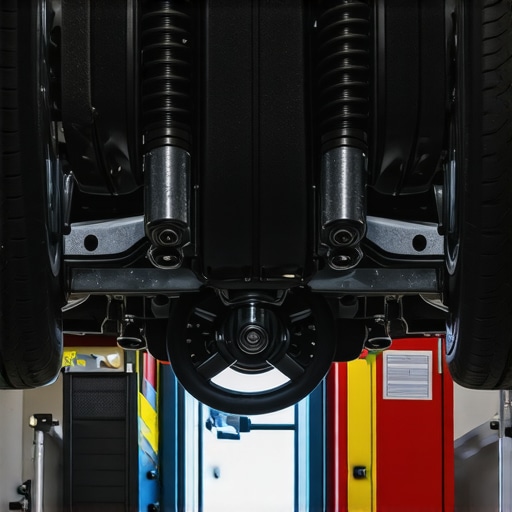
I remember the day I nearly lost control of my car on a rainy evening. The steering wheel felt like it was fighting me, heavy and unresponsive. At first, I thought it was just a worn-out tire or maybe a lazy wheel alignment. But as I kept driving, the heaviness worsened—like trying to steer through thick honey. That moment was a lightbulb for me; it wasn’t just about a minor issue, but a sign that something more serious was going on. If you’re experiencing something similar—heavy, stiff steering—you’re not alone, and I’m here to tell you there’s hope.
Why Your Car’s Steering Might Feel This Heavy in 2026
Heavy steering isn’t just an annoyance; it’s a safety concern. Over time, several factors—including suspension wear, power steering fluid issues, and alignment problems—combine to make your steering feel like a chore. As cars age into the 2026 model year and beyond, these issues tend to become more common, especially if maintenance has slipped through the cracks. I’ve been there—I overlooked routine checkups, and it bit me back with a steering problem that could have compromised my safety.
So, what exactly causes this heavy feeling, and how do you fix it? That’s what I’ll help you figure out today. I’ll walk you through the four suspension repairs that can restore your steering to light, responsive handling. Think of it as a step-by-step recipe that I’ve tested myself, saving both time and money. Plus, I’ll share some insider tips on avoiding common pitfalls that most car owners fall for.
Is This Suspension Fix Really Worth the Time and Expense?
This was my biggest worry—spending on repairs that might not work or getting ripped off. Early on, I made the mistake of trusting a mechanic without doing my homework, which led to unnecessary expenses. I learned the hard way that understanding the root cause of steering issues can save you heaps. For example, checking your [brake fluid](https://glassfixauto.com/check-these-5-fluids-for-a-smooth-2026-car-service) and ensuring your suspension components are in good shape can prevent costly repairs later. If you’ve faced this kind of frustration—feeling like your car’s steering has a mind of its own—then you’re in the right place. We’ll explore proven methods to fix it effectively, so stay tuned.
Start with a thorough inspection of your suspension components
Begin by checking the condition of your shocks and struts; worn-out parts can cause your steering to feel heavy. Personally, I once found a cracked shock after a quick visual check, which explained the stiff steering. Replacing these with quality parts significantly improved handling. When inspecting, look for leaks or damage—if unsure, ask your mechanic to perform a detailed test. Remember, a suspension in good shape acts like the foundation of a house—if it’s shaky, everything else suffers.
Check and top off or replace the power steering fluid
Low or contaminated fluid can make steering stiff. I once topped off my fluid only to realize it was dark and gritty, indicating old fluid. Flushing and refilling with fresh fluid restored smoothness. To do this yourself, find the power steering reservoir (consult your owner’s manual), remove the cap, and check the level. Use a clean cloth to wipe the dipstick or reservoir marker—if it’s below the recommended level or looks dirty, drain and replace the fluid following the instructions in this fluids check guide. Proper fluid help the pump operate effortlessly, reducing steering effort.
Assess the alignment and balance of your wheels
Misaligned wheels cause increased resistance. I noticed my steering felt off after hitting a pothole; a quick trip for alignment fixed the problem. To verify, check if the steering wheel sits crooked when driving straight. Also, observe tire wear patterns—uneven tread may indicate alignment issues. If you’re not comfortable doing this yourself, a professional alignment can realign your wheels, improving response and reducing strain on steering components. Think of alignment as tuning a musical instrument—precision restores harmony and performance.
Replace worn steering belt and hoses
The serpentine belt drives crucial components like the power steering pump. I once neglected a squealing belt, which eventually snapped, leaving me struggling to steer. Regularly inspect your belts for cracks or fraying; if found, replace them promptly. Also, check hoses for leaks or swelling. These simple steps can save a lot in repair costs and prevent sudden steering failures. For detailed belt replacement instructions, here’s a trusted repair guide.
Test your steering with a dynamic road check
Lastly, test drive your car in a safe area. Turn the steering lock-to-lock to feel for resistance or noise. Observe if the wheel responds smoothly or if there’s stiff resistance at certain points. During my own test, I felt a binding near full lock; further inspection revealed a seized steering rack bushing, which I replaced immediately. Use this quick check to catch issues early before they escalate into costly repairs. Remember, addressing these core techniques ensures your steering remains light and responsive, keeping you safe on the road.When it comes to car maintenance, many believe that a simple tune-up or routine service is all it takes to keep the vehicle running smoothly. However, lurking beneath these common practices are nuances and misconceptions that can lead to costly mistakes. For instance, a widespread myth is that every car requires the same schedule for brake service, but in reality, driving habits and vehicle age dictate unique needs. Overlooking these details can result in premature wear or unnecessary expenses. Additionally, some assume that high-mileage parts automatically need replacement, yet sometimes, components can perform well beyond expected intervals with proper maintenance. One critical trap to avoid is relying solely on visual inspections without diagnostic tests—things like brake fluid analysis or system pressure tests can reveal issues not visible to the naked eye. Experts emphasize that understanding these hidden nuances is key; for example, a study in the *Journal of Automotive Engineering* highlights how certain airflow sensor adjustments can improve engine efficiency more than just replacing parts blindly. Always question the standard advice and consider your specific vehicle context. Have you ever fallen into this trap? Let me know in the comments.
Keeping your vehicle in top shape requires the right tools and a bit of know-how. Over the years, I’ve refined my toolkit to include specific, durable equipment that makes auto maintenance more effective and less stressful. Investing in quality tools not only saves you money in the long run but also ensures your repairs are done safely and accurately.
Invest in a Reliable Digital Inspection System
One of the game-changers in my maintenance routine is a professional-grade OBD-II scanner. Instead of relying solely on visual cues, I connect my scanner to read real-time diagnostic trouble codes (DTCs). This device helps identify hidden issues like sensor failures or engine misfires before they escalate. I personally recommend models that support live data streaming and have a broad manufacturer compatibility, so you’re not limited to specific makes. Regular scans can prevent costly repairs and keep your engine performing optimally. In the future, I predict that diagnostic tools will become increasingly affordable and integrated with smartphone apps, making advanced diagnostics accessible to every car owner.
Premium Torque Wrenches Make a Difference
Proper torque application, especially during brake service or tightening suspension components, is crucial. I use a digital torque wrench that allows me to set precise torque values down to the exact foot-pounds needed for each bolt. This prevents over-tightening, which can damage parts, and under-tightening, which risks safety. The durability of a high-quality torque wrench ensures consistent performance over thousands of uses. For long-term results, calibrate your torque wrench periodically—many tools come with calibration certificates or services.
Specialized Fluid Testing Kits for Peace of Mind
Keeping an eye on your car’s fluids is vital. I use specific test strips and refractometers to check fluid condition—oil, brake fluid, and power steering fluid. These tools give me a quick, accurate assessment without needing complex lab analysis. For instance, testing brake fluid regularly ensures it has neither absorbed moisture nor degraded, which can compromise braking performance. You can easily incorporate these tests into your routine, and they boost your confidence during personal car care. As maintenance tech advances, expect more compact kits that analyze multiple fluids simultaneously and provide instant diagnostics.
How do I maintain my tools over time?
Proper maintenance of your tools prolongs their lifespan and ensures accuracy. Clean tools after each use—wiping off grease and dirt—and store them in dedicated, climate-controlled cabinets. For precision devices like torque wrenches, calibration is key; follow the manufacturer’s instructions or have them professionally calibrated annually. When tools are properly maintained, your maintenance efforts become more reliable, saving you from unexpected failures or inaccuracies. Remember, a well-maintained tool is a safe and effective tool. For additional guidance on maintaining your car and tools, check out this trusted repair resource. Try integrating a digital inspection system into your routine this month, and experience the peace of mind it offers.
Lessons That Changed How I Maintain My Car
One of the most eye-opening lessons I learned was not to underestimate the power of regular fluid checks. Early on, I ignored my brake fluid, thinking a quick top-off was enough, but it turns out that contaminated brake fluid can compromise safety and lead to costly repairs. Once I started using specific testing kits, I caught small issues before they became big problems, saving money and ensuring peace of mind.
Another insight was the importance of precise torque application. Using a high-quality digital torque wrench, I realized that over-tightening or under-tightening bolts could lead to premature component failure. This experience taught me that investing in the right tools yields dividends in vehicle longevity and safety.
Finally, I discovered that diagnostics go far beyond visual inspections. Connecting my OBD-II scanner to read real-time data uncovered hidden problems, like sensor failures, that I wouldn’t have spotted otherwise. It’s a reminder that embracing technology enhances maintenance routines, making them more effective and less stressful.
Smart Resources That Keep Me Ahead in Car Care
My toolkit wouldn’t be complete without a reliable digital inspection system. An advanced OBD-II scanner has been a game-changer, allowing me to monitor my vehicle’s health and catch issues early. I recommend models supporting live data streaming, as they provide comprehensive insights specific to my car’s needs, ultimately saving money and extending vehicle life.
Quality torque wrenches are a must. I trust my digital torque wrench because it ensures I apply exactly the right amount of tension during critical repairs like brake or suspension work. Its durability and calibration features give me confidence that every bolt is secured properly, avoiding future headaches.
For fluid analysis, I rely on specialized testing kits and refractometers. These inexpensive tools have empowered me to verify the condition of my oil, brake fluid, and power steering fluid—saving me from potential breakdowns. They’re sleek, easy-to-use, and incredibly effective for maintaining peak performance.
Embrace the Journey Toward Better Car Care Today
Remember, the path to a smooth, safe driving experience is ongoing, and every step forward builds confidence. Your vehicle relies on your attention to detail—small habits like regular fluid checks and using precise tools make a significant difference. So, dive into your maintenance routine with curiosity and confidence, knowing you’re making a real impact. The future of car care is in your hands—are you ready to lead the way?
What’s the first upgrade or habit you’re planning to implement to improve your car’s performance? Share your thoughts below—I’d love to hear about your journey toward better vehicle maintenance!