
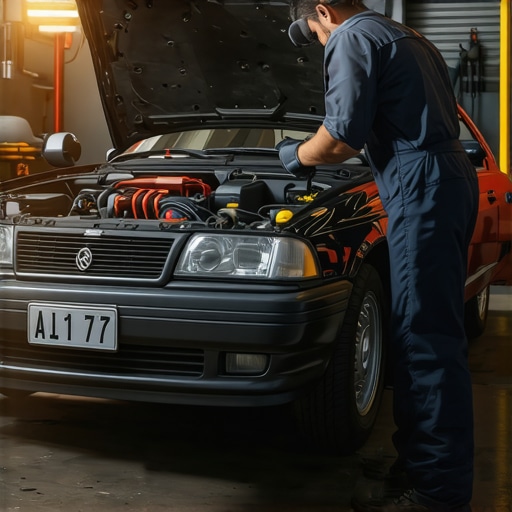
I vividly recall the worst auto repair experience I ever had—driving into what I thought was a routine tune-up appointment, only to be handed an astronomical bill and a car that ran worse than before. It was a wake-up call that sometimes, trusting the mechanics blindly can cost you more than just money; it can cost you your safety and peace of mind.
Why Being Proactive Matters for Your 2026 Car Maintenance
As vehicles get more sophisticated and repairs become pricier, knowing what to look out for before heading to the shop isn’t just smart—it’s essential. I found myself asking, “How can I tell if my mechanic is being honest or if they’re hiding something?” That question led me to uncover five key warning signs that every car owner should recognize before the next auto repair—especially with the projected complexities and costs for 2026. According to recent automotive studies, up to 70% of car repairs are preventable if owners catch early warning signs (source: Glass Fix Auto). Knowing these red flags could save you hundreds, or even thousands, down the line.
Will Ignoring These Signs Wreck Your Savings and Safety?
Early on, I made the mistake of dismissing some minor squeaks and a slight pulsing brake pedal as just normal wear and tear. Big mistake. Those were my first clues that trouble was brewing—signs I should have heeded. If I had correctly identified them, I could have avoided costly repairs and dangerous breakdowns later. It’s easy to think, “It’s probably nothing,” but ignoring these early warnings often leads to more expensive and dangerous situations. Curious about what else I missed? Keep reading, because in this post, I’ll walk you through the red flags you should look for and how to differentiate between minor issues and major problems. Eventually, I’ll share some practical tips to help you stay ahead of costly repairs. Ready to become more savvy about your vehicle’s health? Let’s dive into the signs that demand your attention before the next big repair session.
Inspect Your Brakes Regularly and Recognize the Warning Signs
The first step to keeping your vehicle safe is to perform routine brake inspections. Think of your brakes like the shoes of your car—they’re your primary safety gear. To do a basic check, listen for squeaks or squeals, which often indicate worn brake pads. Feel for a pulsating brake pedal, a sign your rotors might be warped. Don’t ignore these signals; addressing them early can prevent costly replacements. For detailed guidance, visit this guide on brake noises.
Diagnose Brake Shudder and Soft Pedal Issues
If your brake pedal feels spongy or the car shudders during braking, it’s time for an inspection. These symptoms often point to air in the brake lines or deteriorating brake fluid. Replacing the brake fluid as part of your routine maintenance can restore braking performance—think of it as changing oil for the engine. Use quality brake fluid and consult a professional if you’re unsure. Remember, proper brake maintenance saves lives.
Tune Your Engine for Efficiency and Reliability
For your engine, regular tune-ups are essential. Consider it like giving your car a health check after long days. Replace spark plugs, check the air filter, and ensure your fuel system is clean. These straightforward steps can prevent engine lag and improve fuel economy. I once missed noticing a clogged air filter, which caused my engine to hesitate. After a quick tune-up following expert tips, my ride was smoother and more responsive. To avoid such issues, see trusted tune-up advice.
Prioritize Oil Changes and Fluid Checks
Changing engine oil at recommended intervals is like feeding your car nutritious food—it keeps everything running smoothly. Low or dirty oil can lead to increased friction and engine wear. Use the correct oil grade and check levels regularly, especially before long trips or highway drives. This simple habit prolongs engine life and forestalls costly repairs. For an easy checklist, visit auto repair and maintenance tips.
Monitor Tire Condition and Pressure
Worn or under-inflated tires are like shoes that don’t fit—they compromise safety. Check tire tread depth and look for uneven wear, which can signal alignment issues. Use a pressure gauge to maintain proper PSI—under-inflated tires reduce fuel efficiency and increase the risk of blowouts. I once ignored a slow leak, which culminated in a dangerous blowout. Regular inspections saved me from a roadside emergency. For step-by-step guidance, see tire maintenance tips.
Keep an Eye on Lights and Electrical Components
Dashboard warning lights are like alarms signaling underlying problems. Regularly check that all lights—brake, turn signals, headlights—are functioning. Faulty lights not only compromise safety but can also lead to fines. For complex electrical issues, consider professional diagnostics, but many problems can be caught during routine checks. Ensuring your vehicle’s electrical systems are sound keeps you safe and compliant. For troubleshooting guidance, explore auto repair strategies.Many car owners hold misconceptions about auto repair, especially regarding brake service and tune-ups, which can lead to costly mistakes. Contrary to popular belief, not all maintenance tasks are equally urgent, and some common practices may do more harm than good. For instance, there’s a misconception that waiting for warning lights before addressing issues saves money. However, experts emphasize that proactive inspections can prevent minor problems from turning into major repairs, saving you both time and money. In fact, routine check-ups can identify nuanced issues that aren’t immediately obvious, like early brake pad wear or subtle engine misalignments, which, if overlooked, could cause significant safety hazards down the line. Don’t fall prey to the myth that car maintenance is only necessary after something breaks; regular maintenance is an investment in safety and longevity. Additionally, many assume that choosing the cheapest mechanic guarantees savings, but cutting corners can lead to subpar repairs and recurring issues. Check trusted sources like this guide on vehicle performance for insights on selecting qualified technicians. Moreover, an advanced mistake is neglecting to understand the nuances of brake service; not all brake issues are created equal. Squeaky brakes, for example, might be fixable with simple adjustments, whereas pulsating brakes could indicate warped rotors requiring more extensive repairs. Recognizing these differences is vital for effective and cost-efficient maintenance. Are you aware of the warning signs your vehicle silently communicates? Paying attention to subtle clues can save lives and money. I’ve seen many overlook early indicators, leading to dangerous situations. So, the next time you’re faced with maintenance decisions, remember that knowledge and early action are your best tools. Have you ever fallen into this trap? Let me know in the comments.
Investing in Reliable Tools for Long-Term Car Care
When it comes to maintaining your vehicle, the quality of your tools directly impacts the effectiveness and safety of your repairs. I personally swear by a high-precision digital multimeter like the Fluke 115. Its accuracy and durability make diagnosing electrical issues straightforward, saving me time and preventing costly mistakes. For instance, when troubleshooting a failing starter, I use the Fluke to measure voltage drops precisely, ensuring I pinpoint the exact problem rather than guesswork. Another indispensable piece of equipment is a set of quality socket and wrench kits, like the GearWrench combination sets, which provide the necessary leverage and compatibility for different nuts and bolts, especially in tight engine bays. Utilizing the right tools not only speeds up maintenance but also preserves your vehicle’s integrity over time. Additionally, I rely on a reliable car diagnostic scanner such as the BlueDriver Bluetooth Professional Sensor, which connects wirelessly to my smartphone. This device reads ABS, airbag, and engine codes instantly, providing comprehensive insights without expensive dealer visits. As automotive technology progresses, having advanced diagnostic tools becomes increasingly crucial for staying ahead of potential issues before they escalate.
Leveraging Software and Tutorials to Maximize Results
Beyond physical tools, I recommend harnessing trustworthy software resources. Websites like the Glass Fix Auto tips publish detailed guides that help decode error codes and recommend specific repair procedures. For example, their comprehensive tutorials on brake service diagnostics have saved me from unnecessary trips to the mechanic by allowing me to verify issues firsthand. Moreover, maintaining a digital log of your vehicle’s performance—tracking oil changes, brake replacements, and tune-ups—helps identify patterns indicating when preventive maintenance is due, extending your car’s lifespan and reliability. Apps like Drivvo or Fuelly can assist in this endeavor, providing reminders and insights that keep your maintenance schedule on track.
Preparing for the Future of Auto Maintenance
Looking ahead, I believe the integration of AI diagnostics and IoT-enabled sensors will revolutionize DIY car care. Imagine real-time alerts sent via your smartphone when your vehicle’s systems detect anomalies, facilitating proactive repairs. As these innovations become more accessible, even novice car owners will be empowered to monitor their cars’ health more accurately than ever before. Embracing these technologies now can give you a significant advantage, ensuring your vehicle remains in top condition with minimal hassle.
How do I maintain my vehicle’s health over time?
The key is consistency and quality—regularly check and replace essential parts, use trusted diagnostic tools, and stay informed with reliable tutorials. Don’t forget, investing in good tools like precision multimeters and advanced scanners saves you money and ensures your safety in the long run. For detailed advice, explore this article on reliable car maintenance. Start with a comprehensive scanner and learn to interpret its readings; it’s a crucial step toward mastering your vehicle’s health. Why not try the advanced tip of integrating a Bluetooth diagnostic scanner into your routine? It’s easy to set up and offers immediate, actionable insights—making maintenance more confident and less stressful.
The Hardest Lesson I Learned About Car Service and Brake Repairs
One of my most eye-opening experiences taught me that ignoring early warning signs in vehicle maintenance could lead to dangerous, costly consequences. I once dismissed a minor squeal during braking, thinking it was trivial, only to face warped rotors and increased repair bills later. That moment proved how crucial proactive attention is, especially as cars become smarter and repairs more intricate for 2026. Recognizing that some issues are red flags that shouldn’t be ignored can save lives and money. Trust me, catching problems early stands between you and unnecessary expenses.
Gear I Trust for the Long Haul
My essential toolkit includes a high-quality digital multimeter like the Fluke 115, which helps me diagnose electrical anomalies with confidence. I also rely on a sturdy set of socket wrenches such as GearWrench, ensuring I have the right leverage for tight spaces. For diagnostics, the BlueDriver Bluetooth scanner is a game-changer, providing instant insights into engine and brake issues straight from my smartphone. These tools have empowered me to handle many maintenance tasks myself, ensuring my vehicle’s reliability in the years ahead, especially as auto systems get more complex.
Now is the Time to Take Action
The future of car maintenance will increasingly integrate AI and IoT technology, making early detection more accessible and reliable. Embracing these advancements now will equip you to handle your vehicle’s health proactively in 2026 and beyond. Start by investing in a quality diagnostic scanner, maintain regular check-ups, and stay informed through trusted resources. The journey toward safer, more economical driving begins with a commitment to regular, informed maintenance. Are you ready to take control and stay ahead of potential issues? Remember, a well-maintained vehicle is your most valuable asset on the road—protect it today.