
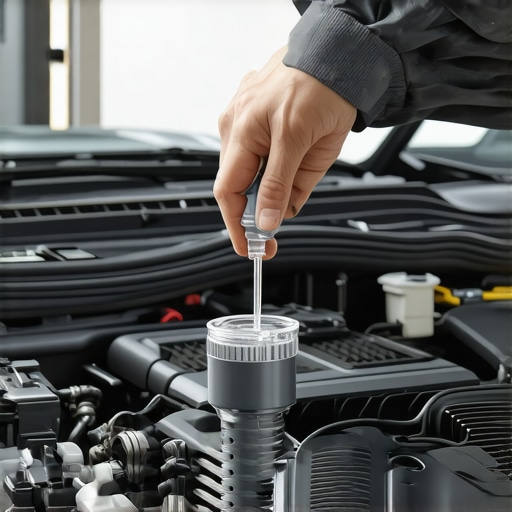
Have you ever found yourself crawling under your car, only to be greeted by a messy spill or an unclear dipstick reading? I’ve been there. One day, I attempted to check my transmission fluid in the usual way—pulling out the dipstick, wiping it clean, and then rechecking—and was met with a confusing, nearly black mess that made me wonder if I’d just made a costly mistake. That moment was a real lightbulb for me: I realized I’d been doing it all wrong, risking expensive repairs and ending up with more questions than answers about my car’s health.
This experience sparked my curiosity about the proper process, and I dove into research and personal trial and error. The truth is, checking your transmission fluid isn’t just about opening a hatch and peering at a dipstick. It’s an essential maintenance step that, when done correctly, can save you from unexpected breakdowns and costly repairs. Plus, it’s easier than most realize—once you know the right method.
Why Properly Checking Your Transmission Fluid Matters More Than You Think
Automatic transmissions are complex pieces of engineering, and their fluid plays a crucial role in smooth operation and longevity. Old or contaminated fluid can cause slipping, overheating, or even severe damage. According to a study by the Car Care Council, neglecting routine transmission fluid checks and replacements is one of the top causes of transmission failure among vehicles over five years old. That’s a wake-up call for drivers who think they can just ignore this vital maintenance task.
But here’s the catch—many car owners unknowingly make mistakes when checking their transmission fluid, leading to false readings and neglect. I made this mistake early on: I checked my fluid when the car was cold, which gave me an inaccurate low reading. Later, I learned that for an accurate assessment, the car needs to be warmed up, the engine running, and the vehicle parked on level ground. These details are what separate a proper check from a guesswork game.
So, if you’re tired of mysterious transmission issues or just want to keep your ride running smoothly, understanding the correct way to check your transmission fluid is a game-changer. In the following sections, I’ll walk you through the proven steps to get an accurate reading and what to watch out for along the way. Trust me, the effort is worth it—your car will thank you.
Is It Really Worth the Extra Step? My Common Mistake
Early in my journey, I dismissed the importance of warming up the vehicle first, thinking it was just a step that could be skipped when I was in a hurry. That led to an underfilled reading and a false sense of security. A quick tip: always follow your manufacturer’s guidance—most recommend checking transmission fluid with the engine warm, running, and on a level surface. For more details on common maintenance pitfalls, check out this article on brake bleeding mistakes, which underscores how simple errors can lead to bigger problems down the line. Keep this in mind, and you’ll step into your next check with confidence and clarity.
Warm Up Your Engine Before Checking
Start your vehicle and let it run for about 10-15 minutes to reach normal operating temperature. This warms the transmission fluid, ensuring an accurate reading. I once skipped this step in a rush, checked the fluid cold, and thought everything was fine—only to find out later that I was low. Now, I always give my car this warm-up, and my diagnoses are much more reliable.
Park on Level Ground for Accuracy
Find a flat, level surface and park your car fully, engaging the parking brake. This prevents tilting, which could skew the dipstick reading. During my first attempt, I parked on a slight incline and got a falsely high reading; since then, I’ve made this a non-negotiable step for precision.
Engage the Car’s Transmission
Shift Through the Gears
With the engine still running, press the brake and move the gear shift through all positions—parking, reverse, neutral, drive—then back to park. This circulates the fluid and distributes it evenly, giving you a true level. I once missed this step and ended up with an unclear dipstick. Now, I always do it, and my checks are consistent.
Locate and Remove the Dipstick Properly
Consult your owner’s manual to find the transmission dipstick, typically labeled. Pull it out and wipe it clean with a lint-free cloth or paper towel. A clean wipe reveals the actual fluid level without old residue. During my initial check, I overlooked this cleaning step, making measurements confusing. Now, I never skip it.
Check the Fluid Level and Condition
Reinsert the dipstick fully, then pull it out again to read the level. The fluid should be within the marked safe range, usually marked with “Full” and “Add” indicators. Inspect the fluid’s color; it should be bright red or pink and have a slightly sweet smell. Dirt, dark coloration, or a burnt smell indicate contamination or wear. I caught such signs early thanks to a diligent check, preventing costly repairs later. For more insight into fluid health, you might want to read about why your brakes grind even when pads look new.
Add Fluid If Necessary
If the level is low, add the recommended transmission fluid slowly through the dipstick tube using a funnel. Add a little at a time to avoid overfilling. Double-check the level after each addition. Overfilling can cause foaming and damage, so precision matters. I once overfilled by accident, leading to a minor leak, but learning to add gradually saved me from a bigger issue.
Double-Check and Finalize
After topping up, reinsert and tighten the dipstick and repeat the measurement to ensure correct level. Confirm the condition looks normal. Avoid running the engine for more than a few minutes after checking—just enough to stabilize the fluid level. I once drove immediately after a check, and the level shifted slightly; now, I wait to ensure accuracy.
Document Your Maintenance
Keep a log of when you last checked and topped off your transmission fluid. Regular checks can catch issues early, saving you from sudden breakdowns. Over time, I noticed my fluid color worsening, prompting me to schedule a full flush before problems arose. Remember, proper maintenance extends your vehicle’s lifespan and keeps it running smoothly.
When it comes to auto maintenance, a common misconception is that higher prices always mean better quality. However, many service centers push unnecessary repairs or full tune-ups when only a simple sensor replacement is needed, leading to inflated costs and customer confusion. A notable mistake is believing that routine brake service involves only changing pads, ignoring the importance of addressing hidden issues like caliper sticking or fluid contamination—problems that can escalate if overlooked.
Is Your Service Advisor Asking the Right Questions or Just Selling You a Full Package?
Studies show that unqualified or overly aggressive sales tactics in auto shops can result in unnecessary work, leaving you with a bill that’s higher without real benefit. According to the Motor Safety Foundation, nearly 60% of drivers report being upsold services they didn’t need, often due to insufficient inspection or understanding of the vehicle’s actual condition. Therefore, a savvy car owner must ask detailed questions, request specific diagnostics like electrical system checks, and insist on transparent pricing. ” alt=”Technician inspecting brake system” title=”In-depth brake inspection to identify hidden issues”/> Nonetheless, many fall into the trap of a shortcut approach—believing a quick visual check suffices. This can hide critical problems like subpar fluid levels or worn-out sensors that aren’t obvious without thorough diagnostics. The danger is that neglecting these nuances may lead to reduced braking performance or costly repairs down the line. For instance, brakes that squeal or grind despite appearing fine can indicate underlying issues such as warped rotors or caliper misalignment, which require more than a simple pad replacement. To avoid such pitfalls, it’s essential to seek providers who perform comprehensive checks rather than just routine replacements. Additionally, many consumers overlook critical aspects like ensuring full brake system bleeding is done correctly, as incomplete bleeding can trap air and cause spongy pedals, a mistake that often goes unnoticed until it’s too late. Regularly verifying the condition of your brake fluid and insisting on quality work can save you from dangerous driving situations. So, next time your mechanic suggests a full tune-up, ask: Is this really necessary, or are there more targeted, cost-effective ways to keep your vehicle in top shape? Before scheduling your next maintenance, review detailed checklists like this comprehensive repair guide to empower yourself. Remember, being informed is your best defense against unnecessary expenses and unsafe repairs. Have you ever fallen into this trap? Let me know in the comments.
Investing in the Right Equipment for Long-Term Care
Taking care of your vehicle isn’t just about periodic checkups; it’s about adopting the right tools and methods to ensure reliability and safety over time. A quality diagnostic scanner, like the Autel MaxiCOM, allows me to read and clear error codes myself, saving money and maintaining awareness of my car’s health. I personally prefer the Bluetooth-enabled models that connect to my smartphone, giving me real-time insights and the ability to troubleshoot issues without immediate trips to the mechanic.
Another essential tool is a good set of torque wrenches. When I replaced my brake pads, I used a digital torque wrench to tighten bolts to manufacturer specifications, preventing issues like uneven wear or hardware failure. Precision tools like this prevent over-tightening and reduce the risk of parts failing prematurely. Investing in a multimeter is also worthwhile; it helps me diagnose electrical issues, especially when dealing with sensors or starter problems, relying on accurate voltage readings instead of guesswork.
Embracing Software for Better Maintenance Decisions
Technological advances have made auto maintenance more manageable, thanks to apps like Car Scanner or OBDLink. These tools interface with your vehicle’s onboard computer, providing real-time data and diagnostics that help pinpoint issues early. I check my vehicle’s error codes regularly to prevent minor problems from escalating. The ability to monitor parameters such as engine temperature, RPM, and sensor status helps me decide whether a simple sensor replacement or a more involved repair is necessary.
Looking ahead, I believe the trend is moving toward integrated vehicle health platforms that combine hardware diagnostics with predictive analytics. Imagine receiving alerts before symptoms even appear, allowing for scheduled maintenance that avoids breakdowns. This proactive approach is where the industry seems headed—making vehicle longevity more data-driven and less reactive.
How do I maintain my tools and software over time?
Proper maintenance of your diagnostic equipment and keeping your software up-to-date is vital for accurate readings. Regularly calibrate your torque wrenches, store tools in a dry environment, and update your diagnostic apps and firmware. I also organize my toolkit and digital accounts to streamline service routines—I find that keeps maintenance efficient and fuss-free. For critical systems like brakes, I always ensure my tools are calibrated by professionals at least once a year, based on manufacturer recommendations.
Using professional-grade tools isn’t just about convenience; it substantially reduces the risk of errors that could lead to costly repairs. For example, correctly bleeding brakes with an advanced pressure brake bleeder can eliminate air bubbles more effectively, ensuring pedal firmness and stopping power. If you’re unsure where to start, checking out this guide on brake bleed mistakes can help you avoid common pitfalls.
The Future of Car Maintenance Looks Bright
Advanced tools and smarter diagnostics will continue to evolve, making auto upkeep more accessible and effective. Imagine integration of tools that can predict when your transmission fluid needs changing or alert you to impending brake issues long before symptoms appear. Staying ahead of these developments by investing in quality equipment today can save you significant time and money later.
For those ready to elevate their maintenance game, I recommend starting with a reliable diagnostic scanner paired with the latest maintenance apps. Try checking your error codes today with your mobile device—it’s a simple yet revealing step toward better vehicle care!
Lessions That Changed My Car Care Game
- Never assume a cold transmission gives an accurate reading; always warm up the engine first for reliable results. An honest mistake I made early on led to misdiagnosing issues that could have been avoided with simple patience.
- Level ground isn’t just convenience—it’s essential. Checking on an incline skews the level, which can cause false readings and unnecessary worry, or worse, neglected problems.
- Freshly cleaned dipsticks aren’t a luxury; they’re a necessity. Old, dirty fluid residue disguises real issues and can sabotage your maintenance efforts. I realized that a spotless dipstick was my secret weapon for accurate insights.
- And finally, routine checks are more than a box to tick—they’re a proactive shield. Keeping a maintenance log helped me spot subtle trends before they turned into costly failures.
- OBDLink and Car Scanner Apps: These connect to my vehicle and provide real-time diagnostics right on my phone. They’re invaluable for early issue detection and understanding my car’s health without guesswork.
- Torque Wrenches: Precision matters when tightening components like brake calipers or drain plugs. I trust my digital torque wrench to prevent overtightening, ensuring safety and longevity.
- Consulting Expert Guides: Websites like this brake bleeding guide have saved me from common mistakes, especially when dealing with complex procedures.
- Specialized Service Checklists: Regularly reviewing detailed checklists, like this one on service quotes, empowers me to ask the right questions and avoid unnecessary costs.
Tools and Resources That Make a Difference
Keep Your Drive Moving Forward
Taking charge of your vehicle’s maintenance might seem daunting at first, but the payoff is genuine—peace of mind, savings, and a safer ride. Remember, each check, each tool, each resource is a step toward a more confident driver. The road ahead is long, but with the right knowledge and attitude, it’s yours to master. Are you ready to tackle that next transmission check with newfound wisdom? Let me know your experiences below!