
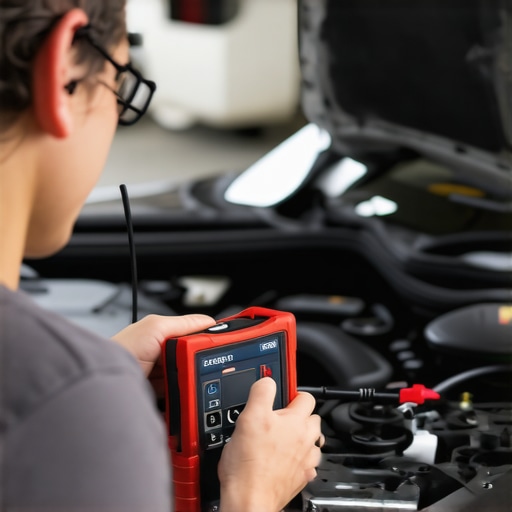
Have you ever been cruising along, humming to your favorite song, when suddenly — bam — that dreaded check engine light flickers on your dashboard? My stomach drops every time. I remember one particular road trip where I ignored the warning, thinking it was a minor glitch. Hours later, my car started acting up, and what should have been a simple fix turned into an expensive repair. That moment was a real eye-opener.
Deciphering that blinking amber warning can feel overwhelming. The fear of costly mechanic bills or the hassle of finding a good shop can make even the most seasoned drivers uneasy. But here’s the truth: you don’t have to be at the mercy of your mechanic for every little warning light. In fact, I’ve found that with a bit of patience and know-how, many check engine codes can be cleared right at home.
Today, I’ll share some practical, step-by-step methods on how you can turn off that stubborn light yourself. Think of it as empowering yourself instead of panicking over a potentially minor issue. The goal isn’t just to reset the warning but to understand whether you’re facing a quick fix or a sign to seek professional help. And let me tell you, the confidence that comes from doing it yourself is priceless.
Why Save Yourself the Trip to the Mechanic?
A lot of folks see that check engine light and immediately assume the worst — huge repair bills or dangerous road conditions. While some causes are serious, many are minor and easy to fix. According to a recent survey by AAA, nearly 84% of drivers have experienced a check engine light that turned out to be something simple and affordable to resolve. That’s good news, right?
However, rushing to a mechanic without understanding the underlying issue can sometimes lead you to overpay or overlook simple fixes. Early mistakes I made included ignoring the warning entirely or attempting costly repairs that weren’t necessary. Learning the right way to clear that light can save you both money and stress.
One common mistake I see people make is misinterpreting the diagnostic trouble codes (DTCs). You might be tempted to buy an expensive scanner, but even a basic code reader can give you clues. Plus, understanding the specific error codes can help you decide whether a simple reset suffices or if professional help is needed.
Ready to get your hands a little dirty and take control over those warning lights? Before diving into the what and how, it’s wise to understand what might cause the light in the first place. Sometimes, the issue is a minor sensor hiccup. Other times, it’s a sign of a bigger problem, like a failing catalytic converter. To avoid unnecessary repair costs, I’ll walk you through how to interpret those codes and clear the light safely.
Let’s start with what tools you’ll need and some quick safety tips—because a confident driver is a safer driver. Remember, knowledge is power, and you’re more than capable of tackling this on your own. Now, onto the essentials to get you started.
Gather Your Tools and Prepare Safely
Before jumping into clearing the code, ensure your vehicle is parked on a level surface with the engine off. You’ll need a basic code reader or OBD-II scanner, which can be purchased online or borrowed from auto parts stores. During this process, wearing gloves and working in a well-ventilated area helps maintain safety and cleanliness. I once used a borrowed code reader in my driveway, which prevented a costly trip to the mechanic for a minor hiccup.
Connect the Scanner to Your Vehicle
Locate the OBD-II port beneath the dashboard on the driver’s side—usually near the steering column. Plug in your scanner, ensuring a secure connection. Turn the ignition key to the Many car owners believe that basic maintenance and repairs are straightforward tasks, but the reality is more complex than most realize. A common misconception is that all mechanics and service shops provide the same quality, leading to trust issues and sometimes overpaying for subpar work. In truth, the nuances of car maintenance—like properly checking your [automatic transmission fluid](https://glassfixauto.com/the-correct-way-to-check-your-automatic-transmission-fluid)—are often misunderstood, resulting in premature component failure and costly repairs. For example, the idea that a quick brake pad replacement solves all squealing is misleading; often, underlying issues like warped rotors or sticking calipers are overlooked, which can cause more damage over time. Additionally, many believe that routine tune-ups only involve spark plug changes, but a comprehensive tune-up includes inspecting ignition coils, fuel injectors, and even timing belts to avoid catastrophic engine damage, as discussed in “[the real cost of skipping a timing belt change](https://glassfixauto.com/the-real-cost-of-skipping-a-timing-belt-change).” One of the most insidious myths is that replacing fluids like brake fluid or oil is always enough—many overlook the subtle signs of internal corrosion or contamination, which can drastically shorten component lifespan. For instance, green brake fluid might seem harmless, but it could indicate internal corrosion affecting brake performance. It’s crucial to perform diagnostic checks and understand the specific needs of your vehicle rather than blindly following generic service schedules.
Have you ever fallen into this trap? Let me know in the comments.
A critical mistake many make is assuming that all auto repair shops are equally transparent and trustworthy. Some shops might cut corners during a ‘standard’ tune-up, skipping essential steps like replacing the [air filter or inspecting the serpentine belt](https://glassfixauto.com/the-missing-step-in-your-last-oil-change), which could be the cause of mysterious engine hesitations or unexpected breakdowns. Being aware of these subtle signs and proactive in asking your mechanic detailed questions can save you from serious issues down the line. Remember, understanding these hidden nuances empowers you to make better decisions, extend your vehicle’s lifespan, and avoid unnecessary expenses. So next time you hear an unusual sound or notice a warning light, think twice—what seems minor might just hide a deeper issue that requires expert attention.
Investing in Quality Tools for Reliable Maintenance
When it comes to keeping your vehicle in top shape, having the right tools is crucial. Personally, I rely on a professional-grade OBD-II scanner like the BlueDriver Bluetooth Professional OBDII Scan Tool. Its ability to read comprehensive diagnostic trouble codes and live data streams helps me identify issues early, saving time and money. Unlike generic scanners, this device offers detailed insights similar to what专业技术人员use, making troubleshooting far more accurate.
Another tool I highly recommend is a set of core quality socket and wrench sets. I prefer the GearWrench 20-Piece Ratcheting Set because its durable construction and quick-release mechanisms make busy repair sessions smoother. These tools are indispensable when replacing parts like brake pads or spark plugs, especially in tight engine bays.
The Power of Software: Automate and Track Your Maintenance
Beyond physical tools, embracing maintenance management software can revolutionize how you care for your car. I use a system like MY CARFAX integrated with my smartphone to log oil changes, filter replacements, and scheduled tune-ups. Keeping a digital history ensures you’re proactive rather than reactive and can even anticipate upcoming service needs based on mileage and wear patterns.
Predicting future wear and planning ahead not only extends your vehicle’s lifespan but also prevents costly breakdowns. For example, regular checks on components like your oil pressure system help catch leaks or failures early, preserving engine health over time.
Tools I Recommend for Brake and Transmission Maintenance
When dealing with brake service or transmission fluid changes, specialized tools make a big difference. I routinely use a brake caliper piston compressor tool for quick and even pad replacements, ensuring proper brake function. For transmission service, an automatic transmission fluid pump allows me to replace fluid accurately without mess or waste, contributing to smoother shifts and longer transmission life.
How do I Maintain These Tools Over Time?
To ensure your tools stay in prime condition, cleaning and proper storage are essential. For hand tools, wipe off grease and dirt after every use and apply a light coating of oil to prevent rust. Electronical devices, like scanners, should be stored in protected cases, avoiding extreme temperatures. Regular calibration of diagnostic tools guarantees accurate readings, which is vital for correct troubleshooting. Over time, investing in quality storage solutions and routine maintenance on your tools guarantees reliability and longevity, making every repair session smoother. As I often remind myself, well-maintained tools are the foundation of effective vehicle care — don’t skimp here!
Looking ahead, the auto repair industry is trending toward wireless diagnostics and AI-driven maintenance suggestions. Keeping your tools up-to-date and embracing new technology will give you an edge in managing your vehicle’s health efficiently.
Try updating your diagnostic app today or calibrate your scanner for more accurate readings. Staying proactive can save you hundreds in potential repairs!
During my journey of taking control of my car maintenance, I uncovered some eye-opening truths that could save you time, money, and stress. One crucial lesson was realizing that not every check engine light signals a dire emergency; often, it’s a nudge for minor fixes you can handle yourself. I learned to interpret diagnostic codes—like the ones you can retrieve with a reliable scanner—to differentiate between simple sensor hiccups and serious engine issues. Embracing the right tools, from high-quality OBD-II scanners to specialized transmission pumps, transformed my approach from reactive to proactive. Moreover, maintaining a detailed digital log of repairs and inspections empowers you with knowledge to spot patterns and plan ahead, extending your vehicle’s lifespan.
Trust me, the sense of pride and confidence you’ll gain from understanding your car’s language surpasses the initial hurdle. My advice: dive deep into tailored resources, like the tips on checking spark plugs, which demystify complex tasks. Don’t wait for that warning light to become an emergency; start learning today, and you’ll find yourself steering through car ownership with newfound mastery. Remember, every expert was once a rookie, and your journey begins now.