
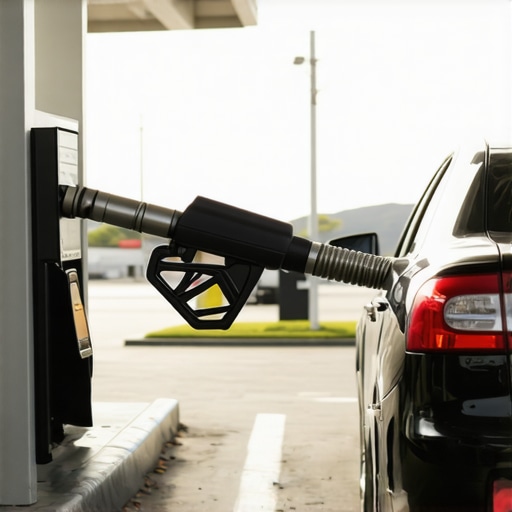
Ever found yourself at the pump, pouring extra cash into a fancy tank of premium gas, only to wonder if it really makes a difference for your everyday drive? I used to do the same thing—believing that more expensive fuel meant better performance and longer engine life. But one day, after a frustrating trip to the gas station, I had a light bulb moment that changed my entire perspective. I realized I was throwing money away on something my car didn’t actually need.
Why I Couldn’t Keep Wasting Money and Expect My Car to Perform Better
It turns out, most of us are robbed of hard-earned cash because of common misconceptions about fuel quality and engine requirements. I thought that filling up with premium was a surefire way to keep my engine running smoothly, especially after a tune-up. But the truth is, unless your vehicle’s owner manual explicitly recommends premium gas, sticking with regular unleaded is just fine—and it’s a lot kinder to your wallet. In fact, some studies suggest that premium gas doesn’t offer any tangible benefits for standard engines, and in many cases, it can cause more harm than good if used unnecessarily. Want proof? According to the truth about premium gas, most engines designed for regular fuel perform just as well on cheaper, standard gasoline.
Is Premium Gas Really Better for My Engine?
Early on, I made the mistake of believing that higher octane fuel would automatically boost my car’s performance. It’s a common error—believing that paying more somehow translates to better engine health. But the reality is, unless your car’s manual specifies so, using premium is just a waste of money. Plus, it can lead to carbon buildup and reduced efficiency if your engine isn’t designed for it. Trust me, I’ve learned this lesson the hard way. The key is understanding what your engine needs. If you’re unsure whether premium gas is justified for your ride, check out this article for clarity.
Now that I’ve cleared that up, let’s get into how you can make smarter choices about fuel, save money, and avoid the trap of unnecessary spending. Stick around—I’m about to walk you through simple tips to determine what your car really needs and how to get the most out of your tune-up without breaking the bank.
Check Your Owner’s Manual to Know What Your Car Really Needs
During my last tune-up, I made the mistake of trusting generic advice instead of reading my vehicle’s manual. I took a few minutes to find the recommended oil type and service intervals, which clarified exactly what my engine required. This straightforward step saved me from unnecessary costs and prevented potential damage. Think of your car as a smart gadget—following manufacturer instructions ensures optimal performance without guesswork.
Inspect and Replace Spark Plugs and Filters First
Remove and Examine Spark Plugs
Taking out your spark plugs is easier than changing a lightbulb. Use a socket wrench and inspect their condition—look for carbon buildup or signs of wear. Clean or replace them as needed. When I checked mine, I discovered a buildup that was causing misfires, so replacing the plugs improved my engine smoothness immediately. For detailed steps, see this guide.
Change Air and Cabin Filters
Clogged filters limit airflow, reducing efficiency and fuel economy, similar to trying to breathe through a clogged straw. Remove the filters and hold them up to the light; if light doesn’t pass through, replace them. Doing this simple check prevents dirt from clogging your engine and cabin air quality from declining.
Test and Top Up Fluids—Don’t Guess
Fluid levels are like blood for your car: if they’re off, everything suffers. Use a clean cloth or paper towel to wipe the dipsticks and check levels against recommended marks. When I added engine oil, I also checked coolant and brake fluid—top-ups that improved performance and avoided breakdowns. Regular checks help catch leaks early before they turn into costly repairs. Learn more on how to spot a failing brake master cylinder.
Clean Battery Terminals for Reliable Starts
Corrosion on battery terminals is a silent killer of reliability. Remove the terminals and scrub with a solution of baking soda and water, then rinse and reconnect. This quick fix prevents starting issues. I’ve seen cars refuse to start due to corroded terminals, and cleaning them saved me a costly tow. Find step-by-step instructions at this article.
Replace Worn Belts and Hoses Before They Fail
Twisting or cracking belts signal imminent failure—like a worn-out shoe about to fall apart. Inspect belts visually and listen for squealing noises. Replacing them early avoids breakdowns, especially on long drives. When I ignored a squeaky belt, I ended up stranded; now I check them during every tune-up. Use a flashlight to get a good view and compare with the replacement guidelines.
Practice the 50-Percent Rule for Oil Changes
Rather than waiting for miles to pass, change your oil when it’s half used up—about every 3,000 to 5,000 miles for most cars—or sooner if your manual suggests. I set reminders and kept track of oil level and color; dark, gritty oil means it’s time. Regular oil changes prevent engine buildup and improve efficiency, saving you money in the long run.
Monitor Tire Condition and Pressure
Weak or underinflated tires cause decreased fuel economy and uneven wear—like trying to run with a flat tire. Use a pressure gauge and check your tires monthly. Maintain pressures at the manufacturer’s recommended psi, which you can find in your manual or on the driver’s door sticker. When I corrected my tire pressures, fuel savings and ride comfort improved noticeably.
Understand Basic Diagnostic Indicators
Learn to interpret warning lights, such as the check engine light or oil pressure alert. Use affordable code readers or a simple troubleshooting guide. When my oil pressure flickered once, quick inspection revealed a loose sensor; fixing it avoided a costly oil leak. Being proactive with diagnostics prevents minor issues from escalating into major repairs. For more, see diagnosing engine noises.
Keep Maintenance Records and Schedule Regular Checks
Document every service and inspection—this helps identify recurring problems and ensures timely appointments. I created a spreadsheet tracking oil changes, filter replacements, and inspections, which kept my car in top shape and saved me money. Regular check-ins prevent surprises and extend your vehicle’s lifespan, akin to a health checkup for your car.
Applying these straightforward steps will dramatically reduce unnecessary expenses and keep your vehicle running smoothly. Remember, just like tending to your health, consistent basic care saves a lot over time.
While many car owners believe that brake service and routine repairs are straightforward tasks that can be tackled with basic knowledge, there are often subtle nuances that can trip even seasoned enthusiasts. One prevalent myth is that all brake pads wear evenly and that a simple pad replacement suffices. However, if the underlying issues like warped rotors or a failing brake booster aren’t addressed, your brakes might seem fine on the surface but fail prematurely or unexpectedly. Why do some brake systems persistently feel spongy despite regular maintenance? The answer often lies in master cylinder problems—this component is critical in pressurizing the brake fluid accurately. Many overlook signs of a failing master cylinder until it’s too late, leading to dangerous situations. Experts warn that ignoring subtle signals, such as unusual brake pedal feel or slight vibrations, can lead to more costly repairs down the line. For example, a slipping or failing master cylinder can cause brake failure, and early detection is essential.
What advanced signs indicate my brake system might be on the brink of failure?
In-depth analysis shows that uneven brake pad wear, persistent pulling to one side, or a vehicle that shudders during braking are telltale signs of deeper issues like caliper sticking or contaminated brake fluid. Regular inspection of brake components is crucial, especially since issues like a compromised brake booster can lead to increased pedal effort or even a complete failure, risking safety and leading to costly repairs. For detailed guidance on spotting these problems early, check out this informative article. It’s a misconception that brake systems are maintenance-free; in reality, neglecting these nuances could be the difference between safe driving and an accident.
Auto repair myths often tell us that a quick fix will last forever—that a squeaky brake pad or a minor noise isn’t a sign of a bigger problem. But the truth is, these are often symptoms of underlying concerns, like a failing brake booster or warped rotors, which can jeopardize your safety. Addressing these issues promptly requires understanding the deeper mechanics, not just the surface symptoms. Don’t fall into the trap of ignoring odd noises or feeling a change in brake pedal performance; these signals are your car’s way of communicating imminent danger. A comprehensive approach to maintenance involves recognizing the hidden nuances—like the fact that brake fluid contamination can lead to corrosion and reduced braking power—sometimes only detectable through routine inspections and fluid analysis.
Many assume that auto repairs are always obvious and easily fixable, but experts like those at Glass Fix Auto emphasize that advanced diagnostics often unravel subtle issues that aren’t visible on the surface. For instance, a vehicle shuddering during acceleration might seem unrelated to brakes but could indicate a warped rotor that also affects braking responsiveness. This interconnectedness underscores why a holistic view and understanding of the intricacies of your car’s systems are vital. Being aware of these nuances can save you hundreds—or even thousands—by preventing extensive damage or catastrophic failure. Remember, your vehicle’s health isn’t just about replacing worn parts but understanding what those parts reveal about the overall system’s condition. Have you ever fallen into this trap? Let me know in the comments.
Invest in Quality Diagnostic and Maintenance Tools
To keep your vehicle running smoothly over the years, having the right equipment is crucial. I personally rely on a reliable OBD-II scanner, like the Autel MaxiCOM, which allows me to read and clear error codes quickly and accurately. This tool helps identify issues early, such as a failing alternator or sensor malfunction, saving me from costly repairs down the line. Additionally, a good multimeter, like the Fluke 117, is indispensable for diagnosing electrical problems, ensuring that I can troubleshoot without always heading to the mechanic. These tools empower you to catch symptoms early and perform basic diagnostics at home, promoting long-term vehicle health.
Keep Crucial Maintenance Supplies Organized
Having a well-stocked and organized toolkit makes routine maintenance more manageable. I keep essentials like engine oil, coolant, brake fluid, and a set of high-quality wrenches and screwdrivers in a dedicated box. Using transparent storage helps me keep track of supplies, so I never run out unexpectedly. This proactive approach reduces downtime and prevents neglecting needed repairs, like flushing brake fluid or topping off engine oil, which are vital for longevity. Regularly updating your supplies ensures you’re always ready to handle small issues before they escalate.
Embrace Digital Records for Upkeep and Repairs
Maintaining detailed digital records of all maintenance performed—via apps like Autosoft or a simple spreadsheet—makes future servicing straightforward. I log every oil change, filter replacement, and repair, noting the date and mileage. This habit assists in identifying patterns, like when brake pads tend to wear out in my vehicle, and ensures I don’t miss critical intervals. It also helps when diagnosing recurring problems, for instance, noticing that my car shudders at stoplights even after consistent tune-ups. Staying organized with records extends your car’s effective lifespan and keeps maintenance costs predictable.
Plan for Long-Term Repairs and Scaling Up
As your vehicle ages, certain components will need replacement or upgrade. I recommend scheduling proactive checks on critical parts like the master cylinder, calipers, and transmission seals. Using detailed inspection methods, such as testing brake pedal firmness and observing for uneven tire wear, helps pinpoint issues early. Anticipating repairs—like replacing worn belts before failure—avoids roadside breakdowns. In the future, integrated systems and diagnostic software might become even smarter, offering predictive maintenance alerts. Staying ahead of potential failures means fewer surprises and more savings over the vehicle’s life.
How do I maintain my car’s optimal performance over time?
Consistently checking and replacing essential fluids, inspecting critical components, and utilizing advanced diagnostic tools are key strategies. For instance, regularly testing brake system pressure or fluid quality can prevent sudden failures, and understanding indicators such as subtle shudders or noises can flag deeper issues early. Remember, addressing these signs promptly—like reading up on how to spot a failing brake master cylinder—preserves safety and extends your vehicle’s lifespan. I encourage you to invest in a good OBD-II scanner and set aside time each month for a quick diagnostic check, turning maintenance from a chore into a simple, effective routine.
Uncovering My Auto Repair Blind Spots
- One of the toughest lessons I learned was the significance of inspecting brake master cylinders early. Ignoring subtle signs like changing pedal feel almost cost me a serious safety issue, highlighting that even minor symptoms deserve attention.
- Only after repeatedly neglecting small noises and vibrations did I realize how interconnected brake components are, emphasizing the importance of a holistic approach rather than isolated fixes.
- Discovering that some car problems are rooted deeper than surface symptoms taught me patience and the value of trusting experienced diagnostics over quick fixes.
- My experience with routine maintenance tools proved that investing in quality diagnostic equipment, like an OBD-II scanner, can empower you to catch issues before they escalate into costly repairs.
- Finally, keeping detailed records and scheduling regular checks transformed my understanding of vehicle health from reactive to proactive, saving money and ensuring safety.
Tools and Resources That Changed My Approach
- The Autel MaxiCOM OBD-II scanner became my go-to for quick error code readings, allowing me to troubleshoot minor issues and understand my vehicle’s secrets firsthand.
- Books like “Auto Repair for Dummies” opened my eyes to detailed processes, empowering me to perform simple tasks confidently without the fear of making things worse.
- Guides from trusted sources such as Glass Fix Auto have been invaluable for recognizing warning signs early, especially regarding brake system health.
- Educational videos and online forums fostered a community where I could ask questions and learn from real-world experiences, demystifying complex repair processes.
What Drives Me to Keep Improving
Taking control over my car’s maintenance has transformed the daunting task into an opportunity for ongoing learning and savings. It’s empowering to understand what’s happening beneath the hood and to trust my intuition before costly failures occur. Remember, your vehicle’s well-being isn’t just about fixing problems — it’s about building a relationship with your car, one that emphasizes prevention over repair. How will you start recognizing those small signals before they become big issues? Feel free to share your experiences below, and let’s learn together.