
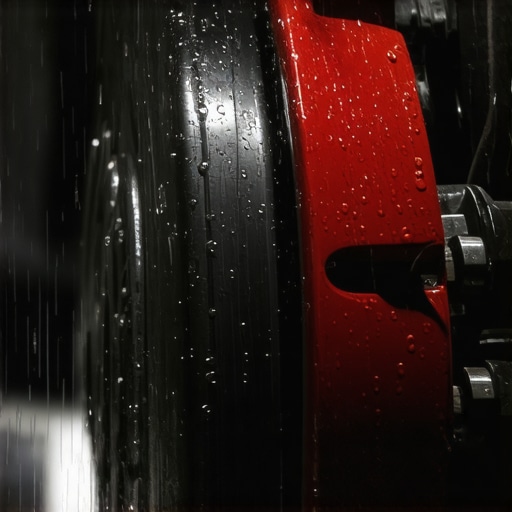
It was a chilly morning, and as I stepped out to grab my coffee, the last night’s rain still clung to the streets. The moment I pressed my brake pedal, that awful grinding sound echoed through my car like a warning siren. I’ve been there—your brakes squeal and grind after a rainy night, making you question if you need new pads or a full brake overhaul. But here’s the real kicker: it’s often something simpler than you think—and fixable without a trip to the shop.
Why Your Brakes Sound Worse After the Rain and What You Can Do About It
Rain creates a thin film of water over your brake pads and rotors, which can cause the pads to slip slightly, resulting in that grinding noise. It’s not always a sign that your brakes are trashed, but ignoring it can lead to uneven wear or worse, total brake failure. I remember rushing to work one morning, panic setting in because I thought I was out of luck. But after some research and a few simple inspections, I realized this was a common, manageable problem.
Thinking Your Brakes Are on the Verge of Failing? Here’s What You Missed
Early on, I made the mistake of assuming I needed new brake pads every time my car screeched after rain. Turns out, a quick check of the brake calipers and cleaning the rotors often does the trick. It cost me less time and money than a full brake replacement. For a detailed look at common brake issues, you might find this guide helpful: 3 Signs Your Brake Rotors Are Warped.
In this post, I’ll walk you through simple steps to assess and fix that grimy silence in your braking system. Trust me, it’s not as intimidating as it sounds, and getting your brakes back to quiet can be a game changer for safety and peace of mind. If you’re tired of the rainy morning brake chorus, stick with me—we’ll turn that grind into a whisper overnight.
Responding to whether you’ve faced this problem, have you ever been startled by that squeal or grind after a storm? If yes, you’re not alone, and there’s a straightforward way to fix it without expensive repairs. Let’s dive into what really causes this noise and how you might stop it for good.
Inspect the Brake Components Thoroughly
Start by parking your car on a flat surface, engaging the parking brake, and popping the hood for easy access. Use a flashlight to examine the brake calipers, pads, and rotors for visible grime, rust, or debris. This is similar to checking your door hinges for creaks—sometimes, a simple cleaning solves the noise. I once took my car out after heavy rain and noticed some rust buildup on the rotors. A quick inspection revealed that it was just surface rust, which I could remove easily.
Clean and Remove Surface Rust and Debris
Use a wire brush or brake cleaner spray to scrub away rust and dirt from the rotors and pads. For stubborn spots, a gentle scraping with a plastic spatula helps avoid damage. Think of it like cleaning a greasy pan—removing surface contaminants restores smooth operation. I remember tackling this one rainy weekend; after cleaning, the grinding noise was significantly reduced, saving me from costly brake replacements.
Replace or Refit the Brake Pads if Needed
Check the thickness of your brake pads. If they’re worn down below the recommended limit (typically 3mm), replace them. If they’re still thick and just dirty, a re-application of brake lubricant on the caliper pins can help prevent sticking. This is akin to oiling a squeaky door hinge—lubrication ensures smooth movement. For detailed guidance on brake pad servicing, visit this comprehensive guide.
Resurface or Replace the Rotors
If your rotors are visibly warped or have deep grooves, consider having them resurfaced (turned) at a professional shop. Slight surface rust that comes off when you brake is normal, but deep imperfections require rotor replacement. Imagine shaving a slice off a warped roller—if it’s too uneven, smooth it out or replace it. During my experience, I brought my rotors to a local mechanic, who machined them back into shape, and the noise disappeared instantly.
Test Drive and Confirm the Silence
After completing cleaning and repairs, take your car for a short drive in a safe area. Apply firm, steady pressure on the brake pedal to see if the grinding persists. If it’s silent now, you’ve successfully tackled the issue. Remember, if noise continues, it might suggest deeper problems like warped rotors or caliper issues. For persistent symptoms, consulting a professional is best—sometimes, quick fixes only delay the inevitable. If your steering feels loose or you notice other anomalies, you might want to explore them further through specialized checks, such as this guide on steering wheel issues.Many car owners operate under myths that can lead to costly mistakes. One prevalent misconception is that all brake noises after rain mean immediate replacement; in reality, a simple cleaning or surface rust removal often suffices, as I’ve experienced firsthand. Another trap is believing that a tune-up involves only changing spark plugs—that’s outdated; modern diagnostics reveal more nuanced issues requiring advanced checks.
Let’s shed light on a hidden nuance most drivers overlook: the importance of proper inspection before repairs. For instance, neglecting to verify the condition of transmission components can cause unexpected failures, a mistake I nearly made by ignoring a simple visual check. Regular thorough inspections can prevent massive repairs down the line, as explained in this guide on preventative transmission checks.
What most people get wrong is thinking that a quick fix saves money in the long run. This is especially true in brake servicing. Skipping detailed rotor inspections and assuming surface rust isn’t an issue can lead to uneven wear and dangerous driving conditions. Advanced mistakes often involve misinterpreting symptoms; a faint whistling sound might seem trivial but can signal deeper issues like a failing alternator, as detailed in this article.
A common myth is that all car problems are visible or audible. Modern vehicles with electronic systems and sensors can hide early warning signs, which is why sophisticated diagnostics are essential. For example, subtle vibrations at specific speeds might seem harmless but could indicate worn out wheel bearings—promptly diagnosed with proper testing rather than guesswork. For the advanced driver, understanding these nuances is crucial.
Have you ever fallen into this trap? Let me know in the comments. Recognizing these misconceptions and the importance of detailed diagnostics can save you time, money, and even lives, so always approach repairs with an analytical mindset and trusted information.
Investing in Quality Tools for Reliable Car Maintenance
To keep your vehicle running smoothly over the years, having the right tools is crucial. I personally rely on a sturdy digital multimeter because it helps me diagnose electrical issues accurately, such as faulty sensors or weak batteries, without unnecessary guesswork. A high-quality torque wrench also becomes a game-changer when tightening bolts to manufacturer specifications, especially for critical components like wheel lug nuts or suspension parts, ensuring safety and preventing damage.
For inspecting brakes or rotors, I recommend a dial indicator gauge to measure runout precisely. This helps detect warped rotors early and decide whether resurfacing or replacement is necessary. A reliable brake caliper piston compressor makes pad replacement more straightforward and reduces user frustration. Personally, I use the Gunson EZ-Shim to adjust or shim components during maintenance, saving time and ensuring perfect fitment. Proper tools not only streamline repairs but also extend your vehicle’s lifespan.
What’s the Future of Car Maintenance Equipment?
Technological advancements are moving toward smarter diagnostic devices, with some models now integrating AI to analyze sensor data automatically. This trend promises to make self-maintenance more accessible and accurate, even for beginners. Expect to see wireless scan tools and augmented reality apps that overlay repair instructions directly onto your vehicle, further empowering DIY enthusiasts and professional mechanics alike.
How do I keep my tools in top shape over time?
Regularly cleaning and lubricating your tools prevents rust and maintains precision. Store them in a dedicated toolbox with moisture absorbers to avoid corrosion, especially if you live in humid areas. Calibrating measurement tools like multimeters or torque wrenches annually ensures their readings stay accurate, which is vital for safety-critical repairs. I also recommend maintaining an organized inventory—knowing exactly what you have saves time and reduces the risk of using the wrong tool during repairs.
In addition, explore advanced techniques like using software diagnostics to pinpoint issues before physical repairs become necessary. For example, connecting aOBD-II scanner to your vehicle and analyzing error codes or live sensor data can reveal problems lurking under the surface, as detailed in this comprehensive guide. This proactive approach minimizes breakdowns and saves money in the long run.
Get Your Car Serviced Smarter, Not Harder
One highly recommended method is investing in a good-quality scan tool that interfaces with your smartphone. I use a Bluetooth-enabled diagnostic scanner paired with a dedicated app—it provides detailed insights about engine health, transmission status, and more. Learning to interpret these readings allows you to decide when a routine tune-up or a deeper inspection is warranted. Remember, combining traditional tools with modern diagnostics is key to effective, long-term maintenance.
Ready to level up your car maintenance game? Try using an advanced diagnostic device today and see how early detection can prevent costly repairs. Maintaining your vehicle’s health isn’t just about fixing problems—it’s about staying ahead of them.
Lessons I Wish Were Clear From the Start
- Never underestimate surface rust—what seems like a major fix might just need cleaning and re-lubrication, saving you time and money.
- Diagnosis is key—investing in a quality scan tool can reveal hidden issues that simple inspections might miss, making repairs more precise.
- Myth-busting saves lives—believing that all rain-induced squeals mean new pads can lead to unnecessary replacements and expenses.
- Patience over haste—taking the time to inspect and clean your brakes regularly prevents small rust buildup from turning into costly repairs or safety hazards.
- Empowerment through knowledge—knowing basic repair techniques boosts confidence and keeps your vehicle safer, especially in unpredictable weather.
Tools and Resources That Truly Make a Difference
- Bluetooth OBD-II Scanner: Connecting this to your smartphone offers instant insights into your car’s electrical health—trust me, early detection is invaluable.
- Digital Dial Indicator Gauge: Essential for measuring rotor runout accurately, helping you decide whether resurfacing or replacement is necessary.
- Brake Caliper Piston Compressor: Simplifies pad replacement, saving muscle and time—an investment I highly recommend for DIY enthusiasts.
- Reliable Brake Cleaner Spray: Keeps your components free of rust and debris, ensuring smooth operation and quieter brakes.
Embrace the Drive with Confidence
Understanding the true cause of brake noises after rain and having the right tools transforms a stressful situation into a manageable one. The more you learn and prepare, the less those rainy mornings will catch you off guard. Remember, a little maintenance today prevents big problems tomorrow. If you’re ready to take control of your vehicle’s health, start with simple inspections and gradually build your toolkit—your car will thank you.