
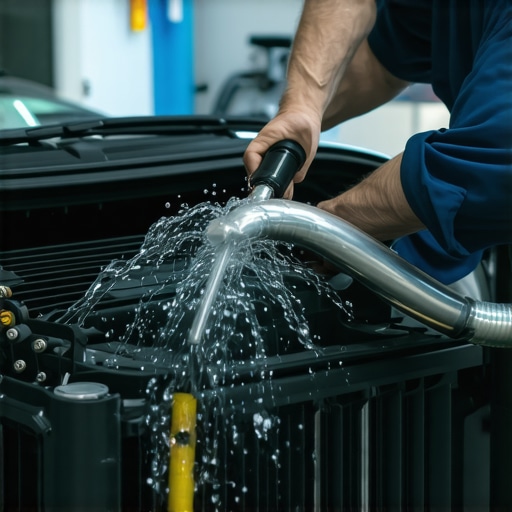
Ever been beneath your car, clutching that elusive radiator hose, only to realize afterward that your coolant system isn’t quite the same? I remember the first time I tried to flush my coolant, convinced I had it all figured out. Minutes later, I was staring at a steaming engine warning light, cursing myself for not doing it right. That moment was a lightbulb that I needed a better method—one that prevents air pockets and keeps my engine running smoothly.
Today, I want to share with you the secret to a proper coolant flush that eliminates those pesky air pockets. If you’ve ever experienced overheating or inconsistent temperature readings after a coolant change, this guide is for you. We’ll go step-by-step through a process that’s simple, effective, and saves you from future headaches.
The Real Deal About Coolant Flushing and Why It Matters
Prepare Your Vehicle for a Coolant Flush
Begin by ensuring the engine is cool to the touch. Place your vehicle on a level surface and disconnect the radiator cap carefully—wear gloves to avoid burns. Gather all necessary tools: a drain pan, socket set, funnel, new coolant, and safety gear. I recall the first time I did this, I accidentally poured hot coolant on myself, teaching me to work methodically and patiently.
Drain the Old Coolant Properly
Locate the radiator drain plug, usually at the bottom. Place the drain pan underneath and loosen the plug slowly to let the coolant flow out. Think of this step like draining a bathtub to start fresh—it’s crucial to clear out old, contaminated fluid. As I drained the radiator, I realized how much debris was left behind, which could cause overheating later if not removed completely.
Flush the System to Remove Residue
Close the drain plug and fill the radiator with distilled water through the radiator or the radiator cap opening. Start the engine and let it run until it reaches normal operating temperature, then turn it off and let it cool. Repeat flushing with water until it runs clear. This step is like rinsing a paintbrush; it ensures no old coolant or debris remain that could impair heat transfer. I once missed this step, and it caused my engine to overheat a week later.
Fill with New Coolant and Bleed Air Bubbles
Close the drain plug securely, then mix your new coolant as specified by your vehicle manufacturer. Pour the coolant into the radiator using a funnel, filling it slowly. To avoid air pockets, it’s essential to bleed the cooling system properly. To do this, locate the bleed screw or vent, usually near the thermostat housing, and open it slightly while topping off the coolant. Keep an eye out for air bubbles escaping—this is a sign you’re removing trapped air. I remember a time I skipped bleeding the system, and my engine temperature spiked unexpectedly, causing embarrassment and extra work.
Test and Monitor the System
Start the engine and let it run with the radiator cap off. Watch for circulation and bubbling—if you see bubbles, continue bleeding. Once airflow ceases, securely tighten the bleed screw, replace the radiator cap, and take a short drive. Keep an eye on the temperature gauge for signs of overheating. Regularly inspect for leaks or loose fittings. Remember, neglecting proper bleeding is like trying to fill a cup without removing the lid—air pockets prevent proper coolant circulation. For more tips on automotive fluid management, you might find this insight on car whistle causes helpful.
Many car owners fall prey to widespread misconceptions about auto service, often leading to costly mistakes down the line. For instance, the myth that changing your oil less frequently saves money is a dangerous oversimplification; modern synthetics often require regular changes to prevent sludge buildup, which can cause engine wear. Additionally, there’s a misconception that brakes only need attention when they squeal, but many issues like uneven pad wear or caliper sticking can develop silently, resulting in compromised stopping power.
A critical nuance many overlook pertains to the importance of precise torque specifications during bolt tightening. Over-tightening suspension components might seem harmless but can induce stress fractures, weakening parts prematurely. Conversely, under-tightening can lead to dangerous loosening over time, a mistake that could cost lives. Always consult your vehicle’s service manual for recommended torque values.
The oops factor is especially relevant when considering tune-ups. Some believe that a tune-up can fix engine hesitation solely by replacing spark plugs. However, advanced issues such as fuel injector clogging or sensor malfunction often masquerade as simple spark plug problems. Failing to diagnose these subtleties can render a tune-up ineffective. Diagnostic tools and professional assessments are essential—regularly skip these and you risk ongoing inefficiencies.
Ever wondered why your brake service might not last as long as expected? Many drivers ignore the significance of properly bleeding brake lines to remove air pockets. Air in the hydraulic system compresses under pressure, causing spongy pedal feel and decreased braking performance. A hidden nuance is that brake fluid absorbs moisture over time, diminishing its boiling point and leading to vapor lock under heavy braking. Regular flushes as recommended can prevent this, but be cautious—using the wrong brake fluid type can damage your system. For advanced insights into brake maintenance, check out the article on how to prevent brake fading.
For the sophisticated vehicle owner, understanding the role of nitrogen in tires is crucial. While some marketers tout nitrogen inflation for better pressure retention, studies such as those from the Rubber Manufacturers Association suggest that the benefits are marginal unless you’re a professional racing team. Overinflation or underinflation, regardless of gas type, can cause uneven wear and reduce grip—so always maintain correct PSI as per your owner’s manual.
In conclusion, the realm of auto repair is riddled with myths and overlooked nuances that can impact safety, longevity, and performance. Educate yourself beyond the surface and question conventional wisdom—your vehicle and wallet will thank you. Want to avoid the pitfalls of DIY repairs? Learn more about the secrets of making your tires last longer and keep your ride smooth, safe, and efficient. Have you ever fallen into this trap? Let me know in the comments.
The Right Gear for Long-Term Reliability
Ensuring your vehicle stays reliable requires more than just basic knowledge; investment in quality tools makes a significant difference. I personally swear by a digital torque wrench, like the Tekton 1/2 Inch Drive Digital Torque Adapter. Its precision helps me tighten bolts exactly to manufacturer specifications, preventing costly over-tightening or under-tightening, especially on critical suspension or brake components. For diagnosing issues accurately, I rely on an automotive scan tool such as the BlueDriver Bluetooth Professional OBD2 Scanner. It connects seamlessly with my smartphone, providing real-time data and codes, making defect diagnosis straightforward and efficient. Use these tools regularly to catch potential issues early and prevent expensive repairs down the line.
Adopting Methodical Maintenance Practices
In my experience, establishing a routine with proper tracking dramatically extends your vehicle’s lifespan. Keep a detailed maintenance log—either digitally or in a notebook—recording oil changes, brake inspections, and fluid flushes. This habit allows you to spot patterns and schedule proactive checkups, avoiding emergencies. Also, routinely inspect wear items like belts, hoses, and tires; for example, checking tire wear patterns can reveal alignment or suspension issues before they escalate. Combining these habits with a basic set of hand tools—such as a wrench set, screwdrivers, and pliers—empowers you to tackle small repairs, saving money and maintaining control over your vehicle’s condition.
Embracing Diagnostic Technology
Emerging diagnostic software continues to evolve, further democratizing auto maintenance. I recommend investing in apps like OBDeleven or AutoEnginuity which provide deep insights into your vehicle’s electronics and sensors. These tools link to an OBD2 interface, enabling you to run live data tests, clear trouble codes, and monitor sensor readings in real time. For instance, regularly checking your tire-pressure sensors status helps prevent failures that can lead to uneven wear or safety hazards. Modern diagnostic tools have truly revolutionized auto care, making complex repairs more approachable for enthusiasts.
Future Trends and Your Maintenance Routine
Looking ahead, the integration of AI and machine learning in vehicle diagnostics promises even smarter maintenance. Vehicles equipped with predictive systems will alert you to parts nearing failure before symptoms appear, shifting from reactive to preventive care. To prepare, familiarize yourself with these emerging technologies and consider platforms that integrate vehicle data with cloud-based analytics. This evolution will likely reduce costs, improve safety, and streamline service schedules.
How do I maintain my tools and diagnostics over time?
Regular calibration of your torque wrench ensures accurate tightening, while software updates for your diagnostic apps maintain compatibility with new vehicle models. Keep your tools clean and stored in a dry place to prolong their lifespan. Also, periodically verify sensor readings and code outputs against known benchmarks—this keeps your diagnostics reliable. For example, checking the accuracy of your tire pressure sensors can prevent uneven wear, which affects handling and safety. Using high-quality, calibrated tools becomes even more critical as vehicle systems grow more complex, ensuring your maintenance efforts continue to be effective.
Take the time to invest in proper equipment and develop consistent routines—they’re the foundation of a vehicle that remains dependable for years to come. For additional insights, consider exploring strut health or learn how to extend tire life with expert tips. Mastering these tools and techniques puts you in control, saving money and enhancing safety in the long run.
What My Car Maintenance Revelation Taught Me About Hidden Pitfalls
I once believed that following the standard service schedule was enough to keep my vehicle in top shape. However, a personal lesson hit me when I neglected to properly bleed the cooling system after a coolant flush, resulting in overheating issues down the line. This taught me that meticulous attention to detail, especially in steps like bleeding air pockets, can make all the difference in vehicle longevity.
Tools and Resources I Heart for Auto Triumphs
Investing in a quality digital torque wrench, such as the Tekton 1/2 Inch Drive Digital Torque Adapter, has transformed my maintenance routine, ensuring bolts are tightened to exact specifications and preventing costly damage. I also rely on diagnostic apps like OBDeleven for real-time insights, which help me catch issues early. These tools, combined with trustworthy resources like detailed guide articles, empower me to handle many repairs confidently.
Your Next Step to Confident Car Ownership
Every successful maintenance story starts with a decision to learn and act. Whether it’s mastering the art of bleeding air out of your cooling system or understanding the subtle signs of brake fluid degradation, taking informed action can save you money and enhance safety. Dive deeper into car care with trusted guides, and don’t hesitate to experiment—your vehicle’s performance and your peace of mind depend on it. Ready to take the reins and become your own mechanic? Share your experiences or questions below—let’s grow together in this journey towards smarter auto care.