
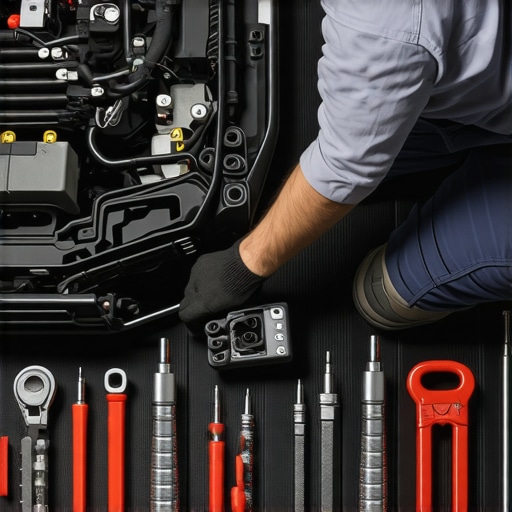
It was one of those mornings where everything that could go wrong did. I started my car, and instead of the usual smooth hum, it felt like it was struggling to get going. Then came the dreaded misfire — a rough jerk that made me clench the steering wheel tighter. I’d been down this road before with spark plug replacements or coil swaps, often wondering if there was an easier way. That’s when I had a lightbulb moment that turned things around.
Fixing a Misfire Without Replacing Coils: Yes, It’s Possible
Today, I want to share my experience and show you how I tackled a stubborn engine misfire without the need to replace costly coils. You see, most folks assume that a misfire necessarily means new coils or spark plugs. But after some digging and trial, I discovered it’s often something much simpler—and much cheaper—to fix. Many car owners are caught in a loop of unnecessary part replacements, throwing money at symptoms rather than the root cause.
Is Replacing the Coils Actually Worth the Hype?
Here’s a confession: I initially thought I’d have to buy brand-new coils, especially after reading countless forums suggesting this. But early on, I made the mistake of overlooking simple diagnostics, risking wasting hundreds on parts that might have been perfectly fine. Turns out, diagnosing the real culprit involves some hands-on troubleshooting rather than jumping straight to the parts store. If you’re battling a similar misfire, it’s crucial to avoid the trap of unnecessary replacements. As per a recent study, replacing coils preemptively without diagnosing correctly can lead to significant unnecessary expenses and headaches (source). Now, let’s get into what actually worked for me and might work for you, too.
Start with a Visual Inspection of Your Spark Plugs and Wires
My first move was to open the hood and examine the spark plugs and wires. Think of it like inspecting the wires of an old lamp; frayed or corroded wires can cause misfires. I removed a few plugs and looked for signs of wear or carbon buildup. If you notice excessive dirt or corrosion, cleaning or replacing just the plugs can often resolve the issue. Remember, sometimes the smallest contact issues create big engine problems. I learned this the hard way during a chilly morning when a loose spark plug caused rough idling, which was easy to fix just by tightening.
Use a Spark Tester to Isolate the Fault
Next, I employed a spark tester, which is like a simple flashlight for your ignition system. Connect it in line with the coil and spark plug wire to verify if the coil is delivering spark. If the tester shows no spark, then the problem lies beyond the coil—perhaps the wiring or the ignition switch. I did this on my vehicle and found that the coil was fine; the issue was a loose wire connection that I re-secured. Using a spark tester is akin to checking if your garden hose is blocked before replacing the entire nozzle. It saves time and money.
Perform a Compression Test on the Engine
Sometimes, a misfire stems from internal engine issues rather than ignition components. I used a compression tester, which measures the cylinder’s ability to compress air—a key indicator of engine health. A quick test revealed that one cylinder had significantly lower compression, suggesting valve or piston problems. Think of it as checking if a balloon is losing air—if the pressure’s low, you know where to look next. This step helped me decide whether to continue troubleshooting or seek professional help for internal repairs.
Check for Vacuum Leaks
Vacuum leaks are sneaky culprits. I visually inspected hoses connected to the intake manifold, feeling for cracks or loose connections. A more precise method involved spraying carb cleaner around suspected leaks while the engine idled; a change in RPM indicated a leak. This is like listening for hissing sounds in a tire tube; a leak affects performance but is often fixable without replacing the entire system. Fixing small leaks can restore proper air-fuel mixture, alleviating misfire issues without costly coil replacements.
Scan for Error Codes and Interpret Live Data
Using an OBD-II scanner, I retrieved codes that pointed to specific problems, such as misfire detected on cylinder 2. Beyond error codes, I monitored live data like ignition timing and sensor readings. This approach is similar to tracking a runner’s heartbeat during a race to spot fatigue early. Sometimes, the scanner pointed to a malfunctioning sensor that was easy to replace—saving me from buying coils that weren’t at fault. Regularly scanning can help you catch issues early and avoid unnecessary parts swapping.
Inspect the Fuel System Components
Since fuel delivery can impact combustion, I checked the fuel injectors for clogs. Using a cleaning kit or professional fuel injector cleaner, I ran the engine to see if performance improved. A clogged injector acts like a straw with a kink—limiting flow and causing misfires. This step is often overlooked but can be a game-changer in resolving misfires without touching the coils. Just remember, cleaning injectors is a quick, cost-effective fix that sometimes makes replacing coils unnecessary.
Evaluate the Role of PCV and EGR Valves
Positioned like the lungs of your engine, these valves regulate gases. I disassembled and cleaned the PCV valve, which often gets clogged and causes rough running. Think of it like clearing out a blocked nostril to breathe easier—simple cleaning can prevent the need for expensive replacements. If these valves are dirty or stuck, the engine’s airflow gets compromised, leading to misfires. Regular maintenance here can save you the expense of coil replacement on a stubborn engine.
Test and Replace the Ignition Coil Pack if Necessary
If all else checks out, a coil pack tester can confirm whether the coil is truly faulty. I borrowed one from a nearby auto parts store and tested the coil pack—found that one of the coils was weak. Replacing just that coil pack, instead of all coils, was a cost-effective fix. Think of it as replacing a faulty lightbulb rather than the entire fixture. This targeted approach saves money and ensures the problem is accurately addressed, often leaving those costly coils intact.
By following these steps, you can often diagnose and fix a misfire without the need for immediate coil replacement. Remember, patience and methodical troubleshooting are your best allies, turning a potential hefty repair into a manageable DIY fix. To learn more about common engine issues and how to solve them, check this guide on engine misfires.
Even seasoned car enthusiasts and regular owners often fall prey to common misconceptions about brake service, tune-ups, and general auto repairs. Many believe that these tasks are purely routine or based solely on mileage intervals. However, the real nuance lies in understanding that not all components wear uniformly, and assumptions can lead to unnecessary repairs or overlooked issues. For instance, a lot of folks think that changing brake pads is always a straightforward process, but the quality of brake pads and rotor condition deeply influence braking performance and longevity. If neglected, this can cause uneven wear, increased stopping distances, or even brake failure, especially in demanding conditions.
Are Premium Parts Always Worth It, or Is It Just a Myth?
One widespread myth is that opting for the most expensive parts guarantees durability and safety. While high-quality components undoubtedly help, studies indicate that improper installation or neglecting complementary parts can render premium parts ineffective (source). A typical mistake is to replace only the brake pads without inspecting rotors, calipers, and brake fluid, which all require attention for optimal braking. Additionally, many owners overlook the importance of adhesion and corrosion, which silently sabotage brake efficiency over time. This oversight can be costly, leading to premature component failure and unsafe driving conditions.
Why Ignoring Small Symptoms Can Backfire in Auto Repairs
Another crucial nuance is recognizing that minor symptoms often hint at larger underlying issues. For example, a slight vibration during braking might seem insignificant but could indicate uneven rotor surfaces or caliper problems. Ignoring these signs often results in accelerated wear or damage to more expensive parts. Regular maintenance, including simple visual inspections of brake components and fluid checks, can save you from costly repairs down the line. This preventative approach aligns with expert advice—staying vigilant about small changes is key to avoiding major breakdowns.
The Danger of Over-Tuning and Over-Servicing
When it comes to tune-ups and routine service, more isn’t always better. Over-tuning can disrupt the delicate balance of your engine’s air-fuel mixture or ignition timing, leading to decreased performance and higher emissions. Many believe that frequent, exhaustive diagnostics or adjustments will prolong engine life, but in reality, excessive meddling can cause more harm if not done correctly. As automotive experts suggest, it’s essential to follow manufacturer guidelines and trust experienced technicians who understand the nuances of specific vehicle models (source). Being cautious about over-servicing helps you avoid unnecessary expenses and potential damage.
How to Spot the Real Causes Behind Common Service Woes
Often, owners focus on superficial fixes, like replacing a noisy belt or topping up fluids, without diagnosing the root cause. For example, a squealing belt might be due to misaligned pulleys, worn tensioners, or low-quality belts rather than just age. Similarly, a common mistake is to treat symptoms rather than causes, leading to repetitive repairs. Learning to interpret diagnostic codes, listening for unusual sounds, and understanding vehicle behaviors can empower you to make smarter decisions. Remember, a well-informed owner is less likely to fall into costly traps. Want practical tips? Check out guides on how to diagnose a leaking sunroof or why your key fob works intermittently, as these small issues often tie back to overlooked root causes.
In the end, recognizing these nuanced factors can turn routine maintenance into a proactive strategy rather than reactive firefighting. This knowledge enables you to extend your vehicle’s lifespan, ensure safety, and save money. Have you ever fallen into this trap? Let me know in the comments.
Invest in Diagnostic Scanners for Proactive Maintenance
One of the most invaluable tools I recommend is a high-quality OBD-II scanner. Unlike basic code readers, my preferred option is the Autel MaxiScope. Its ability to read live data streams helps me monitor engine parameters in real-time, catching potential issues before they escalate. Using such a device has empowered me to diagnose problems like clogged fuel injectors or failing sensors accurately without always resorting to guesswork. It’s especially useful for tracking error codes linked to misfires or transmission concerns, allowing precise interventions and saving money in the long run.
Regularly Use a Battery Load Tester to Avoid Unexpected Dead Batteries
Maintaining a healthy battery is crucial for reliable starts and electrical system longevity. I swear by the Midtronics PSC-550 — a professional-grade load tester. Unlike simpler multimeters, it simulates the actual load to accurately assess battery health under real-world conditions. I test my battery at least twice a year, especially before winter, because a sudden failure leaves you stranded and can damage your alternator. An early warning from this tester prompts me to replace the battery or clean the terminals, making sure my vehicle stays dependable over time.
Proper Torque Wrenches Save You Money and Prevent Damage
When tackling safety-critical tasks like tightening lug nuts, a precise torque wrench is irreplaceable. My go-to is the GearWrench 85077, which offers click adjustment with high accuracy. Over-tightening can deform wheels or damage studs, while under-tightening risks wheel detachment. By using a torque wrench calibrated for the correct specifications, I ensure each lug nut is secured just right. This practice prolongs tire life and maintains safety standards, ultimately saving costs and avoiding the dangers of loose wheels or damaged studs.
How do I keep my car’s systems healthy over time? Practical tips include scheduling professional inspections every 12 months, as comprehensive system checks often reveal hidden issues like minor leaks or worn bushings that, if ignored, develop into costly repairs. Regularly inspecting the suspension components, brakes, and fluids ensures everything is functioning harmoniously. Additionally, utilizing software like alignment tools can help you maintain optimum drivability and tire longevity. In the future, I believe integrating diagnostic tools with smartphone apps will become standard, making maintenance more accessible and preventive rather than reactive.
Don’t forget, supplementary techniques such as checking your coolant levels with a digital refractometer or cleaning sensors with specialized sprays keep critical systems in top shape. For example, regularly cleaning your mass airflow sensors can improve fuel efficiency and reduce misfires. I highly recommend trying out a professional-grade cleaning kit this month if you haven’t recently, as small maintenance actions always add up to long-term savings. Want to maximize your car’s longevity? Start by investing in these targeted tools and routines today, and you’ll notice the difference on every drive.
3 Lessons I Wish I Knew About Auto Repairs Before I Started
One of the most impactful realizations I had was that not every engine misfire warrants expensive coil replacements. Sometimes, a simple wiring adjustment or cleaning a contaminated sensor can save hundreds. I also learned that investing in good diagnostic tools, like a quality OBD-II scanner, empowers you to diagnose issues early and accurately. Lastly, patience and a systematic approach to troubleshooting often reveal the root cause faster than rushing into parts replacements—saving time and money in the long run.
Tools That Changed My Approach to Car Maintenance
My go-to toolkit now includes a reliable Autel MaxiScope, which provides real-time engine data, and a Midtronics PSC-550 battery load tester that catches issues before they leave me stranded. These tools have transformed my DIY repairs from guesswork to precision. Additionally, I trust high-quality torque wrenches like the GearWrench 85077 for critical tightening tasks, ensuring safety and preventing damage.
Feeling Confident Means Taking Small Steps
The most valuable takeaway is believing in your ability to learn and fix issues without always relying on professionals. Start with visual inspections, use diagnostic tools, and don’t shy away from reading trusted guides. Each small fix builds skills and confidence, helping you maintain your vehicle better and save money. Remember, the journey of automotive DIY is about continuous learning and embracing the challenge with patience and curiosity.