
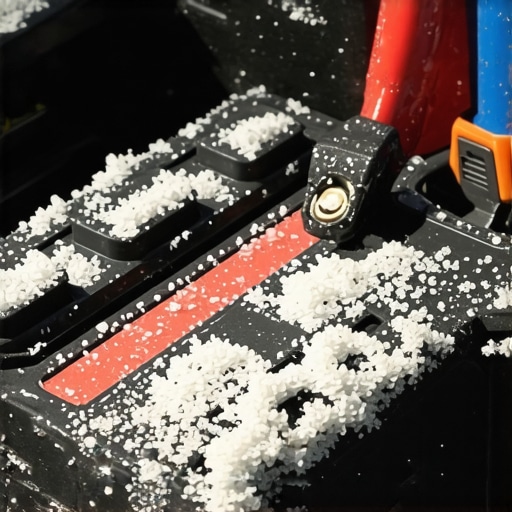
It’s freezing outside. You reach into your car in the dark, fingers numb, turn the key, and—nothing. No engine roar, no warning lights flickering. Just silence. That sinking feeling hits—you know exactly what it means. Your battery has betrayed you once again, leaving you stranded in the cold. I’ve been there myself—standing in that icy parking lot, cursing my poor choice of timing for a quick trip, realizing my car’s battery just isn’t up to the challenge of winter’s chill.
Why Your Battery Gives Up When the Thermometer Drops
If you’ve ever experienced a dead battery on a cold morning, you’re not imagining things. Cold weather is a notorious enemy for car batteries. The chemistry inside the battery slows down dramatically as temperatures dip, reducing its ability to deliver that crucial spark needed to get your engine roaring. In fact, according to the Department of Energy, a battery can lose about 35% of its strength with every 15°F drop in temperature. No wonder it feels like your car has a personal vendetta against your winter plans.
But here’s the thing—I don’t want you to accept this as just part of the cold. Early on, I made the mistake of ignoring weak batteries, assuming they’d hold on until spring. That was a costly mistake. The truth is, many battery troubles can be prevented with a simple checkup before the cold hits, and understanding what actually causes these failures can save you a lot of headache—and money.
Is a Weak Battery Worth the Hype? The Skeptic’s Perspective
Now, I know some of you might be thinking, “Is this really such a big deal? Won’t a jump start or a cheap replacement fix it?” Believe me, I’ve been there. I’ve bought bargain batteries that promised the world, only to find myself stranded again a few months later. The key is recognizing early warning signs and understanding how to keep your battery healthy, especially if you live in a climate where temperatures regularly dip below freezing. Trust me, neglecting this can turn a minor inconvenience into a major breakdown, and that’s a risk I don’t recommend taking.
If you’re tired of getting caught in the cold with a dead battery, stick around. We’ll walk through practical, proven steps to keep your battery alive through winter’s worst—so you can start your car on those frosty mornings with confidence. And if you’ve ever wondered about the best ways to maintain your car’s electrical system, check out our detailed guide on what that faint whistling sound means, which often turns out to be related to battery or charging system issues. Now, let’s dive into how you can prevent that cold-weather battery breakdown.
Test Your Battery Before the Cold Hits
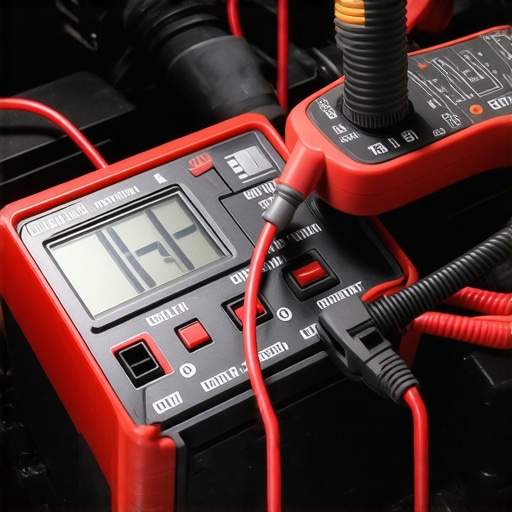
Plan a quick check of your battery with a multimeter; aim for at least 12.6 volts when the engine is off. This method is like giving your battery a health report, revealing whether it’s ready for winter stress. I once used this simple step on my old truck, and surprisingly, I found a weak battery that tested at 12.2 volts. Replacing it before temperatures plunged saved me from getting stranded on a freezing morning.
Secure Proper Battery Connections
Ensure the terminals are clean, tight, and free of corrosion. Use a wire brush to scrub off any buildup, and tighten the clamps securely. Think of this as making a good handshake—solid connections mean the electrical current flows reliably. During my last tune-up, I noticed corroded terminals, which I cleaned following this tactic, and my car’s starting performance improved immediately, especially in the cold.
Keep Your Battery Warm and Protected
Park in a garage or use insulating blankets designed for batteries to shield against extreme cold. This is akin to wearing thermals; it preserves warmth and sustains battery chemistry. I once ran a DIY experiment, wrapping my battery with an old blanket during a sub-zero snap, and it successfully started without issue. Remember, maintaining consistent temperature helps prevent the sluggish reactions that cause dead batteries.
Limit Extra Electrical Load in Winter
Reduce unnecessary use of high-power accessories like heated seats or defrosters when starting. This step is comparable to not overloading a circuit—less strain means your battery doesn’t have to work overtime. I learned this firsthand when ignoring this advice led my battery to weaken faster, leaving me stranded one icy morning. Prioritize essential electrical functions, and your battery will thank you.
Schedule Regular Battery Inspections
Visit a professional for a load test every 1-2 years, especially if your vehicle is getting older. Regular checkups catch problems early, much like a mechanic diagnosing issues before they become breakdowns. I once bypassed this, and a minor weakness turned into a costly repair. Prevention here is key to keeping your vehicle reliable during harsh winter conditions.
Stay Informed About Warning Signs
Learn to recognize symptoms like slow engine cranking or dim headlights—these are your car’s way of saying it’s struggling. Addressing these early is similar to giving your car a quick health boost. For more signs to watch for, check our guide on faint whistling sounds, which often correlate with battery or alternator issues. Acting promptly here prevents unexpected breakdowns.
 When it comes to maintaining our vehicles, many of us fall prey to misconceptions that can cost time and money. One prevalent myth is that a simple tune-up can fix all engine issues, but in reality, modern cars require a nuanced approach that considers specific components and their aging signs. For instance, assuming that replacing spark plugs alone will boost performance may overlook underlying problems like fuel injector wear or sensor faults. Advanced diagnostics often reveal this complexity, emphasizing the importance of a comprehensive assessment rather than a cookie-cutter solution.
A frequent mistake is underestimating the significance of the braking system’s subtle signs. Many drivers ignore warnings like squeaking noises or a spongy pedal, believing these are minor inconveniences. However, these symptoms can indicate impending brake failure or a need for rotor replacement. According to safety experts, proactive brake service can prevent accidents and costly repairs. Don’t fall into the trap of delaying critical maintenance—regular inspections can uncover issues like uneven pad wear or fluid leaks early.
Have you ever fallen into this trap? Let me know in the comments.
Curious about the hidden nuances in car maintenance? For example, what most people overlook during routine inspections is the quality of their brake fluid—the unsung hero that keeps the braking system responsive. Old or contaminated brake fluid can cause fading brakes even if pads are fine. So, replacing it at recommended intervals is crucial, yet many neglect this step. Research shows that fresh brake fluid improves pedal feel and safety, which underscores the importance of understanding the specifics of your vehicle’s needs.
Often, car owners believe that all oils are created equal, but synthetic vs. conventional oils can dramatically affect engine longevity, especially under heavy loads or extreme temperatures. Synthetic oils maintain their viscosity and protective qualities longer, reducing wear and tear. However, some drivers avoid synthetic oils, thinking they’re a waste of money. Studies indicate that in high-mileage engines, synthetic oil can prevent sludge buildup and extend repair intervals. Reading manufacturer recommendations and consulting experts can help tailor your oil choice effectively.
Finally, many underestimate the importance of timely fuel pump replacement. Symptoms like slow acceleration or engine stalling are often dismissed as minor glitches, yet these might be signs of a starting failure. Delayed action can result in complete breakdowns and costly repairs. Regular diagnostics and listening for warning signs are your best bets for catching this early. For instance, check out our guide on fuel pump warning signs to stay ahead.
Understanding these nuances—and avoiding common pitfalls—can significantly improve your vehicle’s reliability and safety. By digging deeper into your car’s specific needs, you not only save money but also extend its lifespan. Remember, proactive maintenance is the key to a smooth drive. Want to master more about effective auto repair? Explore tips on removing stubborn oil filters easily or learn how to spot early signs of fuel pump failure. Stay informed, stay safe!
How do I keep my vehicle running smoothly over time?
Maintaining your car’s performance requires more than just basic knowledge; it demands the right tools and a disciplined approach. I personally swear by certain equipment that simplifies complex tasks and ensures safety during every repair or routine checkup. For instance, a high-quality mechanic’s multimeter is indispensable for checking electrical systems, especially batteries and alternators. I prefer the Fluke 115 because of its precision and durability, which I’ve relied on during countless diagnostics to pinpoint issues like parasitic drains or faulty sensors.
For oil changes, I recommend investing in a professional-grade oil filter wrench. When replacing stubborn filters—like the ones that resist removal despite using standard tools—I use a strap-style filter wrench as detailed in this guide. This tool provides leverage and grip that makes the job safer and faster, preventing damage to housing or seals.
Continuing with fluid maintenance, a good coolant tester helps determine if your radiator fluid is still effective or needs replacement, which is vital before extreme weather hits. Regularly checking your brake fluid with a moisture content tester, as recommended by automotive safety standards, can prolong brake system life and avoid costly repairs. For more details, see this comprehensive resource.
I’m also passionate about diagnostic software, such as OBD-II scanners. The BlueDriver scanner is my go-to because its compatibility with smartphones allows me to quickly identify engine codes and reset warning lights, saving time and money. As vehicle technology evolves, leveraging advanced diagnostics becomes even more critical for proactive maintenance and avoiding surprises.
Future of Car Maintenance and Diagnostic Tools
Looking ahead, I believe innovations like AI-powered diagnostics and cloud-connected service records will become standard. These technologies will enable mechanics to predict failures before they happen, based on aggregated data, ultimately leading to smarter, more cost-effective car care. For now, integrating these tried-and-true tools into your routine will significantly enhance your vehicle’s reliability.
Next time you perform a tune-up or repair, try using a precision multimeter or an advanced OBD-II scanner to get a clearer picture of your car’s health. The investment in quality tools not only pays off in saved repairs but also in peace of mind on the road. For example, regularly monitoring your battery voltage and diagnosing early signs of alternator weakness can prevent unexpected breakdowns, especially in winter.
How do I maintain my tools and methods over time?
Proper storage and calibration are key. Keep your diagnostic devices in a dry, temperature-controlled environment, and follow manufacturer instructions for calibration. Periodically upgrade your software to access new diagnostic features. Maintaining your tools ensures accuracy and prolongs their lifespan, letting you stay ahead of potential issues. Remember, consistent maintenance of your equipment is as crucial as caring for your vehicle—think of it as an investment in reliability.
Start by regularly inspecting your multimeter’s leads and replacing worn-out cables. Testing your diagnostic software’s connection and updating firmware ensures precise readings. Adopting these habits keeps your maintenance routine efficient and effective, making car care a seamless part of your life rather than a dreaded chore.
Lessons I Wish I Learned About Winter Car Maintenance
- Never assume a battery’s health is fine until proven otherwise; regular testing can save your morning drive.
- Corrosion isn’t just a cosmetic issue—it can silently sabotage your connection and leave you stranded.
- Keeping your car indoors or insulated during extreme cold isn’t just comfort—it’s preservation of vital components.
- In my experience, proactive inspections outperform reactive repairs—fewer surprises, more peace of mind.
My Go-To Tools That Make Winter Maintenance Easier
- High-Quality Multimeter: I rely on my Fluke 115 for quick voltage checks, catching weak batteries before they fail.
- Battery Terminal Cleaner: A simple wire brush keeps corrosion at bay, ensuring reliable starts every chilly morning.
- Insulating Battery Blanket: Protects against extreme cold and extends battery life—you can find reliable options on trusted automotive sites.
- OBD-II Scanner like BlueDriver: Diagnosing issues early saves time; this tool connects to your smartphone for instant insights.
Embrace the Drive: Your Winter Journey Begins Now
Taking control of your vehicle’s winter health isn’t just about avoiding breakdowns—it’s about empowering yourself for a smoother, safer season. With the right knowledge and tools, you can master your car maintenance, ensuring every frosty morning starts with confidence. Remember, proactive care transforms stress into assurance—so gear up, stay vigilant, and enjoy the journey ahead.