
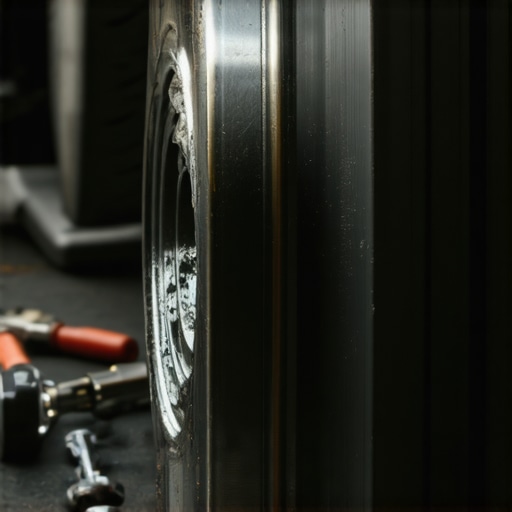
It was a cold morning, and I was just about to head out when I heard that faint but unmistakable grinding noise from my front wheel. My heart sank. I knew that sound—it’s what I call the warning bell that something’s off with the wheel bearing, but I had dismissed it as just a squeak or dirt. This was different. It grew louder as I drove, and I could feel a slight wobble in the steering. That’s when the light bulb finally went off—ignoring that warning could lead to a broken hub, expensive repairs, or worse, a dangerous failure on the road.
Why Recognizing Wheel Bearing Issues Early Can Save You a Fortune and a Headache
Most car owners, myself included, tend to overlook subtle signs of wheel bearing wear. We get busy, and these problems seem minor at first. But neglecting them can escalate quickly—leading to hub seizures, which according to automotive experts, can cause wheel detachment or loss of steering control. The good news? You’re not helpless. With a bit of knowledge, you can spot the early symptoms and address them before they turn into roadside emergencies.
Have you ever experienced that sudden, loud squeal or a change in how your car feels when turning? Recognizing these early indicators is crucial, and trust me, it’s easier than you think when you know what to look for. Early detection not only prolongs your vehicle’s lifespan but also keeps your wallet from taking a hit.
Is Detecting Wheel Bearing Failures Actually Worth the Effort?
I’ll admit, at first, I thought it was just a noisy wheel or tire issue. My early mistake was assuming that strange sensations and sounds were nothing serious. I learned the hard way that dismissing these symptoms could have been dangerous. As the National Highway Traffic Safety Administration emphasizes, a failing wheel bearing can cause catastrophic failure if not addressed in time. The key is to develop a keen ear and awareness for the subtle signs, so you can nip problems in the bud—saving yourself money and the stress of a breakdown.
If you’re unsure whether you’re experiencing the first signs of wheel bearing trouble, don’t hesitate to check out some simple diagnostic tips or visit your local mechanic for a quick inspection. For more insights into common auto issues, you might find this article on [stopping that faint whistling sound under your hood](https://glassfixauto.com/stop-ignoring-that-faint-whistling-sound-under-your-hood) helpful. It’s the little things that often prevent big accidents.
Jamming into the Repair: How to Test Your Wheel Bearings like a Pro
Imagine you’re on a road trip, and suddenly you notice a rhythmic thumping that matches your speed — that’s a classic sign of a failing wheel bearing. To confirm, you need to perform a simple but effective test. Jack up your vehicle securely, grasp the tire at the 12 and 6 o’clock positions, and shake it gently. Excessive play indicates worn bearings. Additionally, rotate the wheel by hand; if you feel roughness or hear grinding, it’s time for a closer look. I once did this at home after noticing a slight wobble, and it led me directly to a mechanic who replaced the bearing before it caused a roadside breakdown.
Breaking Down the Disassembly: Accessing Your Bearings Step-by-Step
Removing a wheel bearing may seem daunting, but following a systematic approach simplifies the process. First, remove the wheel and brake caliper assembly. Then, unbolt the hub assembly, which often involves a few bolts and sometimes a specialized socket. Use penetrating oil on rusted bolts to make things easier. Remember, patience is key; forcing components can cause damage. During my last repair, I used a rubber mallet to gently persuade stubborn parts free, preventing costly damage and saving me a trip to the shop.
Rebuilding with Confidence: Replacing or Re-Lubricating Bearings
Once you’ve accessed your wheel bearing, decide whether it’s best to replace or re-lubricate. For sealed bearings, replacement is usually the safest bet, as cleaning and re-greasing can fail if seals are compromised. For hubs with serviceable bearings, remove the old grease, clean the parts with a brake cleaner, then reapply high-quality wheel bearing grease. Reassemble by reversing your disassembly steps, ensuring all bolts are torqued to manufacturer specifications. During my experience, I learned that neglecting proper torque led to early bearing failure, illustrating why attention to detail matters.
Securing Safety: Reinstall and Test Drive
After reassembly, double-check all bolts, and reinstall the wheel. Lower your vehicle carefully and tighten lug nuts to specification in a star pattern to ensure even pressure. Before hitting the road, gently drive at low speeds and listen for any abnormal noises. If you still hear grinding or feel wobbling, re-inspect your work. Once confident, take a test drive at various speeds and turns, monitoring for any vibrations or sounds. Remember, a properly serviced wheel bearing not only saves money but, more importantly, keeps you safe on the road.
When to Seek Professional Help
If you’re unsure at any step or notice persistent issues, consulting a professional mechanic is wise. While DIY detection and basic replacement can be manageable, complex cases involving hub assemblies or difficult access might require specialized tools and skills. Don’t hesitate to visit a trusted shop if questions arise or if your tests reveal problems that seem beyond your scope — safety is the top priority. For common auto issues, you might find this guide on spotting subtle engine warning signs useful in understanding early symptoms beyond wheel bearings.Many car owners believe that following the manufacturer’s recommended maintenance schedule is all it takes to keep their vehicle running smoothly. However, this common myth oversimplifies the complexities involved in auto care. In reality, understanding the nuanced needs of your car—such as specific component wear patterns and environmental influences—can make a significant difference in longevity and safety. For example, brakes may seem fine during routine checks, but underlying issues like warped rotors or failing calipers often go unnoticed until a sudden brake pedal feel or squeal occurs, leading to costly repairs. Be cautious of the trap where people assume that generic maintenance suffices, ignoring tailored diagnostics that could detect hidden problems early.
Why do so many vehicles experience premature component failure despite regular service?
This is a question that trips up even seasoned car owners. The answer often lies in neglecting advanced diagnostics, such as looking for early signs of issues that aren’t yet obvious. For example, a subtle change in steering responsiveness or a faint whistle from the engine compartment might be dismissed as normal. But these can be *hidden nuances* indicating initial wear or misalignment, which, if addressed promptly, can prevent major failures down the line. As experts point out, routine inspections should go beyond visual checks and include listening to engine sounds and feeling for vibrations. For deeper insights, exploring topics like recognizing subtle engine warning signs can provide valuable advanced knowledge.
One often overlooked aspect is the importance of diagnosing diagnostic codes correctly. Relying solely on a generic OBD scanner might not reveal the full story, especially if the issue stems from sensors that have become contaminated or misaligned. For instance, a dirty Mass Air Flow sensor can cause ongoing performance issues that mimic other faults. Regularly updating your understanding with expert advice ensures you’re not falling prey to the misconception that all auto problems are immediately visible or diagnosable with a quick scan.
Additionally, many underestimate the significance of component-specific nuances during repair. For example, brake systems have differences based on vehicle make and model—some require unique bleeding procedures or specialized lubricants. Using generic procedures risks residual air in the system or improper lubrication, leading to decreased braking performance or premature wear. Knowing the *hidden nuances* and consulting reputable resources like detailed brake service guides can prevent costly missteps.
Moreover, understanding advanced mistakes such as over-relying on quick fixes instead of thorough repairs is crucial. Practitioners warn against shortcuts like applying quick-fix additives or shallow cleaning of parts, which may only mask symptoms rather than solving root causes. True durability comes from addressing the core problem—be it replacing a worn component or performing a complete system overhaul when necessary.
Remember, the most successful auto maintenance strategies involve a combination of routine inspections, advanced diagnostics, and an awareness of the *hidden nuances* particular to your vehicle’s make and model. Don’t fall into the trap of complacency or oversimplification. Instead, stay informed and proactive, ensuring safety and performance for miles to come. Have you ever fallen into this trap? Let me know in the comments.Maintaining your vehicle’s performance over time requires the right tools and a disciplined approach. One of my top personal favorites is a high-quality digital multimeter. I rely on this device daily to troubleshoot electrical issues, such as testing battery voltage or verifying sensor outputs, rather than guessing with guesswork. Unlike cheap analog testers, a digital multimeter provides precise readings, saving me time and preventing misdiagnosis. Additionally, I incorporate an OBD-II scanner that offers real-time diagnostic data, and I prefer models that sync with my smartphone for convenience. These tools enable me to catch potential problems early, like misfiring sensors or cooling system anomalies, before they escalate.
For lubrication and component wear assessment, a mechanic’s pry bar and a set of precision screwdrivers are indispensable. They allow me to perform wheel bearing checks and inspect suspension components with minimal disassembly. For example, to evaluate wheel bearing health, I perform a manual spin test and listen for roughness, which I learned from auto repair expert this detailed diagnostic guide. Using these tools consistently has extended my vehicle’s lifespan and reduced unnecessary trips to the mechanic.
Looking ahead, the trend is leaning heavily toward smart diagnostic systems. Future tools might integrate AI-driven analysis, offering predictive maintenance alerts based on your driving habits and vehicle history. As I foresee it, expanding my toolkit to include Bluetooth-enabled sensors could allow autonomous monitoring of tire pressure, brake wear, and fluid levels—making maintenance almost effortless.
How do I keep my car running smoothly over the long haul? The key is routine inspections combined with these precise tools. I recommend performing a comprehensive electrical system check monthly, focusing on battery health and sensor outputs. For instance, regularly testing your radiator fan with this simple method can prevent overheating issues that damage your engine. Besides inspections, maintaining a clean and organized workspace helps prevent lost tools and ensures you catch every minor issue before it becomes a major repair.
Finally, don’t forget about the importance of keeping all parts properly lubricated and fitted. Regularly reapplying high-quality grease during brake or suspension work prevents premature wear, saving you both time and money. For instance, applying anti-seize compounds to bolts and threads, especially during wheel removal, ensures easier reassembly, which I learned from my own experience. Mastering these routines with the right equipment makes car maintenance less daunting and more effective.
If you’re ready to seriously upgrade your repair game, try integrating a digital multimeter into your routine and check your vehicle’s sensors this weekend. This small investment can provide big long-term savings and peace of mind.
Throughout my automotive journey, I’ve realized that the most overlooked yet impactful aspect of vehicle maintenance is the proactive attention to wheel bearing health. Breaking free from the misconception that minor noises or slight vibrations are trivial can save you from costly repairs and dangerous breakdowns. Regularly listening to your car’s subtle cues and performing simple checks transforms routine care into a shield against unexpected failures.
The Truth Hidden Behind Common Auto Repair Myths
- Myth: If the car feels fine during a drive, everything is perfect.
Reality: Small signs like a faint humming or uneven tire wear often signal early bearing problems. Ignoring these can lead to hub failure. - Myth: Re-lubricating bearings is sufficient for prolonging their life.
Reality: Sealed bearings usually require complete replacement once signs of wear appear, as re-lubrication can’t restore damaged seals or rollers. - Myth: Modern vehicles don’t need regular bearing inspections.
Reality: No vehicle is immune; environmental factors like mud, water, and salt accelerate wear, making periodic checks essential.
Tools and Tricks That Saved My Weekends
One tool that became my trusted sidekick is a quality digital multimeter. It helps me diagnose electrical issues affecting wheel sensors or ABS signals, ensuring that I catch problems early. A sturdy jack and a set of pry bars, combined with patient disassembly, have empowered me to perform competent inspections at home. The difference lies in understanding your vehicle’s unique needs—sometimes a gentle tap or a cautious shake reveals more than an expensive scan.
Embracing the Future of Car Maintenance
Advances in technology suggest that the future of auto repair is geared toward smart diagnostics and predictive analytics. Investing in sensor-based monitoring devices now can prepare you for a more intuitive, less stressful maintenance routine. Picture walking around your vehicle with a smartphone app detecting irregularities before they manifest into failures, giving you control over your car’s longevity and safety.
The Inside Scoop From Someone Who’s Been There
- Extensive experience taught me that early signs matter more than you think—don’t dismiss a subtle wobble or noise.
- Developing a regular inspection habit keeps auto problems from sneaking up unexpectedly.
- Personalized diagnostics can help avoid the trap of generic maintenance that misses the specifics of your vehicle’s condition.
- Using specialized tools like a faint whistle detector provides peace of mind, knowing that your car is truly in good shape.
- Staying informed with expert resources ensures that I’m never one repair step behind—knowledge is power on the road.
Keep Moving with Confidence
Mastering the art of early detection for wheel bearing issues transforms simple maintenance into a form of auto care mastery. Remember, your vehicle’s health relies on your vigilance and willingness to learn its language. Regular checks, the right tools, and a proactive mindset will keep you safely driving miles ahead. Take the first step today, and turn every drive into a testament to your car-savvy approach.
What small habit have you adopted that made a big difference in your vehicle’s longevity? Share your insights below—I’d love to hear your story!