
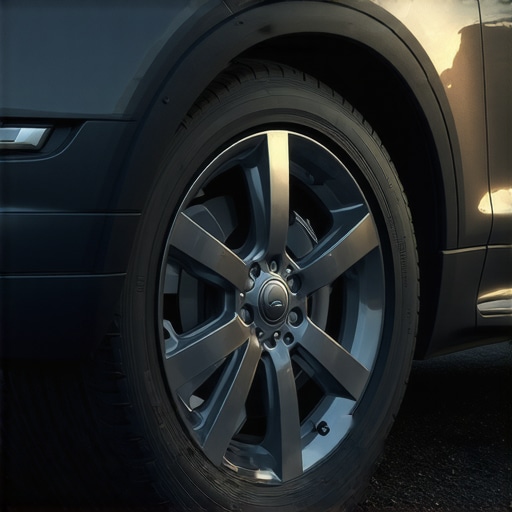
Last summer, I almost wrecked my SUV during a panic stop at a red light. The brake pedal suddenly felt spongey, and my heart pounded as I scrambled for control. That jarring moment made me realize I had overlooked something crucial: the kind of brake pads I installed. I had recently upgraded to ceramic brake pads, thinking they were the premium choice, especially for my trusty SUV. Well, surprise—my experience taught me that sometimes, what seems like an upgrade might not be the best move.
Why Your Choice in Brake Pads Could Be Costing You More in the End
If you’re like me, you want the most effective, quiet, and long-lasting brake system for your vehicle. Ceramic brake pads promise all that and more. But here’s the thing: they might not always be suitable, especially for SUVs that endure heavy usage. I found out the hard way that these pads could lead to unexpected issues, including increased costs, decreased safety, and even damage to other brake components. Today, I want to share what I’ve learned so you don’t make the same mistake. We’ll explore whether ceramic brake pads truly live up to the hype and what you should consider before making your next upgrade.
Will Ceramic Brake Pads Save You Money or Cost You More?
Early in my upgrade journey, I neglected to understand the full impact of ceramic pads, mistakenly assuming they were the best for every vehicle. That was a mistake. I blindly followed trendy marketing without doing thorough research. In fact, some research suggests that ceramic pads might cost 2-3 times more initially but have a longer lifespan. However, they can also be prone to issues like reduced effectiveness under heavy braking, especially in SUVs that often carry more weight and tow heavier loads. If you want to avoid surprises, check out this detailed guide on brake service myths and facts.
Another mistake I made early on was assuming newer technology always means better performance. Trust me, it doesn’t. Sometimes, sticking with traditional materials like semi-metallic pads makes more sense for demanding SUV use. There’s a lot to consider, and I promise we’ll get into the nitty-gritty below. But first, let’s address the common skepticism: are ceramic rotors really worth the hype? Most importantly, do they match the needs of your SUV? Keep reading, and you’ll learn how to make smarter choices for your vehicle’s brake system—saving you money, safety, and headaches in the long run.
Prepare Your Workspace and Gather Tools
Start by parking your vehicle on a flat surface, engaging the parking brake. Gather essential tools: a jack, jack stands, lug wrench, socket set, C-clamp, brake caliper piston tool, wire brush, brake cleaner, and new brake pads. Wear safety gloves and goggles to protect yourself from dust and debris. Before jacking up the car, consult your vehicle’s manual to locate the brake components accurately.
Loosen Lug Nuts and Lift the Vehicle
Using the lug wrench, slightly loosen lug nuts on the wheel you’re working on—turn counter-clockwise but don’t completely remove them yet. Use the jack to lift the vehicle at the manufacturer-recommended lift points, then secure it with jack stands. Once elevated, finish removing the lug nuts and take off the wheel. Micro-Story: I once struggled to lift my SUV evenly, which made removing the wheel tricky at first, but ensuring stable support prevented accidents.
Remove and Inspect the Brake Caliper
Locate the brake caliper, which holds the brake pads. Use the socket set to remove the caliper bolts. Carefully slide the caliper off the rotor—avoid letting it dangle by the brake hose; use a piece of wire or bungee cord to suspend it securely. Inspect the caliper for signs of rust or damage, and clean mounting surfaces with a wire brush and brake cleaner for optimal reinstallation.
Compress the Caliper Pistons
This step is crucial for installing new pads, especially with older brake systems. Using a C-clamp or caliper piston tool, gently compress the pistons back into the caliper housing. This restores space for the new, thicker brake pads and ensures proper caliper function. Remember, pushing pistons unevenly can cause damage; do it slowly and evenly. Micro-Story: When I first attempted this, I underestimated the force needed and worried I’d damage the piston, but gentle, steady pressure saved the day.
Replace Brake Pads and Reassemble
Install the new brake pads into the caliper, ensuring they fit snugly into the brake carrier. Before reattaching the caliper, apply brake lubricant to the backing plates and contact points to prevent squeaking. Carefully position the caliper back onto the rotor and tighten its bolts to manufacturer specifications. Be cautious not to overtighten, which can distort components. Replace the wheel, hand-tighten the lug nuts, then lower the vehicle and fully tighten the lug nuts in a crisscross pattern to ensure even torque.
Test Your Work and Brake Responsiveness
Before road testing, pump the brake pedal several times to seat the new pads and restore pressure. Drive slowly and test braking at low speeds to check responsiveness. If you notice anything abnormal—such as vibrations, squealing, or soft pedal—inspect your installation and ensure all components are secure. This practical approach mirrors the advice in regular tune-up strategies for optimal vehicle safety.
” alt=”Mechanic replacing brake pads on a car” title=”Step-by-step brake pad replacement process”/>While many vehicle owners believe that regular tune-ups and straightforward repairs are simply routine maintenance, there’s often a deeper layer of nuance that most miss. A common misconception is that more frequent or more aggressive servicing always leads to better vehicle longevity. In reality, over-servicing can introduce unnecessary wear and expense, especially if performed without considering your car’s specific needs. For instance, many think that replacing all filters at the first sign of dirt is ideal, but some filters—like certain cabin filters—are better replaced based on actual condition rather than a fixed interval, according to automotive experts. This practice prevents unnecessary waste and preserves system integrity. Another subtlety involves brake servicing; some believe that if brakes aren’t squealing, they don’t need attention. However, modern brake pads and rotors can wear unevenly without obvious signs, risking safety. Consulting a trusted mechanic or referencing in-depth guides, such as this comprehensive brake system repair guide, can help you identify underlying issues early. What most people overlook is the role of driving habits in dictating repair needs. Aggressive driving, for example, accelerates brake and tire wear exponentially. Recognizing these nuances helps optimize your maintenance schedule, saving money and extending your vehicle’s lifespan. Keep in mind that typical auto repair shops might recommend services based on profit motives rather than actual necessity. To avoid falling into this trap, stay informed by exploring trusted sources like this expert tune-up strategy guide. Are you aware of how your driving style influences maintenance? Consider these hidden nuances next time you schedule your service. Have you ever fallen into this trap? Let me know in the comments.
Maintaining your vehicle over the long term isn’t just about following a basic schedule—it’s about integrating the right tools and practices into your routine to ensure reliability and safety. When it comes to auto repair and regular tune-ups, having specialized equipment can make all the difference. For example, I personally rely on a high-quality digital multimeter to accurately diagnose electrical issues. Unlike basic testers, a calibrated multimeter allows me to measure voltage, current, and resistance with precision, preventing unnecessary part replacements and saving me time and money. Similarly, a brake fluid tester is invaluable for assessing brake health without removing components, especially because brake fluid can absorb moisture over time, leading to reduced effectiveness and corrosion.
In my workshop, I also incorporate a brake caliper piston compression tool. This isn’t just for convenience; it prevents damage to the pistons and boots during replacement. Using the appropriate tool for each job is crucial—improvised methods or cheap alternatives often lead to more costly repairs down the line. When replacing brake pads, for instance, this ensures a proper fit and optimal function, which directly contributes to safety and longevity.
As vehicle technology advances, so do the tools. Now, with the rise of diagnostics software like OBD-II scanners, I integrate these devices into my routine. They provide real-time data and error codes that reveal hidden issues before they become serious problems. Investing in a reliable scanner that updates regularly and is compatible with various makes and models keeps me ahead of maintenance needs, reducing unexpected breakdowns.
In the future, I predict that automation and AI-driven diagnostic tools will become more accessible to DIY enthusiasts, not just professionals. Imagine an app that connects with your vehicle’s sensors and provides tailored maintenance alerts—this could revolutionize how we keep our vehicles in top shape. Companies are already exploring these solutions, and staying informed about emerging developments through trusted sources like auto repair trends to watch in 2025 will give you a competitive edge.
What’s the best way to maintain long-term performance of your car’s systems?
One key strategy is routine fluid analysis. Regularly testing brake fluid, coolant, and oil with specialized test strips or digital analyzers helps catch issues early. For example, checking brake fluid quality with a tester (as discussed in this guide) can reveal moisture content or contaminants that compromise braking performance. Adopting this proactive approach means replacing fluids before they cause damage, extending component life, and maintaining consistent vehicle safety.
For those serious about staying on top of maintenance, I recommend investing in a diagnostic scanner and a set of quality hand tools. These allow you to perform many fundamental repairs at home, which not only saves money but also deepens your understanding of your vehicle. Not sure where to start? Try one of the latest OBD-II scanners that can diagnose issues and reset codes—it’s a game-changer for regular upkeep.
” alt=”Automotive diagnostic tools and hand tools laid out on a workbench” title=”Essential tools for long-term vehicle maintenance and repair”/>By becoming familiar with your vehicle’s mechanics and equipping yourself properly, you can significantly improve its performance and lifespan. Regularly updating your tools and knowledge—even trying out advanced techniques—ensures your car continues to serve you reliably for years to come. Want to take your car maintenance to the next level? Start by integrating a diagnostic scanner into your routine and see the difference it makes.
Lessons I Didn’t Expect About Brake Maintenance and Material Choices
- First, I underestimated how crucial the right brake pad material is for heavy vehicles like SUVs, leading to unexpected safety issues. It taught me that choosing based solely on marketing hype can be dangerous.
- Second, I realized that cost isn’t always the best metric—sometimes investing in higher-quality, appropriate materials for your vehicle can prevent costly repairs and ensure safety in the long run.
- Third, I learned that regular inspection and understanding of your brake system help catch issues early, saving money and avoiding sudden failures that could have severe consequences.
Tools and Resources That Transformed My Approach
- High-quality OBD-II scanner: This device provided real-time diagnostics, uncovering hidden issues that might have otherwise led to accidents or expensive repairs. I trust it because it’s comprehensive and easy to use.
- Caliper piston compression tool: Using the right tool minimized damage during brake replacement, extending the lifespan of components, and ensuring safety—a true game-changer for DIY mechanics like me.
- Reliable brake fluid tester: Regular testing of brake fluid helped me avoid moisture-related failures, enhancing safety and vehicle performance. The precision it offers is unmatched.
- Trustworthy sources: I rely on guides like this comprehensive brake repair guide for in-depth insights, and tune-up strategies that keep my vehicle running smoothly.
My Final Word: Take Control of Your Vehicle’s Future
Your car’s performance and safety depend on informed choices and proactive maintenance. Learning from my experiences, I encourage you to explore the best tools and trusted resources, ensuring your vehicle remains reliable and safe for years to come. Embrace the knowledge that even small decisions—like selecting the right brake pads—can have a huge impact. Now’s the time to take action and love your car as much as it loves you. Are you ready to make smarter maintenance choices? Let me know below how you plan to improve your vehicle care routine.